
Antique Log Bin
An antique log bin brings heavy-gauge metal and dark timber beside the hearth to hold fuel for the fire.
Antique Log Bin
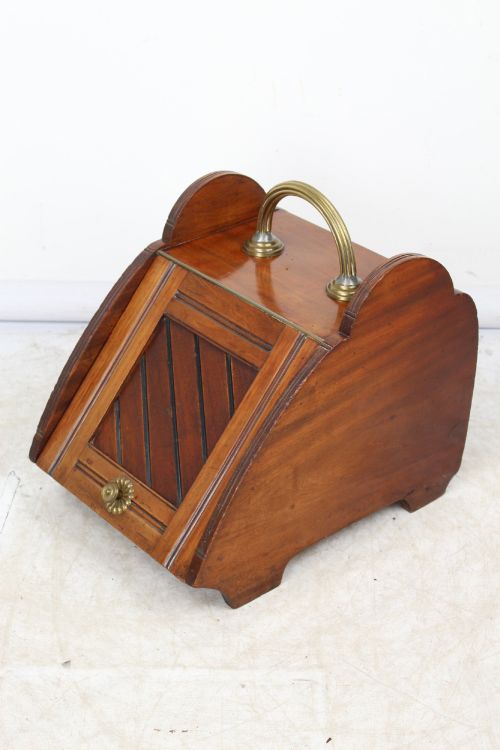
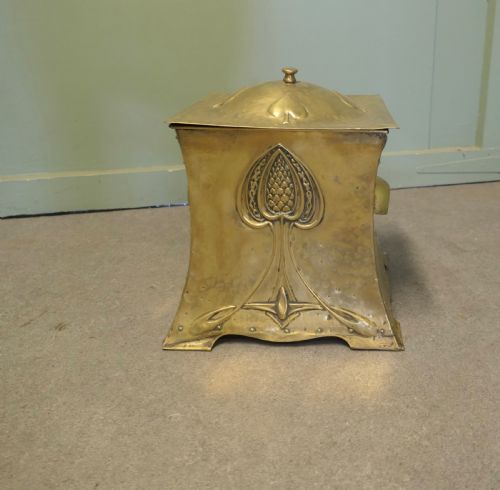
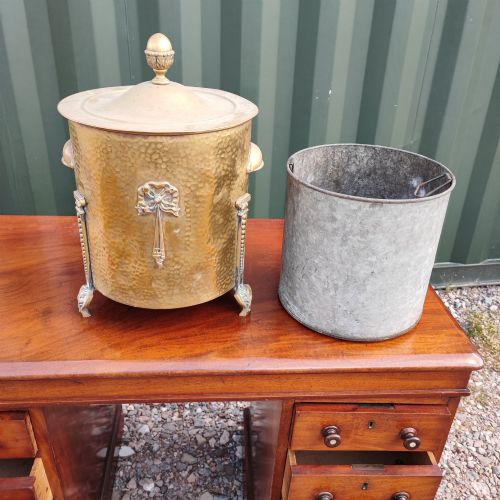
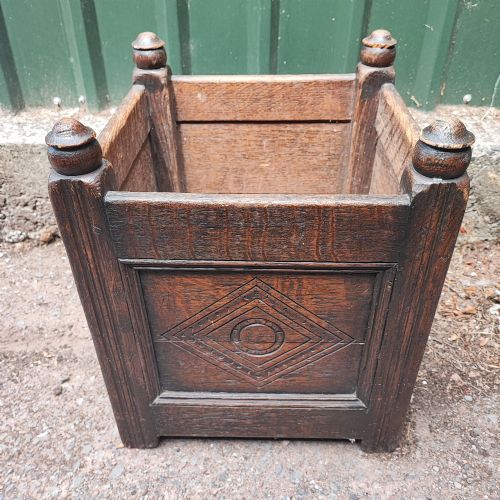
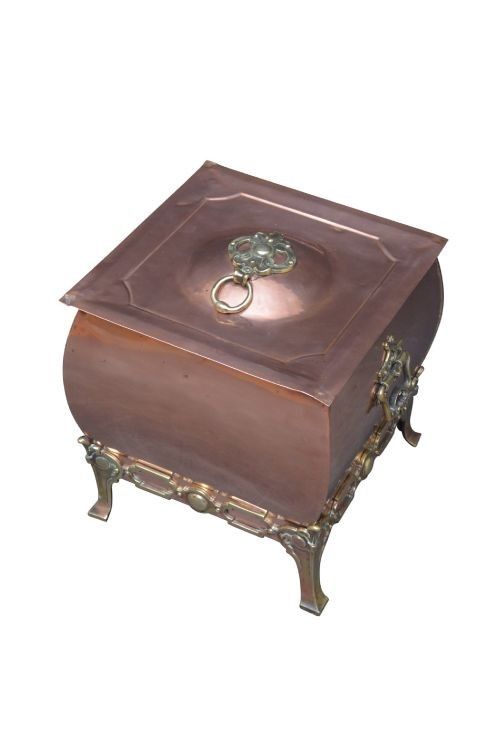
When searching for an antique log bin, buyers encounter a utilitarian fireside vessel designed to hold firewood, kindling or coal beside the hearth. The pieces on this page span the eighteenth, nineteenth and early twentieth centuries, drawing heavily from the Victorian and Edwardian periods.
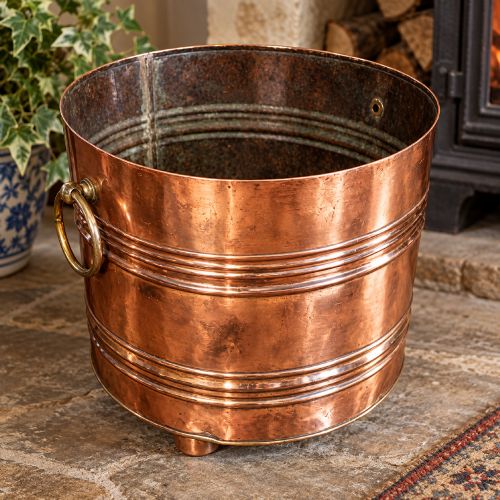
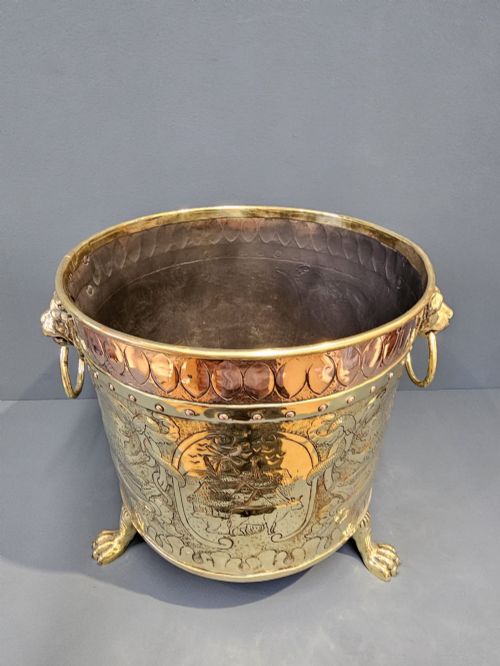
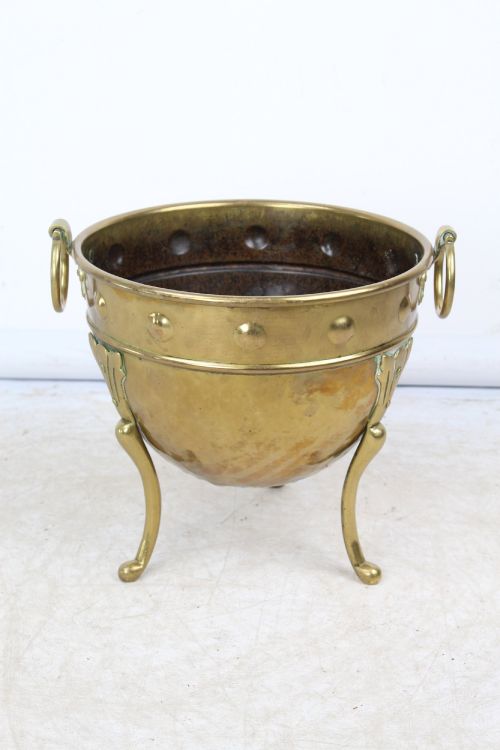
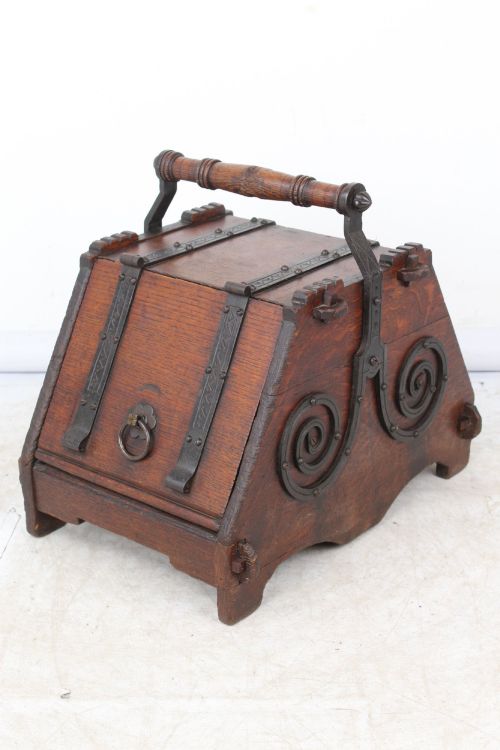
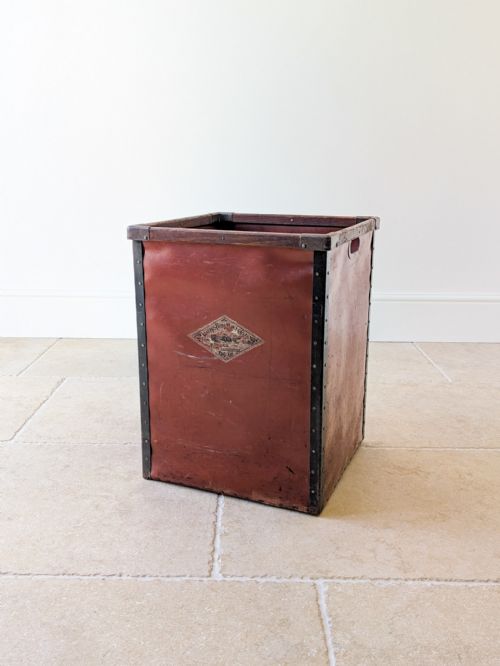
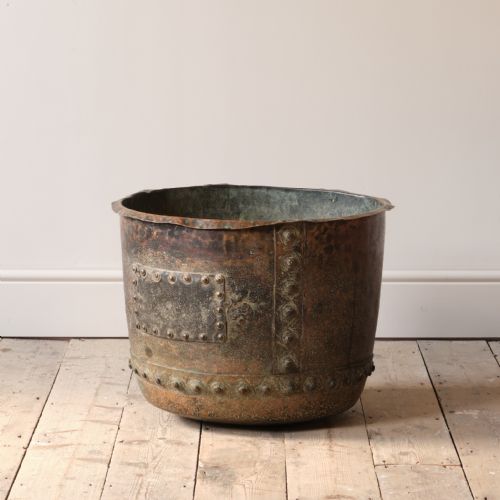
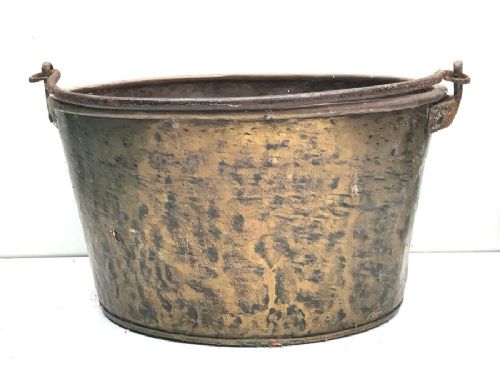
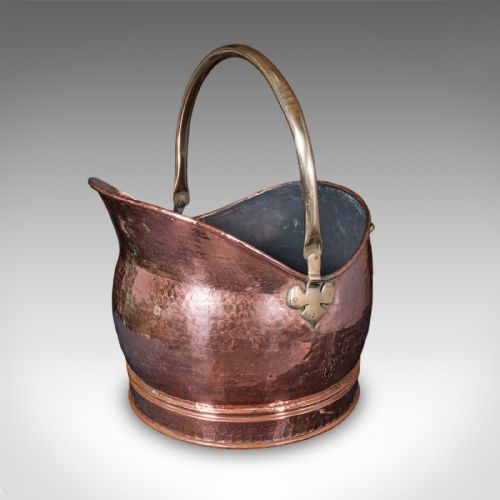
The most common examples are cylindrical copper pots, brass buckets and oak boxes, often strengthened with metal bands, riveted seams or swing handles. Many of these items served dual purposes historically, functioning equally as coal scuttles, planters, jardinières or laundry coppers.
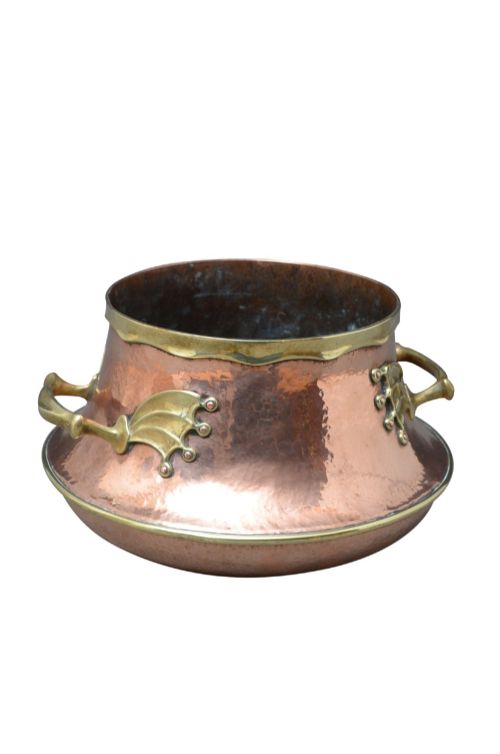
Makers and manufacturers produced these receptacles in various vernacular and aesthetic movements, including Arts and Crafts, Gothic Revival and Scandinavian Country styles. Buyers will find heavy industrial pieces alongside polished domestic vessels intended for the refined country house drawing room.
What varies in quality
The distinction between ordinary utility items and superior examples lies in the thickness of the metal gauge and the integrity of the original construction. Heavy, hand-riveted copper vessels with undisturbed natural patinas and substantial wrought iron mounts stand apart from thinner, machine-stamped later iterations.
Antique Log Bin Retail Price Guide 2026
Typical asking prices for log bin among the pieces listed under this phrase on Sellingantiques today, from the lower quarter to the upper quarter. They describe what is for sale here now, not the wider market.
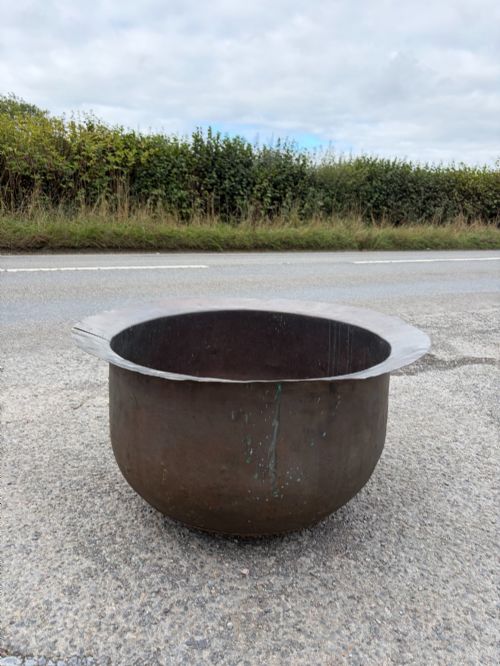
French harvest baskets and old cheese kettles regularly cross over from agricultural duties to serve quiet retirements beside the fireplace.
Henry Loveridge·Christopher Dresser·Richard Arkwright Masson Mills
The Antique Log Bin Glossary
- Repoussé
- A metalworking technique where the artisan hammers the design from the reverse side to form raised patterns on the surface. This method was widely utilised during the Arts and Crafts period for decorating brass and copper log bin bodies.
- Coal Purdonium
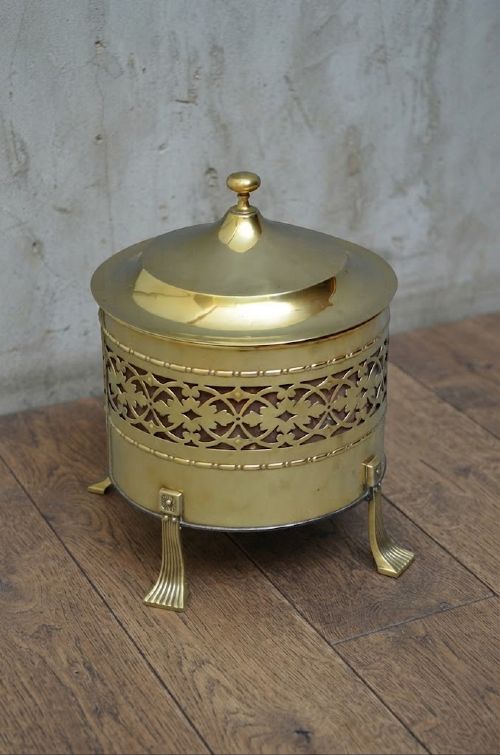
- A specialised household box designed for storing coal indoors near the fireplace, usually featuring a sloping front or a hinged lid. They often included a removable metal liner to contain coal dust and debris.
- Jardinière
- An ornamental pot or receptacle, typically made of ceramic or metal, used for holding growing plants or flowers. Many large nineteenth-century copper vessels originally made for this purpose are adapted today as log bins.
- Patina
- The surface sheen and colour acquired by wood, brass or copper through age, handling and exposure to the elements. Collectors prize an undisturbed, natural patina over heavily polished metal.
Antique Log Bin: Frequently Asked Questions
What is an antique log bin?
An antique log bin is a durable container designed to hold firewood, coal or kindling beside a fireplace. They were constructed from heavy metals like copper and brass, or sturdy timbers such as oak and mahogany.
Historically, many of these items were utilitarian vessels utilised in industrial mills, country houses or farmhouses before finding a place in modern domestic hearths.
How were copper log bins cleaned originally?
Victorian and Edwardian households maintained copper and brass vessels using mild abrasive pastes made from vinegar, flour and salt. This regular polishing kept the metal bright and reflective for the drawing room.
Today, many collectors prefer to leave the accumulated patina and verdigris intact rather than returning the metal to a bright, polished finish.
Can I use an antique metal bin for real logs?
Yes, metal bins made from thick riveted copper or iron are exceptionally robust and easily handle the weight and rough texture of logs. Placing a protective mat underneath can help safeguard delicate modern flooring from heavy metal bases.
Wooden bins should be inspected for dry timber or missing liners before loading them with heavy firewood to protect the antique structure.
How do I tell a coal scuttle from a log bin?
Coal scuttles generally feature a narrow funnel shape, a hinged lid and a small shovel stored in a back sleeve to facilitate pouring small pieces of coal into a grate. Log bins are typically wider, open-topped cylinders or rectangular boxes designed to accommodate bulky, irregular logs of wood.
Many listings use the terms interchangeably because period households often repurposed large metal pots for whichever fuel source was currently in season.