




19th Century Log Box
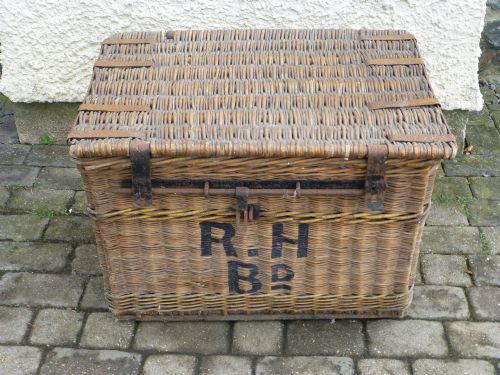
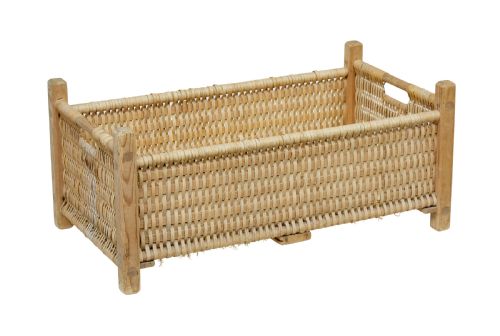
These 19th century log box examples are sturdy hearth containers built from pine, copper, iron, and wicker to store firewood beside the fire.
19th Century Log Box
A 19th century log box is a utilitarian hearth accessory designed to hold firewood and kindling near an open fire. You are most likely to encounter robust pine baskets, iron-banded country bins, and copper boxes when searching this phrase.
The evidence shows forms ranging from Scandinavian hand-woven pine baskets and trunks to Arts and Crafts iron bins and embossed copper slipper boxes. These pieces bridge everyday domestic function with regional folk art and industrial craft.
Originating largely from British, French, and Scandinavian workshops, these items reflect the practical needs of nineteenth-century domestic life. They double as storage trunks, hampers, and coffee tables in modern interiors.
Materials and construction
These pieces are built using timber such as pine and oak, often reinforced with wrought iron bands to withstand heavy loads of wood. Hand-weaving techniques shape the natural cane, wicker, and wood splint into durable baskets and hampers.
Metalwork plays a central role through embossed copper plating, toleware, and forged iron fittings. Artisans combined these sturdy materials to create functional containers capable of enduring daily hearthside use.
19th Century Log Box Retail Price Guide 2026
Typical asking prices for 19th century log box among the pieces listed under this phrase on Sellingantiques today, from the lower quarter to the upper quarter. They describe what is for sale here now, not the wider market.
Materials across the listings include pine, copper, iron, wicker, and cane, reflecting diverse nineteenth-century craft traditions.
Quality and craftsmanship
Quality separates the standard utilitarian container from the exceptional decorative piece through the integrity of the hand-weaving and metalwork. Tighter weaves in pine and cane indicate greater skill in the original maker.
Surface finish and material retention define the upper tier of these pieces, particularly in embossed copper and folk art barge wear. Original patination on the wood and metal surfaces signals genuine nineteenth-century provenance.
The 19th Century Log Box Glossary
- Toleware
- Lacquered or enamelled metalware often decorated with hand-painted designs. It appears frequently in nineteenth-century hearth accessories.
- Barge wear
- Traditional decorated canal folk art applied to metal objects. This style is found on nineteenth-century domestic metal containers.
- Slipper box
- A covered storage box traditionally shaped with a sloping lid. These pieces served dual purposes for footwear storage or coal and log holding.
- Wood splint
- Thin strips of wood peeled and interwoven to form flexible baskets. This technique provides lightweight strength for carrying heavy firewood.
- Wrought iron
- Iron beaten into shape by hand while hot, producing durable structural bands and handles. It provides robust reinforcement for timber bins.
19th Century Log Box: Frequently Asked Questions
What materials were used for a 19th century log box?
Makers utilised pine, oak, copper, iron, wicker, cane, and wood splint to construct these storage boxes. Metal banding often reinforced the wooden structures.
Different regions favoured local materials, resulting in Scandinavian pine baskets alongside British and French copper and iron designs.
How do I use a log box in a modern room?
These boxes function practically beside an open fireplace to hold logs and kindling. Many examples also serve as coffee tables or general storage trunks.
Their robust construction allows them to blend easily into contemporary living spaces while retaining historical character.
Are these boxes made of solid wood?
Yes, the wooden examples utilise solid timbers like pine and oak rather than veneers. Hand-woven plant materials also form the bodies of many baskets.
This solid construction ensured the containers could endure the heavy weight of firewood without structural failure.