


Antique Lion Statues
When you search for antique lion statues, you are looking at centuries of sculptural interpretations of the beast across diverse global traditions.
Antique Lion Statues
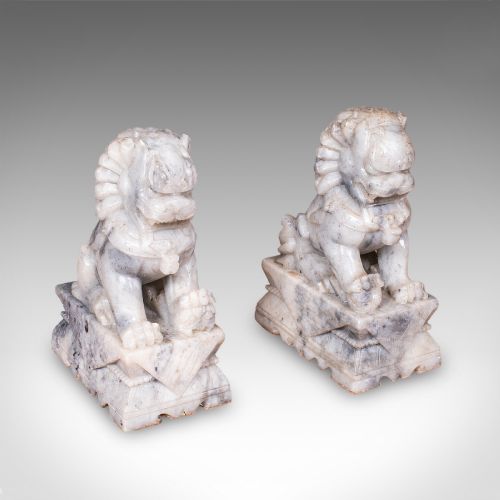
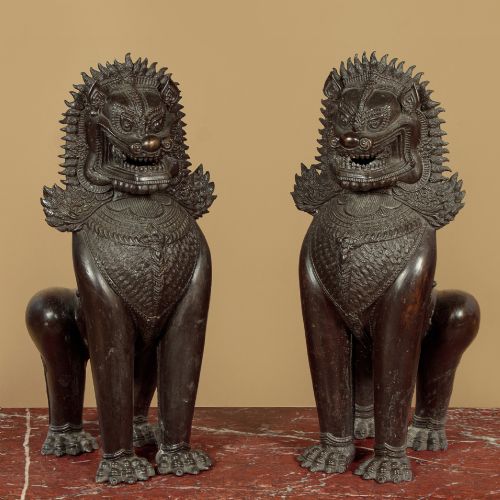
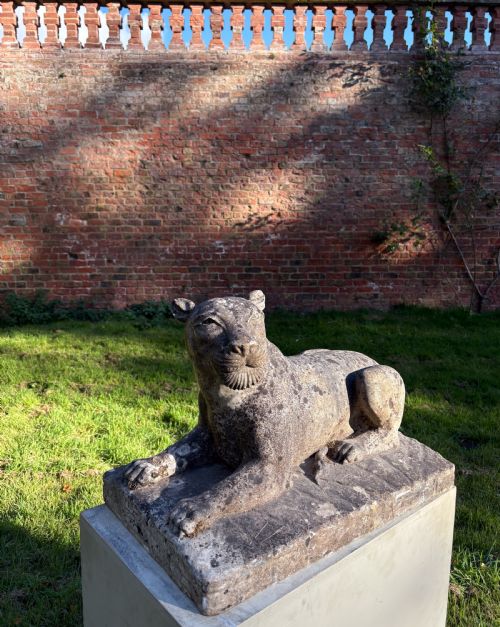
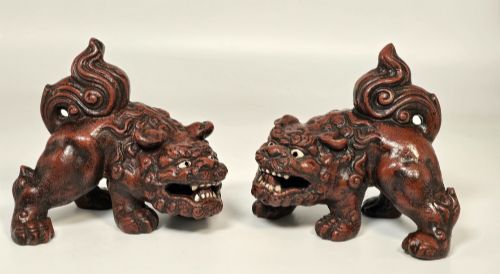
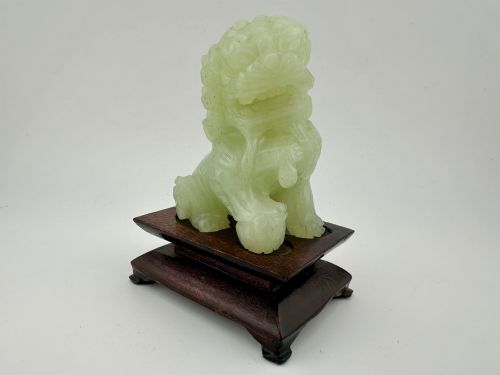
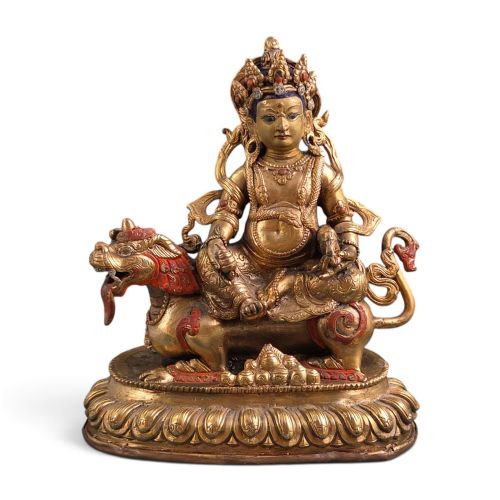
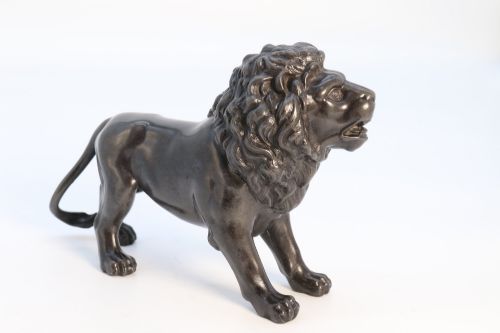
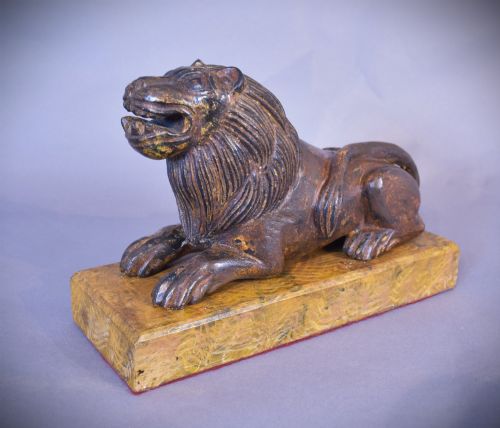
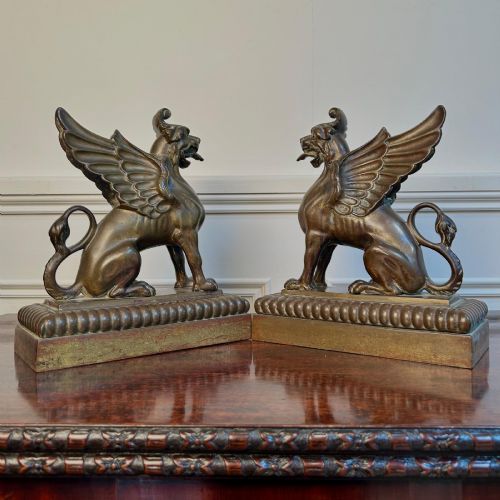
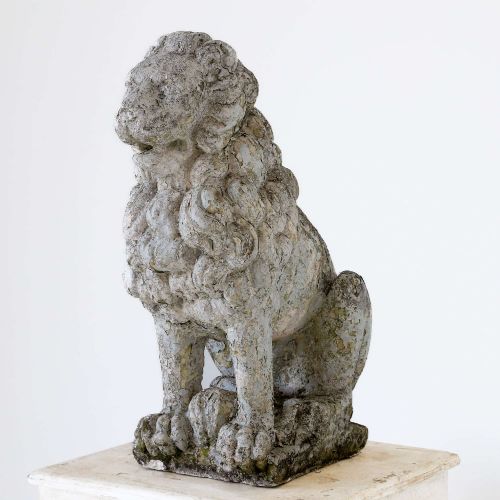
When you search for antique lion statues, you encounter a remarkably broad range of sculptural forms spanning European and Asian traditions. These pieces include Grand Tour souvenirs after classical Italian models, architectural newel post finials, and temple guardians.
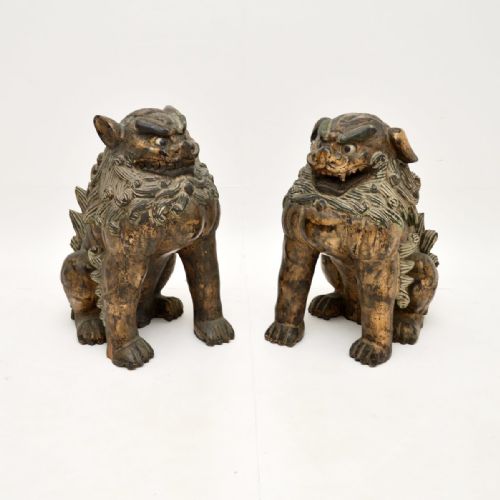
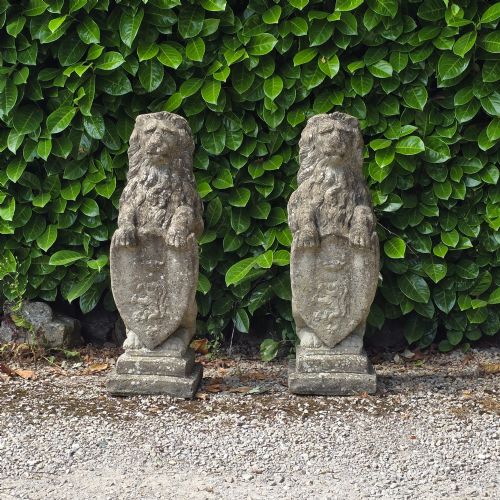
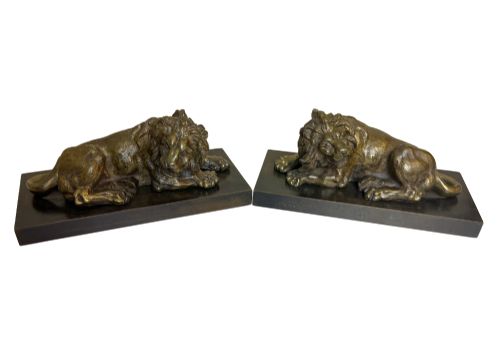
The most common versions on this page are matched pairs created for display, from small bronze desk studies to large garden and terrace ornaments. You also find specialised forms such as inkstands, bookends, and spill vases.
Origins stretch from English country houses and Staffordshire potteries to French ateliers, Meiji period Japan, and Qing dynasty China. The materials shift according to origin, encompassing local stones and terracottas alongside cast metals and carved timbers.
How they were made
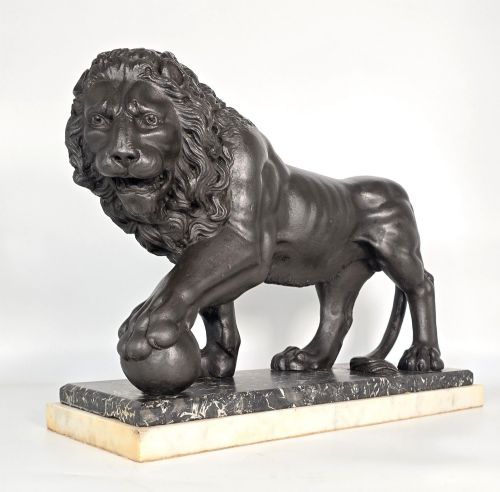
Metal castings dominate the European offerings, utilising both lost-wax and sand-casting methods in bronze, brass, and pewter, sometimes finished with cold painting or gilding. French and Italian workshops often mounted these metal figures onto bases of onyx, marble, or serpentine.
Carved works rely on dense materials such as boxwood, root wood, marble, and stone, shaped with traditional hand chisels and gouges. Ceramic and earthenware examples employ moulded construction finished with glazes, paint, or enamel before firing.
Antique Lion Statues Retail Price Guide 2026
Typical asking prices for lion statues among the pieces listed under this phrase on Sellingantiques today, from the lower quarter to the upper quarter. They describe what is for sale here now, not the wider market.
Several stone lions retain their original old paint, proving that even fierce temple guardians occasionally require a decorative touch-up.
What varies in quality
Quality rests primarily in the fidelity and vigour of the modelling, distinguishing stiff, generic commercial castings from works that capture the anatomy, tension, and muscular structure of the animal. Finer pieces demonstrate confident handling by the sculptor or bronze-founder, particularly in the rendering of facial expressions, mannes, and paws.
The choice and treatment of the material elevate certain pieces above standard production, such as richly figured marble bases on Grand Tour bronzes or finely controlled polychrome glazes on Japanese and Chinese ceramic guardians. Surface preservation also dictates standing, whether original patination on cast metal or authentic weathered paint on exterior stone and composite figures.
Paul-Édouard Delabrièrre·Seiunsai Miyamoto Sei·Unno Shomin
The Antique Lion Statues Glossary
- Grand Tour
- A cultural journey undertaken by wealthy young Europeans in the eighteenth and nineteenth centuries to study classical art. Pieces collected along the way often included miniature bronze or marble replicas of famous Roman monuments.
- Canova Lions
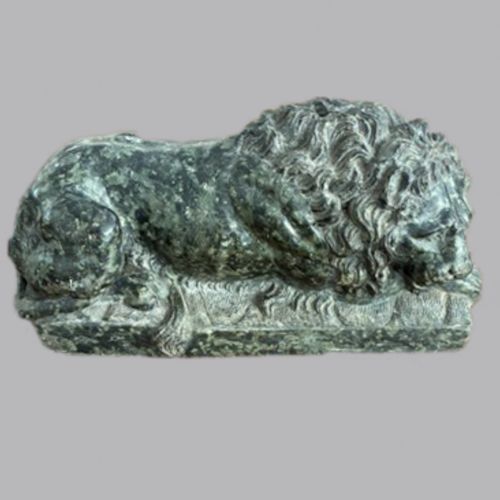
- Sculptures based on the monumental lions designed by Antonio Canova for the tomb of Pope Clement XIII in St Peter's Basilica, Rome. These powerful recumbent figures became highly popular subjects for nineteenth-century Grand Tour bronze and marble copies.
- Medici Lions
- A pair of marble lion sculptures, one original Roman and the second pendant carved in the sixteenth century by Flaminio Vacca, both displayed at the Loggia dei Lanzi in Florence. They served as standard archetypes for classical garden and mantel decoration.
- Shishi
- A Japanese term for mythical guardian lions, also known as foo dogs or Buddhist lion dogs in Chinese tradition. They traditionally stand at temple gates to ward off evil spirits and feature prominently in ceramic and bronze sculpture.
- Animalier
- A nineteenth-century artistic movement focused on the realistic depiction of animals, particularly predators in motion or repose. French sculptors working in this style achieved great anatomical precision in bronze.
Antique Lion Statues: Frequently Asked Questions
What are antique lion statues made of?
These sculptures utilise a wide variety of materials depending on their regional origin and intended function. European examples commonly feature cast bronze, brass, terracotta, and carved marble or wood.
Asian figures frequently employ glazed porcelain, earthenware, boxwood, root wood, iron, and bronze. Mixed media pieces often combine metal figures with stone bases.
Where were foo dogs placed?
Chinese and Japanese guardian lions, or foo dogs, traditionally stood in pairs outside imperial palaces, temples, and homes to act as protective sentinels. The male typically guards a brocade ball beneath his paw, while the female restrains a playful cub.
Smaller domestic versions served as decorative ornaments, incense burners, or structural supports on furniture and newel posts.
How do I care for antique bronze lions?
Bronze sculptures require minimal intervention to preserve their historic patination and stable metal surfaces. Dust them gently with a soft, dry cloth and avoid chemical polishes that strip original finishes.
Keep them away from direct heat sources and excessive moisture, particularly if they are mounted on vulnerable stone or wooden bases.