

Antique Linen Storage Cabinet
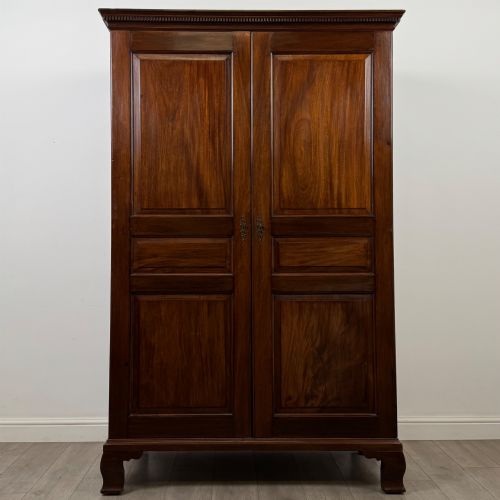
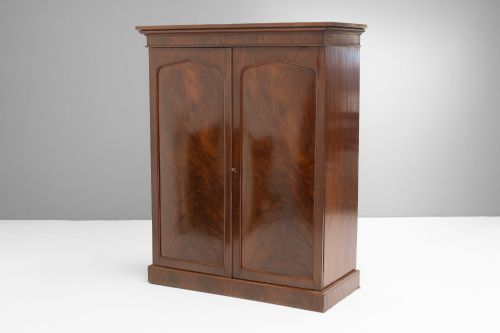
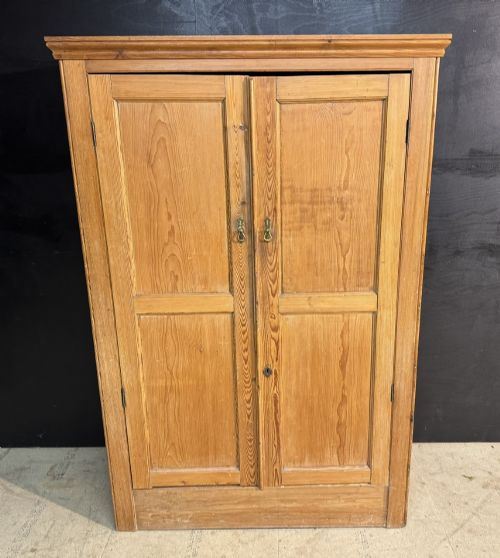
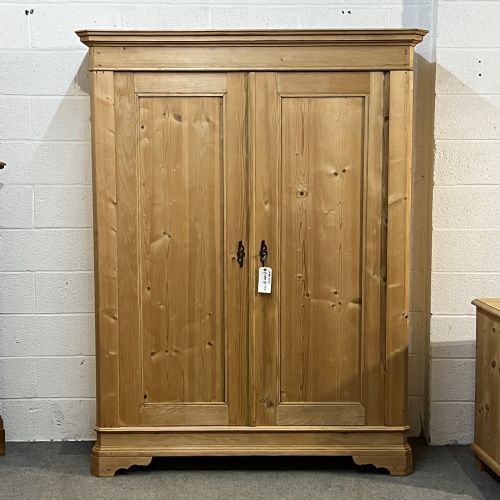
An antique linen storage cabinet brings timeless timber grain and generous proportions to a bedroom or hallway, offering deep shelving for textiles.
Antique Linen Storage Cabinet
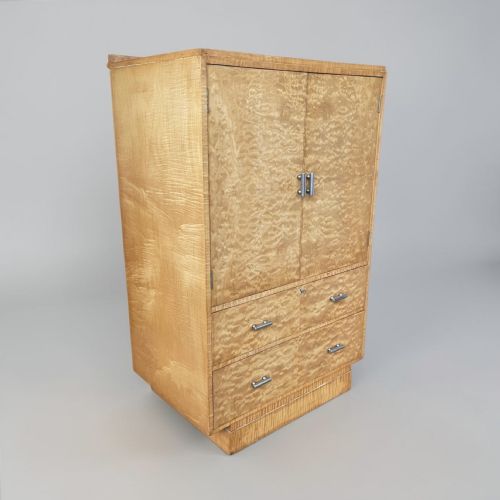
When searching for an antique linen storage cabinet, buyers encounter a diverse range of substantial wooden furniture intended to house household textiles, garments, and blankets. These pieces span several centuries of design, with domestic workshops and larger cabinetmakers producing sturdy enclosures tailored for bedroom or landing placement.
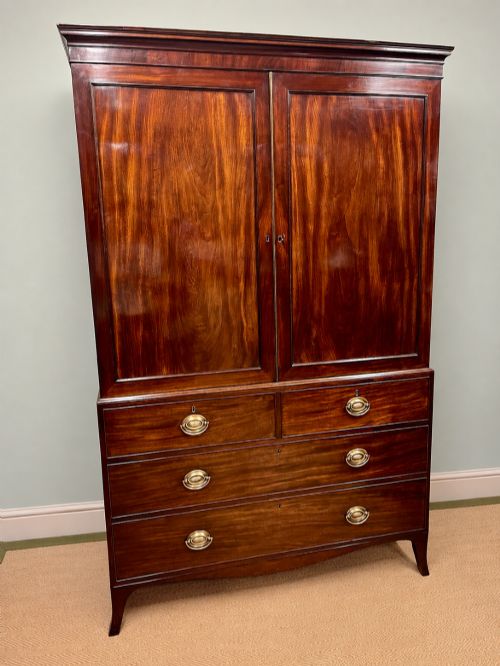
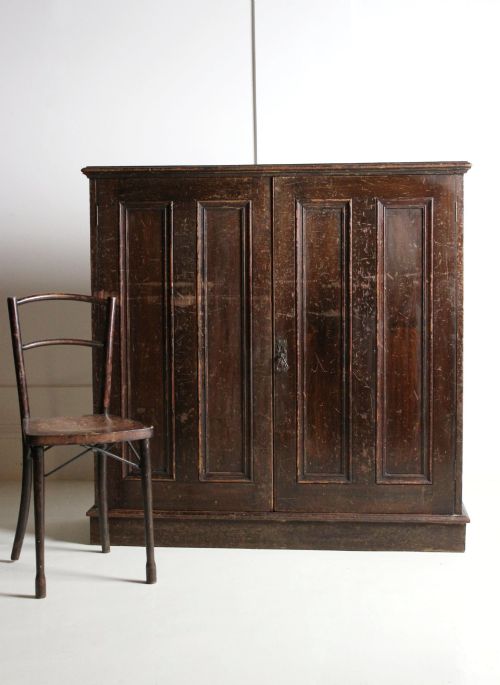
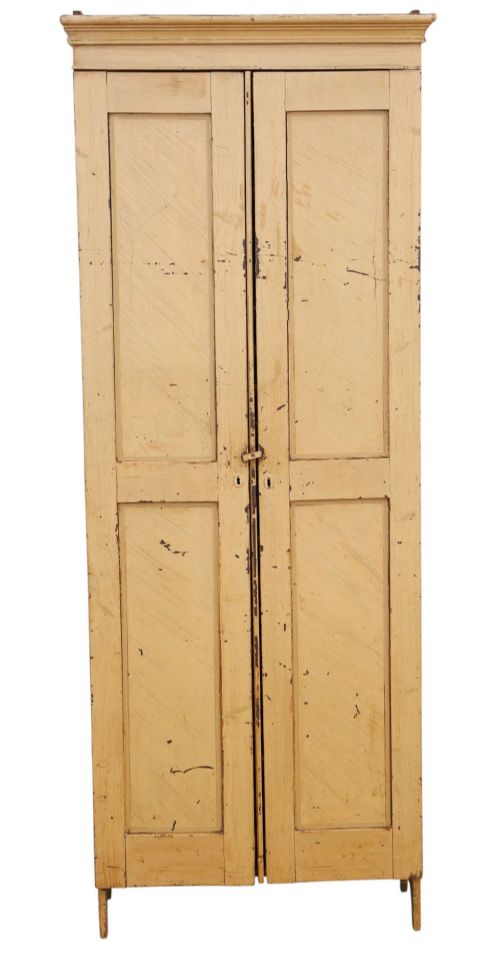
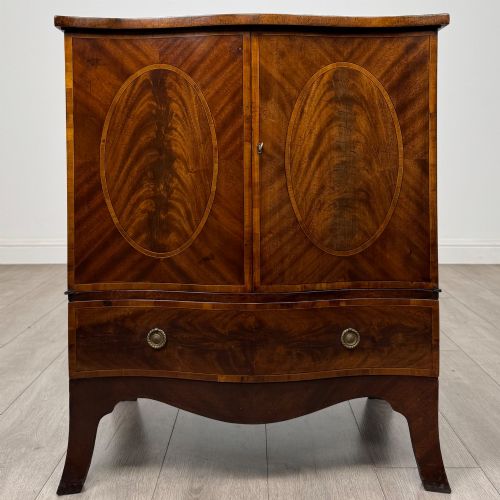
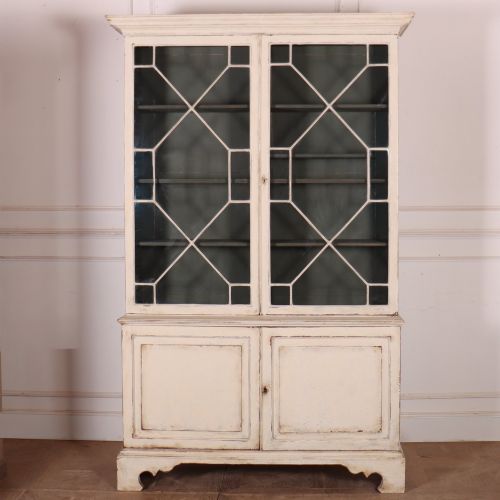
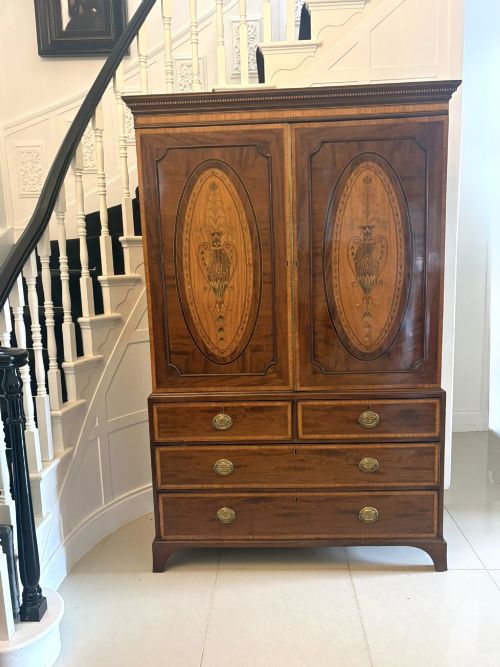
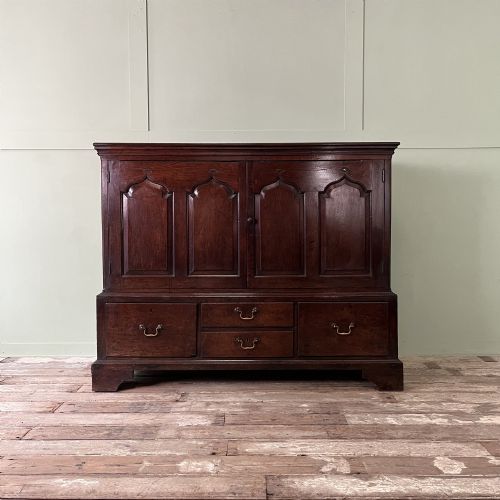
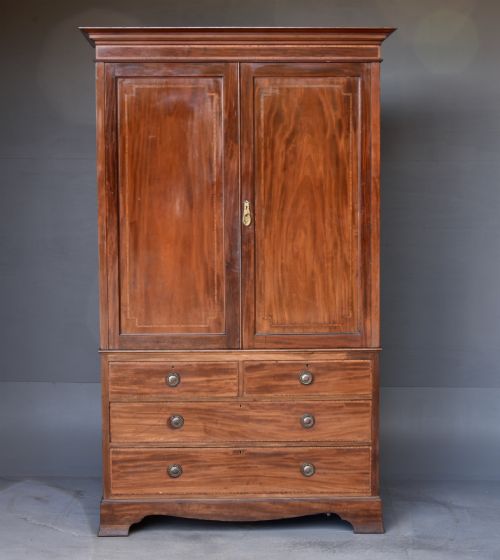
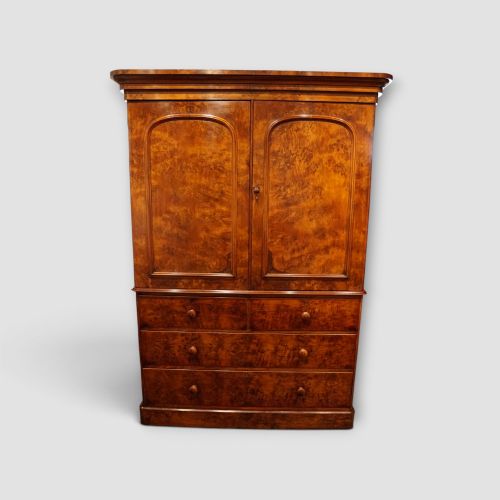
The selections available here predominantly feature 19th-century and Victorian examples alongside Georgian, Edwardian, and earlier 18th-century forms. Common iterations include traditional linen presses combining upper cabinet space with lower drawers, tallboys, housekeeper cupboards, and dedicated wardrobes constructed in various regional British and continental European traditions.
Buyers will find that many of these units combine functional hanging capacity with deep shelving designed specifically for folded sheets and tablecloths. Whether rendered in modest painted pine or grand figured hardwoods, each piece reflects the domestic storage requirements of its original era.
Materials and construction methods
Makers relied heavily on solid hardwoods such as mahogany, oak, and walnut, often selecting figured veneers like burr walnut or satinwood inlay for formal Georgian and Victorian pieces. Pine and cherry served widely for provincial, French, and kitchen housekeeper cupboards, where timber availability and utility dictated the build.
Joinery techniques involved sturdy mortise and tenon frames, hand-cut dovetails for drawer construction, and panelled doors designed to accommodate seasonal wood movement. Brass hardware, iron strap hinges, and hand-turned bun feet completed the assembly, ensuring structural durability across centuries of daily domestic use.
Materials appearing across the inventory range from mahogany, oak, and walnut to pine, ash, cherry, and metal.
What separates the finest examples
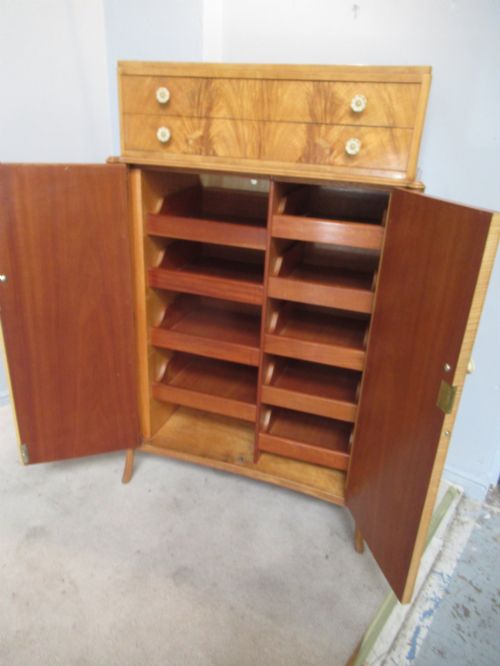
The distinction between standard utility furniture and superior cabinetmaking rests on the choice of timber and the precision of the joinery. Finer pieces display carefully matched grain patterns, intricate decorative elements such as blind fretwork cornices or marquetry, and original interior sliding trays rather than simple modern shelving.
Condition and originality heavily influence the standing of a piece, with surviving original surface treatments, hardware, and fitted interior compartments marking out the more desirable examples. The harmony of proportions and the retention of early patination distinguish works from prominent workshops from simpler provincial builds.
maples & co
The Antique Linen Storage Cabinet Glossary
- Linen Press
- A tall storage piece traditionally featuring upper sliding trays or shelves enclosed by doors, positioned above a chest of drawers.
- Tallboy
- A tall chest of drawers standing on another chest or a low base, maximising vertical storage capacity within a compact floor footprint.
- Housekeeper Cupboard
- A large utility storage cabinet, often found in pine or oak, designed for domestic linen, provisions, and household supplies.
- Marquetry
- Decorative veneer work forming intricate pictures or geometric patterns using various woods, ivory, or shell set into the primary surface.
- Blind Fretwork
- Carved ornamentation applied to a flat surface in an openwork lattice design that does not pierce through to the background.
Antique Linen Storage Cabinet: Frequently Asked Questions
What is an antique linen press?
An antique linen press is a tall storage cabinet designed specifically to store folded bed sheets, tablecloths, and garments. It typically combines upper shelving or sliding trays behind doors with a chest of drawers below.
Historically, these cabinets kept delicate textiles clean and flat before modern closets became standard in domestic architecture.
How do I tell Georgian from Victorian cabinets?
Georgian cabinets usually feature classical proportions, mahogany or oak timbers, and subtle stringing or satinwood inlay reflecting 18th-century restraint. Victorian examples often display heavier mouldings, burr walnut veneers, darker finishes, and more robust turned feet.
Examining the internal drawer construction and hardware styles helps confirm the specific period of manufacture.
Can these cabinets fit modern clothes hangers?
Many older linen storage pieces were originally built with shallow depths or fixed interior sliding trays rather than hanging rails. Converting a press or cupboard for modern clothes storage often requires checking internal dimensions and depth.
Buyers frequently choose to use deeper wardrobe variants if full-length garment hanging is the primary requirement.
Where should I place a linen press at home?
These substantial pieces suit bedrooms, landings, or wide hallways where their architectural presence and generous storage can be fully appreciated. They also function well in large dining rooms or kitchens as sideboards and pantry storage.
Placement should avoid direct sunlight and extreme temperature fluctuations to protect historical timber finishes.