


Antique Linen Chest
When you search for an antique linen chest, you open the door to centuries of domestic storage spanning sturdy oak coffers and tall mahogany presses.
Antique Linen Chest
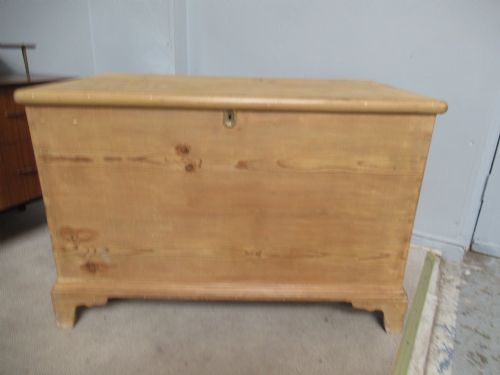
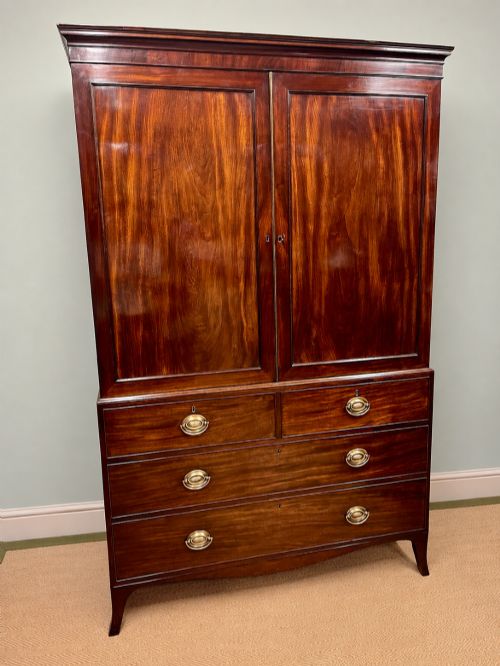
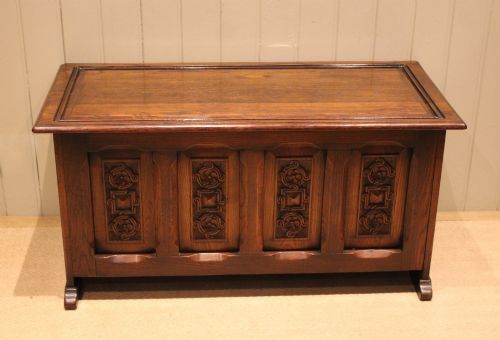
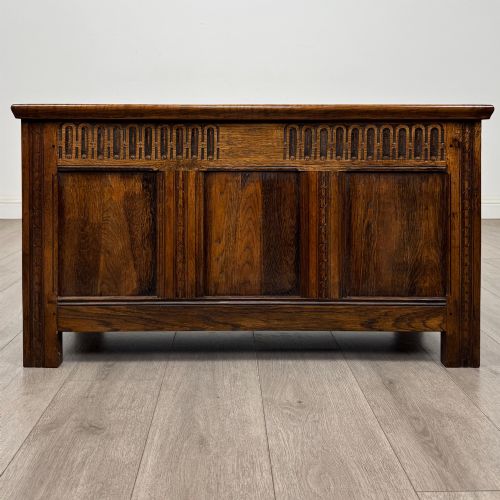
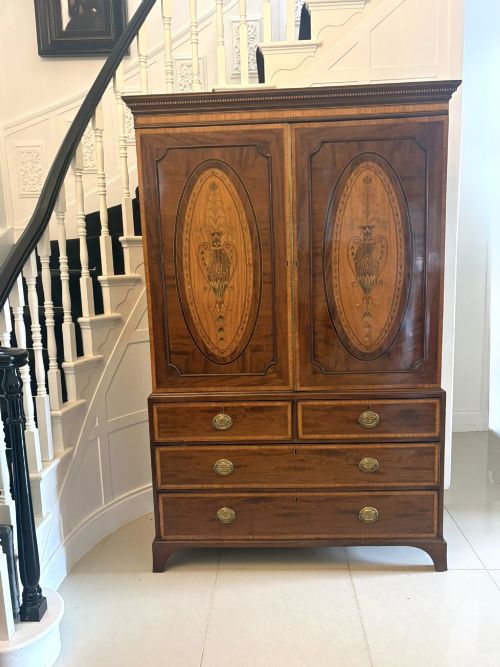
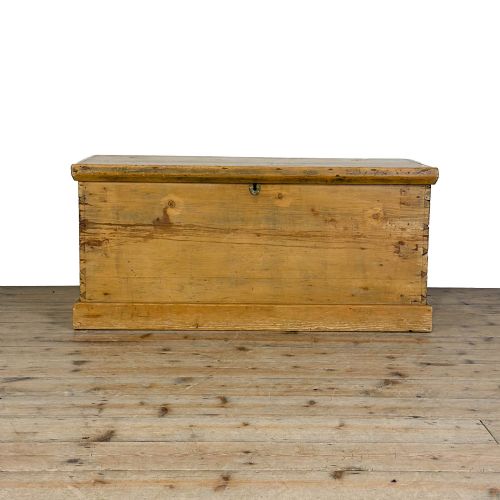
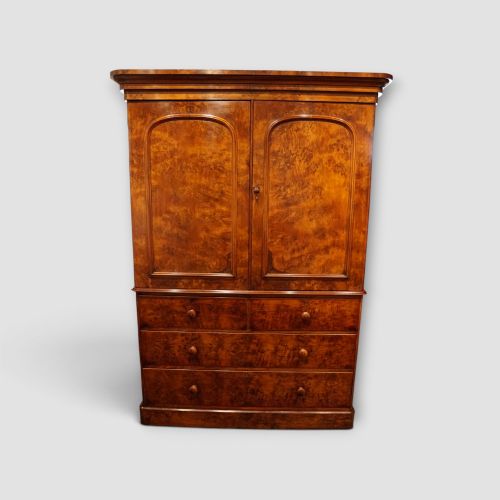
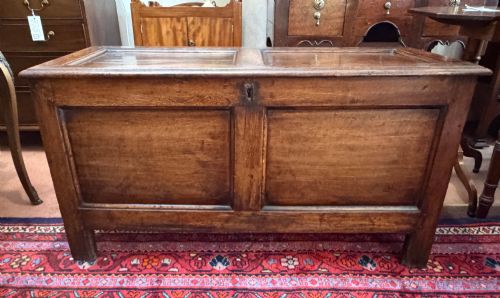
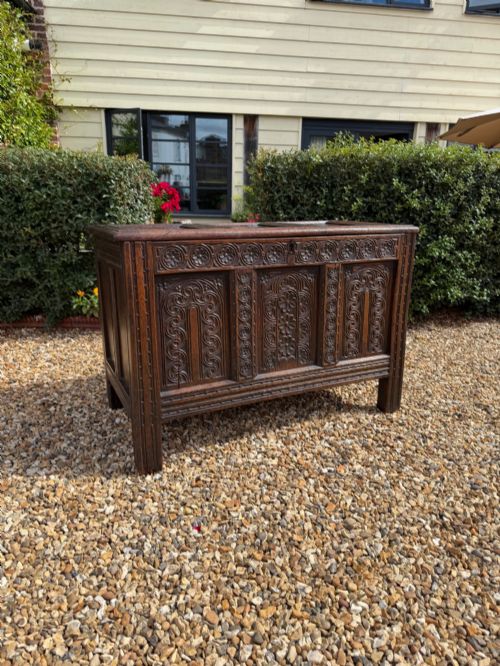
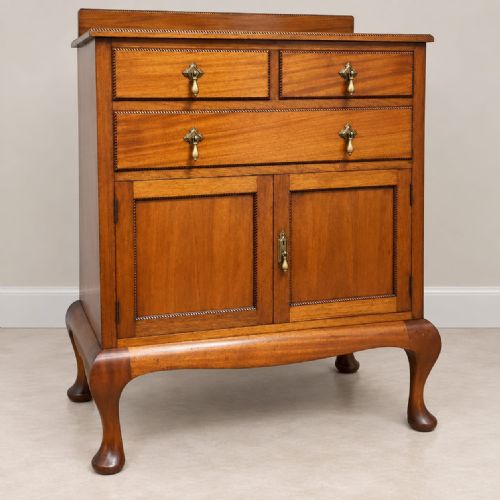
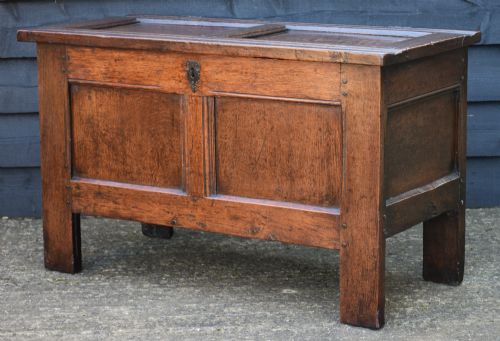
An antique linen chest encompasses heavy 17th-century oak coffers, Georgian mahogany linen presses with sliding trays, and utilitarian Victorian pine blanket boxes.
Early examples originate in country houses and farmhouses as simple panelled storage trunks, evolving later into sophisticated cabinet forms with internal drawers and hanging space.
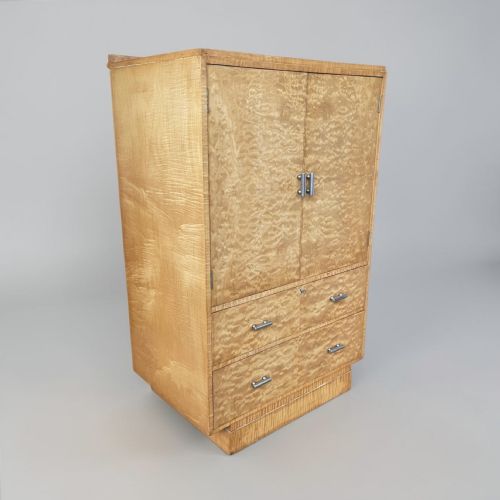
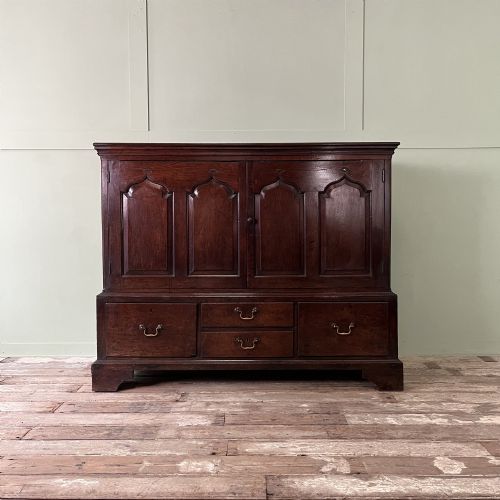
The pieces listed span multiple eras from the 17th century through the Edwardian period and Art Deco years, featuring distinct regional variations such as Welsh oak and Dutch walnut.
Materials and Construction
Cabinetmakers utilised solid native timbers like oak, ash and pine for early vernacular boxes, shifting toward figured mahogany, burr walnut and satinwood veneers in later Georgian and Victorian furniture.
Joinery techniques define the age and quality, ranging from pegged panelled construction on seventeenth-century coffers to sophisticated dovetailing on eighteenth-century drawer linings and complex marquetry inlay.
Antique Linen Chest Retail Price Guide 2026
Typical asking prices for linen chest among the pieces listed under this phrase on Sellingantiques today, from the lower quarter to the upper quarter. They describe what is for sale here now, not the wider market.
Assessing Merit
The distinction between ordinary utility items and exceptional survivals rests on timber selection, such as highly figured flame mahogany or richly patinated Welsh oak.
Original surface finishes, intact internal linen slides, and crisp carving or inlay elevate a piece far above heavily restored or stripped examples.
Gillows·Maple & Co·Waring & Gillow
The Antique Linen Chest Glossary
- Coffer
- A large wooden storage box with a hinged lid, often panelled and historically used for textiles and valuables. These form the earliest category of linen storage furniture.
- Linen Press
- A tall double-door cabinet containing sliding trays for folded textiles, typically mounted upon a base chest of drawers. They emerged to keep household linens clean and pressed.
- Tallboy
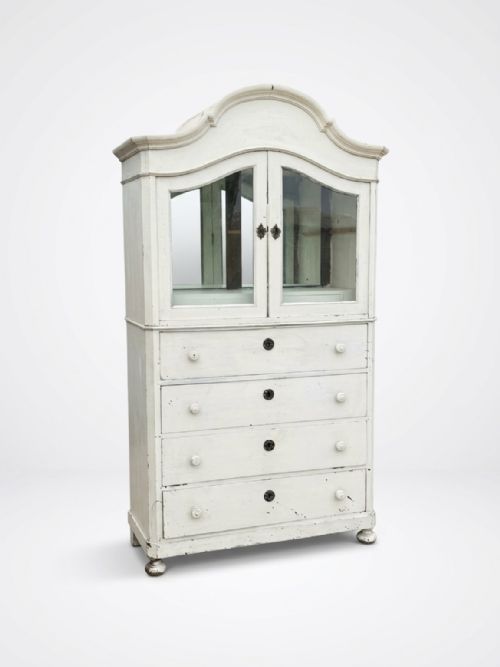
- A tall chest of drawers standing upon another chest or a low base, sometimes incorporating cupboard doors at the top. They maximise vertical storage capacity in smaller bedrooms.
- Marquetry
- The art of forming decorative patterns using thin veneers of different woods, metals, or ivory applied to a carcase. Dutch cabinetmakers utilised this technique extensively on walnut cabinets.
- Patina
- The surface sheen and mellow depth developed by wood through age, handling, and regular polishing over many decades. It remains a key indicator of authenticity and original care.
Antique Linen Chest: Frequently Asked Questions
What is the difference between a coffer and a linen press?
A coffer is a traditional lidded storage chest from earlier centuries, designed primarily for box storage at the foot of a bed or in a hall.
In contrast, a linen press is a tall vertical cabinet with doors enclosing sliding trays above a chest of drawers, built for the structured organisation of household linens.
How do I care for an antique oak or mahogany chest?
Keep wooden storage furniture away from direct heat sources and drastic humidity shifts to prevent timber shrinkage and veneer lifting.
Apply traditional beeswax periodically and buff gently with a soft cloth to nourish the grain and maintain the surface patina.
Were these pieces always used for linen?
While named for textile storage, these large wooden vessels housed diverse domestic goods including blankets, garments, documents, and provisions.
Regional variations such as tack cupboards and campaign chests served specialised equestrian or travel functions while sharing the same underlying cabinet form.
How can I tell a 17th-century coffer from a later revival piece?
Authentic early pieces display hand-cut joinery, pegged tenons, irregular hand-planed board thicknesses, and genuine age-related wear to the timber surface.
Revival furniture often shows uniform machine milling, standardised modern fixings, and artificial distressing rather than a natural working history.