


Antique Library Sofa
An antique library sofa brings the gravitas of nineteenth-century reading rooms into domestic spaces.
Antique Library Sofa
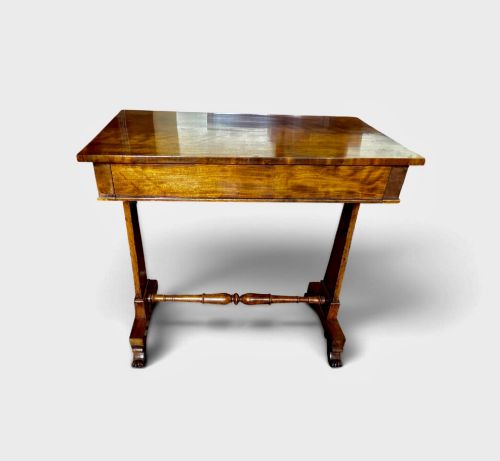
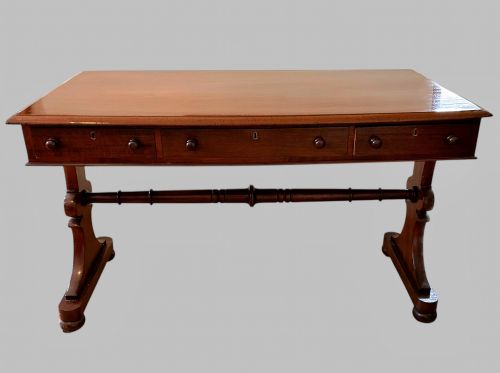
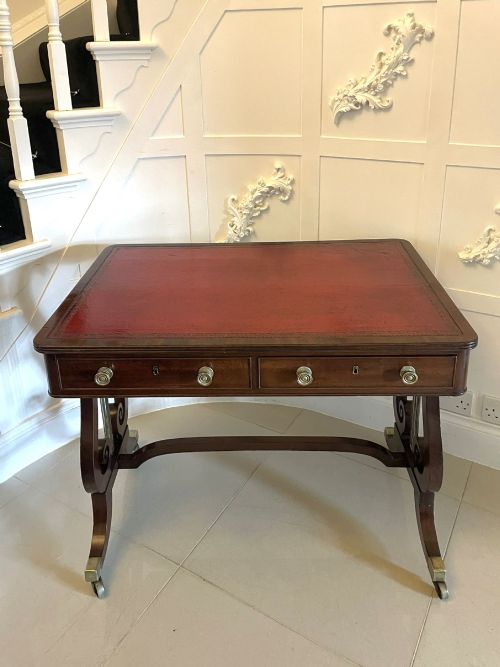
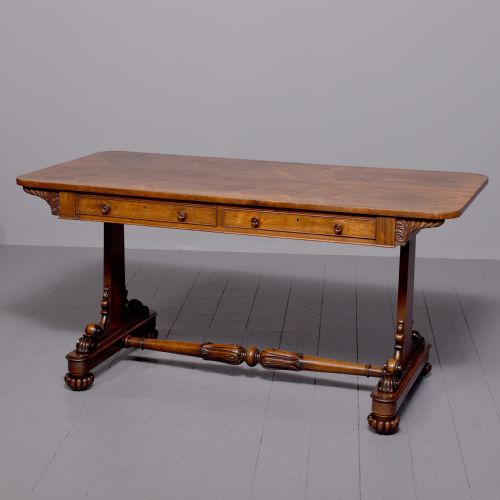
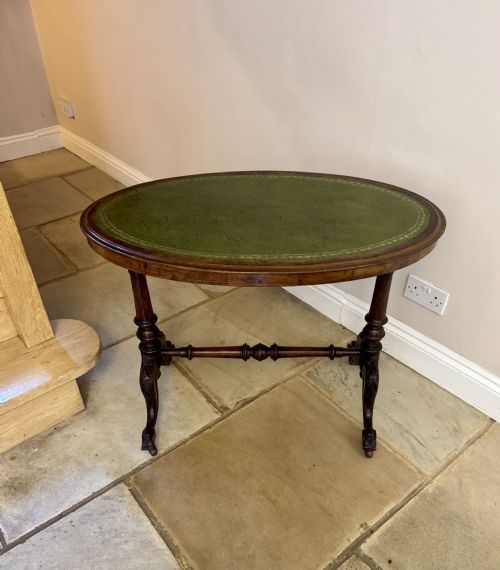
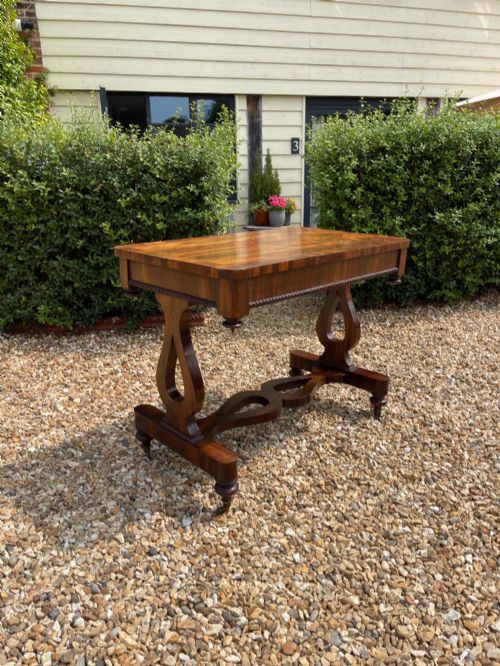
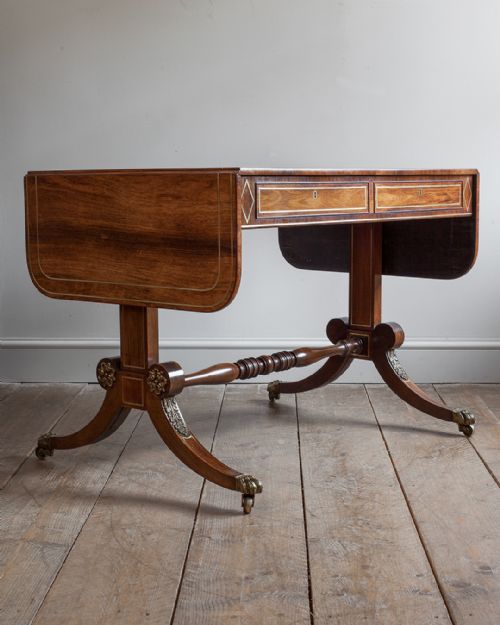
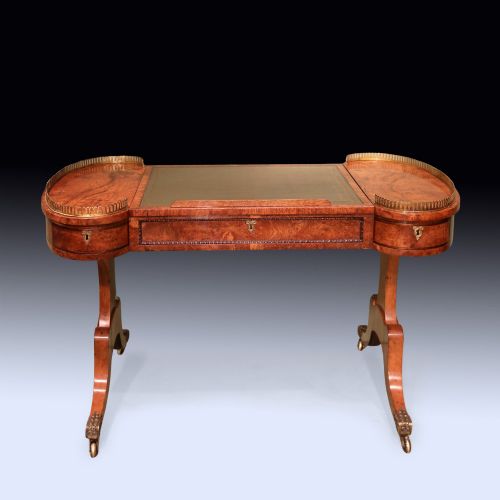
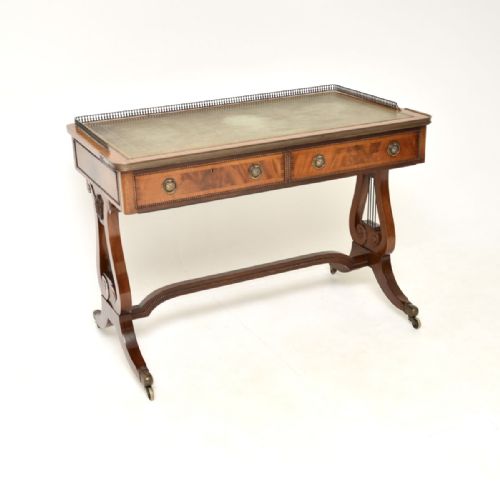
An antique library sofa search surfaces a rich selection of nineteenth-century seating alongside closely related library tables, writing desks, and centre tables from the Georgian, Regency, and Victorian eras. Buyers encounter sturdy oak and mahogany library sofas designed for quiet reading spaces, accompanied by freestanding tables featuring drop leaves, leather inserts, and brass castors.
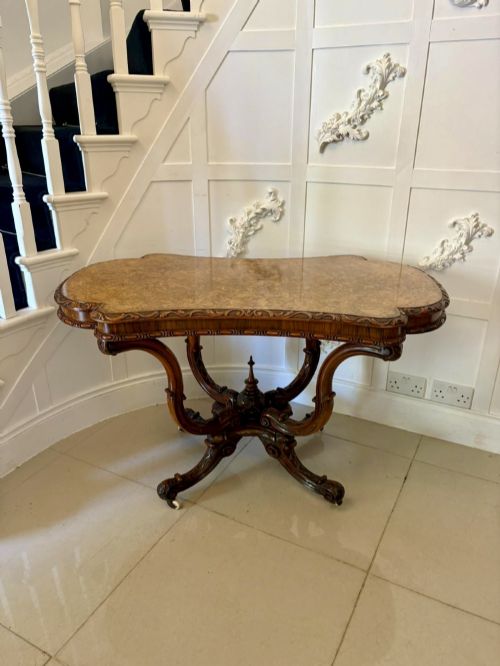
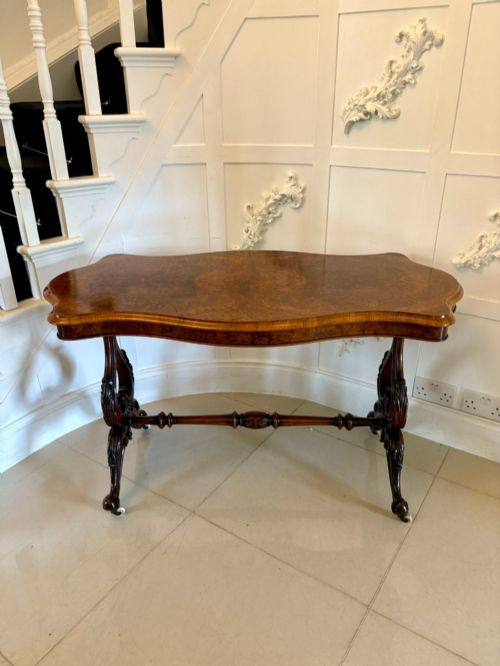
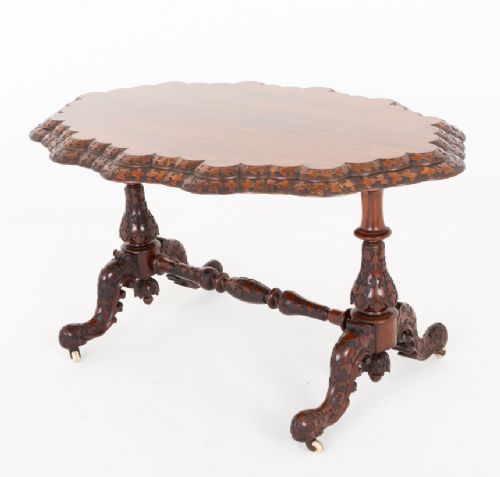
The pieces spanning this category range from formal rosewood and burr walnut centre tables to twin pedestal writing desks and upholstered salon seating suited for period studies and drawing rooms. Regional variations include Irish carved rosewood and pollard oak examples, alongside French Empire pieces with distinct patinas.
How they were made
Cabinet makers utilised dense hardwoods such as mahogany, rosewood, walnut, and pollard oak, often selecting burr veneers and flame mahogany to create richly figured surfaces. Structural elements incorporate brass for castors and mounts, alongside fine leather writing surfaces inset into timber tops.
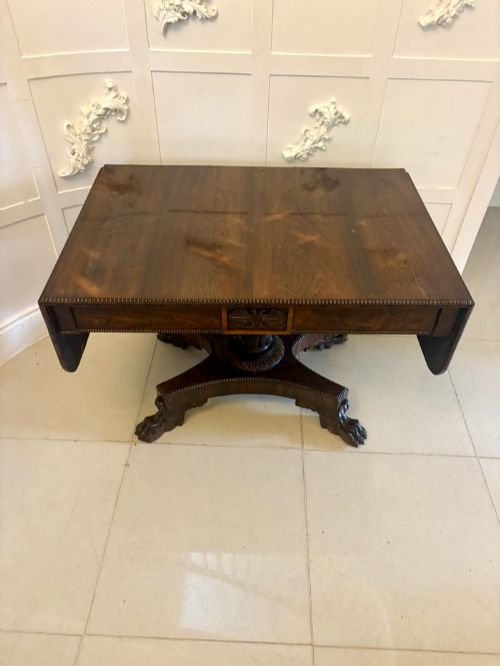
Construction techniques rely on traditional joinery paired with hand-carved details, including lion's paw feet and giltwood accents. Drop-leaf mechanisms, multi-drawer configurations, and freestanding pedestals reflect the functional demands placed on nineteenth-century reading room furniture.
Listings span the nineteenth century, featuring woods like rosewood, mahogany, walnut, oak, and zebrawood.
What varies in quality
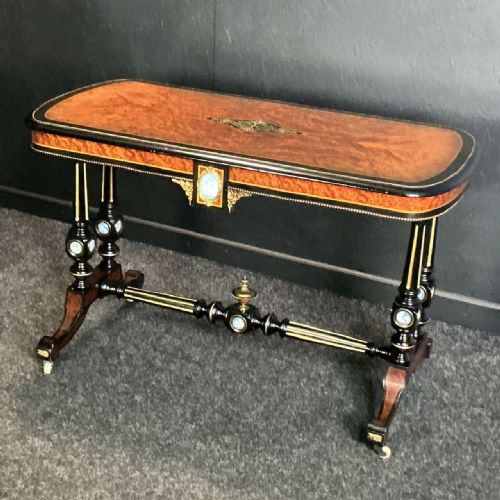
The distinction between standard examples and the finest pieces rests on the choice of timber veneers and the crispness of hand-carved ornamentation. Selected works display superior figuring in burr walnut and flame mahogany, paired with substantial secondary timbers and integrated brass fittings.
Attribution to documented workshops or makers elevates an example, as seen in pieces bearing the hallmarks of Gillows or Williams and Gibton. Structural honesty, original leather inserts, and uncompromised proportions separate workshop masterpieces from later regional interpretations.
Mein of Kelso·Williams and Gibton·Gillows·Jean-Joseph Chapuis
The Antique Library Sofa Glossary
- Sofa table
- A rectangular table featuring drop leaves on either side, originally designed to stand in front of a sofa. These pieces often include frieze drawers and rest on twin pedestals or trestle supports.
- Centre table
- A freestanding table finished on all sides to sit in the middle of a room rather than against a wall. They frequently employ circular or oval tops in rosewood and burr walnut.
- Library table
- A large sturdy table utilised for writing and holding folios, typically fitted with drawers. They appear in mahogany and oak across the Georgian and Victorian periods.
- Freestanding
- Describing a piece finished with equal care on all sides so it does not require placement against a wall. This quality applies to writing desks and centre tables meant to anchor a room.
- Drop-leaf
- A table design featuring hinged flaps that fold down to reduce the footprint or lift up to extend the surface. These are common on nineteenth-century sofa tables.
Antique Library Sofa: Frequently Asked Questions
How do I date a library table?
Dating relies on examining the timber species, construction methods, and hardware such as brass castors. Regency and Georgian examples tend to use lighter mahogany and rosewood, while Victorian pieces often feature heavier burr walnut.
Stylistic markers like lion's paw feet or pillar supports help narrow down the decade of manufacture.
Where should I place a centre table?
A centre table is designed to be viewed from all angles, making it ideal for the middle of a room. They function well in entrance halls or large living spaces as a surface for lamps and books.
Ensure there is adequate clearance around the piece for movement since these tables are finished on every side.
What timber was most popular?
Mahogany and rosewood dominated British furniture production through the Georgian and Regency periods. Cabinet makers also utilised walnut, burr oak, and zebrawood for decorative contrast.
Later Victorian pieces frequently showcase burr walnut veneers and heavy oak structures.