


Antique Leaded Window
An antique leaded window brings historic architectural glass, hand-painted scenes, and traditional lead cames into a modern interior.
Antique Leaded Window
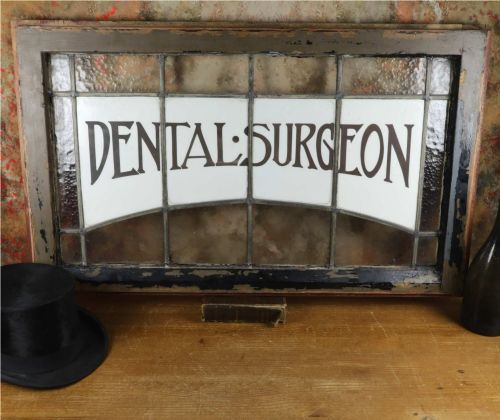
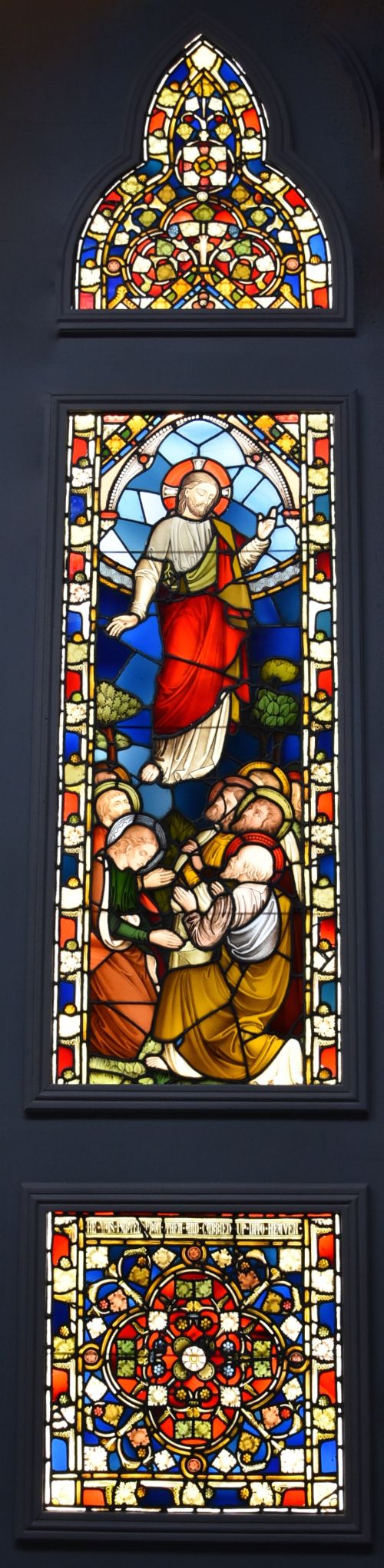
When searching for an antique leaded window, buyers encounter architectural salvage, stained glass panels, and church windows spanning from the mid-nineteenth century through the 1930s. The selection ranges from domestic Edwardian shop panels and countryside scenes to large Victorian church windows with arch tops.
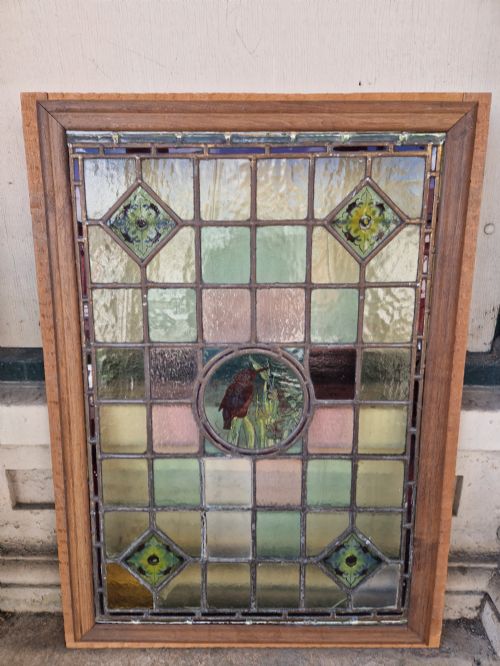
Domestic panels frequently display hand-painted motifs such as birds, flowers, fruit, and literary emblems, often incorporating amber bullseyes and leaded glass. Larger ecclesiastical and triptych formats from the Victorian and Gothic Revival periods utilise architectural glass and heavy timber framing.
The pieces on this page originate primarily from nineteenth and early twentieth-century British craftsmanship, encompassing Arts and Crafts, Art Nouveau, and Art Deco stylistic influences.
Materials and techniques
The construction of these windows relies on cut and painted glass held together by lead cames, framed in wood, timber, or pine. Artisans applied pigments directly to the glass before firing, creating enduring details of countryside scenes, birds, and figures.
Many panels incorporate textured elements like bullseyes and bevelled glass alongside stained and coloured glass sections to catch and refract light.
Antique Leaded Window Retail Price Guide 2026
Typical asking prices for leaded window among the pieces listed under this phrase on Sellingantiques today, from the lower quarter to the upper quarter. They describe what is for sale here now, not the wider market.
Listings feature periods from the 1860s through the 1930s, utilising wood, pine, lead, and stained glass.
Distinctions in quality
Quality in these windows rests on the complexity of the hand-painted artistry and the intricacy of the leadwork design. Detailed pictorial works featuring castles, knights, or specific bird and floral studies show a higher level of artisan skill than repeating geometric panes.
The integrity of the original lead cames and the depth of colour in the stained glass significantly influence the character and visual impact of the piece.
Sir Edward Burne Jones
The Antique Leaded Window Glossary
- Came
- A slender grooved strip of lead used to hold together pieces of stained or clear glass in a window.
- Bullseye
- A small, circular centre piece of blown glass showing a concentric ripple pattern, frequently utilised in decorative leaded panels.
- Architectural Salvage
- Building components and decorative fixtures recovered from older structures for reuse in interior or exterior design.
- Triptych
- A picture or panel composition divided into three distinct sections or panels joined together.
- Gothic Revival
- An architectural and decorative style spanning the nineteenth century that revived medieval Gothic forms.
Antique Leaded Window: Frequently Asked Questions
How do I hang a leaded window?
These heavy architectural pieces require secure structural support rather than standard picture hooks. Install them within a reinforced wooden frame or hang them using substantial chain fixings anchored directly into wall studs.
Positioning the panel in front of a natural light source allows sunlight to pass through the coloured glass and highlighted details.
Can these windows be used outdoors?
Most antique leaded windows were originally built for interior partition walls or protected exterior openings. Older lead cames and timber frames can be vulnerable to sustained weathering and moisture.
Secondary glazing or protective external framing is often recommended if placing historical glass where it faces the elements.
How do I identify the period?
Dating relies on stylistic clues, subject matter, and the framing materials used in the construction. Victorian and Gothic Revival examples favour heavy timber and religious or architectural motifs, whilst Edwardian and later pieces frequently introduce painted flora, birds, or commercial shop designs.
Materials like pine wood frames and specific types of cut glass help narrow down the decade of production.