
Antique Lead Glass
When you search for antique lead glass, you step into a dense world of drinking vessels, decanters, lanterns, and architectural panels forged from heavy, light-catching material across centuries of British and European design.
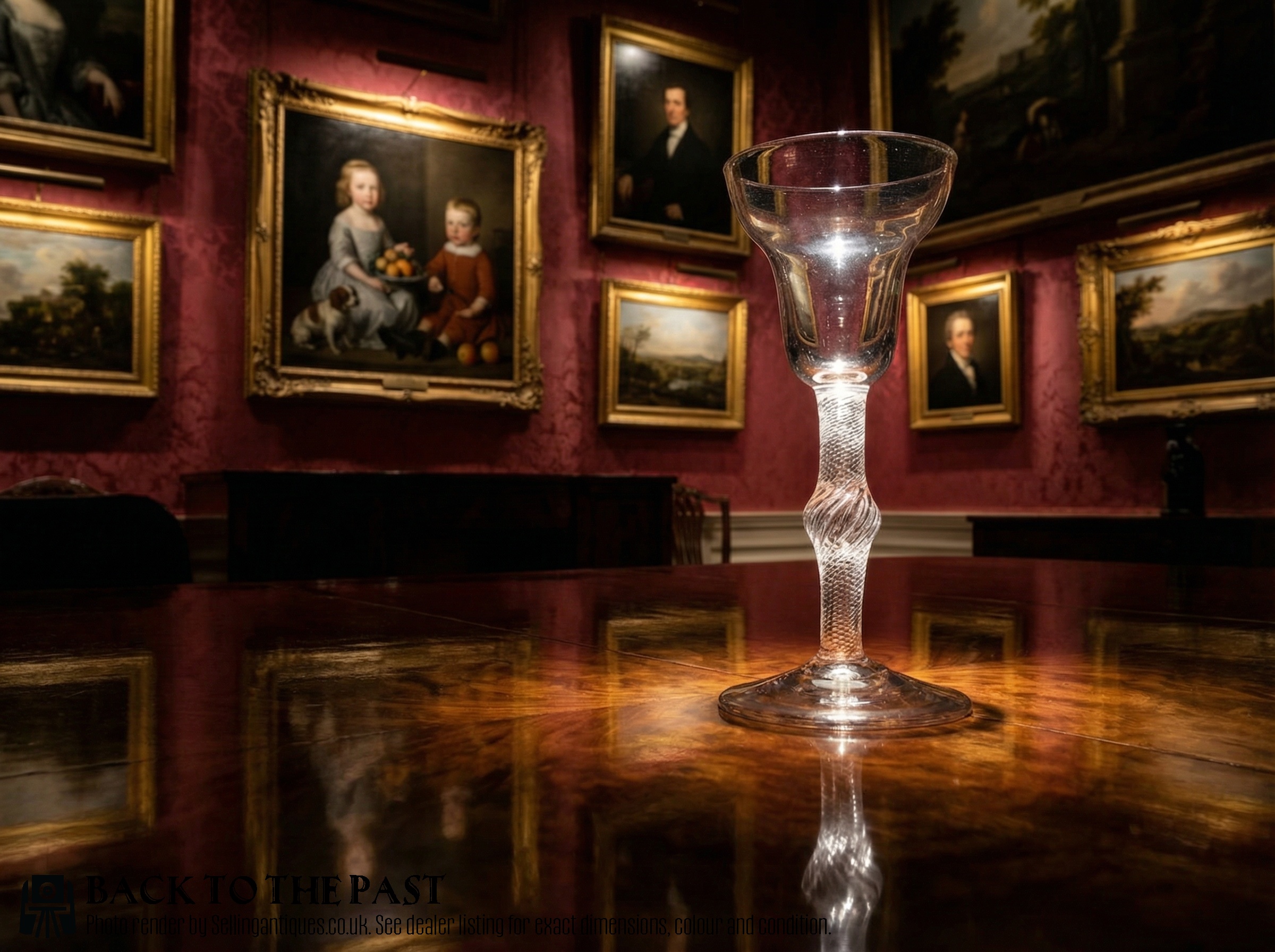
Antique Lead Glass
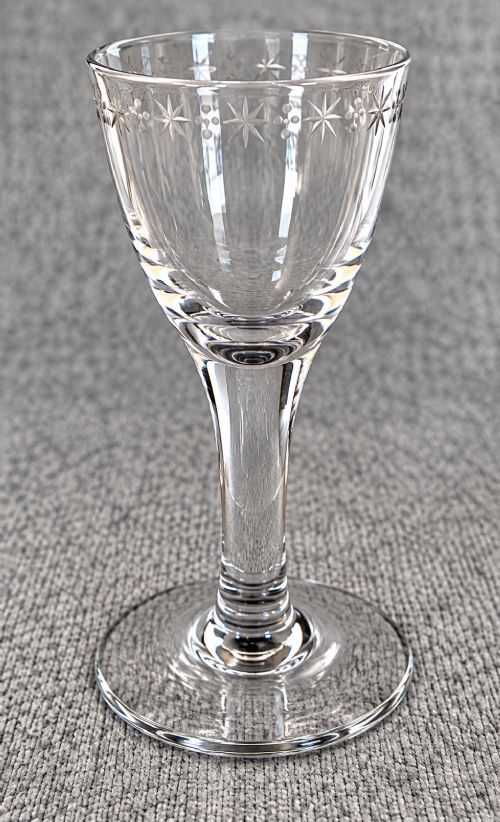
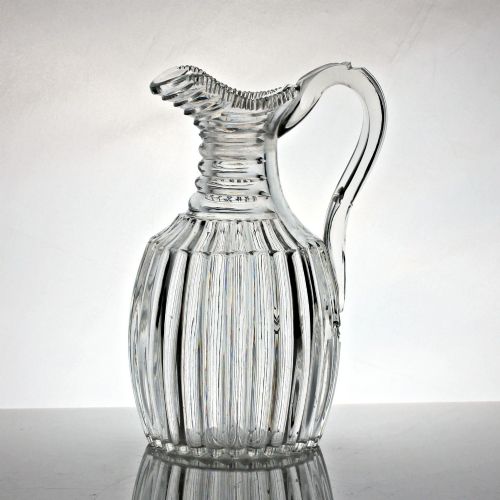
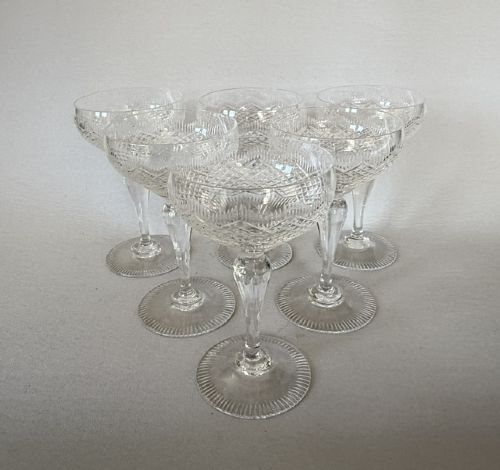
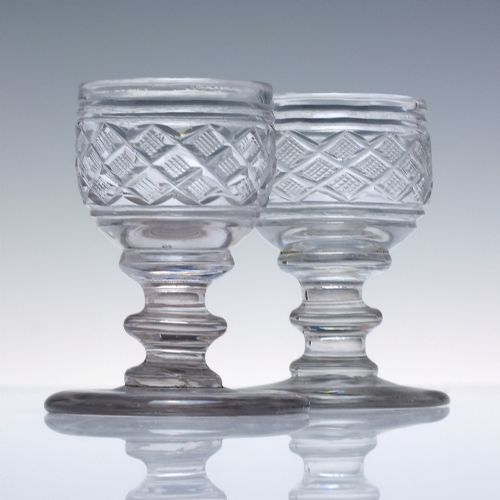
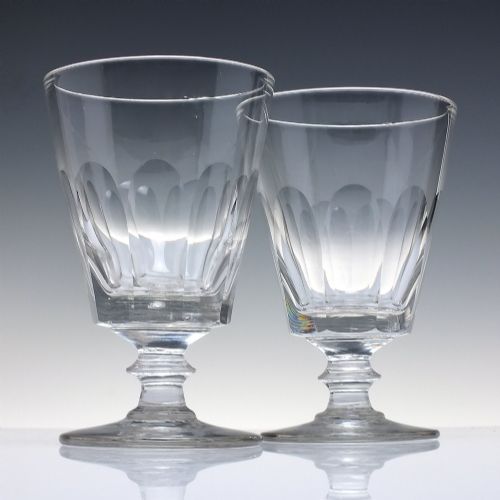
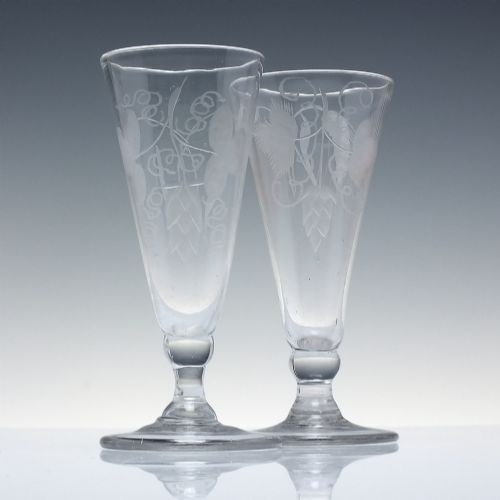
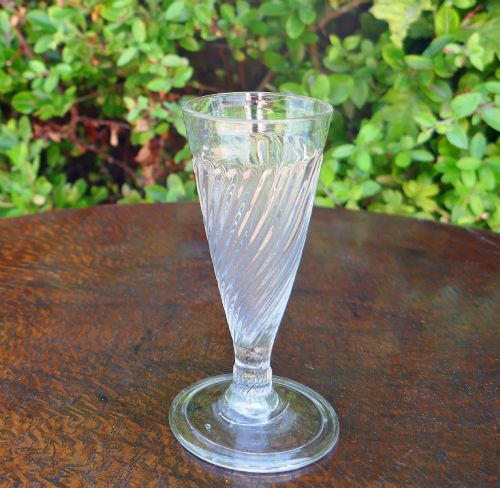
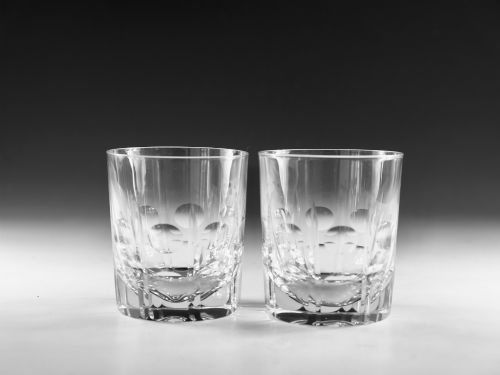
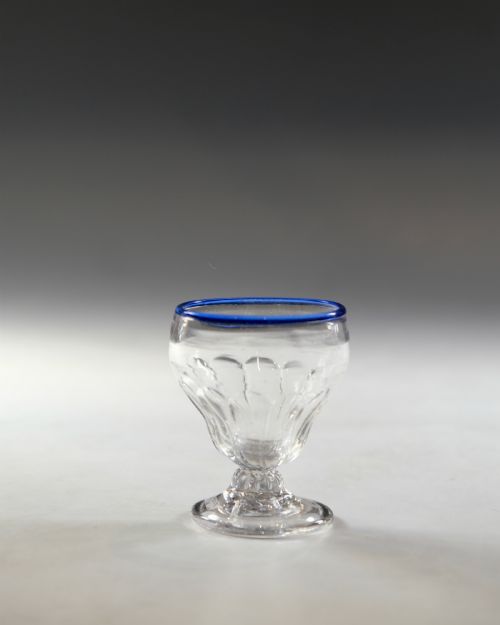
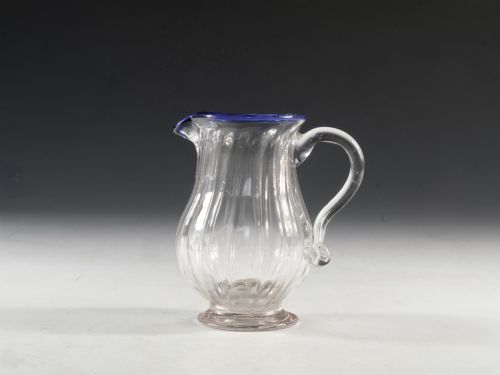
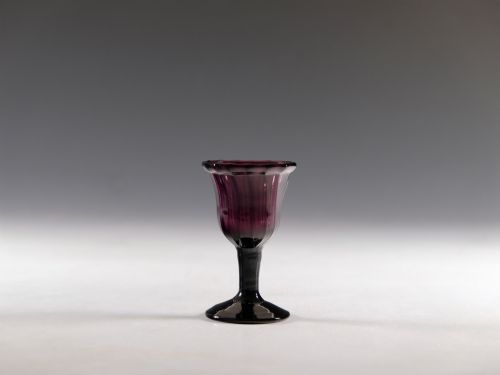
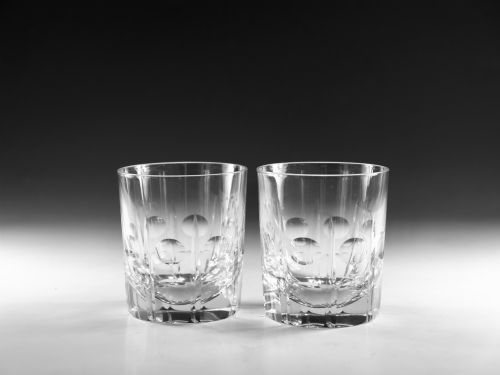
The phrase antique lead glass covers two distinct physical categories: free-blown and cut drinking vessels from the eighteenth and nineteenth centuries, and architectural leaded windows, doors, and cabinet panels from the Victorian and Edwardian eras. Drinking glasses, decanters, rummers, and jelly glasses dominate the tablewares, while stained glass panels and glazed bookcases represent the architectural side.
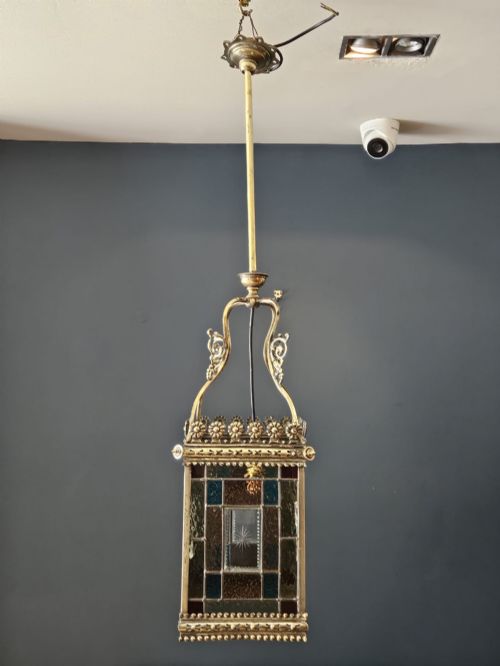
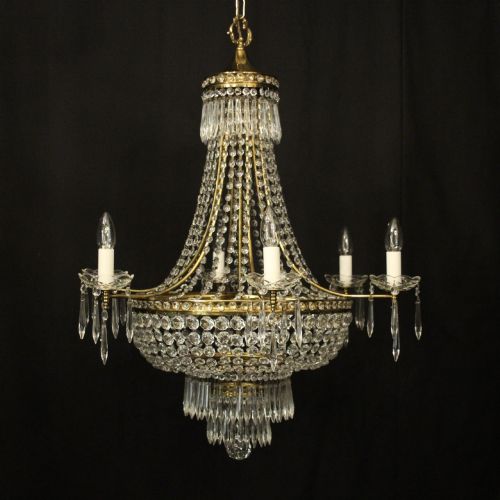
Tablewares span from modest eighteenth-century tavern glasses and balustroid wine goblets to heavy Regency and Victorian decanters and water jugs. Architectural pieces include Victorian hall lanterns, brass-framed lanterns, and Edwardian oak bookcases fitted with geometric or pictorial leaded panes.
Materials and technique
Makers utilised high-density formulations known as flint glass or lead crystal, which incorporated metallic oxides to increase refractive index, weight, and acoustic resonance. Artisans shaped these molten batches through free-blowing, mould-blowing, and manipulation with tools while hot.
Secondary ornamentation relied on wheel-cutting, engraving, acid-etching, and enamelling for tablewares, while architectural panels joined cut glass segments together using channelled lead cames soldered at the joints.
Antique Lead Glass Retail Price Guide 2026
Typical asking prices for lead glass among the pieces listed under this phrase on Sellingantiques today, from the lower quarter to the upper quarter. They describe what is for sale here now, not the wider market.
Judging quality in lead glass
The clarity and weight of the metal itself establish the foundational merit of a piece, with high lead content producing superior brilliance and depth of refraction. Heavy metal walls, crisp wheel-cut facets, and stable, well-balanced proportions separate finer tablewares from utilitarian items.
In architectural and cabinet leadwork, the tightness of the soldered lead cames, the structural rigidity of the frame, and the complexity of painted or stained details govern the overall execution.
The Antique Lead Glass Glossary
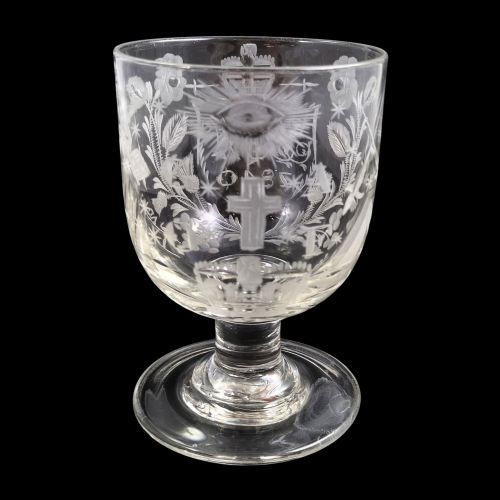
- Rummer
- A heavy drinking glass with a capacious bowl on a short stem and sturdy foot, popular for beer, ale, and wine during the Georgian and Victorian eras.
- Balustroid
- A stem form intermediate between a true baluster and a plain stem, featuring swelling profiles reminiscent of architectural balusters.
- Came
- A slender strip of cast lead with an H-section profile used to hold together individual panes of glass in windows and doors.
- Tazza
- An ornate shallow cup or goblet mounted on a pedestal foot, used for serving sweetmeats or desserts in the eighteenth century.
Antique Lead Glass: Frequently Asked Questions
What is the difference between lead glass and crystal?
Historically, the terms overlap heavily, as lead glass functions as the chemical descriptor for glass containing significant lead oxide, while crystal denotes high clarity and brilliance. Eighteenth-century British flint glass inherently relied on lead to achieve its trademark optical weight and ring.
Over subsequent generations, commercial standards formalised the distinction based on density and refractive index. On the market, tablewares and decanters described as lead crystal share the same material family as earlier flint glass vessels.
How do I date an 18th-century wine glass?
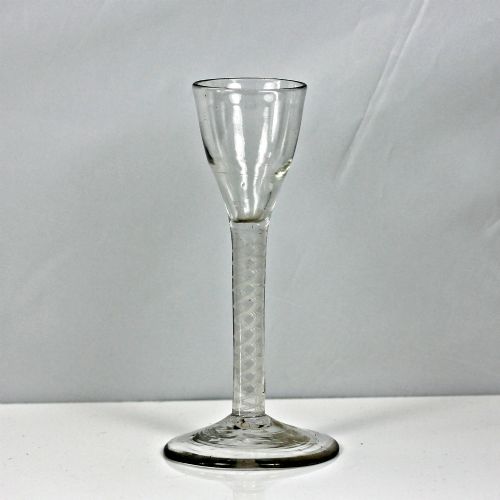
Dating relies on observing the stem formation, bowl shape, and foot construction. Eighteenth-century pieces often feature air bubbles in the metal, folded feet for rim strength, or specific internal elements like opaque twists and air twists.
Plain stems, baluster profiles, and engraved pan-top or trumpet bowls provide further chronological markers. Hand-finished pontil scars on the underside of the base confirm traditional manufacturing methods prior to nineteenth-century machine grinding.
How were leaded glass windows made?
Artisans first drew a full-scale cartoon of the design and cut individual pieces of clear, tinted, or painted glass to fit the specified template using a diamond or steel wheel. They then assembled the mosaic by slotting each piece into flexible lead cames.
Once the composition was fully mapped, workers soldered every intersecting lead joint on both sides to lock the matrix together. Cement was subsequently brushed underneath the lead flanges to waterproof the panel and provide structural rigidity.
Can I use antique drinking glasses daily?
Historic drinking vessels tolerate gentle handling and careful hand washing in warm water, provided thermal shock is strictly avoided. Historic lead glass is softer than modern commercial glass and susceptible to scratching from cutlery or abrasive sponges.
Storing pieces securely away from vibrations protects fragile stems, air twists, and delicate engraved bowls. Many collectors enjoy using Georgian rummers and tumblers for occasional toasts, treating them with the respect due to fragile antiques.