


Antique Lattice Fruit Bowls
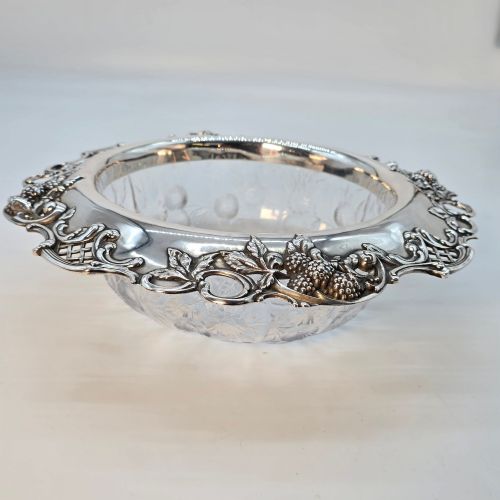
Antique lattice fruit bowls are pierced vessels of silver, porcelain and earthenware designed for serving fruit, and collectors value their intricate openwork craftsmanship.
Antique Lattice Fruit Bowls
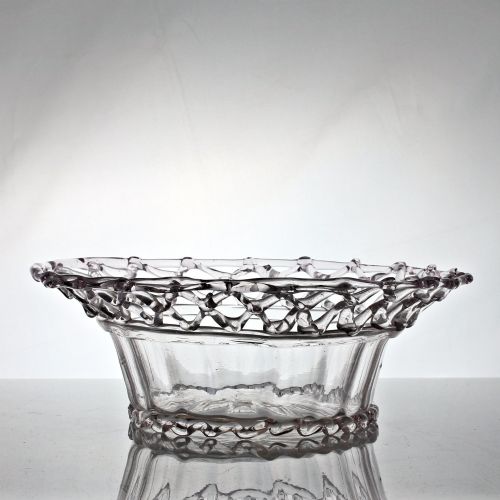
Antique lattice fruit bowls encompass openwork earthenware, porcelain and sterling silver vessels designed for serving fruit. These pieces appear across the eighteenth and nineteenth centuries, alongside Edwardian and interwar examples.
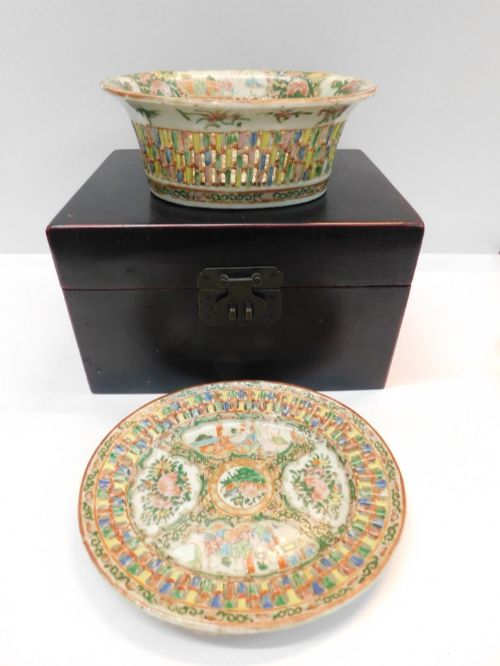
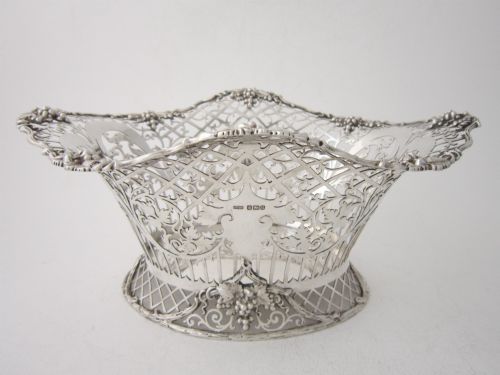
Buyers frequently encounter nineteenth-century silver baskets and ceramic chestnut baskets with pierced details. The selection spans English, Chinese, German and Belgian origins.
How they were made
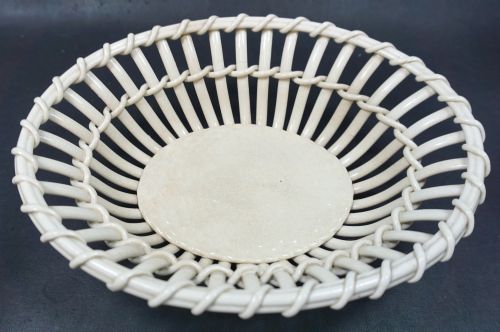
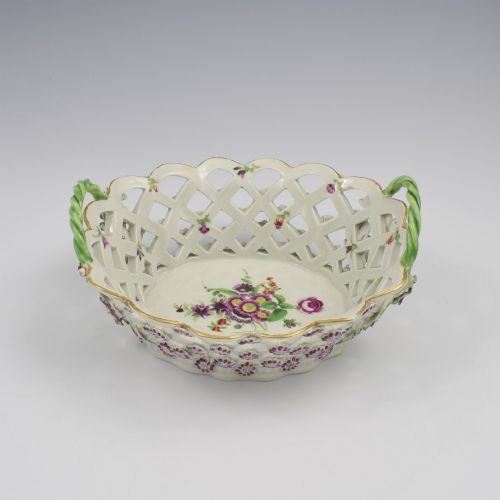
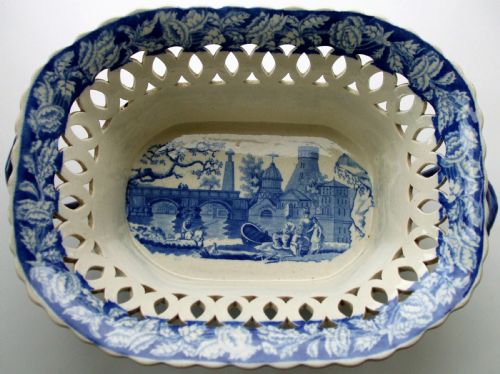
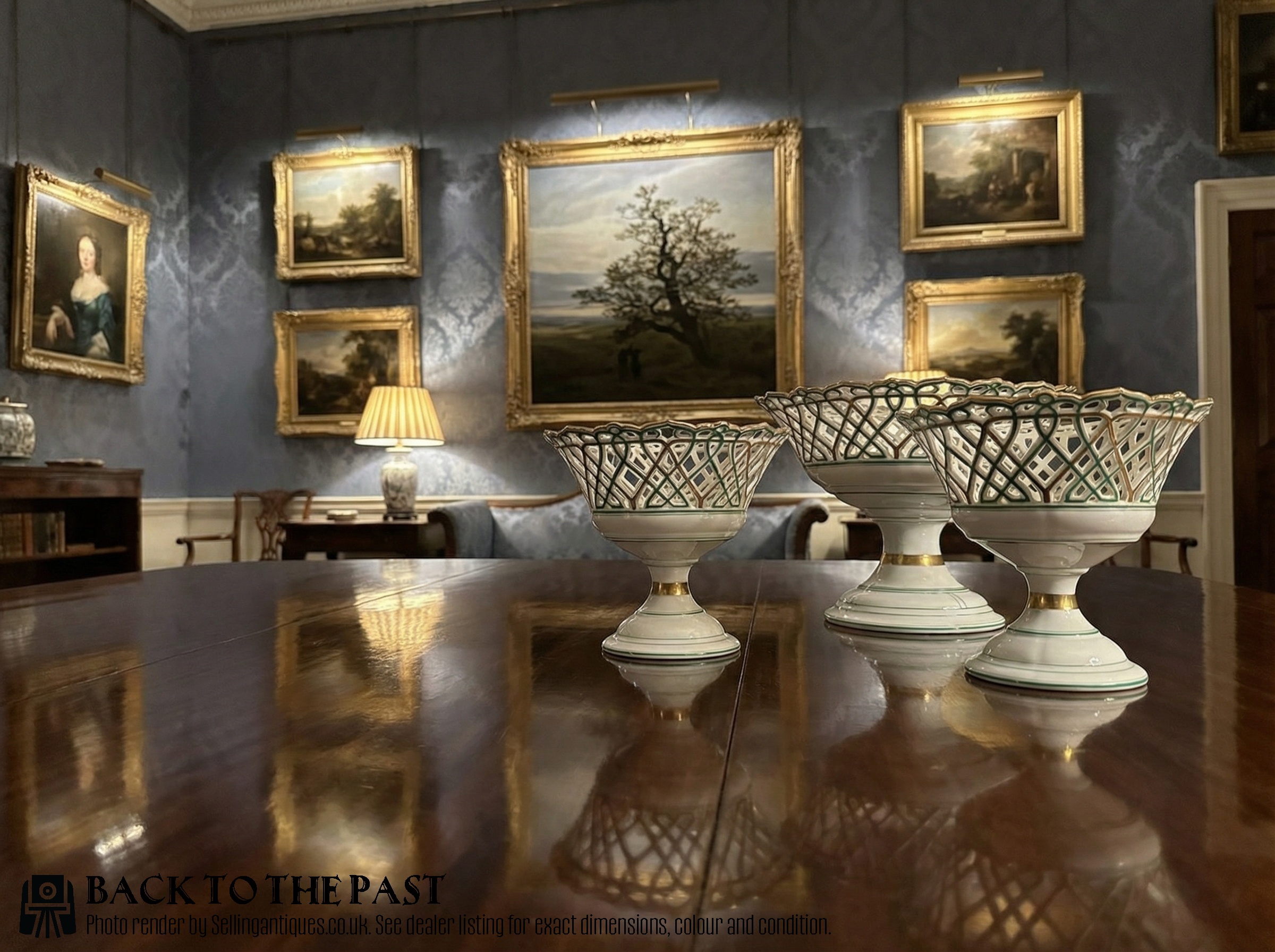
Ceramic pieces utilise porcelain, earthenware and cream ware, decorated with enamel, polychrome painting or transfer printing. Pierced reticulation on porcelain and pottery required precise cutting before firing.
Musical putti figures cavort on porcelain centrepieces, bringing a cheerful eighteenth-century ballroom theatricality straight to the dining table.
What varies in quality
Quality rests upon the crispness of the piercing and the delicacy of the lattice work, whether executed in silver or ceramic. Hand-painted polychrome enamels and transfer prints on porcelain demonstrate distinct levels of artistic control.
Substantial weight in silver centrepieces and the inclusion of original stands or crystal liners elevate the standing of a piece. Maker attribution and well-preserved gilt details further distinguish superior examples.
Wedgwood·Dr Wall Worcester·J. & R. Clews·Joseph Rodgers·Plaue Schierholz·William Comyns·Walker & Hall
The Antique Lattice Fruit Bowls Glossary
- Lattice
- Openwork ornamentation formed by crossing strips of material to create a regular grid pattern. This decorative technique appears across both metalwork and ceramics.
- Reticulated
- Net-like or pierced decoration achieved by cutting away portions of the body before firing or smithing. It defines the characteristic openwork of many chestnut baskets.
- Chestnut basket
- A specialised vessel with a lid and stand, traditionally used for serving chestnuts at the table. These often feature pierced bodies and matching stands.
- Centrepiece
- A large decorative bowl or basket placed in the middle of a dining table for fruit or floral displays. They frequently incorporate footed bases or pedestal supports.
- Cream ware
- A refined earthenware developed in England during the eighteenth century, characterised by its pale yellowish cream glaze. Wedgwood is particularly noted for this ceramic body.
Antique Lattice Fruit Bowls: Frequently Asked Questions
How were these bowls used?
These vessels served as functional table pieces for presenting fruit, chestnuts or sweetmeats during formal dining. Centrepieces occupied the middle of the table as decorative focal points.
Baskets with stands often held specific foods or functioned as decorative containers. Their openwork lattice allowed air circulation for fresh produce.
How do I care for silver lattice bowls?
Sterling silver bowls require gentle cleaning with appropriate silver polish to maintain their finish without damaging delicate pierced areas. Avoid abrasive cloths that might catch on the openwork.
Store them in stable environments away from excessive moisture to prevent tarnishing. Handle them carefully by the solid sections rather than the fragile lattice.
How do I identify porcelain periods?
Porcelain periods are identified through paste composition, glaze characteristics and painted decoration styles such as polychrome enamels or transfer printing. Eighteenth-century pieces often show distinct ceramic bodies compared to later Victorian or Edwardian wares.
Maker marks, where present, help pinpoint the origin and date of manufacture. Stylistic cues like Rococo Revival moulding offer further chronological context.