





Antique Lady Sculpture
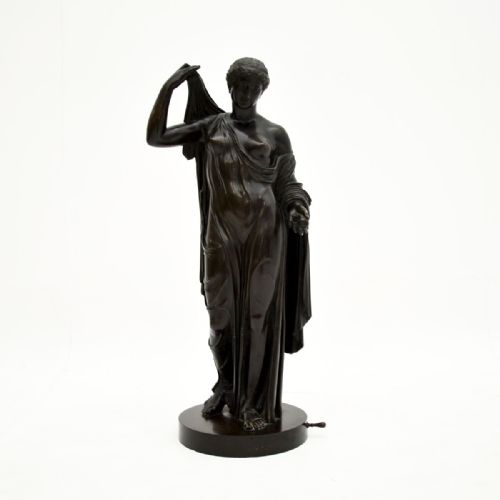
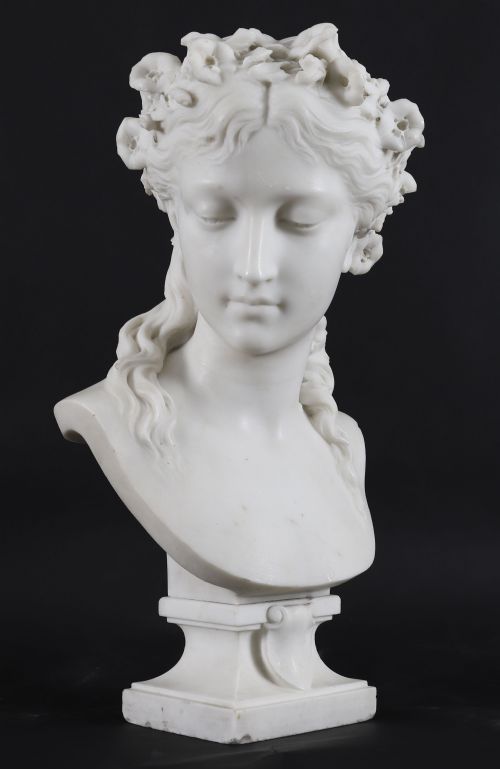
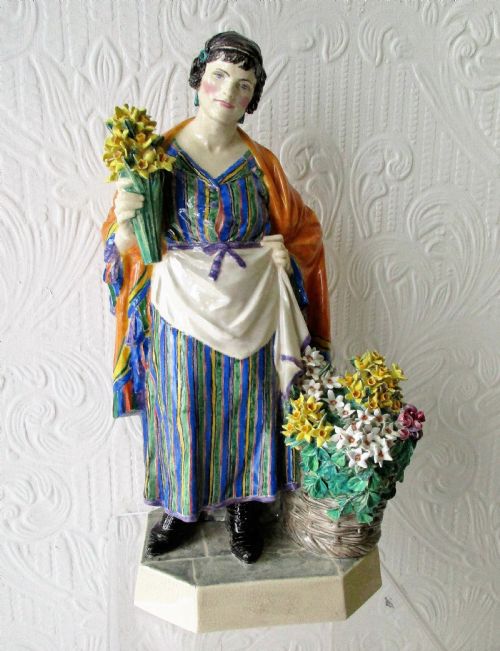
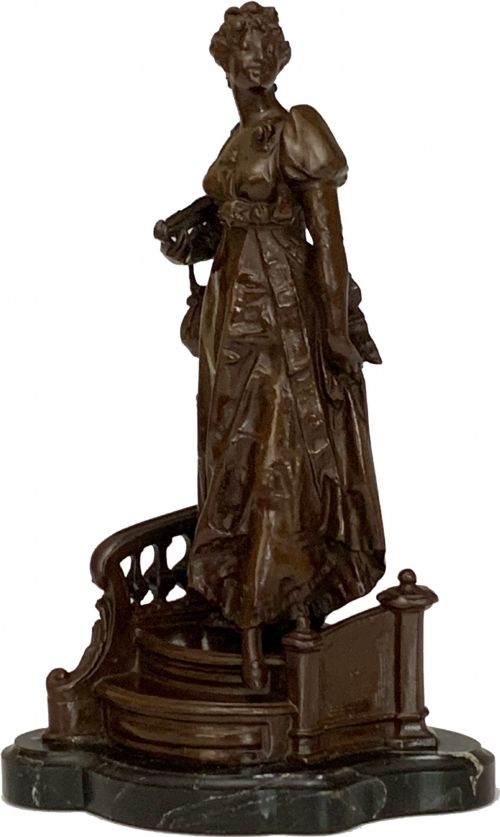
An antique lady sculpture brings the grace of past centuries into a room through carved marble, cast bronze, and painted porcelain.
Antique Lady Sculpture
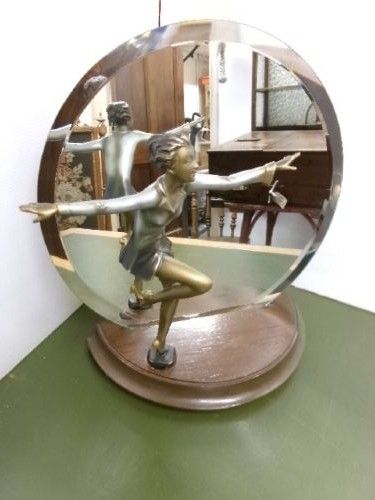
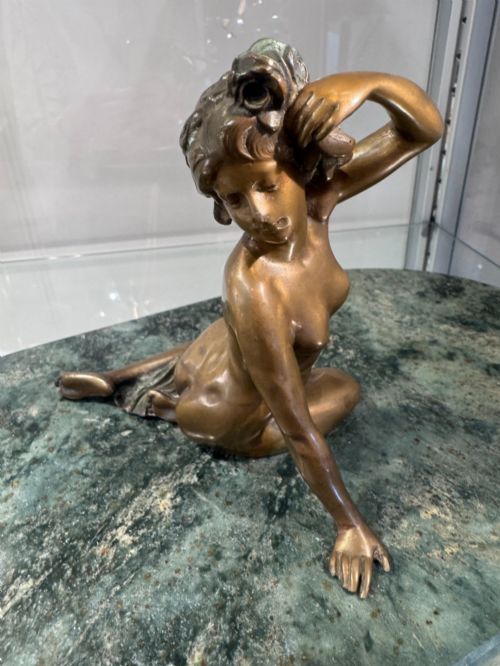
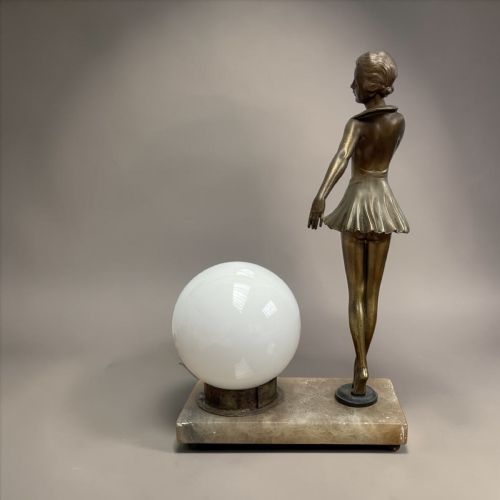
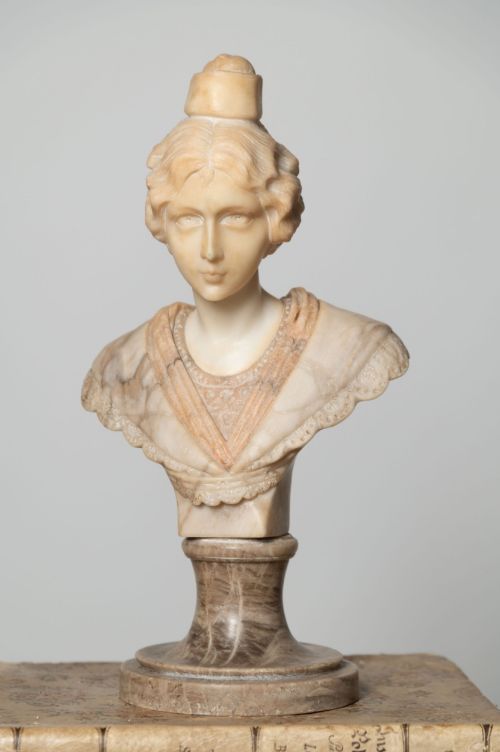
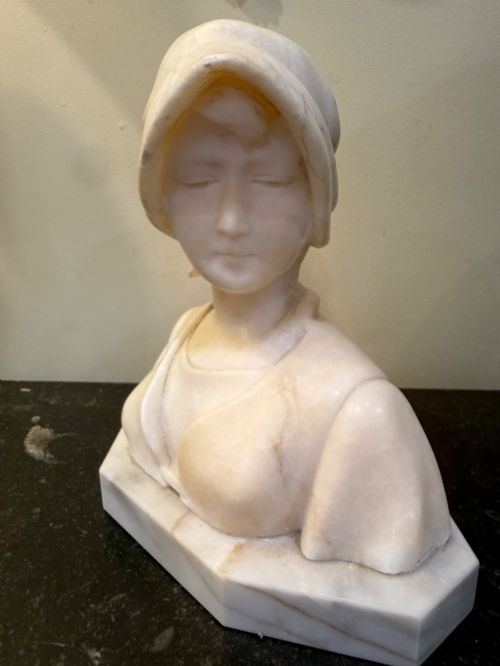
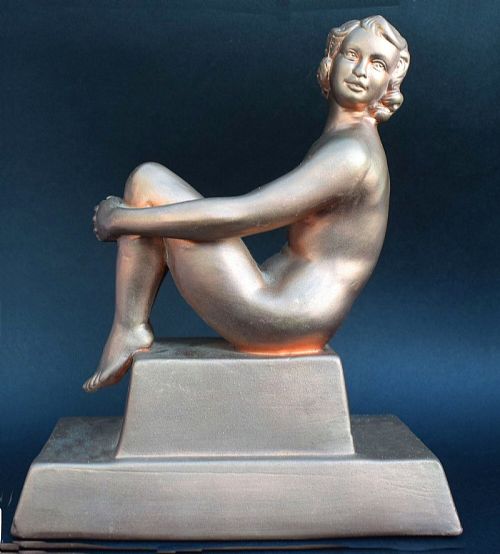
An antique lady sculpture captures the female form across diverse periods, spanning from seventeenth-century wood carvings to twentieth-century figures. When searching for this phrase, buyers encounter everything from classical marble busts to glazed ceramic maidens and functional table lamps.
The pieces appearing most frequently originate from the late nineteenth and early twentieth centuries, drawing heavily on Art Nouveau, Art Deco, and Victorian aesthetics. These sculptures take many forms, including dancers, robed figures, seated maidens, and detailed portrait busts.
Materials and construction methods
Foundry-cast bronze and spelter frequently form the structure of metal figures, sometimes enhanced with cold-painted pigments or ivory combinations known as chryselephantine. Sculptors also carved directly into Carrara marble, alabaster, boxwood, and applewood to achieve smooth drapery and detailed facial expressions.
Ceramic and porcelain works rely on moulded clay bodies finished with enamel glazes or parian surfaces, often produced by prominent European factories. Stone and plaster serve in larger statues and architectural fragments, bringing texture and weight to garden and interior settings alike.
Evaluating craftsmanship
The distinction between standard works and exceptional pieces lies in the crispness of the chisel work, the fluidity of the casting, and the nuance of the hand-painted details. Superior bronzes and marbles reveal delicate rendering in the hands, hair, and folds of fabric without relying on heavy surface concealment.
Mastery of proportion and the expressiveness of the subject set the finest figurines and busts apart from mass-produced commercial castings. Original patination, maker signatures, and intact multi-media elements further elevate the standing of an individual sculpture.
Eugene Aizelin·Charles Vyse·Georges Van Der Straeten·Bergman Vienna·Josef Lorenzl·Sylvain Kinsburger·Eurotrope Bouret·Demetre Chiparus·Jennings Brothers·Maurice Bouval·Geo Maxim·Samson
The Antique Lady Sculpture Glossary
- Chryselephantine
- A sculpture combining bronze with ivory or bone for the flesh tones. This technique gained immense popularity during the Art Deco period.
- Spelter
- A zinc alloy used as a less expensive alternative to bronze. It was frequently painted to simulate bronze or finished with metallic patinas.
- Parian ware
- A fine-grained unglazed porcelain resembling white marble. Victorian potteries utilised this material extensively for classical figures.
- Caryatid
- A sculpted female figure serving as an architectural support. These structural elements often appear on antique furniture and fireplace surrounds.
- Cold-painted
- Pigment applied to metal surfaces without heat-firing. This delicate finish is typical of Austrian cabinet bronzes.
Antique Lady Sculpture: Frequently Asked Questions
How do I clean an antique marble bust?
Dust the surface regularly with a soft, dry microfibre cloth to prevent particulate accumulation. Avoid using water, detergents, or chemical solvents, as these substances penetrate porous marble and cause permanent staining.
For stubborn marks, consult a professional conservator rather than attempting home remedies. Harsh cleaning agents strip away historical patination and ruin the polished finish.
What is the difference between bronze and spelter?
Bronze is a robust copper alloy that develops a rich, stable patina over centuries and withstands handling well. Spelter is a softer zinc alloy that feels lighter and shows wear more readily under surface finishes.
Examining the underside or patinated areas reveals the base metal beneath. Spelter often exhibits a greyish or brittle fracture where paint has chipped away.
How can I date an art deco sculpture?
Art Deco figures typically display stylised geometric lines, aerodynamic clothing, and materials such as bakelite, chrome, and painted spelter. Signatures etched directly into the base often correspond to known Parisian salon artists from the interwar years.
Clothing styles, hairstyles, and foundry stamps provide additional chronological clues. Comparing the casting quality to documented examples helps confirm the production decade.
Where should I display a heavy stone statue?
Heavy marble or stone sculptures require sturdy, level furniture or reinforced plinths capable of supporting significant weight without tipping. Positioning pieces away from direct sunlight protects painted details and vulnerable patinas from fading.
Interior humidity levels should remain relatively stable to prevent stress on mixed-media components like wooden bases or ivory insertions. Securing tall pieces guards against accidental knocks in busy rooms.