





Antique Ladies Compact
These antique ladies compact items span delicate pocket powder cases and compact writing desks intended for personal correspondence and grooming.
Antique Ladies Compact
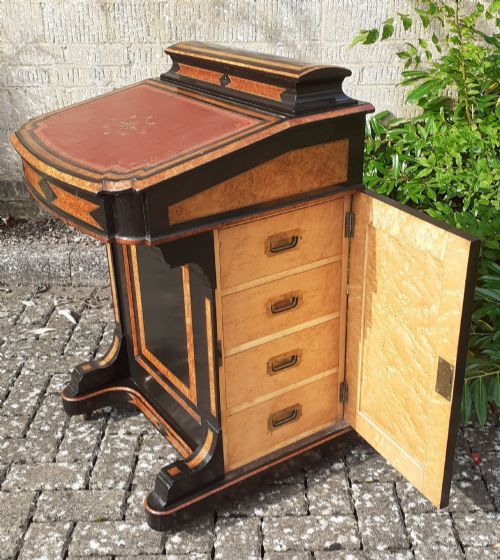
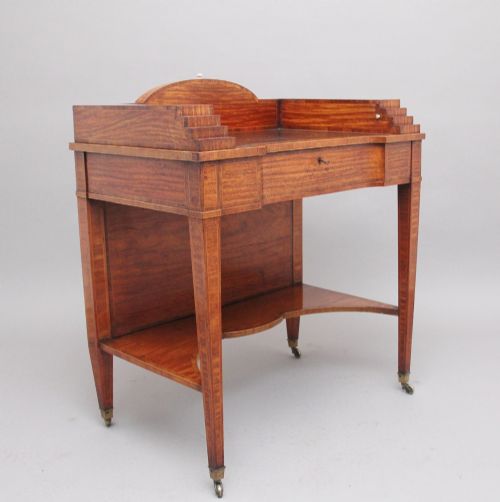
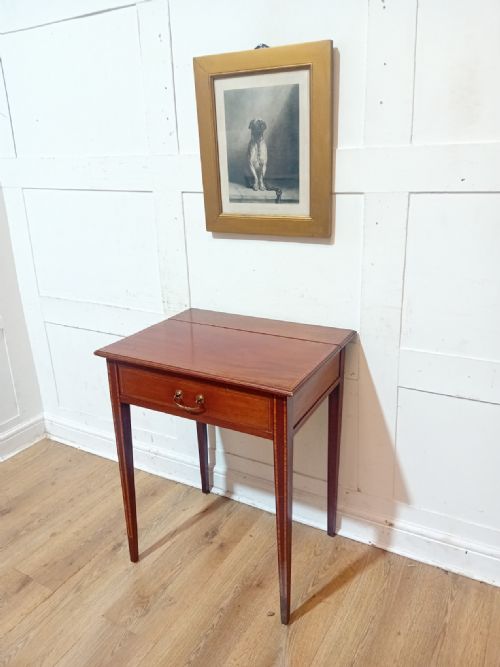
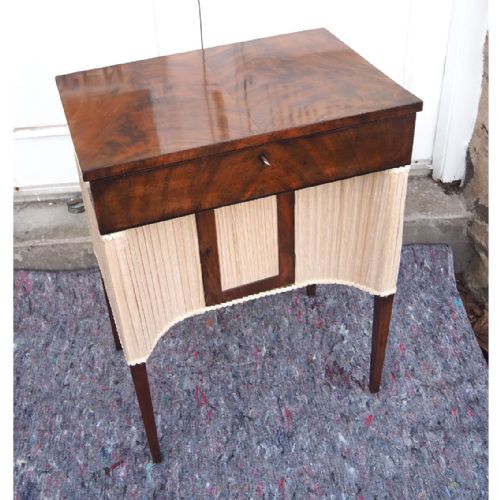
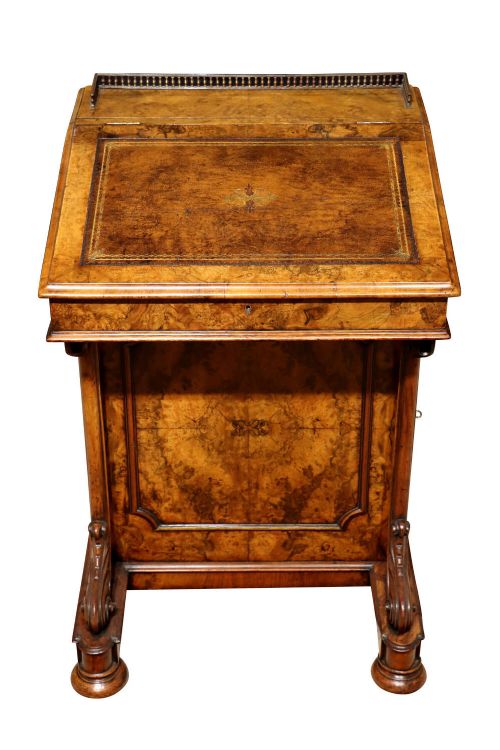
When you search for antique ladies compact, you encounter a dual grouping of items: portable dressing accessories and small writing furniture intended for personal use. The furniture pieces include compact writing desks, Davenport desks, and bureau forms designed with reduced footprints for boudoirs and private chambers. Alongside these, personal pocket items such as powder compacts, vanity cases, and clutch compacts represent the portable side of personal grooming.
The evidence shows these objects arriving from various periods, stretching from the Regency era through the Victorian epoch and Edwardian years into the Art Deco period of the 1930s. Furniture examples typically utilise rich timbers like burr walnut, mahogany, and satinwood, often featuring marquetry or inlay work. Portable compacts from later decades bring metal, chrome, and brightly coloured enamel into the selection.
Writing furniture forms dominate the larger items, with Davenport desks and small writing tables appearing frequently among the listings. These desks often incorporate clever mechanisms, internal satinwood compartments, and lift actions. Meanwhile, the smaller portable items introduce handheld vanity accessories carrying the aesthetic hallmarks of twentieth-century design.
Materials and construction
Cabinetmakers constructed the wooden desks using structural carcases of mahogany, oak, or walnut, applied with decorative veneers such as burr walnut and flame mahogany. Marquetry inlay and contrasting satinwood interiors demonstrate the intricate detailing applied to private writing furniture. These techniques required precise hand-fitting of drawers, stationery compartments, and sloping writing lids.
Twentieth-century portable pieces turn to industrial materials like chrome and brass, paired with vibrant enamel finishes to create durable, pocket-sized containers. Metal stamping, hinge-fitting, and enamel application define the manufacturing methods for Art Deco vanity accessories and powder cases.
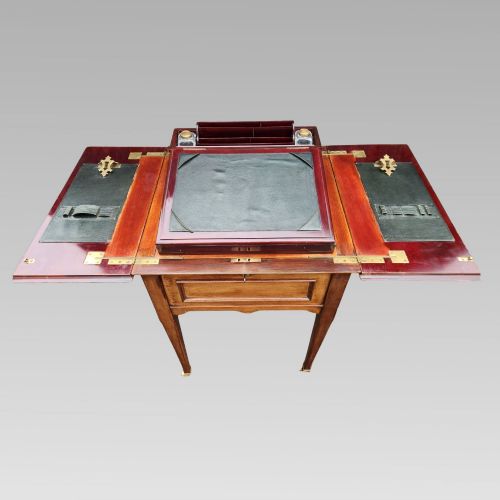
Some Edwardian writing tables hide pop-up mechanisms and clever folding actions, ensuring secret stationery compartments remain entirely out of sight.
Distinguishing quality
Superior quality in the furniture pieces is visible in the selection of timber figure, such as richly patterned burr walnut or deep flame mahogany veneers. The crispness of inlaid marquetry work and the complexity of internal writing compartments also separate standard items from finer examples. In portable powder compacts, the preservation of the enamel surface and the mechanical precision of the closure mechanisms indicate higher grade manufacture.
Proportion and execution dictate distinction across both furniture and pocket items. Desks that maintain harmonious proportions alongside functional pop-up actions or integrated rear screens reflect careful design ambition. Similarly, signed portable items show a deliberate attention to branded detail that elevates them above anonymous counterparts.
Richard Hudnut·Gillows
The Antique Ladies Compact Glossary
- Davenport
- A small pedestal desk featuring a sloping writing lid with drawers opening to the side. This form gained popularity during the nineteenth century for use in private rooms.
- Bonheur du jour
- A light ladies writing desk carrying a small set of drawers or shelves upon the top surface. Originating in France, it serves primarily for brief correspondence.
- Marquetry
- The art of forming decorative patterns using fitted pieces of wood veneer on a furniture surface. Craftsmen select contrasting timbers to build floral or geometric motifs.
- Enamel
- A glassy substance melted onto a metal surface to provide a smooth, coloured protective layer. It appears frequently on twentieth-century vanity items and pocket compacts.
- Dressing table
- A low table equipped with drawers and a mirror, dedicated to personal grooming and cosmetics. Versions in the evidence utilise woods like flame mahogany.
Antique Ladies Compact: Frequently Asked Questions
What is a Davenport desk?
A Davenport is a compact pedestal desk featuring a sloping, leather-lined writing surface that often lifts to reveal storage compartments. Side drawers typically pull out for stationery, while stationery wells sit atop the back.
Cabinetmakers designed these pieces for boudoirs and small writing rooms where floor space was limited. Their enclosed structure provided a private space for personal correspondence.
How do I date an Art Deco compact?
Art Deco compacts from the listings usually date to the nineteen-thirties, featuring chrome, brass, and colourful enamel finishes. Geometric patterns and distinct styling help identify this interwar period.
Signatures from makers like Richard Hudnut provide further chronological markers for these pocket accessories. Their materials reflect the industrial shifts of the era away from traditional silver and gold.
What is a bonheur du jour?
A bonheur du jour is a light, elegant writing desk featuring a small superstructure of shelves or miniature drawers above the main writing surface. Originating in the eighteenth century, these tables remained popular through later revival periods.
They were intended for casual correspondence rather than heavy administrative work. Their delicate proportions make them suitable for placement in reception rooms and bedrooms.
How were burr walnut veneers applied?
Burr walnut veneers consist of thin slices taken from the knotty growths of walnut trees, displaying intricate, swirling grain patterns. Cabinetmakers glued these decorative slices onto stable carcases of secondary timber.
This technique allowed makers to achieve highly decorative surfaces across desks and bureaus without relying entirely on solid luxury woods. The quality of the grain pattern often denotes the prestige of the piece.