


Antique Compact Pendant
An antique compact pendant is a portable mirror or powder case designed to be worn around the neck, combining practical vanity with striking metalwork.
Antique Compact Pendant
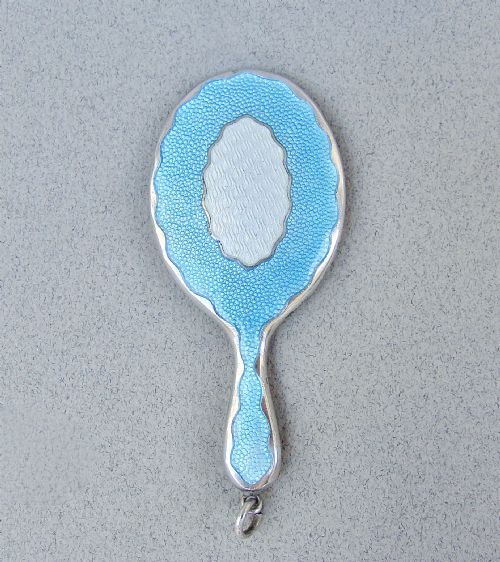
When you search for an antique compact pendant, you are examining miniature containers and purse mirrors designed for personal grooming, dating from the Edwardian era through to the Art Deco period. These pieces bridge the gap between jewellery and functional accessories, intended to hang from a chain or cord for easy access. The listings here show a heavy concentration of silver and enamel items from the nineteen-teens and nineteen-twenties.
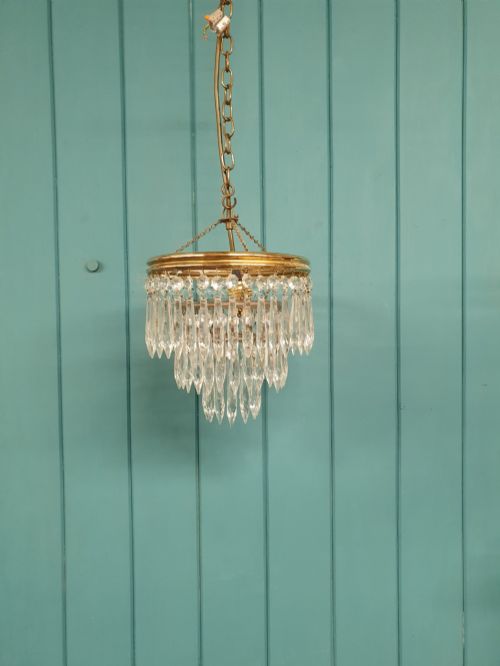
The forms span from small round compacts to miniature purse mirrors, often accompanied by makers' marks from Birmingham silversmiths. Alongside these personal items, the broader evidence on this page includes early twentieth-century chandeliers in styles ranging from French Chateau to George V. Buyers focused strictly on the pendant form will find that silver and guilloche enamel pieces dominate the selection.
The dating of these compacts generally centres on the nineteen-tens, nineteen-twenties, and nineteen-thirty, reflecting the peak of portable cosmetic accessories. Art Deco geometric motifs and Edwardian elegance dictate the visual language of the group. Each piece demonstrates how personal items shifted toward refined, decorative designs during the early decades of the twentieth century.
How they were made
Makers constructed these compact pendants primarily using sterling silver and brass as the foundational metals. Enamel work, particularly guilloche enamel, provides the colourful patterned surface seen on the front of many pieces, applied over engine-turned metal bases. Chrome and glass also appear in select designs from the nineteen-thirty period.
Silversmiths utilised traditional stamping, engine-turning, and enamelling techniques to produce intricate geometric patterns and smooth coloured surfaces. The application of vitreous enamel requires precise firing to bond the glass powder to the silver substrate without cracking. Hinges and catches are integrated into the metal frames to secure the interior mirror and powder well.
Listings show materials including sterling silver, brass, glass, crystal, and vitreous enamel across compact pendants and chandeliers.
What varies in quality
The standard of execution in the guilloche enamel separates everyday items from superior examples. Crisp engine-turned engraving beneath translucent enamel creates depth and light play that flat, opaque surfaces lack. The clarity and preservation of this enamel surface dictate the overall desirability of the piece.
The crispness of the Birmingham hallmarks and the maker's stamp indicate the origin and accountability of the metalwork. Substantial gauge silver provides a reassuring weight in the hand compared to thinner, more pliable metal shells. Clean mechanical action in the hinge and clasp ensures the compact functions securely as a pendant.
Henry Williamson·Henry Matthews·Henry Perkins and Sons
The Antique Compact Pendant Glossary
- Guilloche enamel
- A decorative technique where a precise geometric pattern is mechanically engraved into metal and covered with translucent enamel. This lets light reflect through the colour to create a repeating patterned effect.
- Sterling silver
- An alloy of silver containing ninety-two point five percent silver and seven point five percent other metals, usually copper. This standard composition is verified by official assay office hallmarks.
- Hallmark
- A set of official marks stamped on precious metals in the United Kingdom to certify the purity of the metal, the maker, and the year of assay. Birmingham output is frequently identified by the anchor symbol.
- Edwardian
- Pertaining to the reign of King Edward VII, spanning from nineteen-one to nineteen-ten, though the aesthetic often extends slightly beyond. Jewellery and accessories from this time favour light, delicate frames and graceful lines.
- Art Deco
- The dominant design style of the nineteen-twenties and nineteen-thirties characterised by sleek geometric shapes, streamlined forms, and vibrant colour contrasts. This aesthetic heavily influences the compacts from that decade.
Antique Compact Pendant: Frequently Asked Questions
What is an antique compact pendant?
An antique compact pendant is a small, wearable container or mirror designed to be suspended from a chain around the neck. They served as both functional accessories for touch-ups and decorative items of personal jewellery.
Most examples date from the early twentieth century, combining sterling silver cases with colourful enamel finishes. They reflect the fashion of the period for accessible, portable luxury items.
How do I wear a compact pendant?
These pieces require a sturdy chain or ribbon threaded through the integral loop or suspension ring at the top of the frame. Because many contain glass mirrors or powder compartments, the suspension point must remain secure.
Wearers typically pair them with period-appropriate chains that match the metal tone of the pendant, such as sterling silver or white metal. Care should be taken to protect the enamel surface from rubbing against clothing or other jewellery.
How do I identify a Birmingham hallmark?
Birmingham hallmarks on silver items generally feature an anchor symbol indicating the assay office, alongside a letter denoting the specific year of testing. Maker's initials appear next to these marks to identify the workshop.
Examining the inside rim or the reverse of the compact with a magnifying glass usually reveals these stamped details. They provide a reliable method for dating the piece and confirming its metal purity.
What is guilloche enamel?
Guilloche enamel involves machine-engraving a precise pattern into a metal disc before applying a translucent coloured glass coating. The engraved pattern shows through the enamel, creating a shimmering, textured appearance.
This technique was widely used on compacts, cigarette cases, and vanity items during the Edwardian and Art Deco periods. The quality depends on the precision of the underlying engraving and the evenness of the enamel layer.
How should I clean my compact pendant?
Cleaning requires a soft, dry cloth to remove dust and skin oils from the metal and glass surfaces without scratching the enamel. Harsh silver dips or abrasive polishes can damage vulnerable enamel work and vintage mirror silvering.
Professional silver cleaner should be used sparingly and kept away from the enamel edges to preserve the integrity of the piece. Store the pendant in a dry lined box when not on display.