




Antique Lacquer Platter
An antique lacquer platter is a wonderfully tactile serving piece that brings historic craftsmanship straight to the modern table.
Antique Lacquer Platter
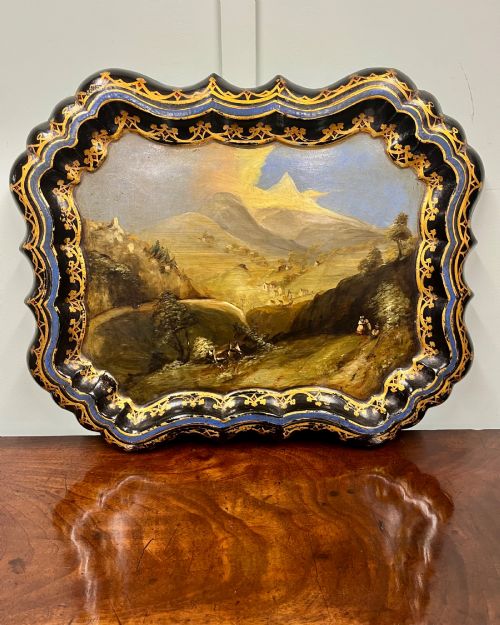
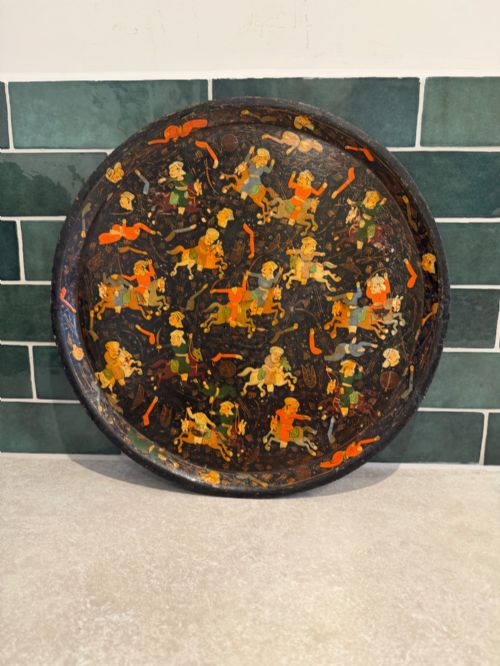
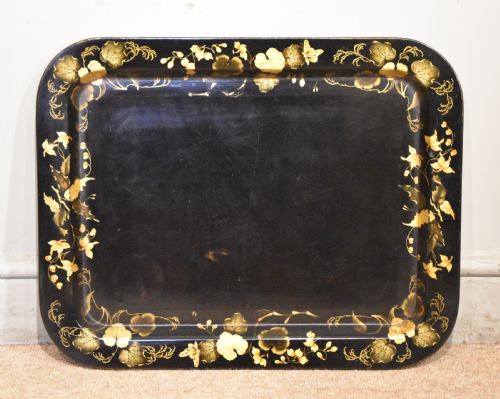
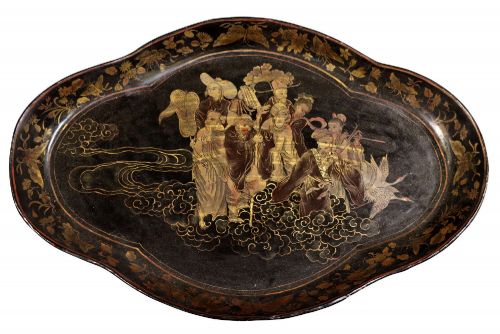
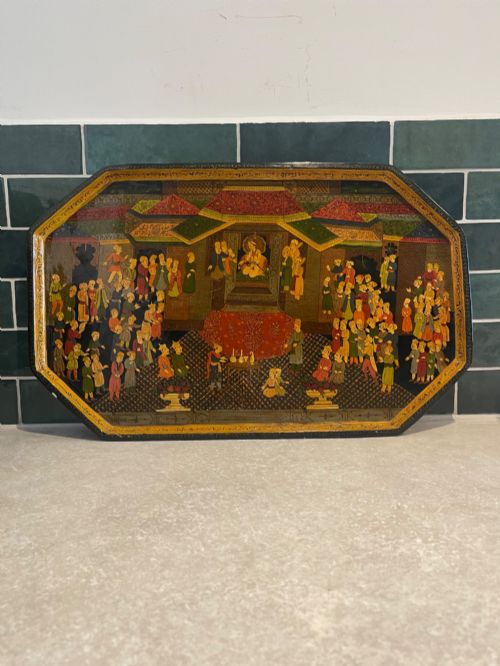
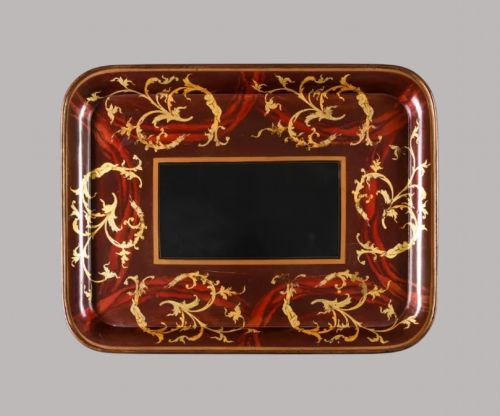
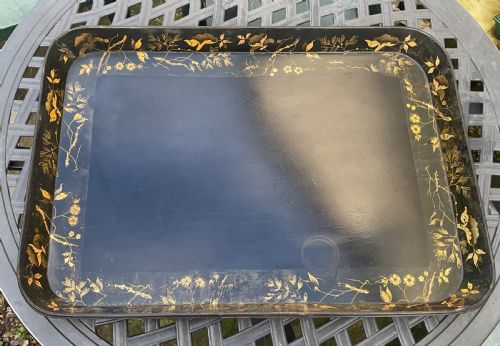
When searching for an antique lacquer platter, you encounter a fascinating array of serving trays, decorative plaques, and chargers originating from various global traditions. The examples available span multiple distinct periods, including the Georgian era, the Regency period, and the nineteenth century, reflecting diverse geographic origins from England and France to China, Japan, and Kashmir.
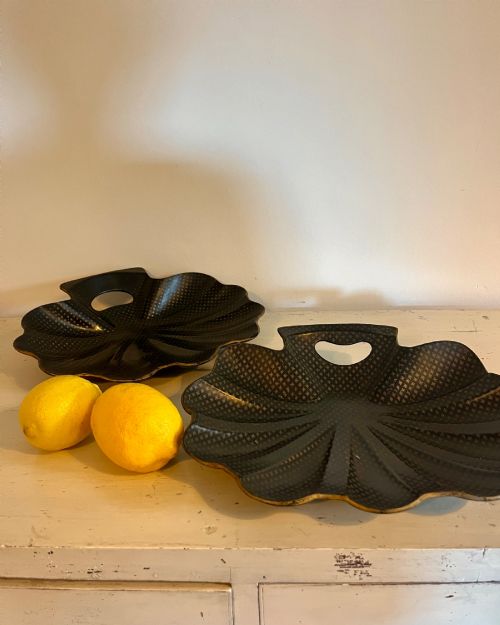
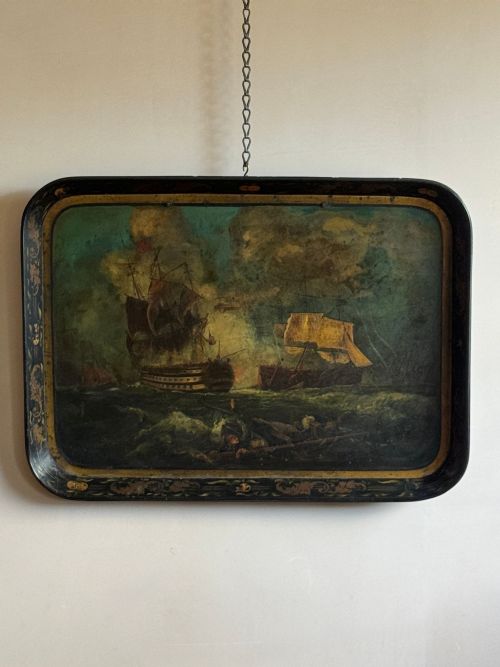
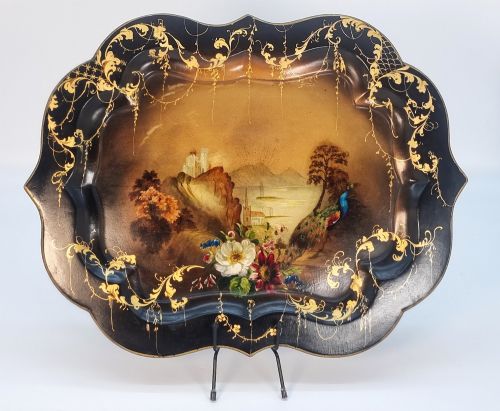
The dominant forms you are most likely to meet on this page are papier-mâché and wood platters, often shaped in generous ovals, kidney curves, or classic rectangles. These items served functional roles in historic households for serving and display, yet they survive today primarily as decorative objects of substantial visual presence.
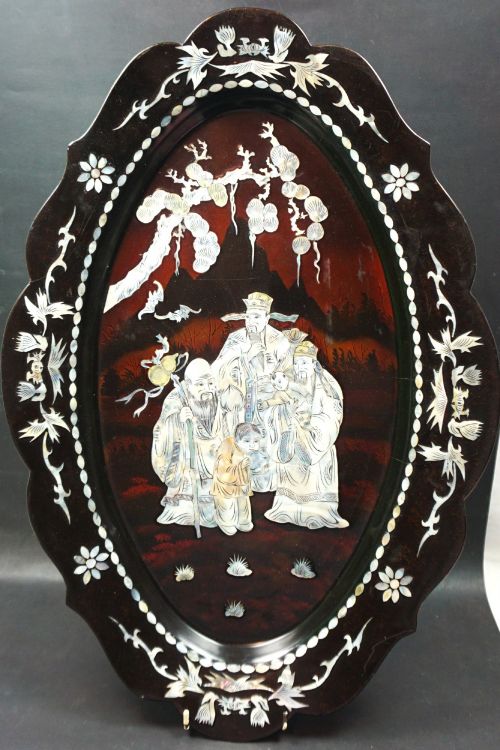
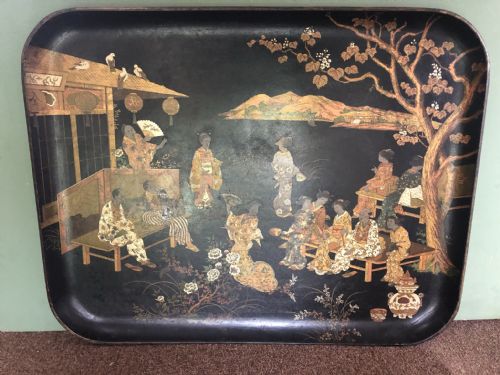
The stylistic influences across these pieces vary widely, encompassing Chinoiserie, Japanese Meiji designs, French Napoleon III taste, and Kashmiri patterns. Each piece carries the distinct cultural aesthetic of its workshop, whether through European interpretations of eastern motifs or authentic Asian export wares.
Materials and construction methods
The foundation of many British and European pieces relies on papier-mâché, a durable composite material built from layered paper pulp and binders that provided a smooth, stable surface for painting and lacquering. Artisans also utilised solid wood for larger platters, shaping timber to support heavy decorative schemes.
Surface decoration frequently incorporates traditional lacquer layered with meticulous paintwork, gold leaf gilding, and mother of pearl inlay. Skilled makers applied these finishes sequentially to achieve deep, reflective lustres and intricate pictorial scenes depicting landscapes, hunting subjects, and figures.
Antique Lacquer Platter Retail Price Guide 2026
Typical asking prices for lacquer platter among the pieces listed under this phrase on Sellingantiques today, from the lower quarter to the upper quarter. They describe what is for sale here now, not the wider market.
Listings feature papier-mâché and wood constructions from the Georgian era through the nineteenth century, including Japanese export and Kashmiri wares.
Distinguishing quality and execution
Quality in these platters rests upon the precision of the base construction and the skill evident in the painted or inlaid decoration. Pieces exhibiting crisp, well-preserved original surface art and integrated gilding demonstrate superior atelier execution.
The sophistication of the pictorial subject matter and the depth of the lacquer finish separate standard utility items from masterwork presentation pieces. Attention to detail in border ornamentation and the stability of the underlying papier-mâché or wood body further define the upper tier of the range.
Jennens and Bettridge·Clay
The Antique Lacquer Platter Glossary
- Papier-mâché
- A composite material formed from paper pulp or layers of paper mixed with glue and resin, pressed into moulds and dried to create a sturdy, lightweight base for lacquering. This material allowed makers to fashion smooth, curved serving trays that resisted warping.
- Chinoiserie
- European artistic style and decoration imitating Chinese and East Asian artistic traditions, popular during the eighteenth and nineteenth centuries. Artisans applied whimsical landscape and figural motifs to lacquer platters and furniture.
- Japanned
- European work imitating Japanese and Chinese lacquer finishes, typically achieved by applying successive coats of dark varnish and hand-painting metallic details. This technique produced a glossy, hard-wearing surface on wooden or papier-mâché items.
- Toleware
- Painted or enamelled metalware, usually tinplate, manufactured in various decorative forms including serving trays and chargers. The technique involves stoving layers of enamel paint onto metal bases.
- Totai
- A Japanese technique combining porcelain or pottery cores with applied cloisonné enamel or lacquer work. Such pieces merge ceramic strength with intricate surface decoration.
- Charger
- A large ornamental plate or platter primarily utilised for decorative display or grand serving purposes rather than daily dining. These pieces often feature elaborate pictorial scenes or rich inlays.
Antique Lacquer Platter: Frequently Asked Questions
How were antique lacquer platters used originally?
These platters served primarily in wealthy households for carrying drinks, food, or tea within formal drawing rooms and dining spaces. Large chargers and plaques were equally displayed on sideboards or walls to showcase status and artistic taste.
Over time, their roles shifted as domestic habits changed, turning functional serving equipment into cherished decorative centerpieces for period interiors.
Are papier-mâché platters fragile?
Papier-mâché is surprisingly robust because the layered paper and binder mixture dries into a rigid, resilient material. However, the surface lacquer and delicate painted decoration remain sensitive to excessive moisture and heat.
Careful handling ensures these historic items survive safely, requiring only soft dusting and avoidance of direct water contact or abrasive cleaning agents.
How do you tell English papier-mâché from Japanese export lacquer?
English pieces from makers like Jennens and Bettridge typically feature structured European Regency or Victorian silhouettes, often with gilded borders framing pastoral or hunting scenes. Japanese export items generally display distinct Meiji period motifs, native flora, and traditional Asian iconography.
The underlying material composition and specific lacquer techniques also offer clear clues to a piece's precise geographic workshop origin.
How should I display an antique lacquer platter?
Displaying these pieces safely involves using sturdy plate stands designed to support the weight of wood or papier-mâché bodies without straining the edges. Placing them away from direct sunlight protects the delicate painted pigments and gold leaf gilding from fading.
Grouping platters with contrasting shapes, such as pairing an oval tray with a rectangular plaque, creates a balanced historical display.