
Antique Lacquer Furniture
Antique lacquer furniture brings rich Oriental motifs and deep gloss finishes into a room, offering both bold colour and practical storage.
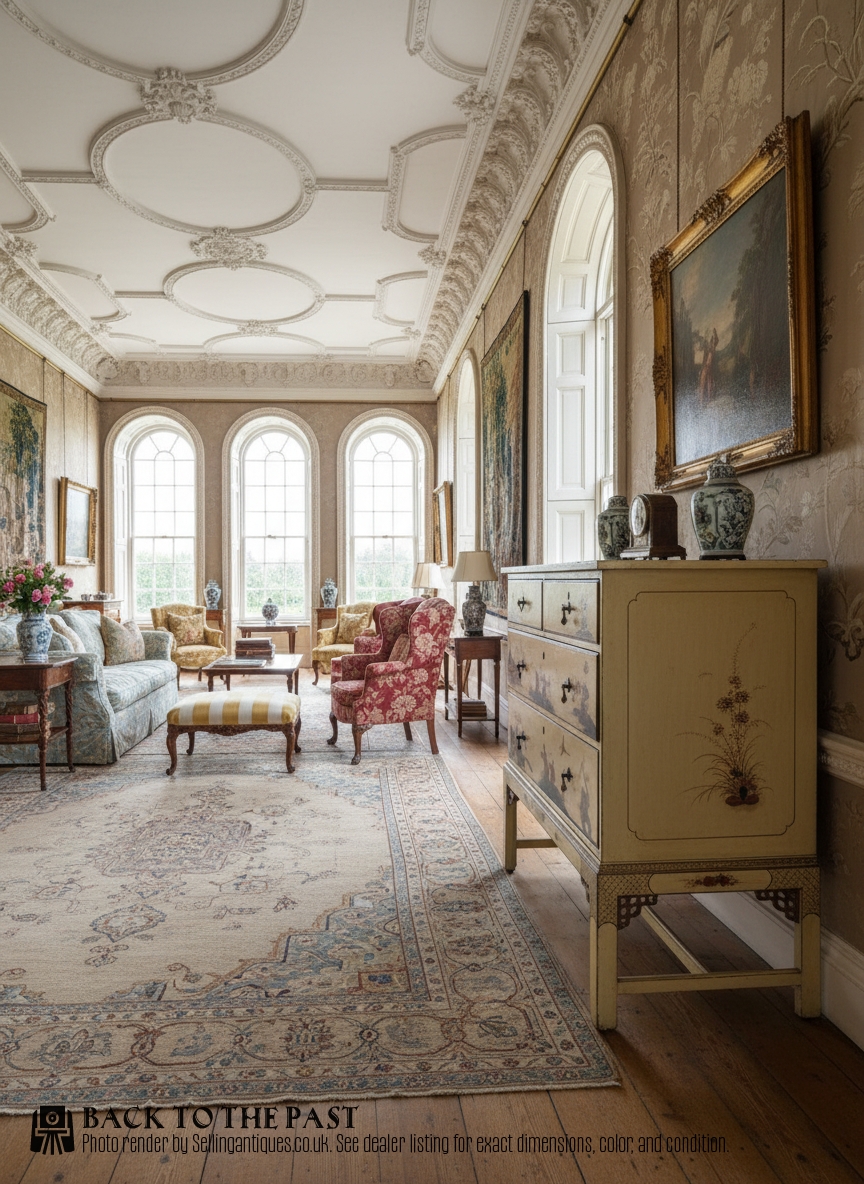
Antique Lacquer Furniture
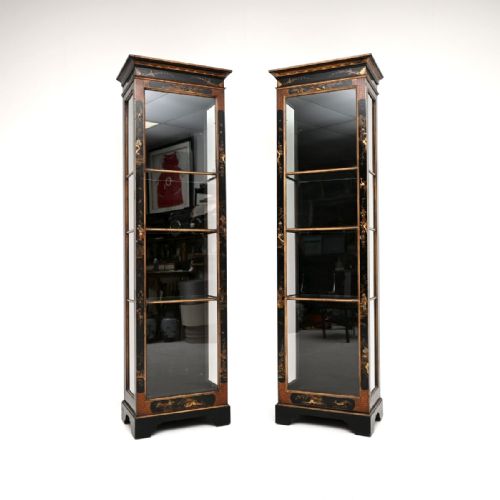
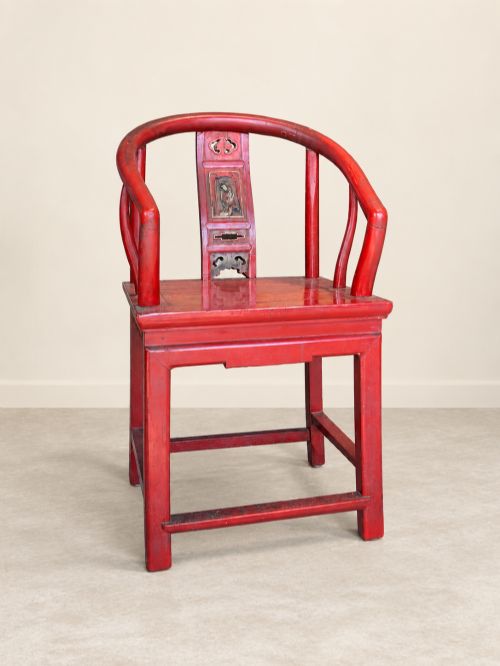
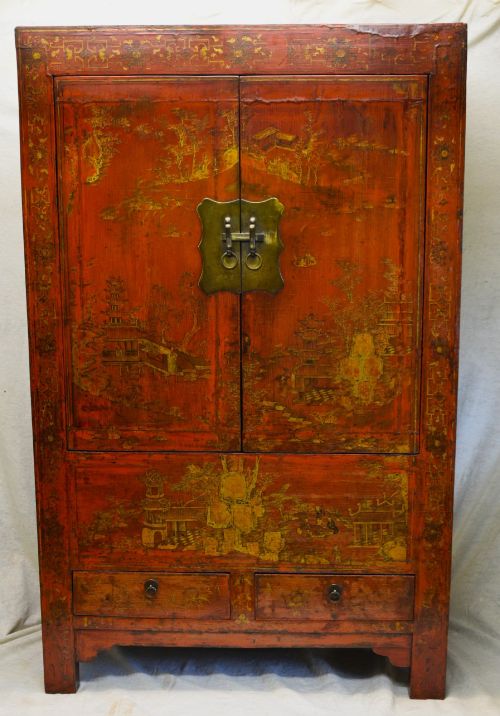
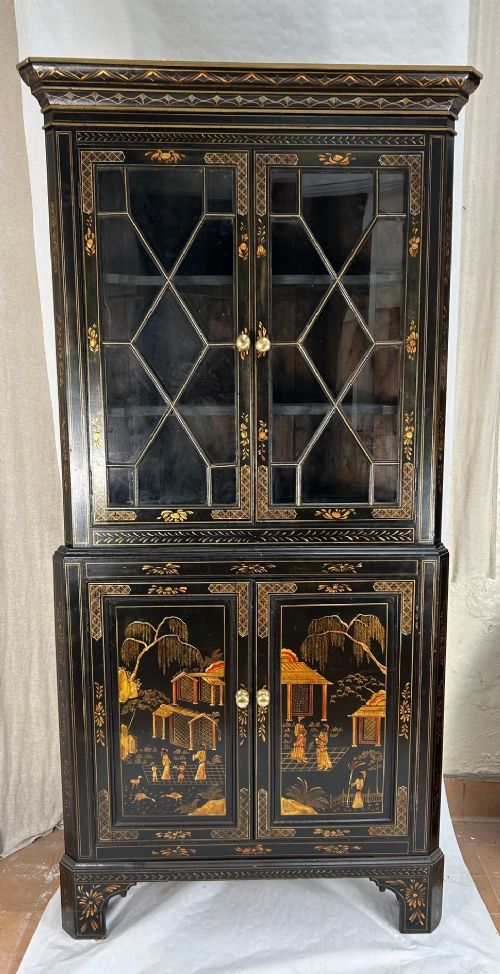
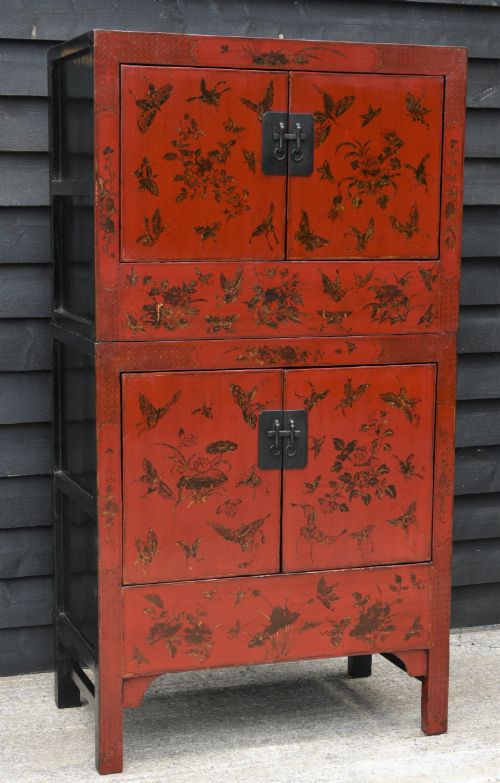
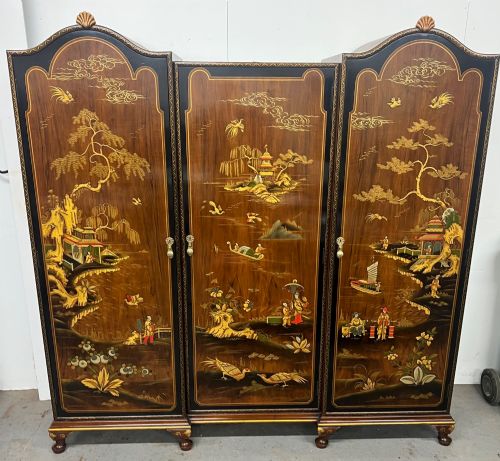
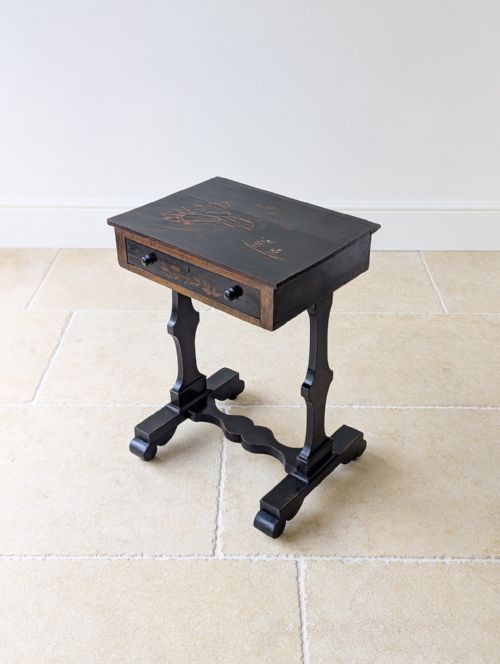
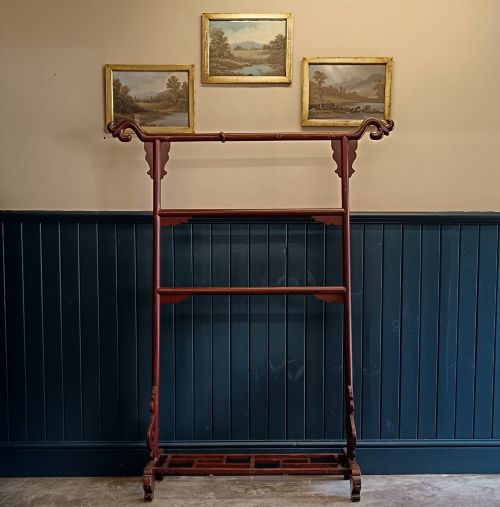
Antique lacquer furniture encompasses a diverse selection of items built for display, seating, and storage across several centuries. Cabinets on stands, wedding cupboards, occasional tables, and sideboards form the core of what collectors encounter. These forms range from traditional Chinese and Japanese pieces to British interpretations executed in the Chinoiserie and Aesthetic Movement styles.
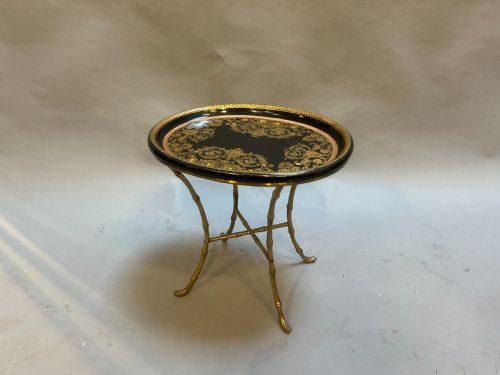
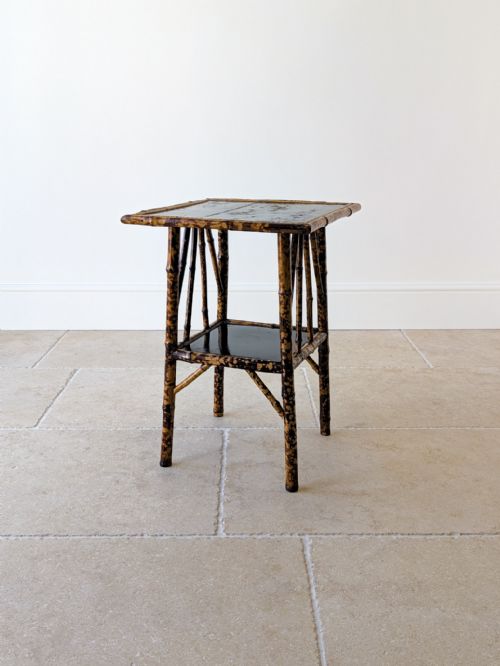
The selection on this page draws heavily from Victorian, Edwardian, and early 20th-century periods, alongside examples originating in the seventeenth, eighteenth, and nineteenth centuries. Buyers regularly encounter black or red lacquered surfaces enriched with gilt decoration, alongside bamboo frameworks and occasional walnut or elm structures. Smaller items like side tables, stools, and work tables sit alongside large display cabinets and wardrobes.
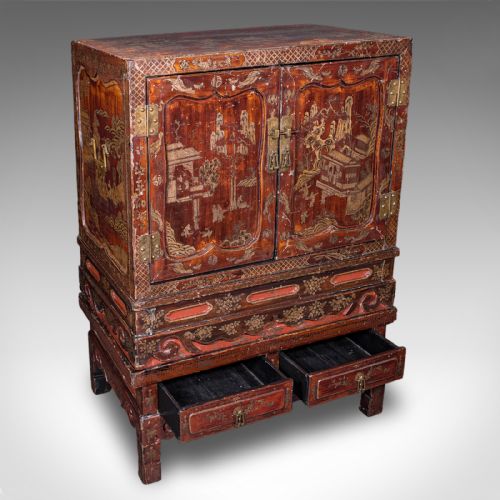
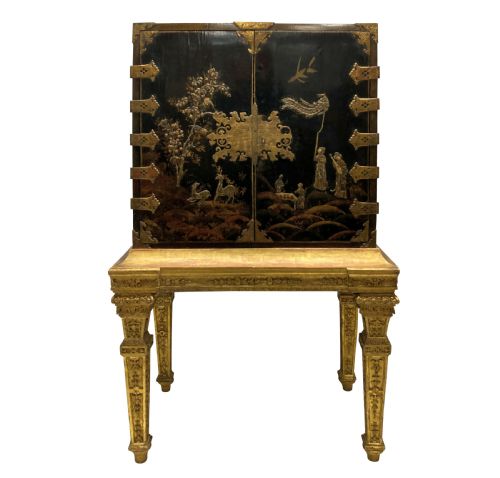
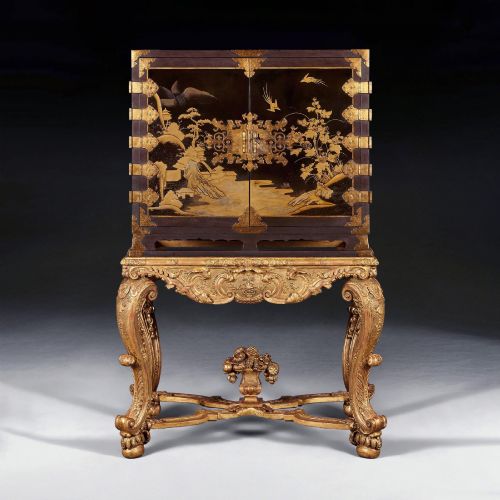
Originating workshops span from Asian export hubs to British cabinet makers adopting Eastern motifs. Pieces vary from simple bamboo occasional tables to grand cabinet on stand forms with intricate brass hardware. Each item serves a distinct domestic purpose, whether holding books, displaying ceramics, or providing surface space in a hallway.
Materials and construction
Construction relies upon solid timbers such as elm, hardwood, and bamboo, which provide stable foundations for the decorative surface layers. Cabinet makers and Asian artisans applied successive coats of lacquer to seal the wood, creating a smooth plane for subsequent ornamentation. Brass mounts, hinges, and handles were fastened to secure doors and drawers while adding metallic contrast to the dark or red grounds.
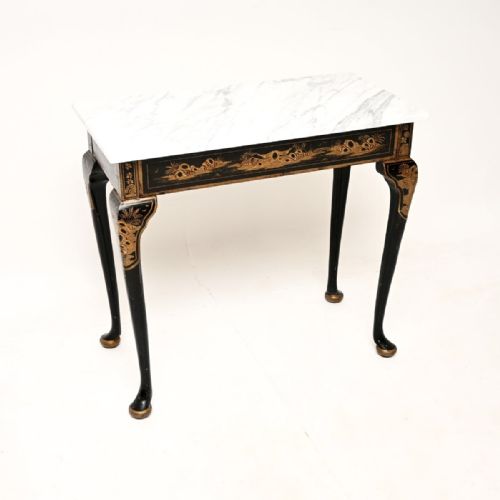
Gilt decoration and gold leaf were applied by hand to delineate pictorial scenes, figures, and botanical motifs across the lacquered panels. Certain European pieces utilised japanning techniques to mimic Asian imports, building up layered varnishes on ebonised or painted timber. Marble tops and glass panels occasionally supplement the wooden structures on tables and display cabinets.
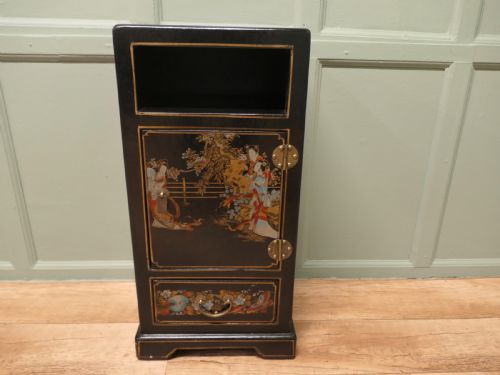
A tiny apothecary medicine cabinet awaits its next prescription of household clutter.
Evaluating the craftsmanship
Quality rests upon the depth of the lacquer surface and the precision of the hand-applied gold leaf decoration. Superior items display crisp pictorial detail in the Chinoiserie scenes and retain their original structural integrity without excessive timber shrinkage. The complexity of the joinery, particularly in cabinets on stands and multi-tiered pieces, distinguishes workshop output.
The integration of original brass hardware and the preservation of the underlying finish dictate the standing of an individual piece. Lesser examples may show heavy later repainting or surface wear that obscures the original decorative intent. A cohesive balance between the timber carcass and the surface lacquer remains central to superior craftsmanship.
Maples and Co
The Antique Lacquer Furniture Glossary
- Chinoiserie
- European theatrical interpretation of Chinese artistic motifs, popular in furniture decoration. This style often employs raised gilt figures and pagodas set against dark lacquered backgrounds.
- Japanning
- European imitation of Asian lacquerwork developed during the seventeenth and eighteenth centuries. Artisans built up layers of varnish on a prepared wooden base before decorating the surface.
- Cabinet on Stand
- A tall storage compartment elevated on a separate frame or legs. These pieces often feature elaborate underframes and substantial decorative hardware.
- Canterbury
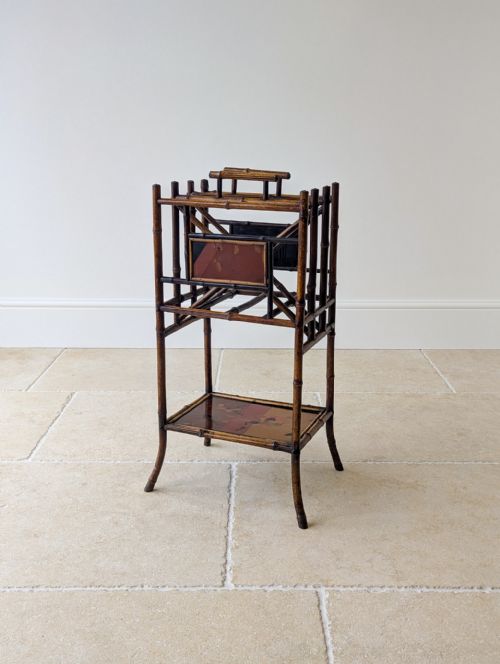
- A low multi-partitioned stand designed for holding sheet music, magazines, or newspapers. Victorian examples frequently utilise bamboo or ebonised wood.
- Shodona
- A traditional Japanese multi-shelved cabinet used for displaying ornaments. These items incorporate asymmetric compartments and sliding doors.
Antique Lacquer Furniture: Frequently Asked Questions
What is antique lacquer furniture?
Antique lacquer furniture consists of wooden items finished with resin coatings and decorated with painted or gilt motifs. These pieces originate from both Asian workshops and European makers influenced by Eastern design.
Forms range from large wedding cabinets and display units to small occasional tables and chairs. The finish provides a durable, glossy surface that protects the timber underneath.
How do I clean antique lacquer surfaces?
Dust surfaces gently with a soft, dry microfiber cloth to remove everyday particles without scratching the finish. Avoid using water, household detergents, or chemical polishes that can damage old varnish.
Maintain stable indoor humidity levels to prevent the underlying wood from expanding and cracking the lacquer layer. Professional conservation is recommended for deep cleaning or structural repairs.
What is the difference between Chinoiserie and Japanese lacquer?
Chinoiserie represents European interpretations of Chinese design, featuring imaginative landscapes, figures, and pagodas executed in gilt. Japanese lacquer often derives from traditional Asian workshops with distinct pictorial styles and native wood species.
Both categories utilise layered varnishes, but the artistic vocabulary and construction methods reflect their respective regional origins. European japanning attempted to replicate both traditions using domestic timber.
Where should I place these pieces at home?
Position lacquer items away from direct sunlight and strong heat sources to prevent the finish from fading or drying out. Side tables and cabinets work well in living rooms, hallways, and studies where they add visual depth and colour.
Ensure items are placed on level floors to prevent stress on antique joinery and cabinet doors. Smaller pieces like bamboo stands or stools serve well as accent furniture in corners or beside seating.