
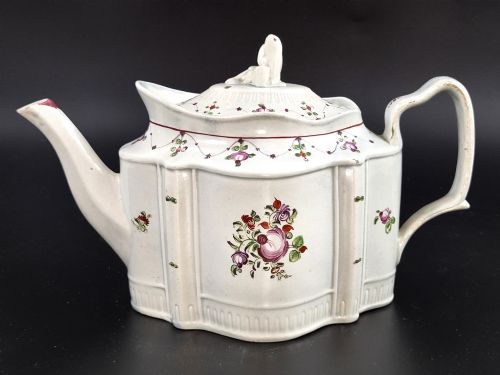

Antique Cream Commode
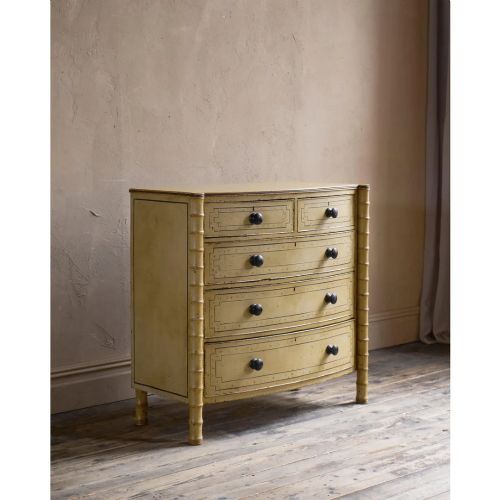
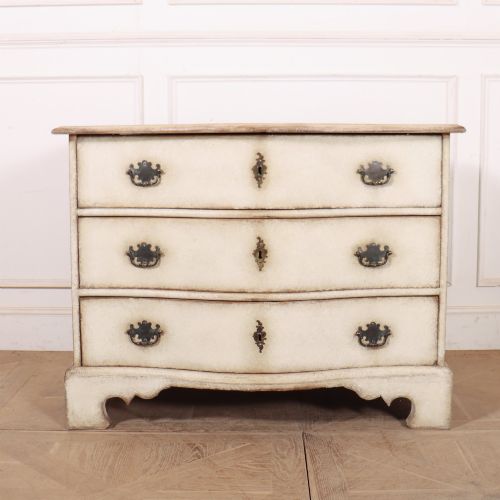
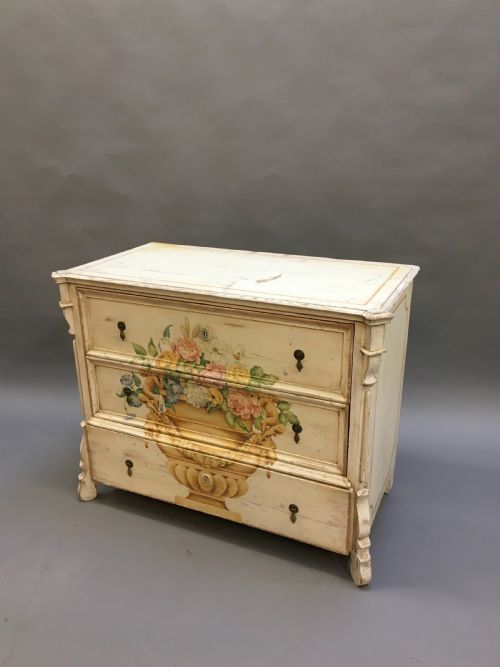
An antique cream commode brings soft, neutral tones and historical character to a room through painted wood, serpentine lines and carved details.
Antique Cream Commode
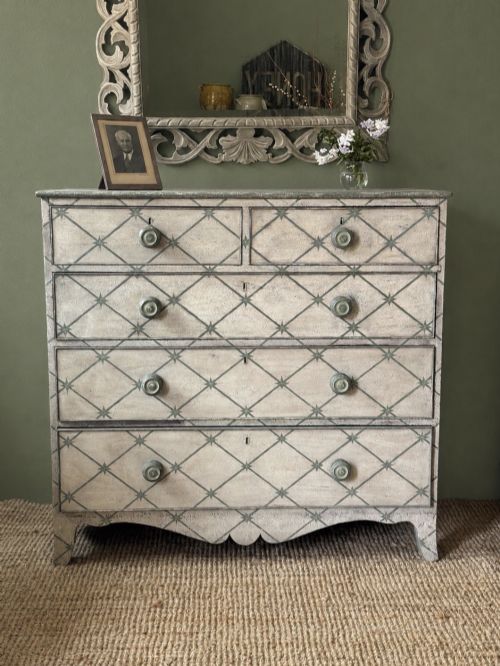
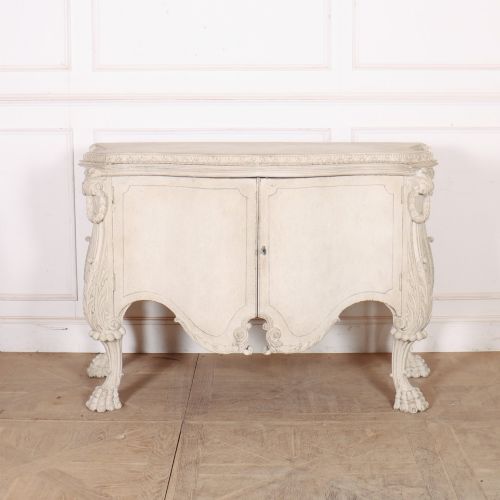
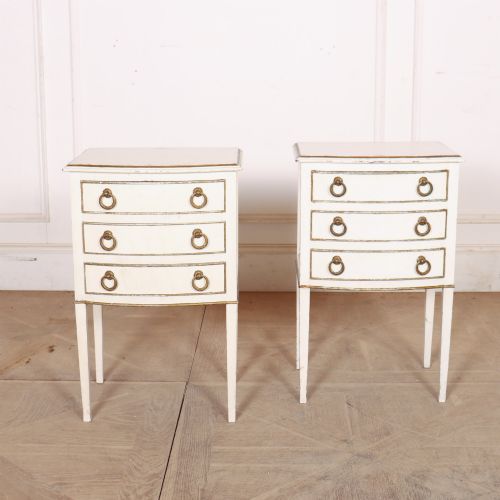
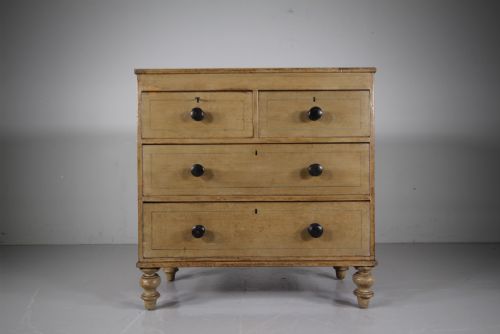
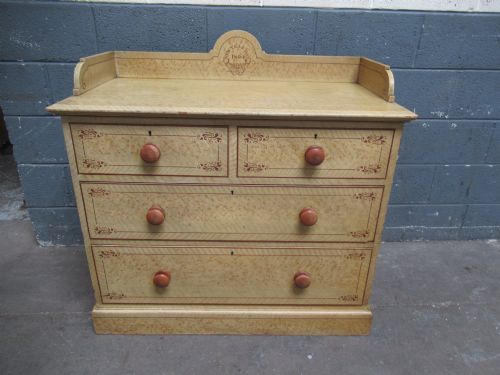
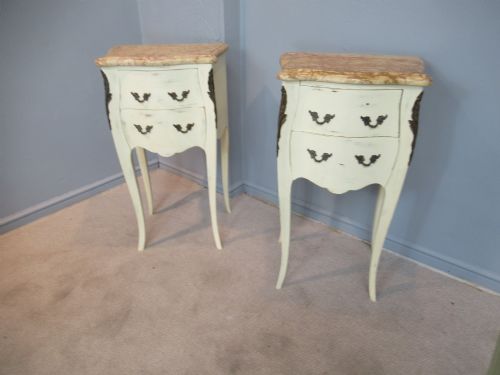
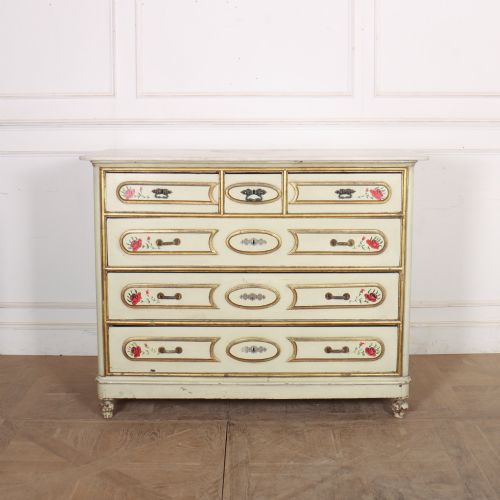
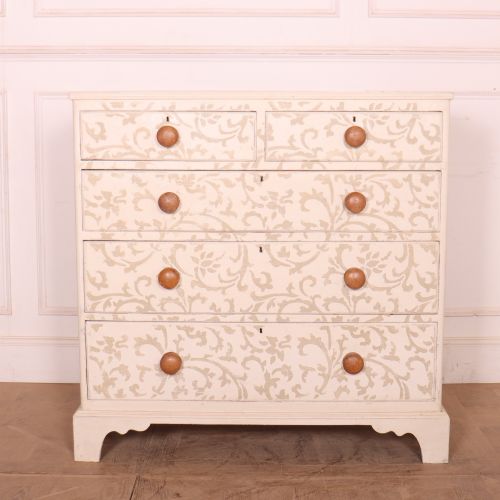
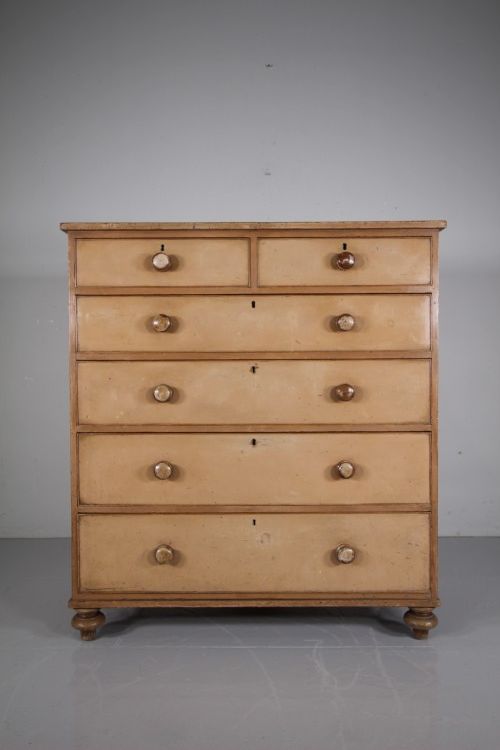
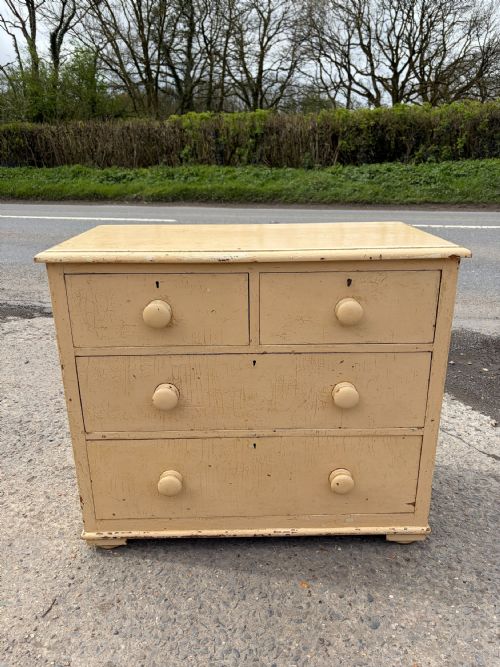
When you search for an antique cream commode, you encounter a selection of storage furniture spanning several centuries and European regions, including French, Italian, Swedish, German and English pieces. The listings show that these items function primarily as chests of drawers, side cabinets and bedside tables, often finished in pale or cream paint.
You are most likely to meet painted pine and wood pieces from the nineteenth century, alongside eighteenth-century serpentine examples and later interpretations from the early twentieth century. Regional styles range from French chateau and provincial to Gustavian and Victorian country forms, each offering distinctive proportions and storage capacities.
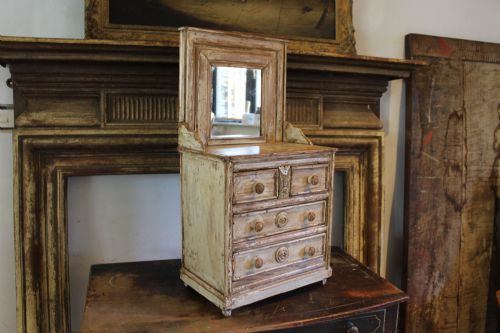
Alongside standard chests, the selection includes miniature apprentice pieces and side cabinets that share the same characteristic painted finishes. Buyers select these items to introduce understated colour and period craftsmanship into contemporary or traditional interiors.
Materials and construction methods
Makers constructed these commodes predominantly using solid wood foundations such as pine and oak, frequently applying layers of paint to achieve the pale cream finishes seen today. Surface decoration ranges from simple painted coats to intricate japanning and carved serpentine fronts.
Certain pieces incorporate contrasting materials, pairing wooden carcases with marble tops and brass hardware. Cabinetmakers utilised traditional joinery techniques to form curved serpentine and bow front profiles, particularly on continental European examples.
Assessing quality in painted furniture
Quality rests in the preservation of original painted surfaces and the integrity of the underlying woodwork rather than uniform perfection. Pieces with untouched historic paintwork and minimal later intervention hold greater distinction among collectors.
The refinement of the silhouette distinguishes finer examples, visible in the balance of serpentine or bow fronts and the precision of carved details. Superior construction is evident in smooth drawer operation and sturdy timber carcases that have survived centuries of use.
The Antique Cream Commode Glossary
- Commode
- A low cabinet or chest of drawers designed for storage, typically featuring multiple drawer tiers.
- Serpentine
- A furniture front curving outward in the centre and inward at the sides, creating an undulating profile. This shape requires skilled carpentry to execute correctly.
- Japanning
- A European imitation of East Asian lacquerwork, involving layered varnish and painted decoration. It appears on decorative pieces from various periods.
- Bowfront
- A convex curving furniture front that swells outward from the corners. This design softens the profile of standard rectangular chests.
- Gustavian
- The Swedish neoclassical style characterised by pale paint colours, restrained carving and functional elegance. It strongly influences the appearance of many pale Scandinavian pieces.
Antique Cream Commode: Frequently Asked Questions
How do I date an antique cream commode?
Dating relies on examining the construction methods, timber types, and hardware associated with specific periods like the eighteenth or nineteenth century. Tool marks, dovetail joints and the composition of the paint layers provide clear indicators of age.
Comparing the profile and decorative style against documented regional designs helps narrow down the decade of production. Examining secondary woods inside the drawers also assists in confirming the likely origin.
Where should I place a commode at home?
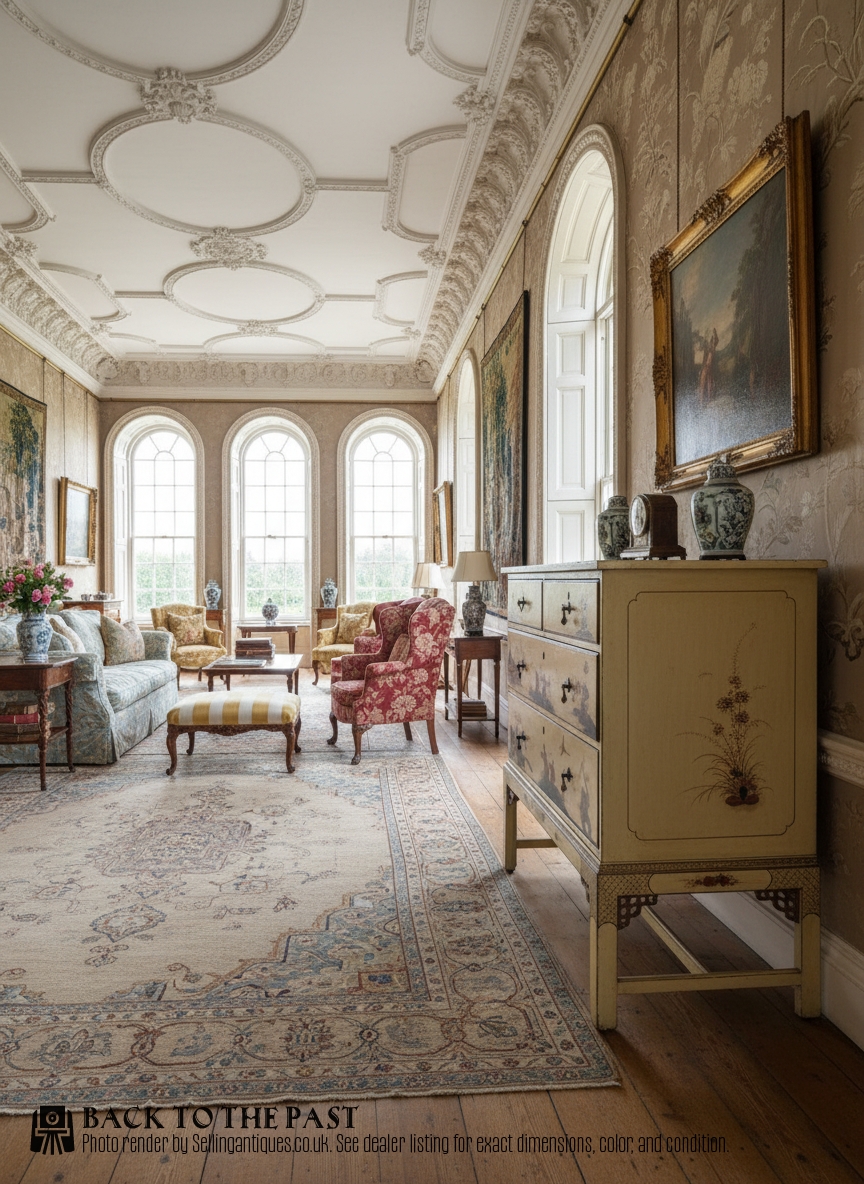
These cabinets suit hallways, bedrooms and living spaces where surface display and concealed storage are both required. Their neutral cream tones allow them to anchor a room without overpowering existing furnishings.
Pairing a commode with a mirror or hanging art creates a balanced focal point. Bedside versions function practically next to lower bed frames while adding historical texture to a bedroom.
Are painted finishes original?
Determining original paint requires inspecting the surface for wear, crackle and layering that matches the age of the timber beneath. Many pieces retain early or original paint schemes that have developed a soft patina over generations.
Later overpainting is common in antique furniture, so closely inspecting edges and hidden surfaces reveals earlier colour layers. Conservators look for consistency between the paint deterioration and the wear on the wood underneath.
How do I care for painted wood?
Maintenance involves dusting with a soft, dry cloth and avoiding harsh chemical cleaning products that can strip historic finishes. Keeping the furniture away from direct sunlight and excessive moisture prevents the paint from cracking and the wood from warping.
Applying microcrystalline wax periodically helps protect delicate painted surfaces from friction and handling wear. Gentle handling ensures the original patina remains undisturbed over time.