

Antique Kitchen Island Table
An antique kitchen island table brings heavy timber utility and working history directly into the heart of a home.
Antique Kitchen Island Table
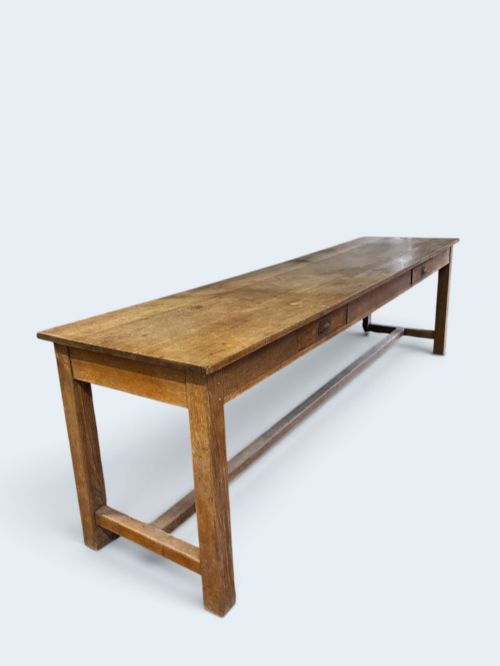
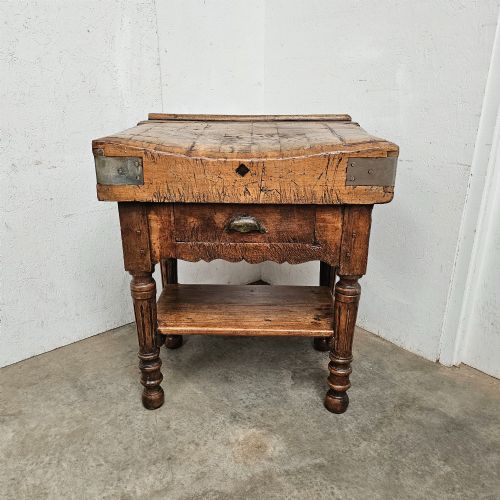
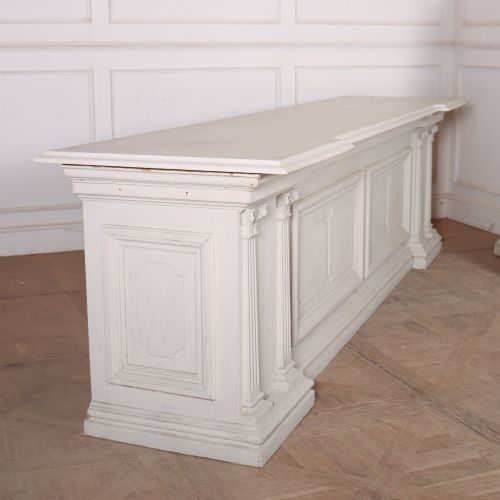
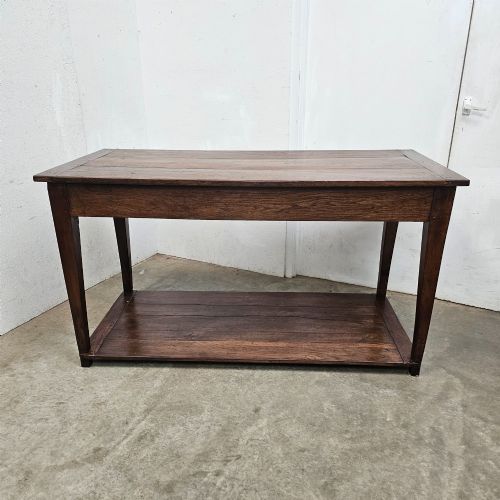
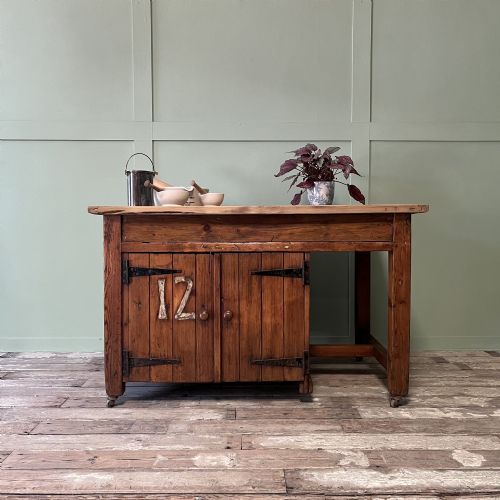
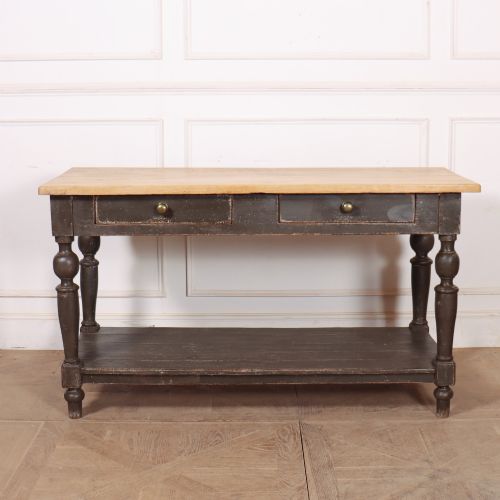
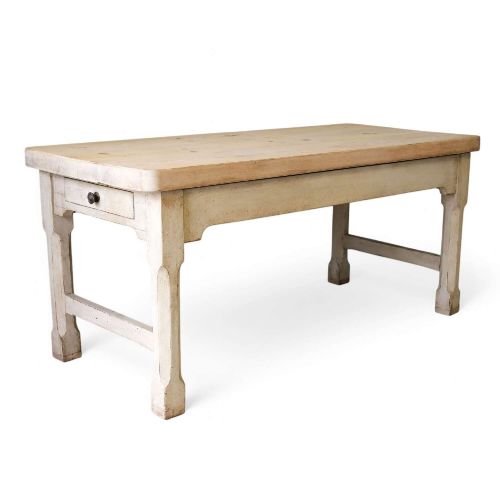
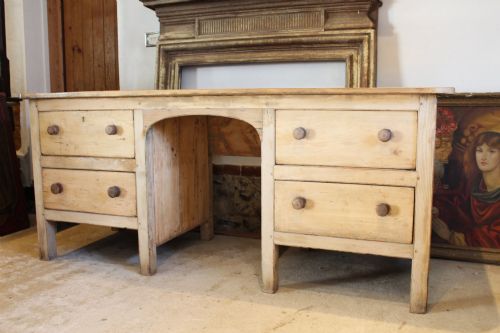
An antique kitchen island table serves as the primary workspace for food preparation and room division, taking many forms across the centuries. Buyers encounter heavy pine farmhouse tables, substantial oak prep benches, and specialised butcher blocks designed for commercial or domestic service.
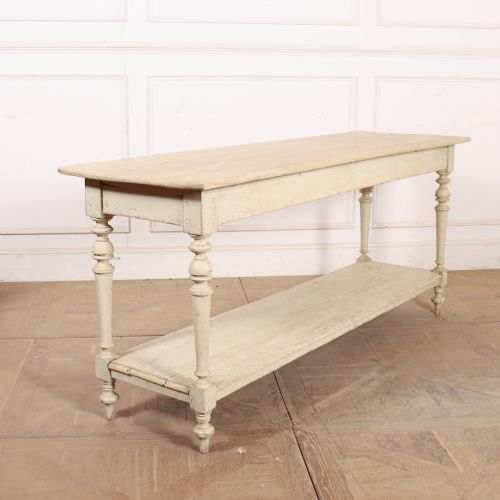
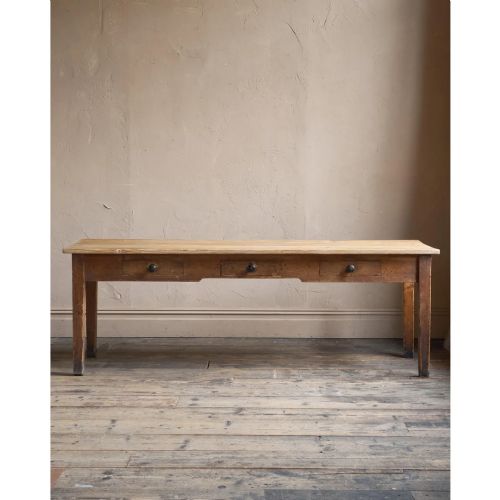
The selection ranges from French drapers tables and Hungarian shop fittings to English scullery counters and artisans workbenches. These pieces originate from domestic kitchens, bakery prep rooms, and rural workshops where utility dictated construction.
Most examples date from the nineteenth century, utilising dense fruitwoods, oak, and pine to withstand decades of daily use. Their generous proportions and integrated drawers make them practical centres for modern food preparation.
How they were made
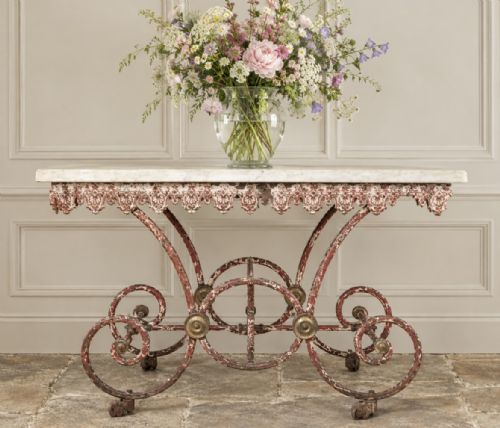
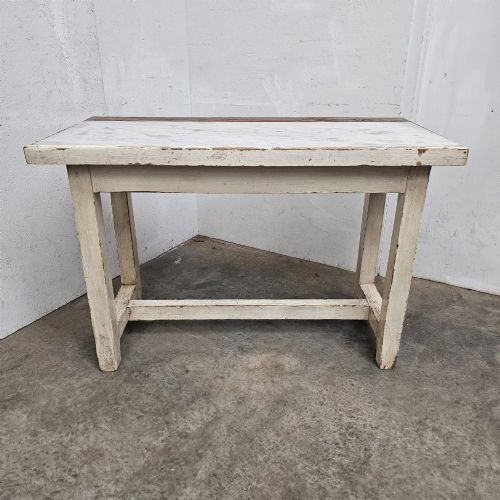
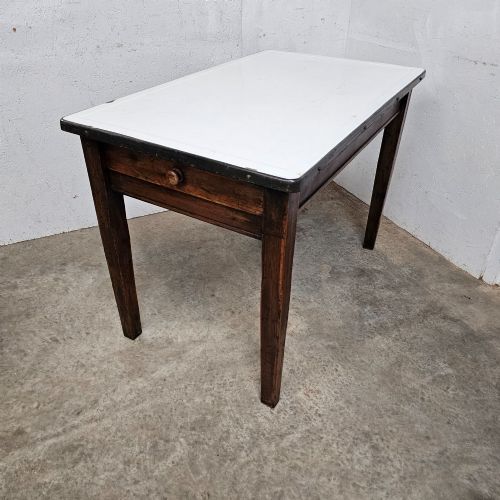
Makers built these pieces primarily from solid pine, oak, beech, and elm, often combining timbers with oak frames and pine tops. Surfaces frequently feature original paint, scrubbed bare wood, or marble inserts designed for pastry work.
Construction relies on sturdy joinery, utilising pegs, mortise and tenon joints, and occasional iron or brass hardware to secure heavy legs and pot shelves. Many incorporate utilitarian additions such as integrated wooden vices, lower tier slats, and deep drawers for storage.
Listings feature nineteen-century pine, oak, and beech pieces, including French drapers tables, Hungarian shop fittings, and butchers blocks.
What varies in quality
Quality depends upon the integrity of the original timber and the degree of structural wear sustained in its working life. Dense, thick-boarded table tops and untouched original painted surfaces distinguish better examples from heavily altered pieces.
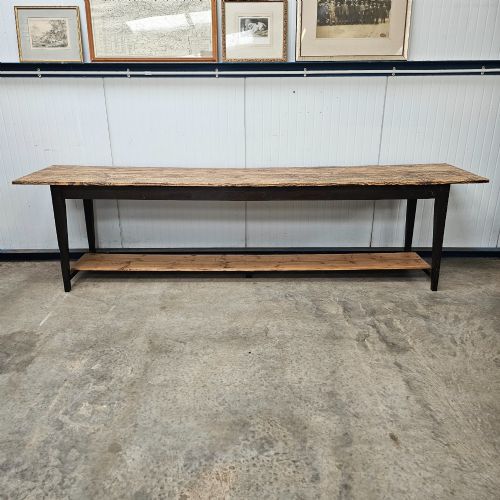
Proportion and scale dictate desirability, with longer dimensions and balanced two-tier configurations holding greater presence. The retention of maker additions, such as integrated drawers and original vices, elevates the character of the piece.
The Antique Kitchen Island Table Glossary
- Drapers table
- A long, narrow table historically used in textile shops for measuring cloth, featuring multiple drawers and lower shelving suitable for modern kitchen storage.
- Butchers block
- A heavy, thick-topped chopping surface constructed from end-grain or solid beech and oak, designed to absorb heavy cleaver impacts.
- Scullery table
- A utilitarian wooden table utilised in domestic back-kitchens for washing, food preparation, and general scullery work.
- Work bench
- A heavy workshop table featuring integrated wooden vises and robust timber framing, adapted from artisan trades for heavy kitchen use.
- Bread slide
- A pull-out wooden shelf integrated into furniture bases, historically used for cooling or resting loaves of bread.
Antique Kitchen Island Table: Frequently Asked Questions
How do I choose the right size?
Measure your available floor space carefully, ensuring sufficient clearance around the table for movement and open drawers.
Consider the height of the piece relative to standard kitchen counters and chairs if seating is required.
Can I use an antique prep table for cooking?
These tables were built precisely for preparation, utilising robust timbers like oak, pine, and beech that handle kitchen tasks well.
Treat wooden surfaces with food-safe oils to protect the vintage timber from moisture and staining during daily use.
How do I clean a scrubbed pine top?
Use warm water and mild soap with a stiff brush to clean along the grain of the wood.
Avoid harsh chemical cleaners that strip the historic character and dry out the aged pine fibres.
What is the difference between a drapers table and a farmhouse table?
Drapers tables are typically longer and narrower, originally designed for fabric merchants with multiple shallow drawers and lower pot shelves.
Farmhouse tables are wider and proportioned primarily for dining and general family food preparation.