
Mahogany Top Table
A mahogany top table brings rich timber grain and classic craftsmanship to living spaces through centuries of British and European design.
Mahogany Top Table
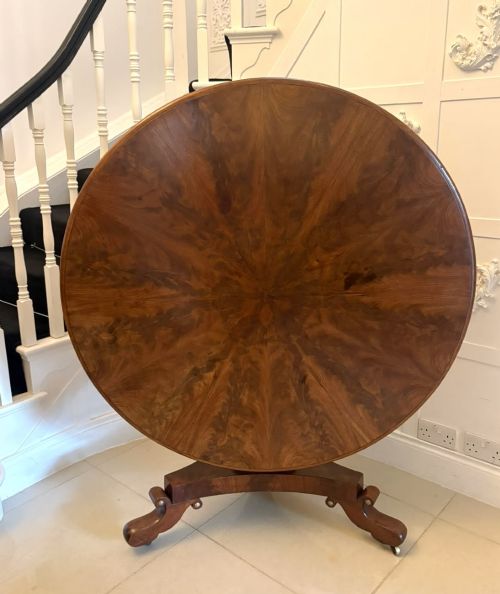
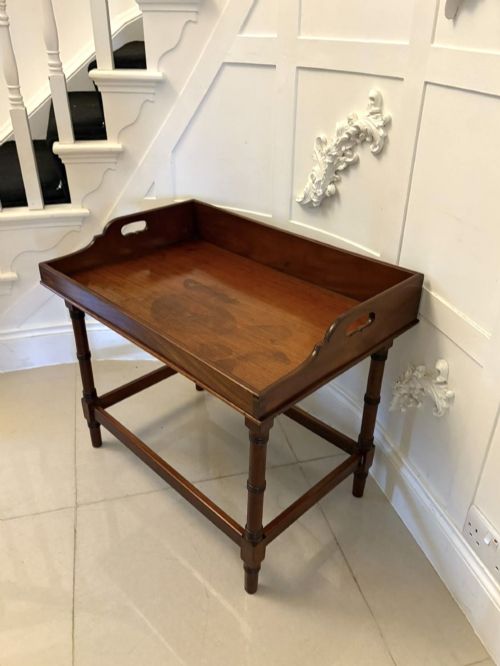
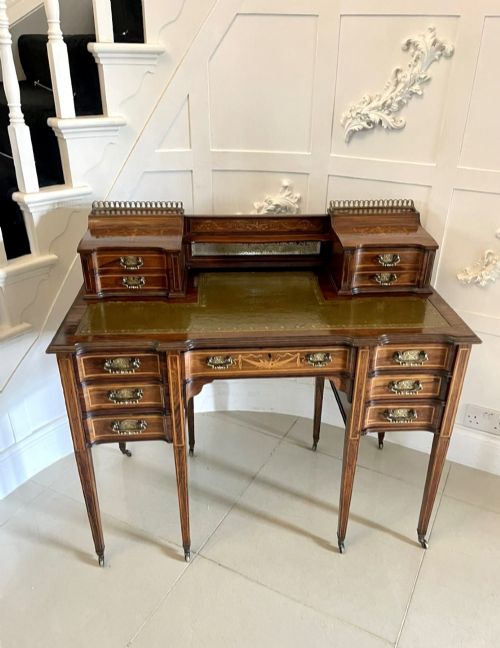
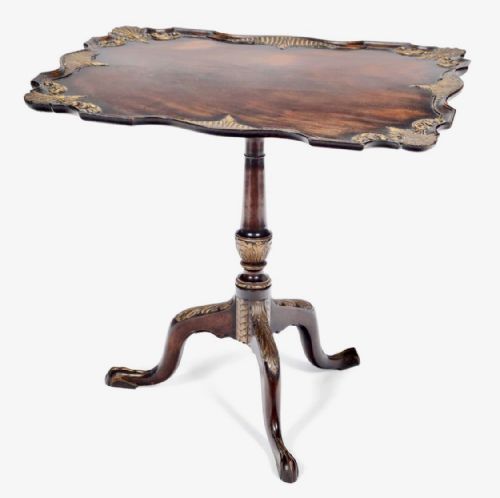
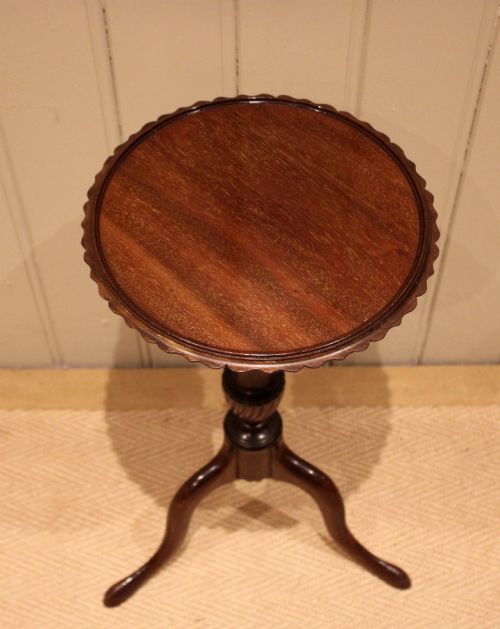
A mahogany top table encompasses a diverse group of domestic furnishings spanning the eighteenth, nineteenth, and early twentieth centuries, recorded across George III, Regency, William IV, and Victorian periods. Buyers search this phrase to find functional surfaces ranging from small lamp and wine tables to large circular dining centre tables and partners desks.
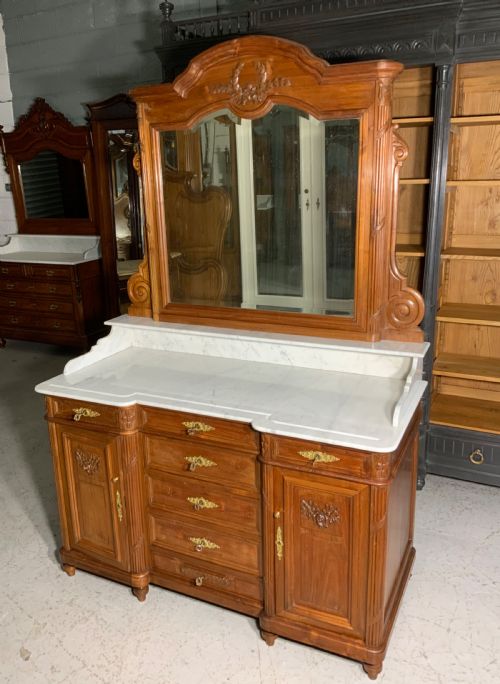
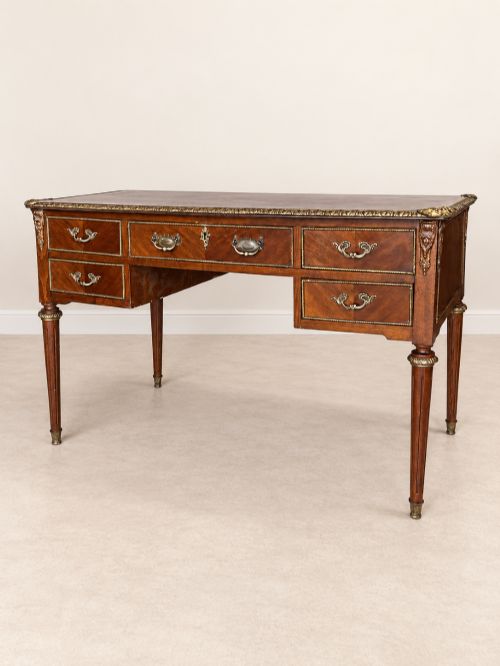
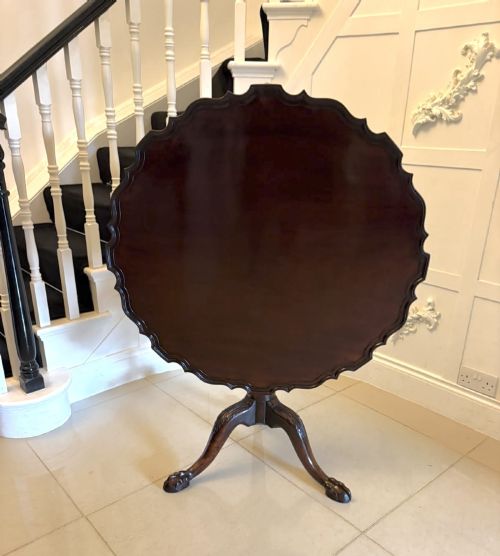
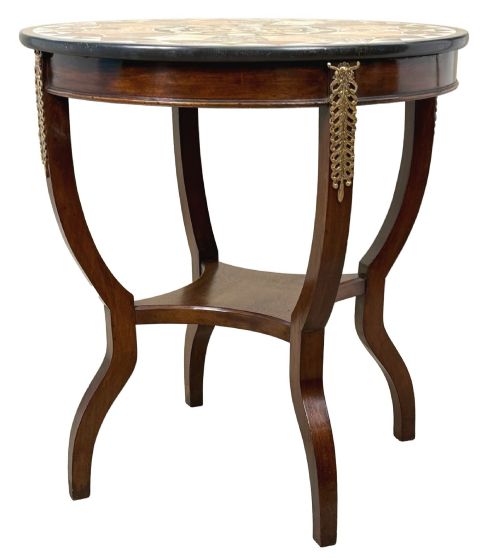
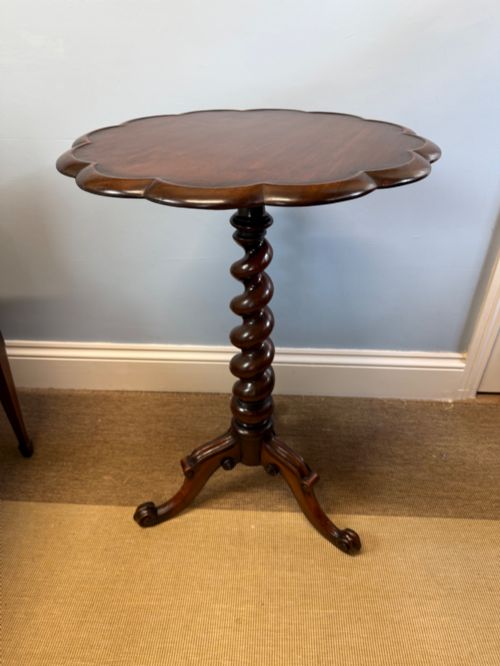
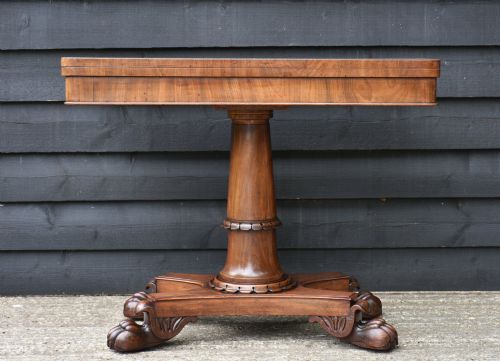
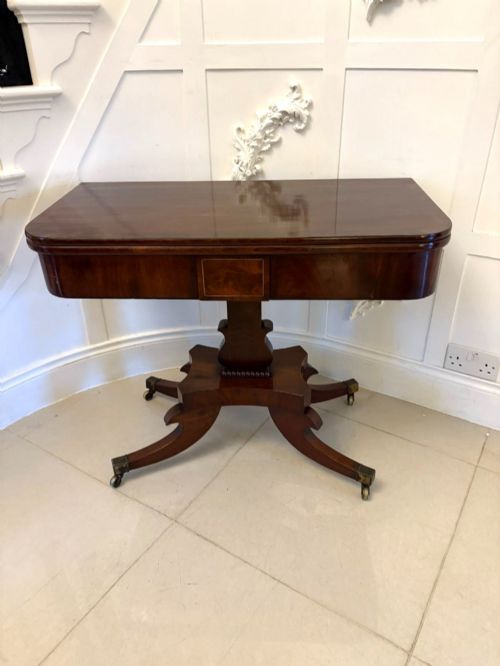
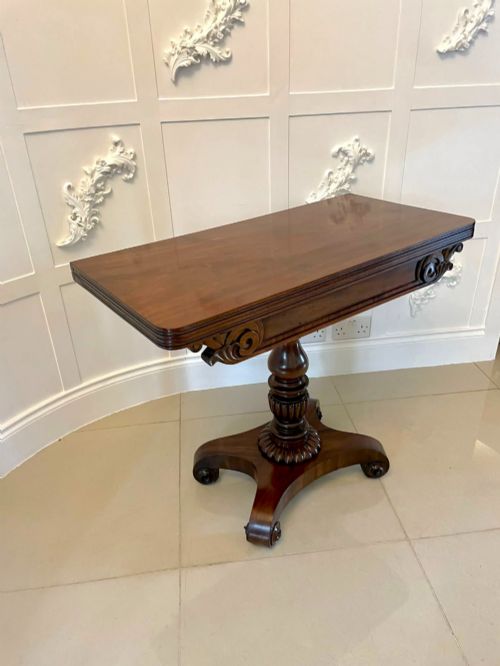
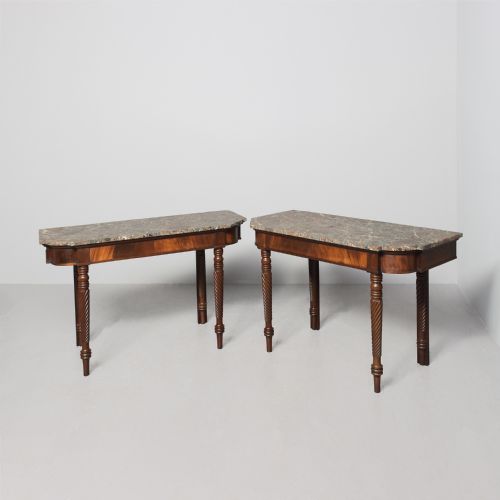
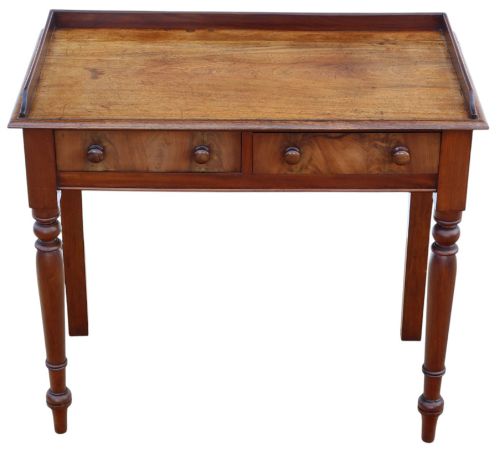
The selections on this page appear in numerous forms including occasional tables, tilt-top tripod tea tables, fold-over card tables, console tables, and writing desks. Examples frequently combine the primary timber with contrasting materials such as marble, leather, brass, and satinwood to create distinctive functional objects.
Materials and construction methods
Cabinet makers utilised solid and figured mahogany timbers, often selecting flame or striped grain patterns for prominent surfaces like table tops and desk lids. Structural elements regularly incorporated secondary timbers alongside brass fittings, gilt bronze mounts, and inset panels of tooled leather or specimen marble.
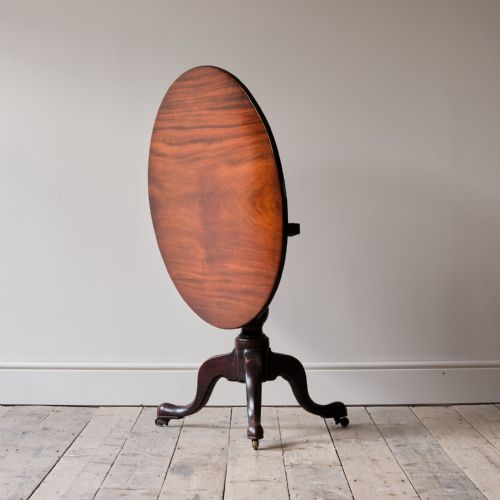
Construction techniques visible across the inventory include tilt-top snap mechanisms supported on tripod pedestals, carved pillar supports with sabre legs, and sophisticated joinery for fold-over leaves and drawers. Surface treatments relied on traditional polishing methods that emphasised the natural depth and warmth of the wood.
Several pieces feature clever triple-folding actions and hidden compartments designed for secret letters.
Assessing craftsmanship and condition
Quality differences emerge in the selection of the timber itself, where highly figured, book-matched, or flame mahogany veneers on tops separate standard utility pieces from exceptional cabinet work. The crispness of hand-carving on tripod legs, piecrust edges, and mouldings further distinguishes workshop output.
Structural integrity and original components dictate overall standard, including the survival of turning mechanisms, tilt catches, brass castors, and leather writing inserts. Pieces retaining undisturbed patination and documented maker attribution command higher regard among collectors.
James Shoolbred·Maple and Co·Trollope and Sons·Christopher Pratt Bradford·Gillows
The Mahogany Top Table Glossary
- Tilt-top table
- A table with a hinged top that rotates to a vertical position when not in use, often mounted on a tripod pedestal base. This mechanism saved domestic space in eighteenth and nineteenth-century interiors.
- Piecrust table
- A small round table featuring a raised, carved, and scalloped edge resembling pastry work. This decorative moulding required skilled manual carving from a solid timber blank.
- Card table
- A folding table designed for games, featuring a top that opens out to reveal a baize or wood playing surface. Many examples incorporate clever pivoting frames to support the opened leaf.
- Partners desk
- A large double-sided writing desk allowing two people to work opposite each other simultaneously. These sturdy pieces typically feature banks of drawers on both sides beneath a leather-inset top.
- Tripod table
- A freestanding small table supported by a pillar above three spreading legs. The design provides stable placement on uneven floors common in historic houses.
Mahogany Top Table: Frequently Asked Questions
What is a tilt top table used for?
A tilt top table served primarily as a flexible surface for tea service, reading, or card games in Georgian and Victorian parlours. When not in use, the top locked into a vertical position to stand flat against a wall and save floor space.
Today, these pieces function effectively as lamp tables or decorative accents in living areas where their historic folding mechanism remains a practical conversation piece.
How do I identify a Georgian mahogany table?
Georgian tables display characteristic proportions, restrained classical carving, and rich dark mahogany surfaces developed through decades of waxing. Common markers include tripod pedestal bases with pad or snake feet on earlier pieces, and tapered reeded legs on later examples.
Examining the underside reveals hand-cut joinery, timber shrinkage, and traditional fixings that distinguish eighteenth-century construction from later revival styles.
Where should I place a console table?
A console table works best against a hallway or living room wall, often positioned beneath a mirror or painting. Because these tables feature shallow depths and sometimes fold-over tops, they occupy minimal space while providing a useful surface for lamps and decorative objects.
Pairing a mahogany console with complementary nineteenth-century seating creates a balanced focal point in entrance halls and dining rooms.
How do I care for a mahogany tabletop?
Maintaining a historic mahogany surface requires regular dusting with a soft, dry cloth and occasional treatment with quality beeswax to preserve the polished finish. Avoid placing furniture in direct sunlight or near heat sources to prevent timber splitting and fading.
Using coasters and felt pads beneath objects protects the delicate wood and inset leather or marble surfaces from moisture and scratching.