


Antique Kidney Shaped Desk
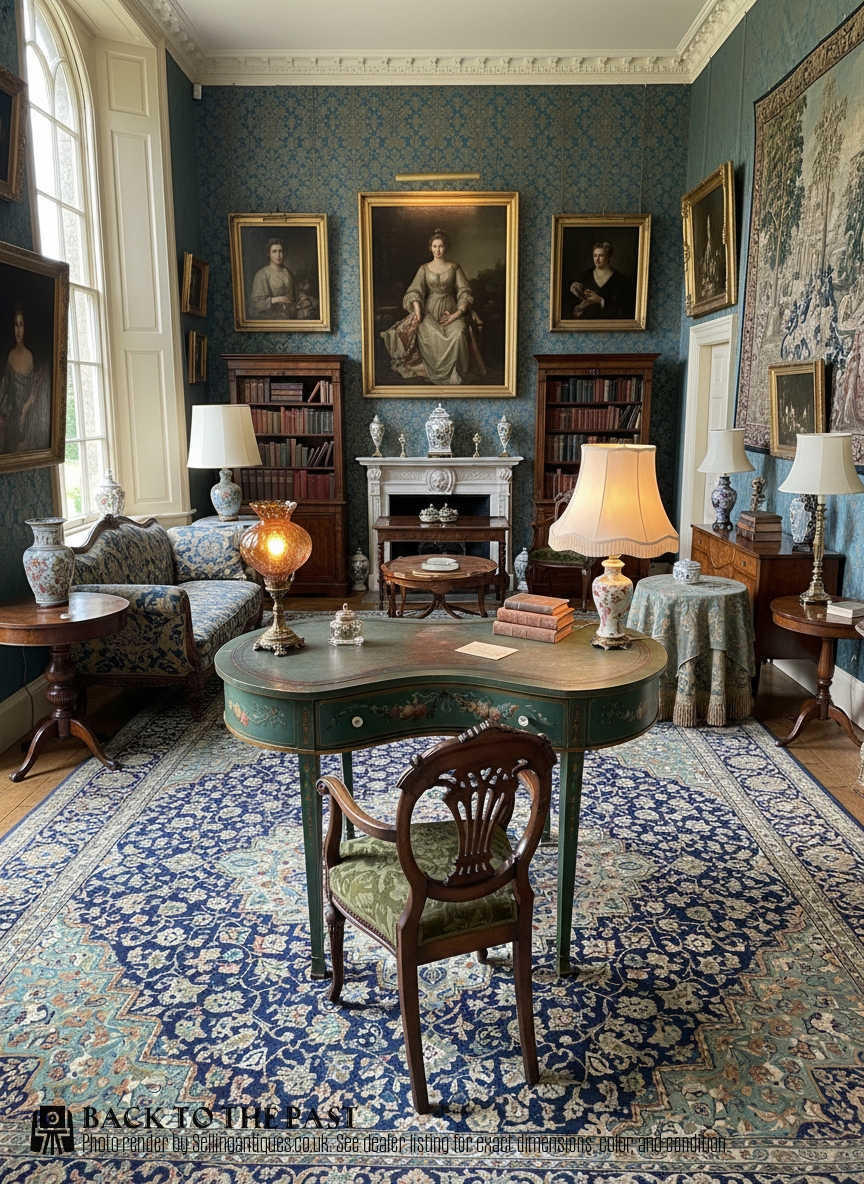
An antique kidney shaped desk offers a sweeping, concave curve that hugs the user while housing books and papers in style.
Antique Kidney Shaped Desk
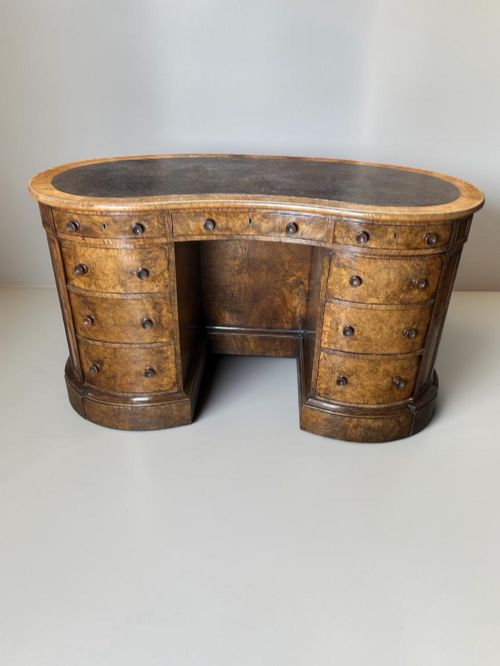
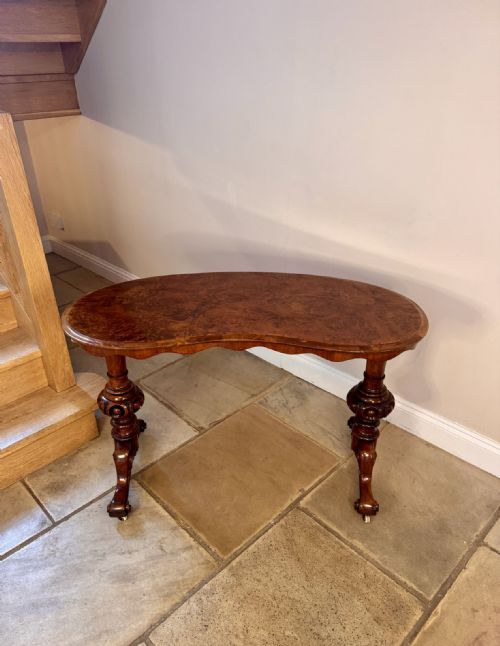
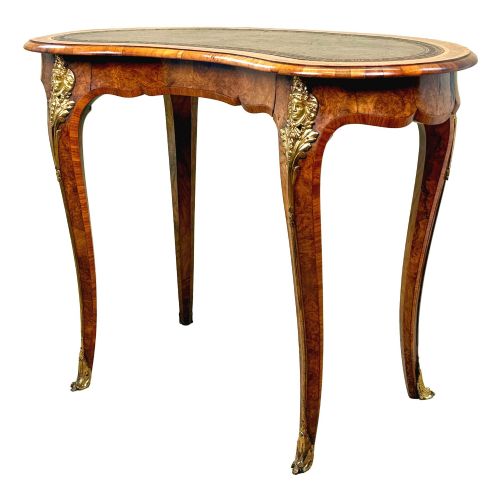
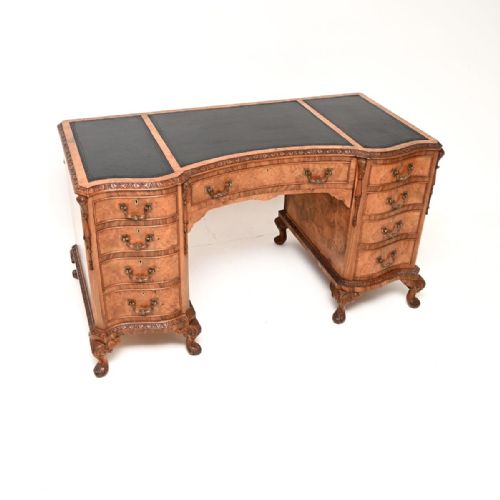
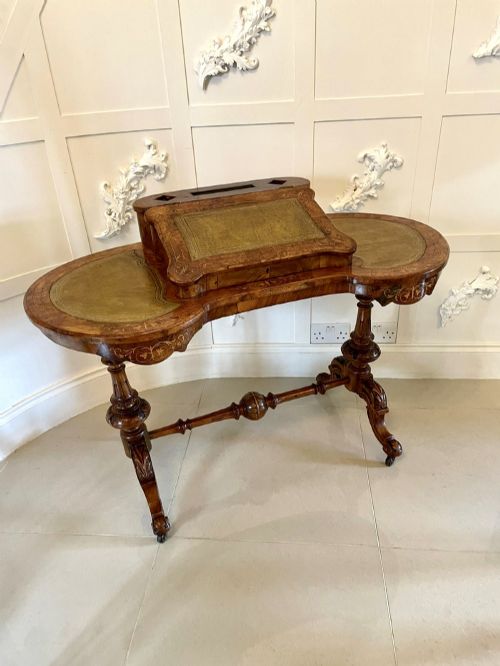
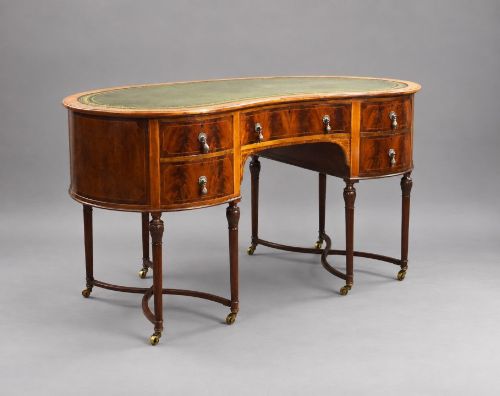
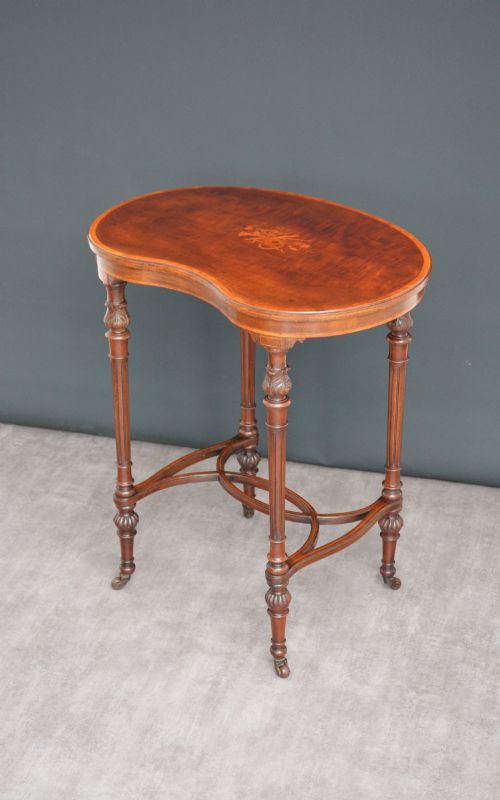
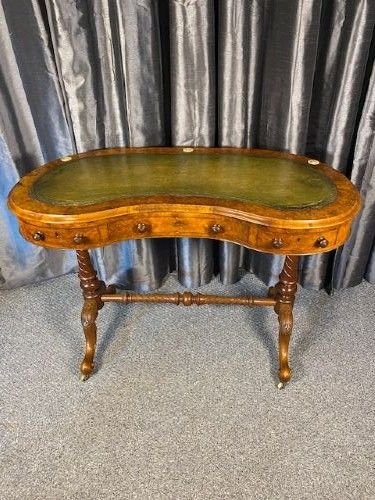
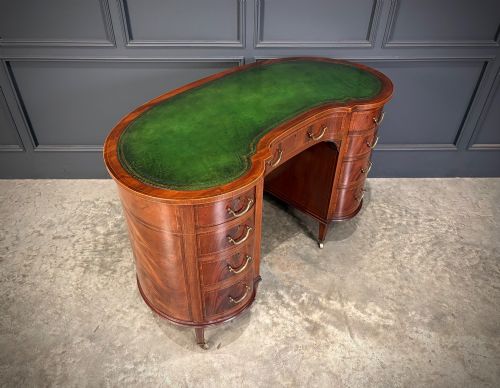
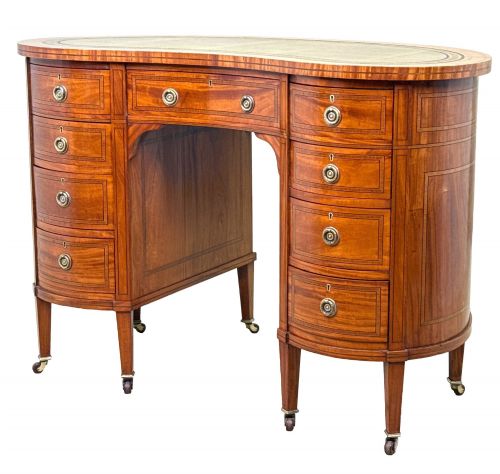
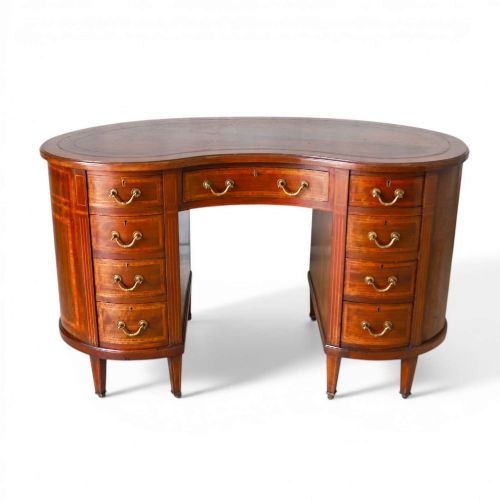
An antique kidney shaped desk is a writing table defined by its distinctive indented curve at the front, designed to fit comfortably against the body of the person sitting at it. The listings show these pieces appearing frequently in Edwardian and Victorian guises, alongside examples from the nineteenth century. Most versions take the form of freestanding writing tables or dressing tables intended for intimate studies and bedrooms.
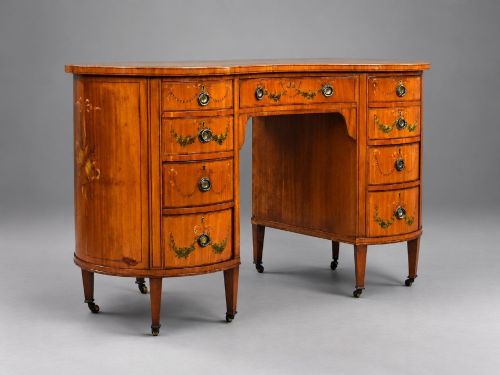
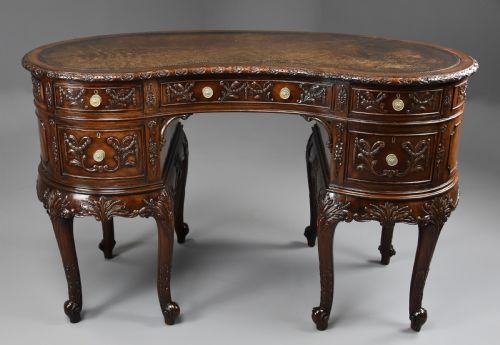
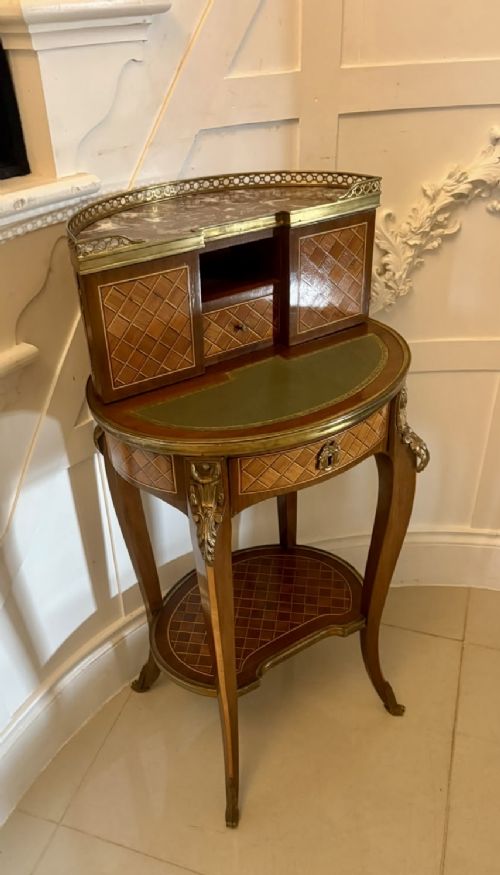
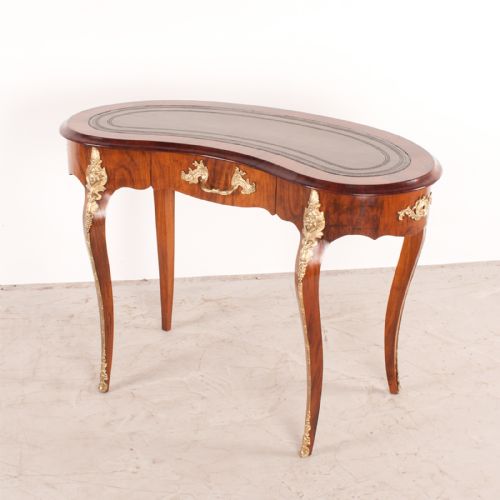
Makers often drew upon revival idioms, producing pieces influenced by Sheraton, Louis XV, and Louis XVI styles. Buyers will encounter mahogany, satinwood, and burr walnut frequently on this page, often detailed with marquetry or crossbanding. These work tables serve as functional writing surfaces while providing a strong decorative presence within a room.
How they were made
Cabinet makers built these curved carcasses using solid timbers like mahogany, walnut, and satinwood, frequently applying decorative veneers such as burr walnut or flame mahogany across the top and drawers. Many examples incorporate brass handles, locks, and ormolu mounts to accent the frame.
The working surfaces are typically inset with panels of tooled leather, often framed by fine stringing or marquetry inlay. Some specialised pieces feature painted decoration or even applied Wedgwood plaques, showing the range of decorative techniques utilised by period workshops.
Antique Kidney Shaped Desk Retail Price Guide 2026
Typical asking prices for kidney shaped desk among the pieces listed under this phrase on Sellingantiques today, from the lower quarter to the upper quarter. They describe what is for sale here now, not the wider market.
Listings feature mahogany, satinwood, burr walnut, rosewood, and kingwood alongside brass, ormolu, and leather.
What varies in quality
Quality rests in the crispness of the inlaid marquetry, the choice of figured wood veneers, and the fluidity of the curved carcass construction. Superior examples exhibit tightly fitted drawer joints and balanced proportions that maintain elegance from every angle.
The choice of secondary woods, the retention of original leather writing surfaces, and the finesse of cast ormolu mounts all distinguish standard production from exhibition pieces.
Maple & Co·Edwards & Roberts·Wolfe & Hollander
The Antique Kidney Shaped Desk Glossary
- Kidney shaped
- A curved furniture form featuring a concave front edge that creates a nesting space for the user. This shape requires specialised joinery to bend or cut the timber accurately.
- Marquetry
- The art of applying decorative pieces of veneer to a structure to form intricate patterns or pictures. Craftsmen utilise different coloured woods to achieve tonal contrast.
- Ormolu
- Gilded bronze mounts applied to the corners, legs, or drawers of fine furniture. This decorative technique became prominent in French revival designs.
- Crossbanding
- A border of veneer laid around the perimeter of a tabletop so that the grain runs at right angles to the central panel. It creates a neat visual frame for the writing surface.
Antique Kidney Shaped Desk: Frequently Asked Questions
What is a kidney shaped desk used for?
These tables served primarily as elegant writing desks or ladies' writing tables in private sitting rooms and boudoirs.
The curved front allowed the user to sit close to the centre while keeping stationery and inkwells within easy reach on the surface.
How do I date an antique desk?
Dating relies on identifying the prevailing timber choices, revival styles, and construction methods recorded across the period. Edwardian pieces often display lighter satinwood and delicate inlay, whereas mid-nineteenth-century versions tend to use heavier mahogany or burr walnut.
Maker marks, where present, help pinpoint the workshop and exact decade of manufacture.
Are these desks freestanding?
Many examples are finished on all sides to allow placement in the middle of a room rather than pushed against a wall. These freestanding versions feature polished backs and symmetrical drawer arrangements.
They function well as centre tables in studies or libraries.
What woods were used?
Cabinet makers utilised dense hardwoods such as mahogany, rosewood, and kingwood as primary structural timbers. Burr walnut and satinwood provided highly figured veneers for the main writing surfaces.
Inlays often incorporated lighter boxwood and ebony stringing to create contrast.