


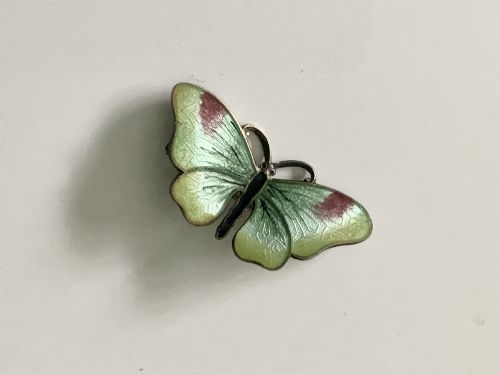
Antique Jewellery Pin
When you search for an antique jewellery pin, you uncover a diverse array of fastening ornaments spanning Victorian, Edwardian, and Art Deco periods.
Antique Jewellery Pin
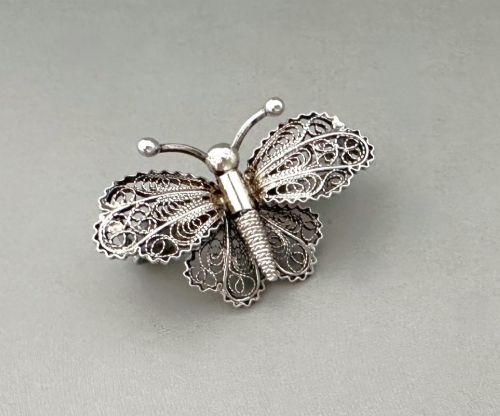
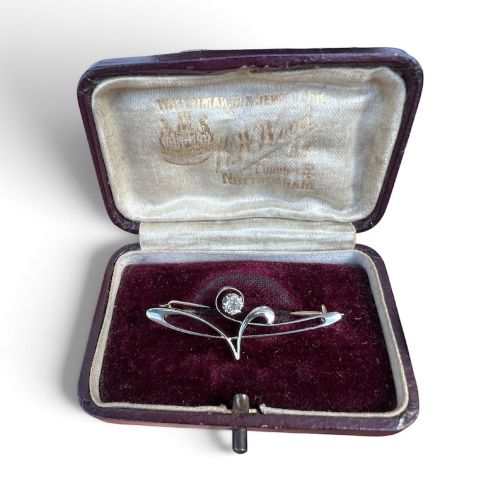
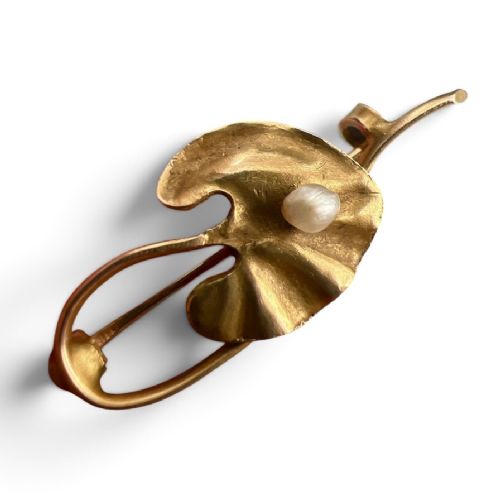
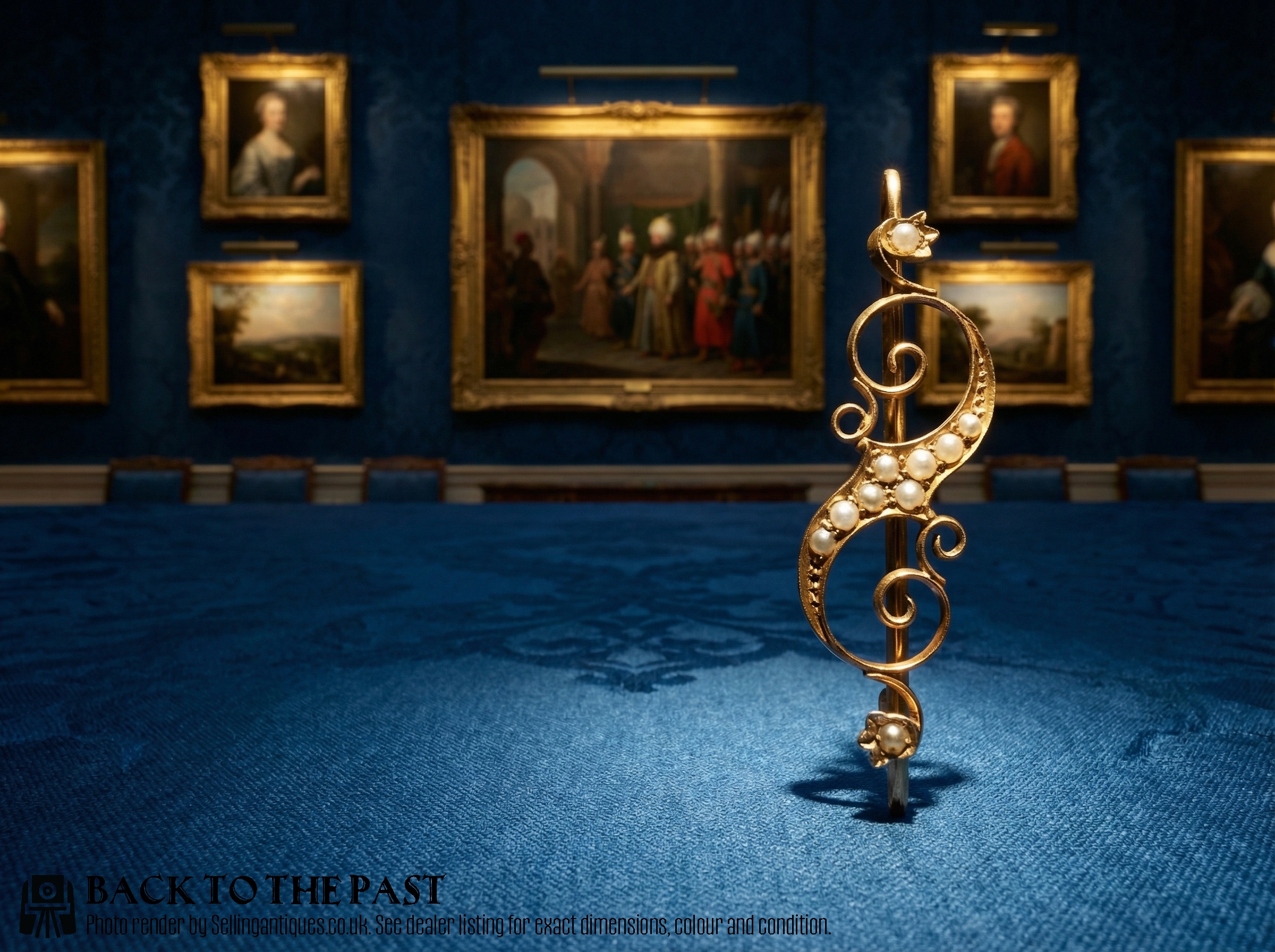
The term antique jewellery pin encompasses brooches, bar pins, and stick pins fashioned across the nineteenth and twentieth centuries in various regional styles. Pieces frequently take the form of floral sprays, insects, geometric bars, or figurative subjects.
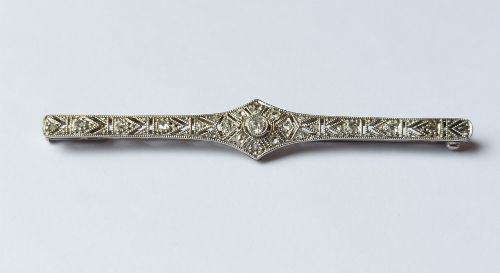
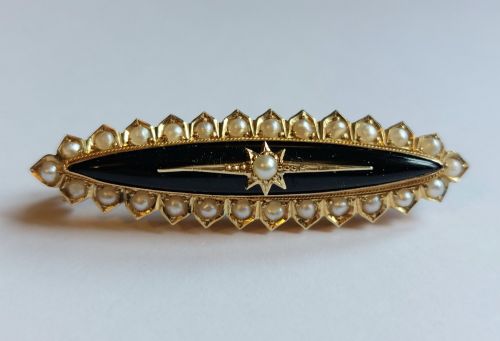
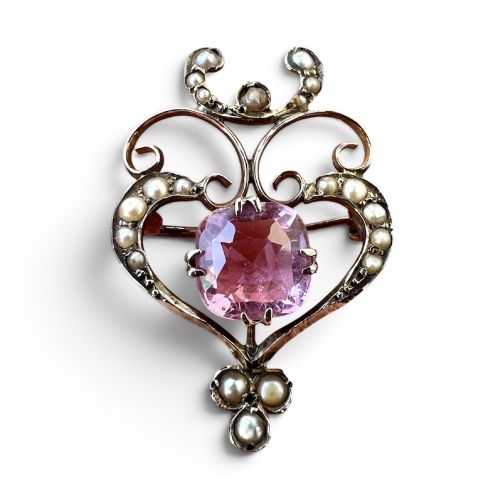
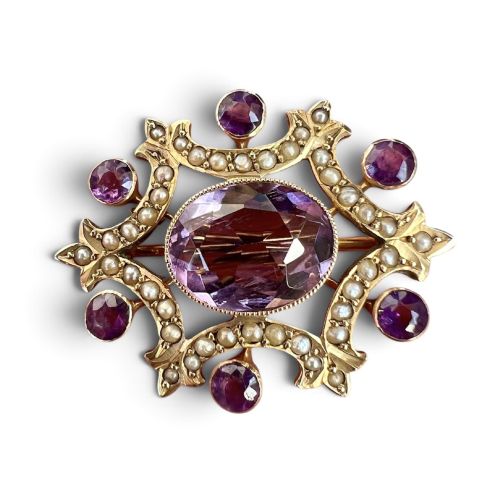
Victorian and Edwardian examples dominate the selection, often incorporating mourning elements, seed pearls, and coloured gemstones set in silver or gold. Art Deco variants introduce platinum, symmetrical lines, and faceted diamonds.
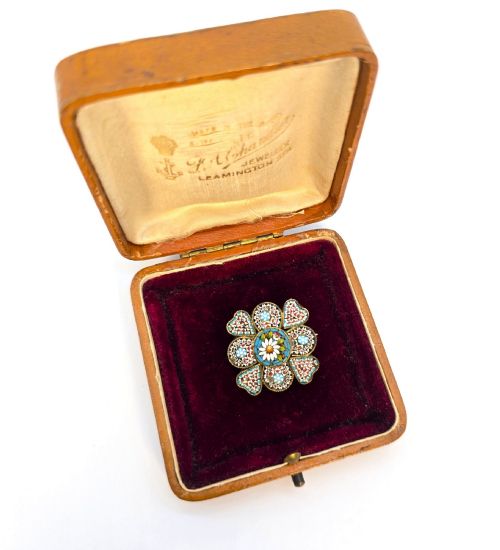
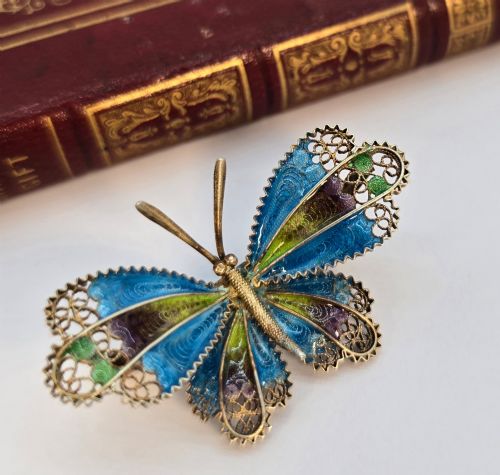
Specialised regional forms like Scottish pebble brooches utilise local agates and citrines mounted in silver, while continental pieces bring micro mosaic or guilloche enamel work to the surface.
Materials and construction methods
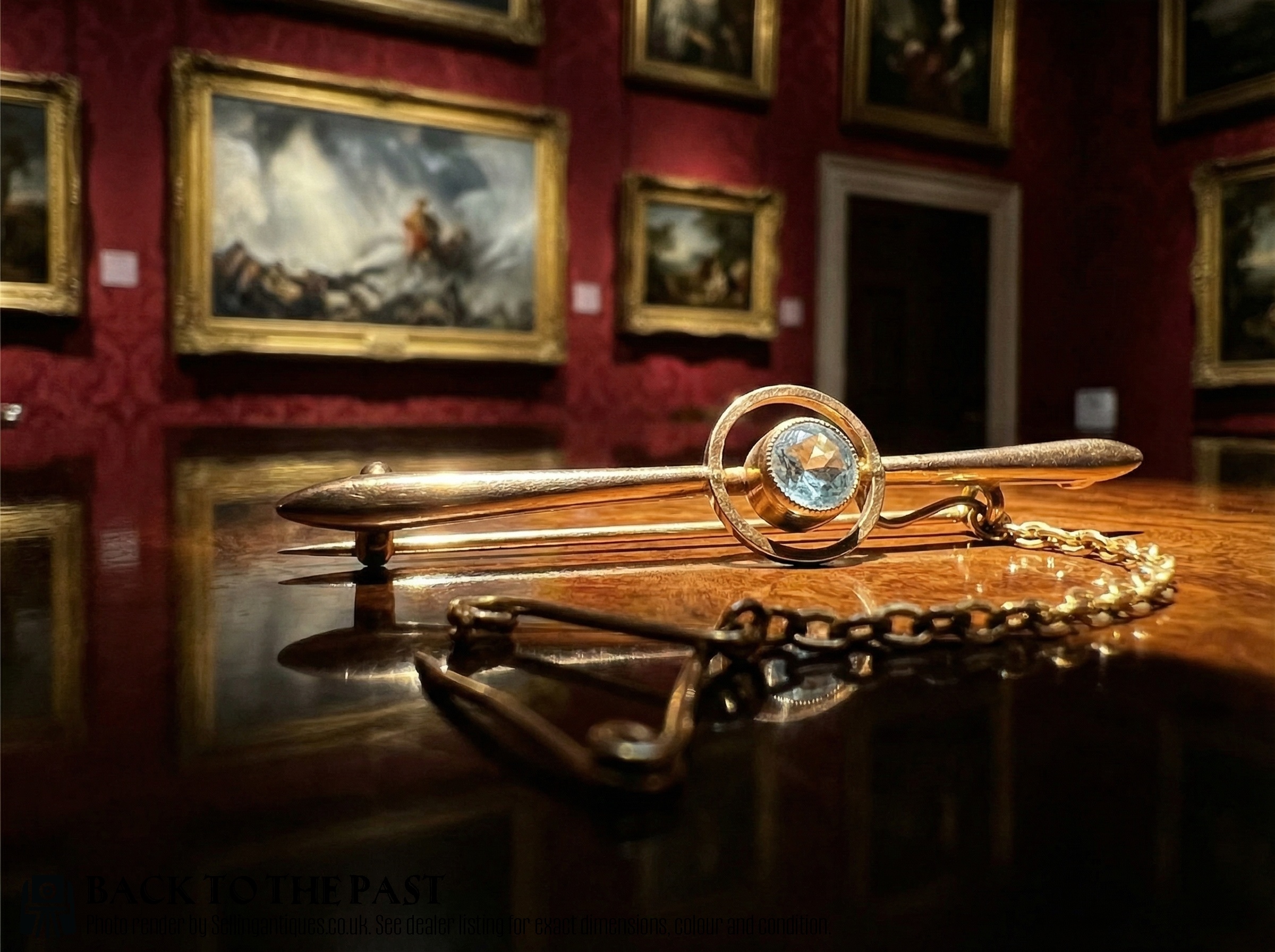
Metals span sterling silver, silver gilt, platinum, and various purities of gold including 9ct, 15ct, and 18ct, alongside base metal pins and components. Goldsmiths and silversmiths shaped these through casting, filigree wirework, and chased decoration.
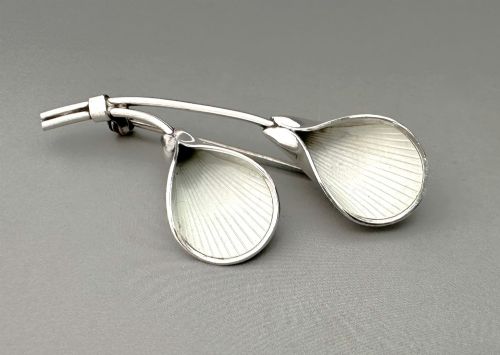
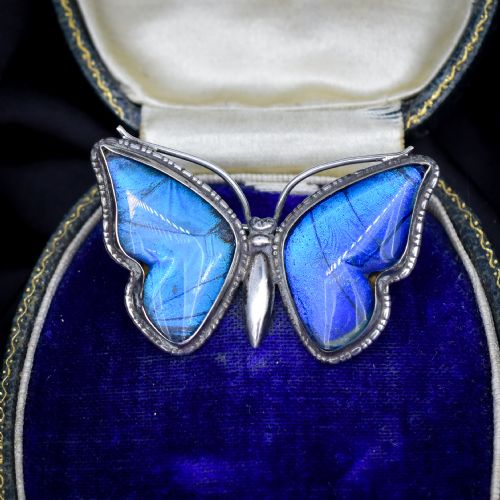
Gemstone selection relies on diamonds, rubies, sapphires, turquoises, tourmalines, garnets, aquamarines, and opals, complemented by organic materials like seed pearls and butterfly wings. Enamelling techniques such as guilloche add translucent colour over engine-turned metal bases.
Antique Jewellery Pin Retail Price Guide 2026
Typical asking prices for jewellery pin among the pieces listed under this phrase on Sellingantiques today, from the lower quarter to the upper quarter. They describe what is for sale here now, not the wider market.
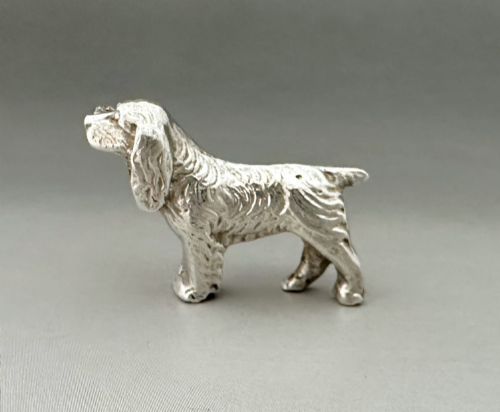
Silver Spaniels and diamond chicks keep watch over a menagerie that includes lizards, butterflies, and beetles.
Evaluating craftsmanship and condition
Excellence in these ornaments rests upon the precision of stone setting, the integrity of enamel work, and the delicacy of metal filigree. Higher-grade items display secure bezel or claw settings with clean solder joints and minimal surface wear.
The artistic ambition of the design dictates distinction, separating mass-produced stamped items from bespoke pieces featuring hand-cut gems, micro mosaics, or engraved details. Original clasps, pin stems, and safety chains further distinguish superior survivals.
A H Darby And Son·H H Curtis·Charles Horner·Mappin And Webb Ltd
The Antique Jewellery Pin Glossary
- Bar brooch
- A narrow horizontal metal bar that acts as the primary structure of the ornament, frequently accented with central gemstones or motifs.
- Guilloche enamel
- A decorative technique where enamel is applied over a metal surface that has been mechanically engraved with a repetitive geometric pattern.
- Seed pearl
- A very small natural or cultured pearl, often half-drilled and glued or pegged onto a backing in clusters.
- Micro mosaic
- An intricate image constructed from tiny coloured glass tesserae assembled to form pictorial motifs such as flowers or landmarks.
- Silver gilt
- Sterling silver that has been coated with a thin layer of gold, providing the warm tone of gold combined with a silver base.
Antique Jewellery Pin: Frequently Asked Questions
How do I date an antique brooch?
Dating relies on stylistic markers, metal hallmarks, and the mechanical design of the pin stem and clasp. Earlier Victorian pieces often feature extended pin stems projecting beyond the body, whereas twentieth-century items introduce safety catches.
Material choices also guide chronology, with platinum and geometric motifs pointing to the Art Deco era, while seed pearls and coloured stones are frequently characteristic of Victorian and Edwardian work.
What is a mourning brooch?
A mourning brooch is a commemorative piece created to remember a deceased person, often incorporating dark materials like black onyx, jet, or woven human hair beneath a glass compartment.
These pieces were widely produced during the Victorian period and frequently combined with seed pearls or gold lettering to signify remembrance.
How were bar pins worn?
Bar pins were traditionally worn fastened across lapels, collars, cravats, or the front of a blouse to secure fabric or serve purely as ornamental dress accessories.
Their elongated horizontal shape made them particularly suited for anchoring scarves or high collars during the late nineteenth and early twentieth centuries.
What distinguishes Scottish pebble jewellery?
Scottish pebble jewellery utilises native stones such as agates, jaspers, and citrines sourced from Scotland and mounted in traditional silver settings.
Popularised during the Victorian Scottish Revival, these pieces often reflect natural forms like dirks, shields, or thistles.