


Antique Jewellery Chest Drawers
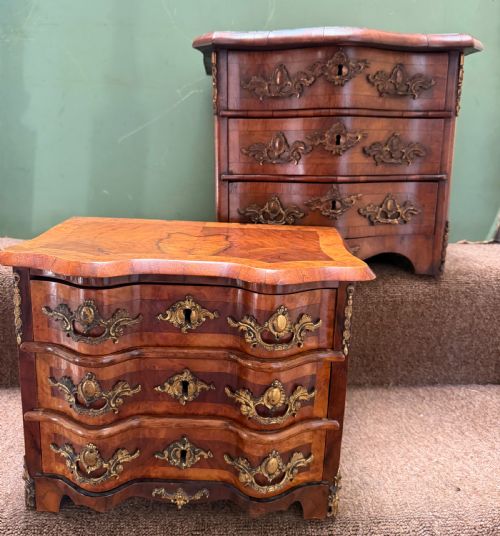
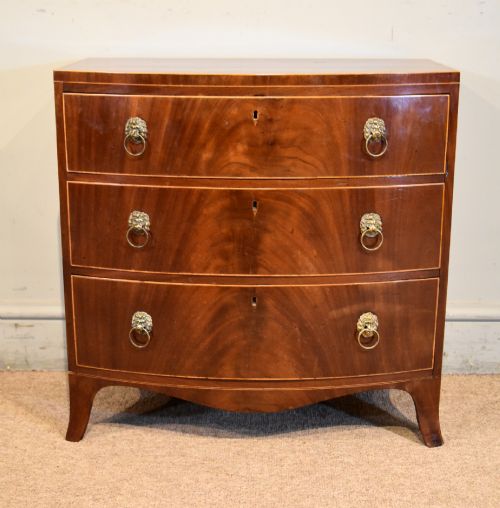
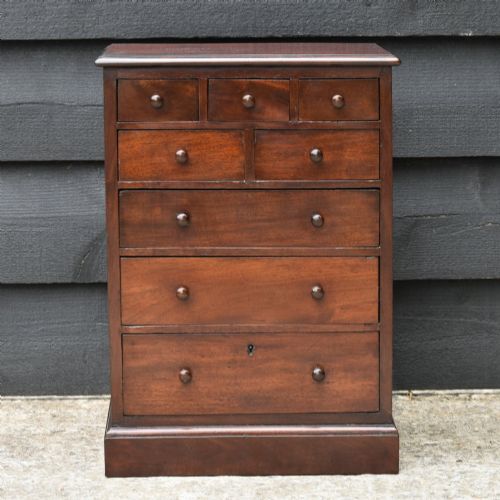
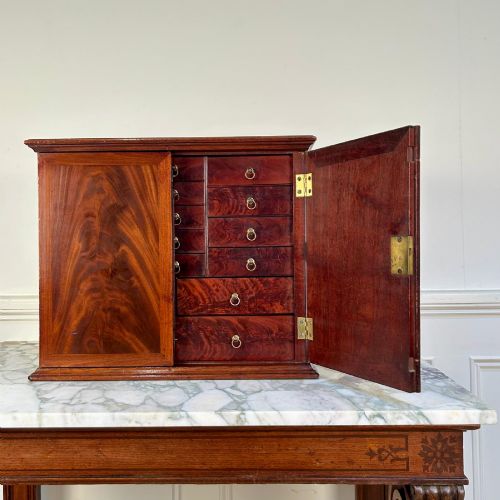
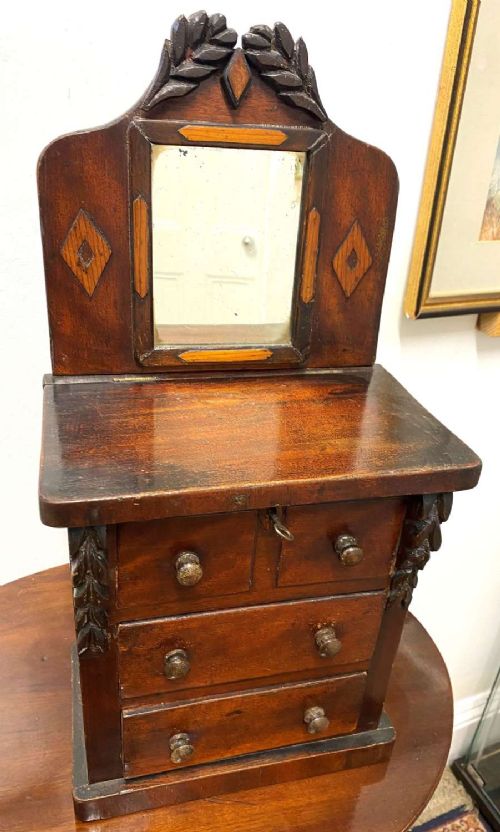
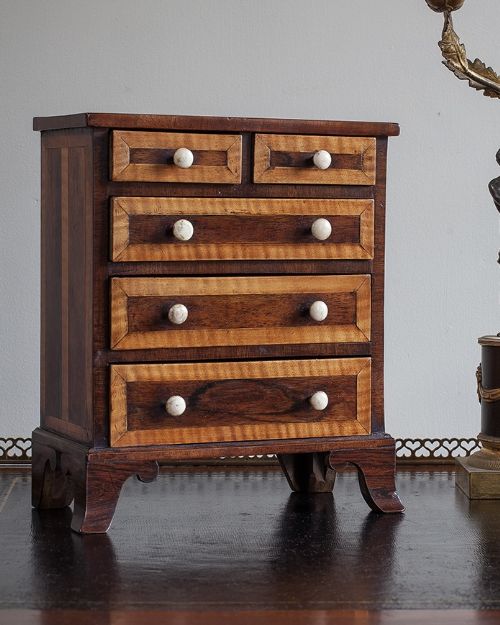
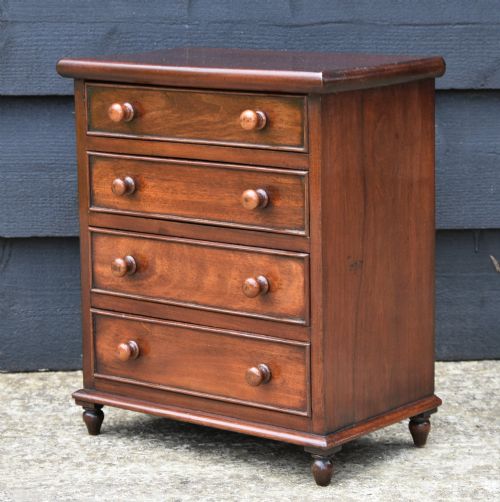
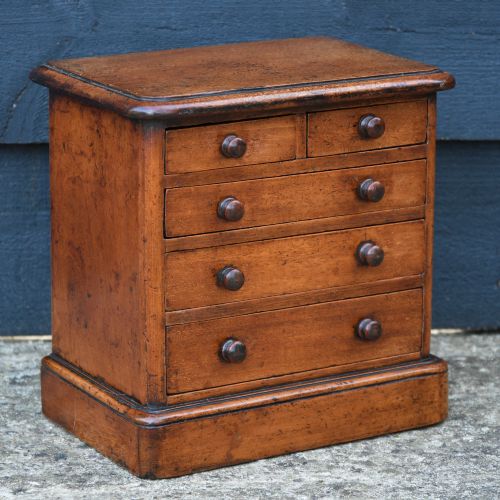
These antique jewellery chest drawers are compact miniature pieces created to house small valuables or serve as working models.
Antique Jewellery Chest Drawers
When searching for antique jewellery chest drawers, buyers encounter a diverse selection of miniature furniture, tabletop cabinets, and small collectors' chests. These items span periods from the eighteenth century through to the Edwardian era, encompassing Georgian, Regency, and Victorian designs.
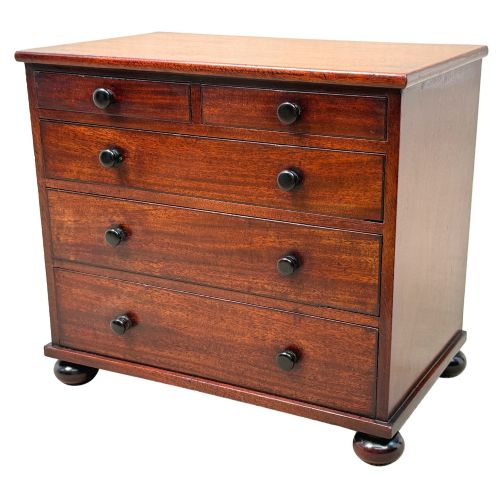
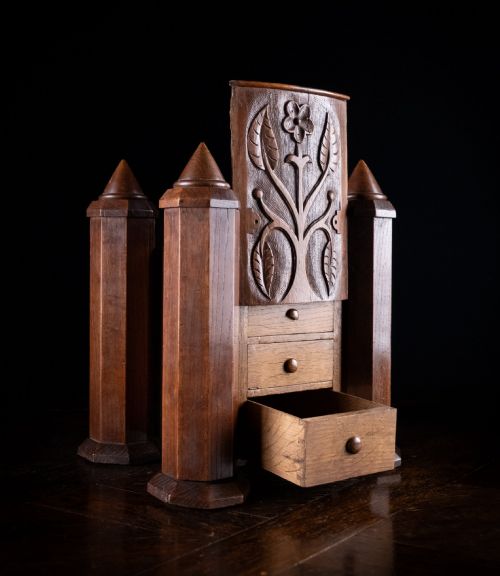
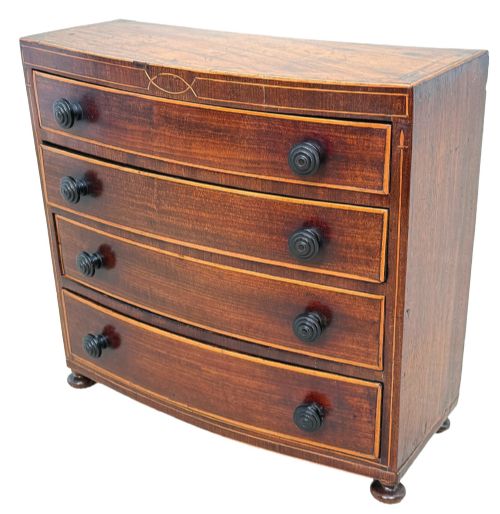
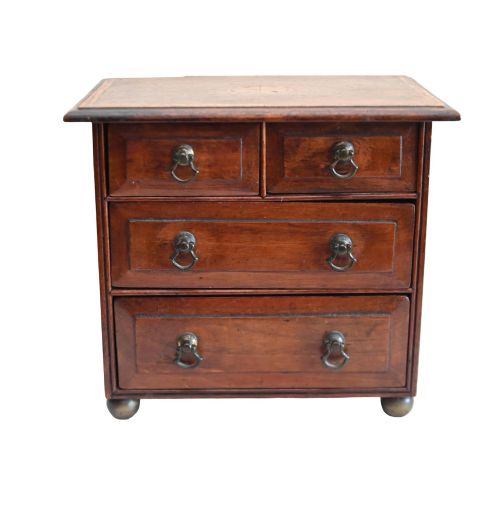
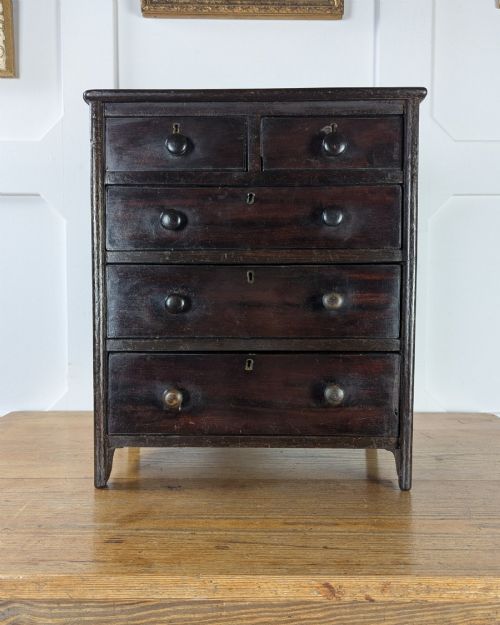
The most common examples on this page are Victorian mahogany miniature chests of drawers, often referred to as apprentice pieces. Alongside these traditional British forms appear Anglo-Indian inlaid hardwoods, French variants, and Welsh carved slate folk art models.
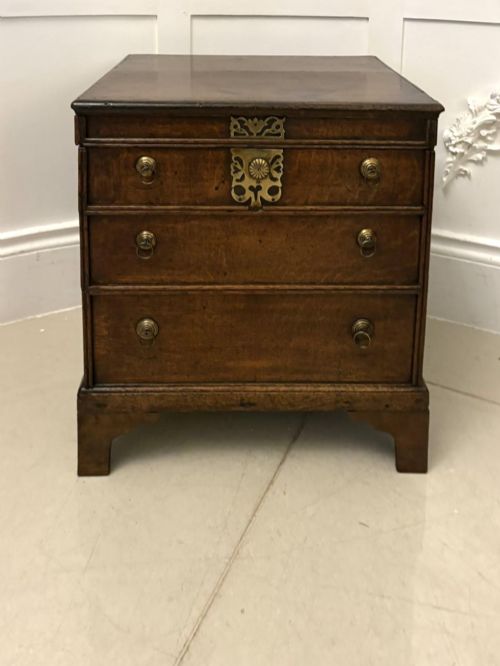
Functioning historically as portable storage for trinkets, rings, or papers, these small chests duplicate the architectural detailing of full-sized furniture scaled down for tabletop use.
How they were made
Cabinetmakers constructed these miniature chests using cabinet timbers such as mahogany, walnut, oak, elm, rosewood, and pine. Surfaces frequently display matched veneers, figured grain patterns, or decorative inlay work.
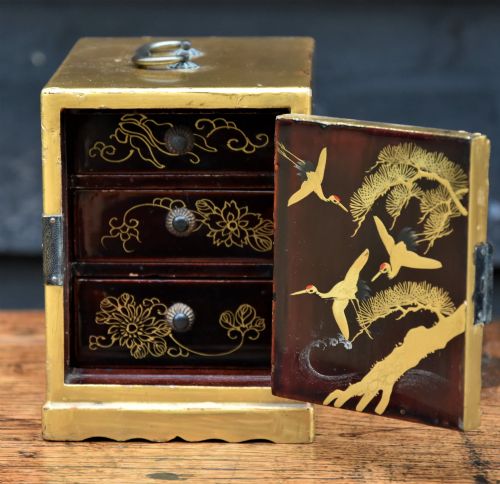
Hardware details typically involve small brass handles, turned feet, and functional locks with keys. Specialised pieces incorporate painted finishes, carved slate, or black lacquer work depending on regional origin.
Antique Jewellery Chest Drawers Retail Price Guide 2026
Typical asking prices for jewellery chest drawers among the pieces listed under this phrase on Sellingantiques today, from the lower quarter to the upper quarter. They describe what is for sale here now, not the wider market.
Several miniature chests double as watch and clock repairers' storage, hiding secret compartments alongside standard drawers.
What varies in quality
Distinctions across the range depend on the fidelity of the miniature scale and the precision of the joinery. Superior examples maintain the exact proportions and dovetail construction found in full-scale furniture of the period.
The choice of primary timber and secondary wood influences the character of the piece, with figured walnut, burr oak, and dense mahogany representing the finer material selections.
The Antique Jewellery Chest Drawers Glossary
- Apprentice piece
- A small-scale item produced by a tradesman to demonstrate skill to a guild or master. These often duplicate standard furniture forms in miniature.
- Miniature furniture
- Scale models of chests, cabinets, and desks built by cabinetmakers. They served as salesman samples or domestic tabletop furnishings.
- Collector's cabinet
- A small case fitted with multiple internal drawers or compartments designed to hold specimens, coins, or jewellery. These often include locking doors.
- Bowfront
- A curved front profile common on Georgian and Victorian chests. This style softens the linear geometry of the cabinet.
- Treen
- Small handmade wooden domestic objects. The category includes small boxes and miniature chests.
Antique Jewellery Chest Drawers: Frequently Asked Questions
What is an apprentice chest?
An apprentice chest is a small-scale model built by a woodworker to demonstrate proficiency in cabinetmaking techniques. These pieces duplicate full-sized chests in miniature.
They frequently feature working drawers and traditional joinery scaled down for a tabletop setting.
How were these small chests used?
These small chests served multiple domestic purposes including the storage of jewellery, trinkets, and personal documents. Wealthy households utilised them on dressing tables.
Collectors also used similar tabletop cabinets to organise specimens, coins, and small artefacts.
How do I date an antique miniature chest?
Dating relies on identifying period characteristics in the timber, handles, and construction methods. Georgian pieces display different moulding profiles and feet compared to Victorian examples.
Secondary woods inside the drawers also provide clues to the geographic origin and era of manufacture.
What is a Wellington chest?
A Wellington chest is a tall, narrow cabinet secured by a hinged locking side pilaster that fastens across all the drawer fronts. Miniature versions integrate this locking mechanism into a tabletop format.
Regency and Victorian makers produced these for secure storage of valuable items.