


Antique Jelly Mould
These antique jelly mould pieces turn historic kitchenware into striking display objects that bring texture and authentic period character to any interior.
What these pieces are
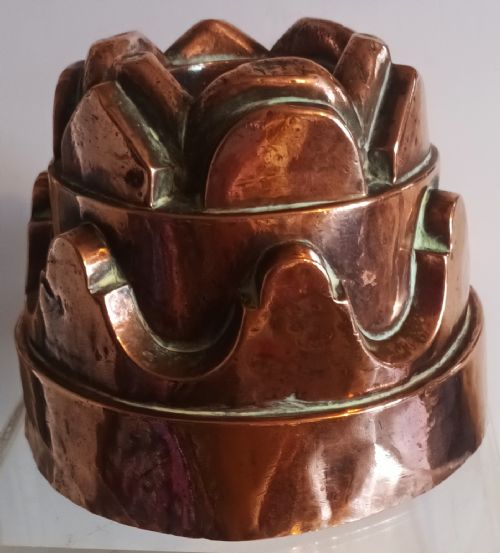
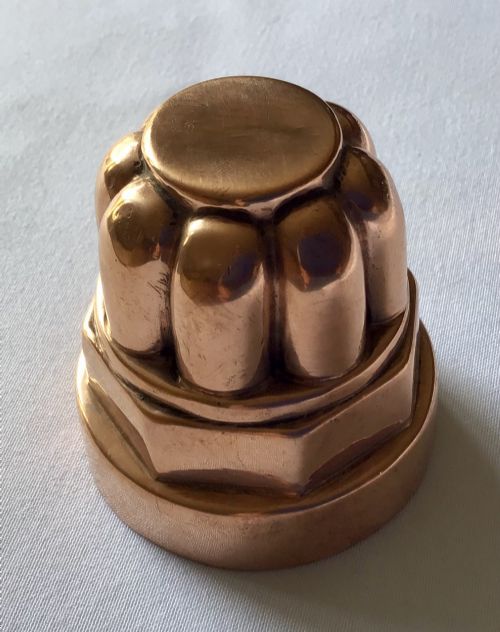
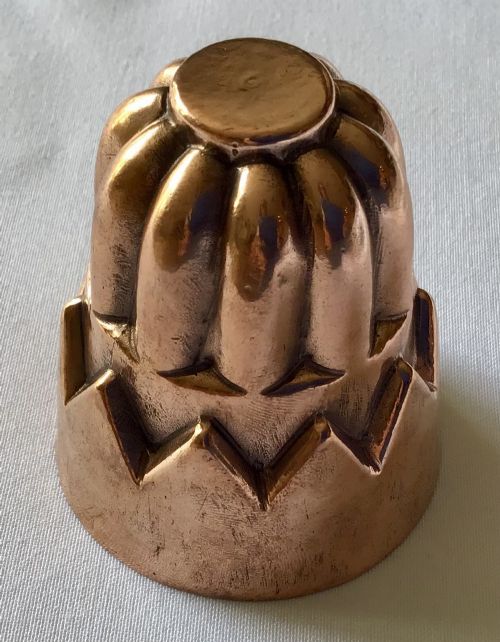
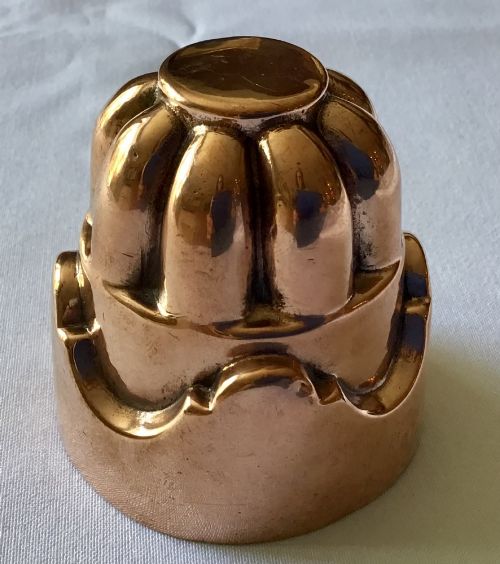
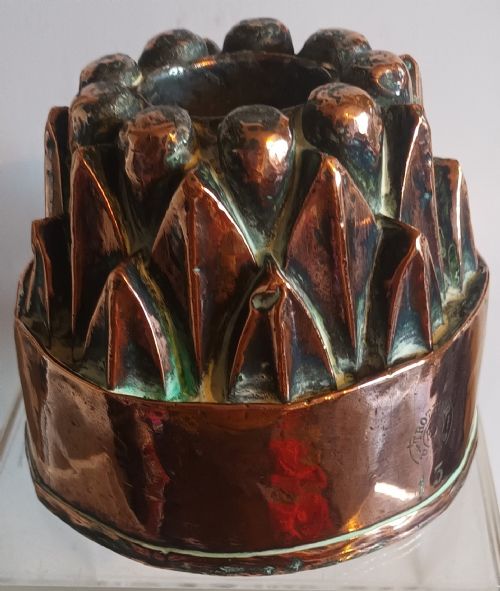
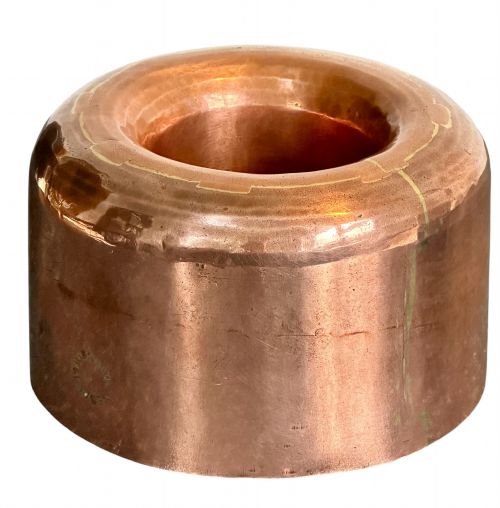
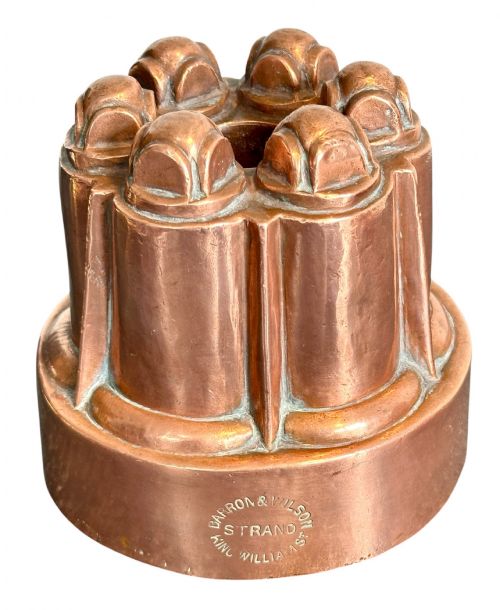
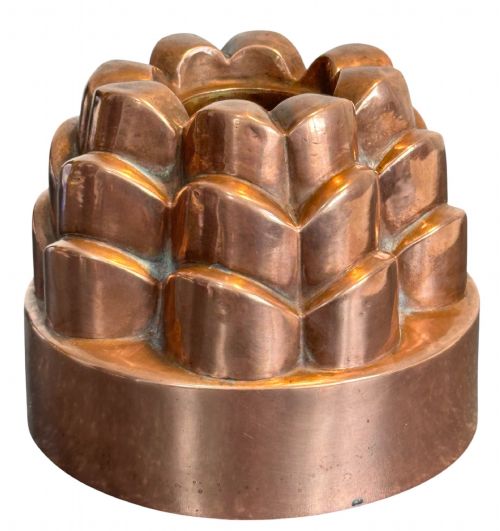
When you search for an antique jelly mould, you are looking at practical kitchenware designed to shape gelatinous desserts and savouries during the nineteenth century. These culinary vessels survive from the Victorian period, originating mainly in England and finished for both domestic food preparation and display.
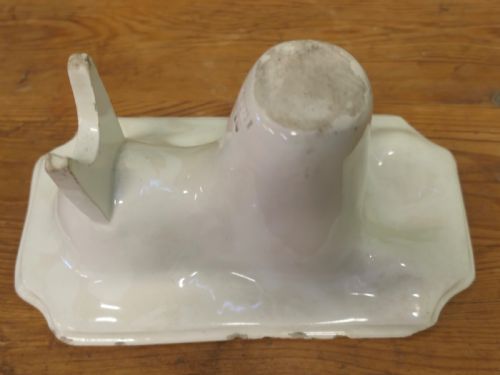
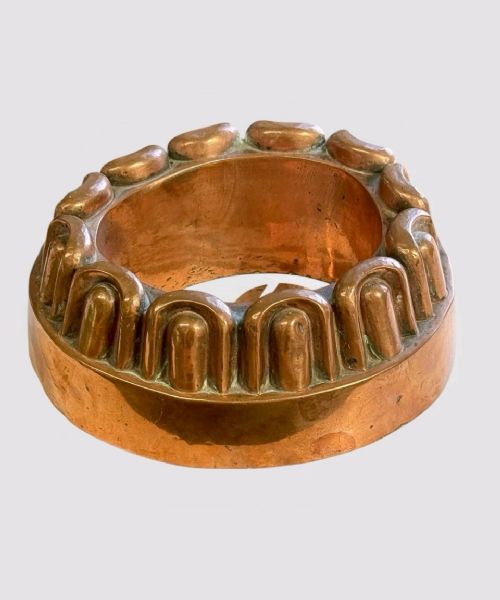
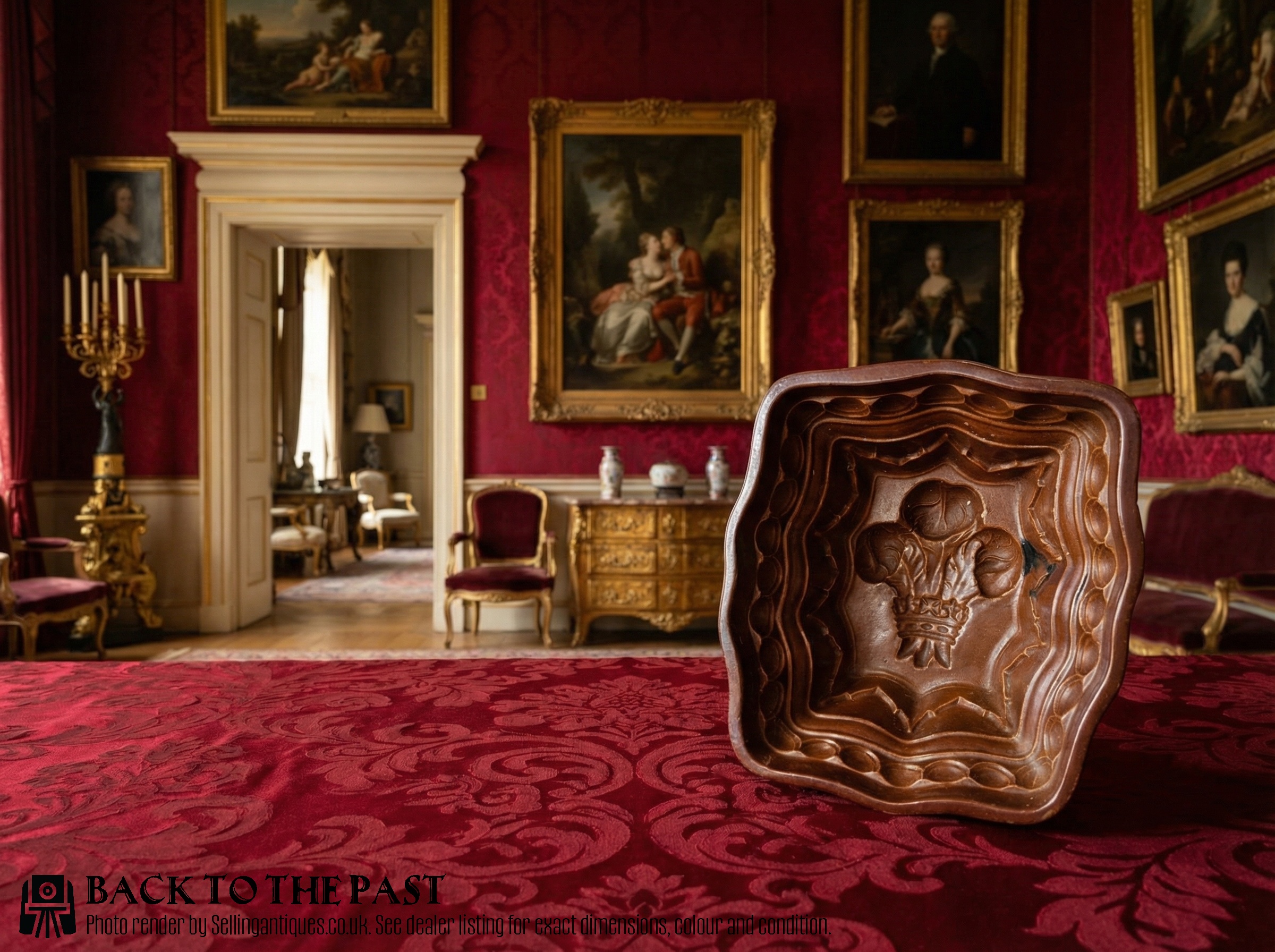
The versions you are most likely to meet on this page include heavy copper kitchen moulds and glazed stoneware jelly moulds. Some examples feature specific figural or heraldic motifs, such as the Prince of Wales feathers or a cat design, while others follow classic oval and geometric patterns.
Makers produced these objects in varied materials including tin, bronze, metal, and ceramic. Beyond kitchen use, inventive adaptations occasionally appear, such as nineteenth century stoneware examples converted into table lamps.
How they were made
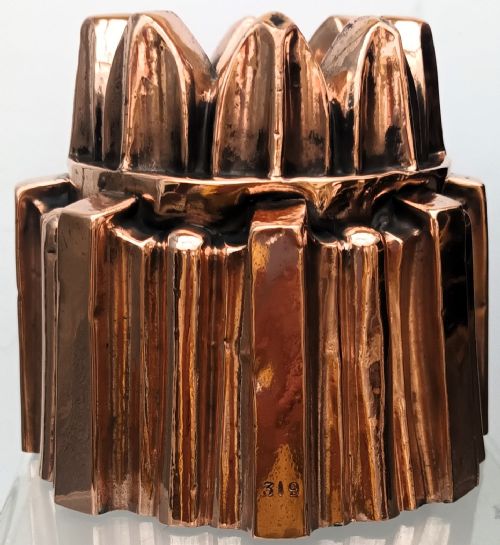
Makers formed copper kitchen moulds by hand, beating sheet metal over shaped stakes or blocks to create deep fluted cavities and sharp interior details that would transfer cleanly onto turned food. Workshops often reinforced the rims with folded edges or applied brass rings for hanging.
Stoneware and ceramic jelly moulds relied on press-moulding techniques within clay workshops, followed by the application of an impermeable glaze to seal the porous body. Metal versions frequently incorporated tinned interiors to prevent food taint from the underlying copper or bronze.
Retail Price Guide 2026
Typical UK retail prices for jelly mould, calculated from the Sellingantiques database of over a million retail prices indexed since 2003. This retail price guide relies exclusively on Sellingantiques data; no external sources or auction records are used, so the figures do not describe the wider market.
The archive records nineteenth-century English stoneware and copper culinary vessels, including specialised animal forms like cat moulds.
What varies in quality
The distinction between standard kitchenware and superior pieces rests on the crispness of the modelling and the depth of the relief work. Finely detailed copper and stoneware examples retain sharp lines and clean geometric or figural definitions after decades of use.
Weight and structural integrity also separate the range, as heavier gauge copper and dense, well-fired stoneware demonstrate sturdiness. Surviving makers' marks, pattern numbers, and retainment of original tinned linings elevate specific examples within the archive.
Benham
The Antique Jelly Mould Glossary
- Kitchenalia
- Domestic utensils and equipment collected for their decorative and historical appeal. These items document nineteenth century culinary practices.
- Stoneware
- A robust, vitrified ceramic fired at high temperatures. It resists moisture and provides a durable surface for glazed culinary moulds.
- Relief
- Raised ornamentation on the interior or exterior surface of a vessel. Deep relief ensures the moulded jelly retains a clear pattern.
- Pattern number
- An identifying stamp or cipher used by manufacturers to record specific designs. These numbers help trace production origins.
Frequently Asked Questions
What were antique jelly moulds used for?
These vessels served kitchens across the nineteenth century for setting jellies, aspics, and blancmanges before refrigeration existed. Cooks relied on their intricate internal shapes to produce ornate, freestanding centerpieces for formal dining tables.
Once turned out, the jellies displayed elaborate architectural or figural designs that demonstrated the household's culinary ambition. Today, collectors display them on walls or shelves rather than using them for food.
How do I tell copper and stoneware moulds apart?
Copper examples consist of hammered metal sheets, often showing tinned interior surfaces and rolled rims designed for hanging in a pantry. They present warm metallic tones that develop varied patinas over time.
Stoneware versions are heavier ceramic vessels finished with durable glazes in neutral or earthy tones. They rely on moulded clay walls rather than beaten metal to hold their shape during firing.
Are all these moulds from the Victorian period?
The available evidence shows these kitchen pieces concentrated heavily in the nineteenth century, particularly around the Victorian era and the eighteen-eighties. English workshops dominated this production of culinary metalware and ceramics.
Specific dates within listings reflect stylistic markers or stamped registry marks from that period. The designs mirror the broader aesthetic preferences of nineteenth-century domestic life.