




Antique Japanese Saucers
These antique japanese saucers are delicate ceramics and metalwork objects shaped for display or service during the Meiji and Taisho periods.
Antique Japanese Saucers
When you search for antique japanese saucers, you are looking at small ceramic and enamel vessels produced across the nineteenth and early twentieth centuries. These items include delicate teacups and saucers, small plates, and individual dishes created for dining or ritual use.
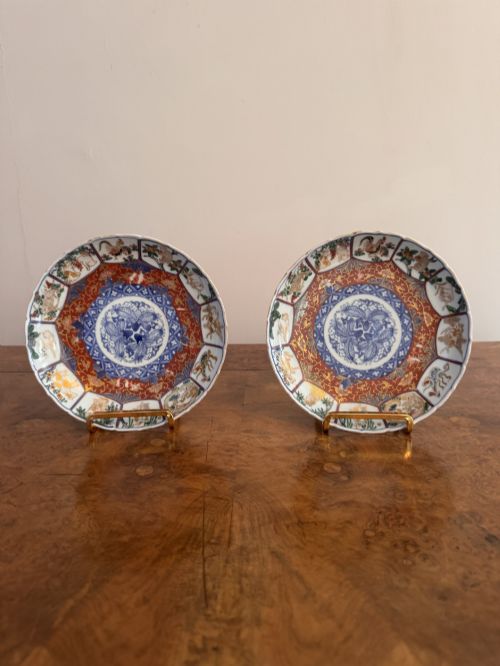
The pieces appearing on this page span several decades of production, incorporating styles such as Japanese Imari, Meiji period designs, and Satsuma ware. Most examples date from the late nineteenth century through to the early decades of the twentieth century.
Forms vary from standard tea service components to decorative dishes and carved sencha trays used during tea ceremonies. Many items arrive in matched sets or pairs rather than as isolated single pieces.
Materials and construction methods
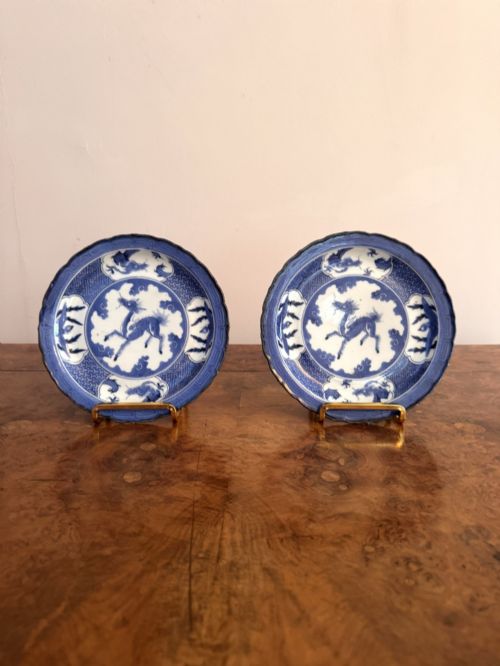
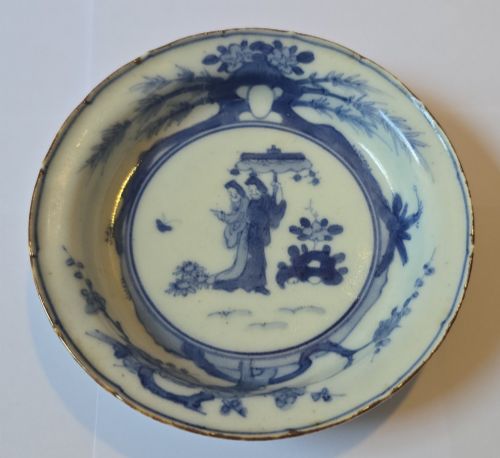
Makers utilised fine porcelain, earthenware, and stoneware as the primary body materials for these vessels. Cobalt blue underglaze and cobalt glaze provide the foundational blue tones seen on many of the plates and cups.
Enamel, gold leaf, and gilt details are applied over the surface to create rich decorative patterns, as demonstrated in Satsuma ware and Imari pieces. Certain items incorporate applied figures or carved wooden elements, showing the diversity of Japanese craftsmanship.
Antique Japanese Saucers Retail Price Guide 2026
Typical asking prices for japanese saucers among the pieces listed under this phrase on Sellingantiques today, from the lower quarter to the upper quarter. They describe what is for sale here now, not the wider market.
Some cups feature tiny applied sage figures clinging to the side, peering out at the tea drinker.
Assessing quality and craftsmanship
The fineness of the painting and the precision of the cobalt blue underglaze application distinguish standard production from superior examples. Hand-painted details, complex gilt work, and intricate enamel layering indicate higher levels of artisan skill.
The clarity of the porcelain body and the preservation of delicate applied figures or gold leaf elements affect the overall standing of each piece. Completeness within a matched set or pair also influences the character of the collection.
Ishiguro Kōko·Taniguchi
The Antique Japanese Saucers Glossary
- Imari
- A style of Japanese porcelain featuring a distinct palette of cobalt blue, iron red, and gilt highlights. This decorative approach became popular for both domestic use and export markets.
- Meiji Period
- The era in Japanese history spanning from 1868 to 1912, characterised by rapid modernisation and an explosion of decorative arts destined for international trade.
- Satsuma Ware
- A type of Japanese earthenware featuring a crackled ivory glaze decorated with polychrome enamels and raised gold. It is frequently associated with elaborate floral or figurative scenes.
- Cobalt Blue Underglaze
- A blue pigment applied directly to the raw ceramic body before firing and glazing, ensuring the colour remains permanent and protected beneath the glassy surface.
Antique Japanese Saucers: Frequently Asked Questions
How do I care for antique japanese saucers?
Wash these delicate ceramics gently by hand using lukewarm water and mild soap, avoiding dishwashers entirely to protect the enamel and gold leaf.
Store them securely on stable surfaces or within dedicated cabinet displays where they will not suffer knocks from other tableware.
Were these saucers used for daily dining?
Many of these items served practical roles in tea consumption and formal dining, particularly the pieces paired with teacups or bowls.
Others were created primarily as decorative plates and dishes intended for visual appreciation rather than regular service.
What is the difference between Imari and Satsuma ware?
Imari pieces utilise hard porcelain decorated with cobalt blue and iron red pigments, often highlighted with gold.
Satsuma items consist of earthenware with a characteristic ivory crackle glaze, richly adorned with coloured enamels and raised gilding.
How can I date my japanese saucer?
Examine the stylistic markers, materials, and associated periods such as the Meiji or Taisho eras recorded in the piece details.
Maker marks, signatures, and construction techniques also help place the item within a specific nineteenth or early twentieth-century timeframe.