

Antique Japanese Lighting
Antique japanese lighting brings together metalwork and ceramics from the Edo and Meiji periods, transformed into lamps for interiors.
Antique Japanese Lighting
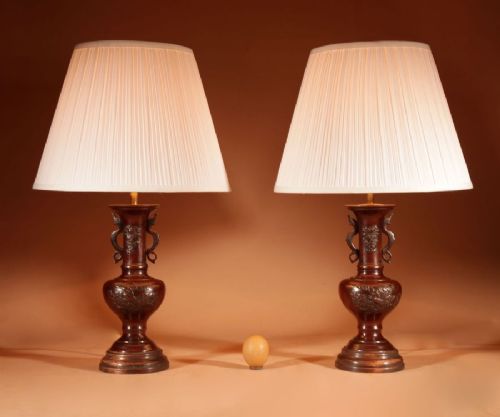
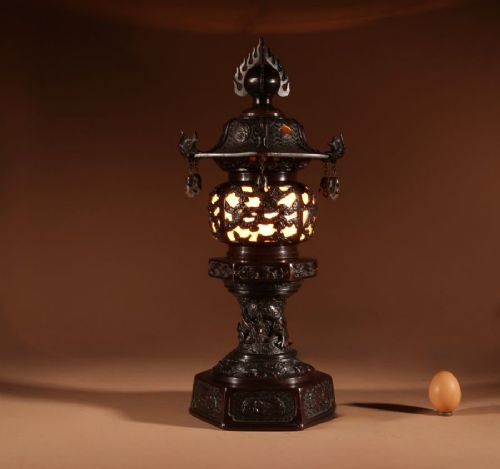
Antique japanese lighting primarily consists of table lamps, floor lamps, and candlesticks adapted from earlier ceramic vessels, bronze vases, and temple lanterns. These pieces span from the late seventeenth century through the nineteenth century, covering the Edo and Meiji periods.
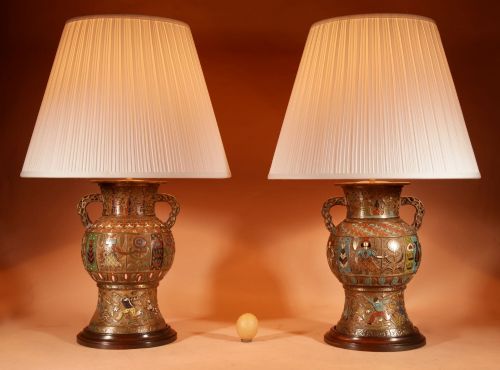
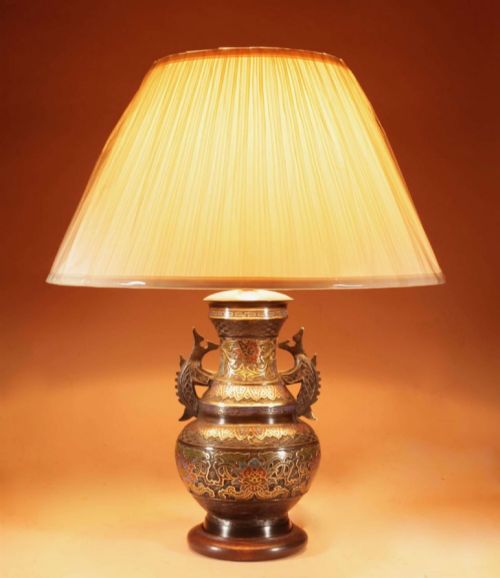
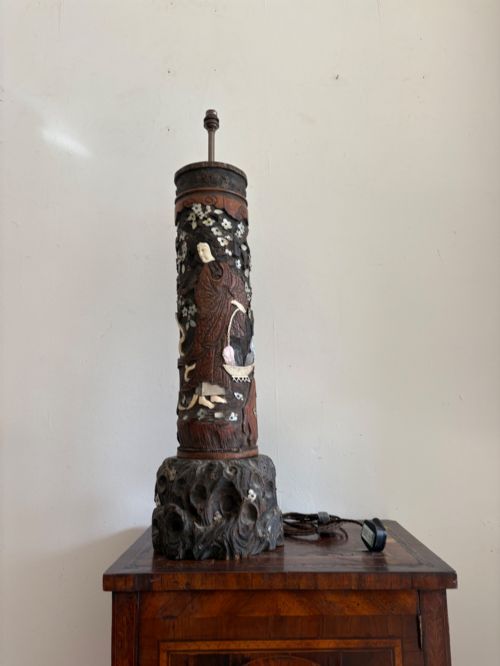
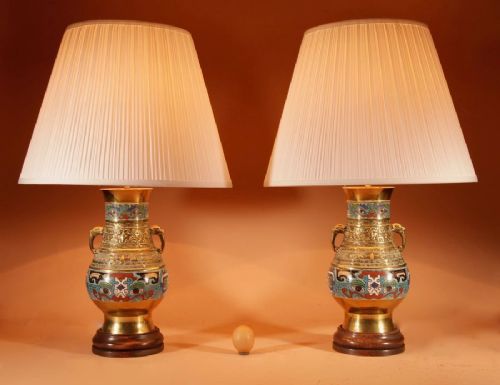
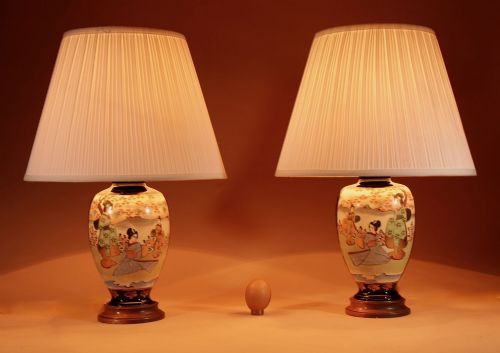
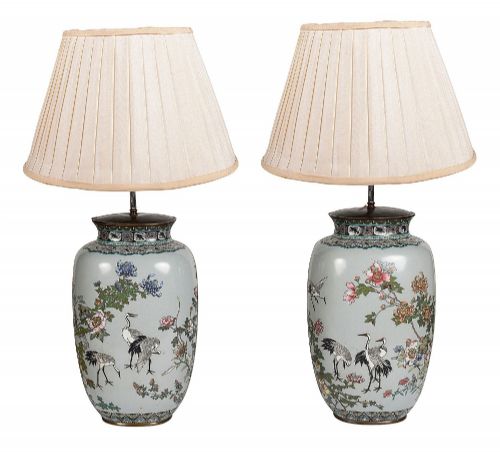
Table lamps created from bronze, Satsuma earthenware, Kutani porcelain, and Imari ceramics dominate the selection available on this page. Many incorporate champlevé or cloisonné enamel work, alongside converted brush pots and pricket candlesticks.
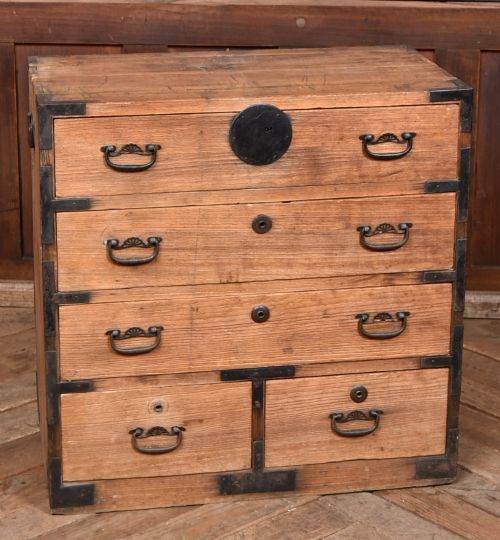
Buyers also encounter hanging lanterns and occasional pieces such as tansu chests alongside the main lighting categories. The majority of these objects originate from the nineteenth century, reflecting increased production for Western export during the Meiji era.
How They Were Made
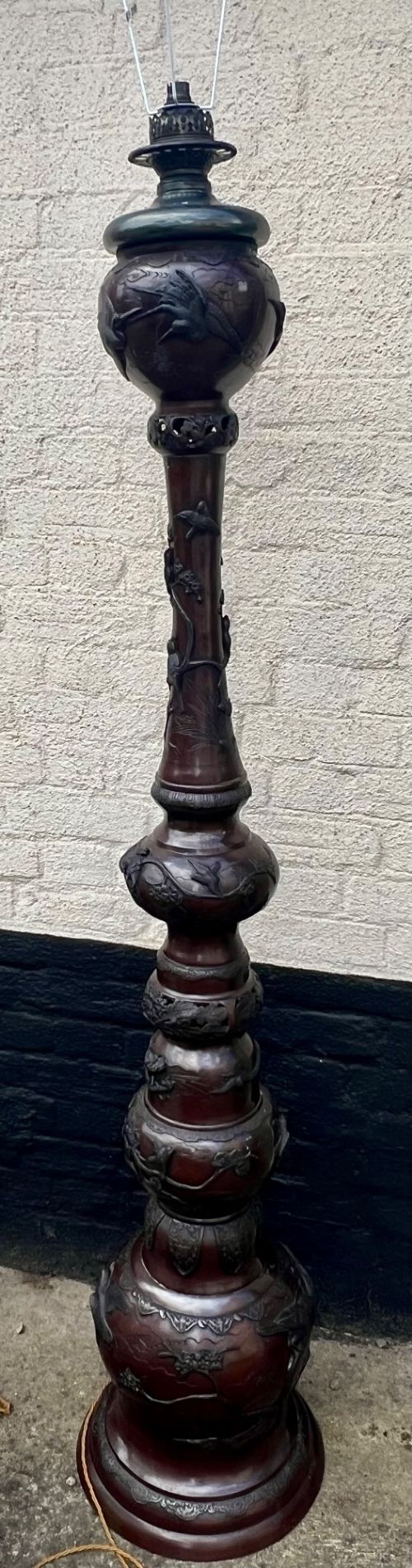
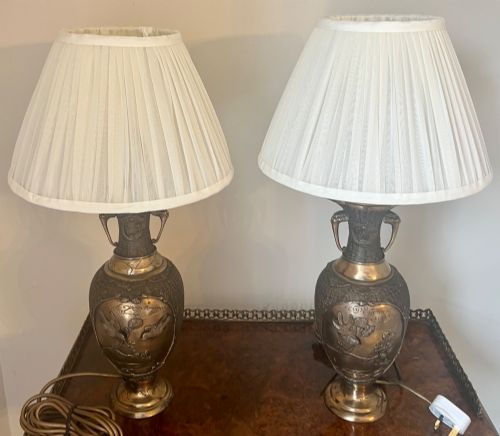
Makers utilised bronze, brass, and ormolu for cast metal bases, candlesticks, and structural mounts, frequently combining them with intricate enamel techniques such as champlevé and cloisonné. These metallic elements provide the robust armature for the majority of the lamps.
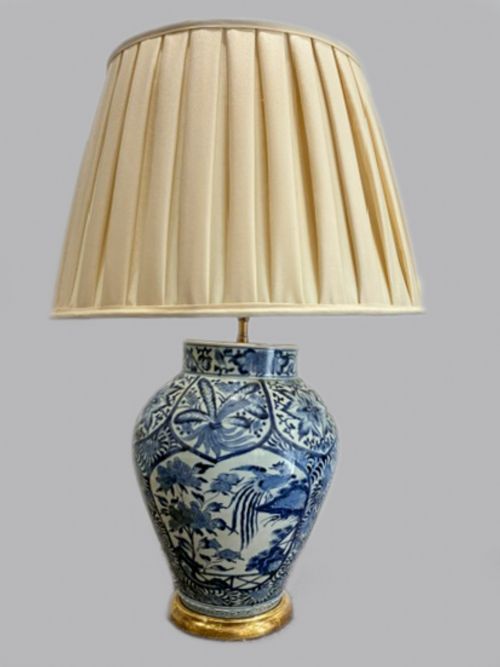
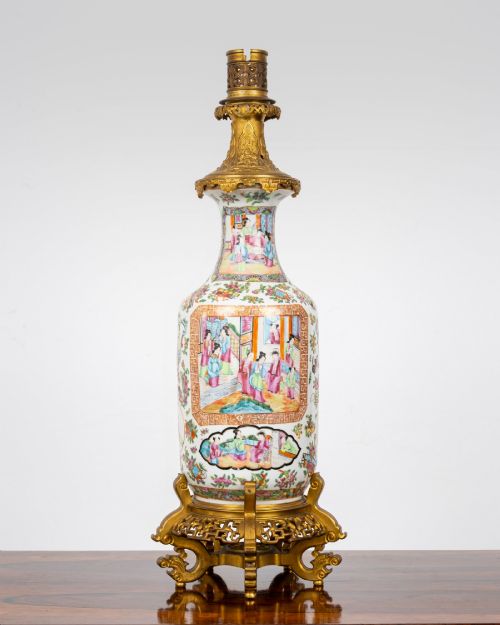
Ceramic bodies were formed from porcelain and earthenware, including Satsuma, Kutani, and Arita Imari wares, painted with detailed motifs and blue and white glazes. Many of these ceramic vessels were later converted into lamps by the addition of electrical fittings or mounts.
Secondary materials such as carved wood, mother of pearl, fabric, and silk appear in specific pieces like brush pots and shade components, adding textural contrast to the hard ceramics and metals.
Antique Japanese Lighting Retail Price Guide 2026
Typical asking prices for japanese lighting among the pieces listed under this phrase on Sellingantiques today, from the lower quarter to the upper quarter. They describe what is for sale here now, not the wider market.
Listings feature items spanning the seventeenth to the twentieth centuries, with a heavy concentration of nineteenth-century Meiji period bronzes and porcelains.
What Varies in Quality
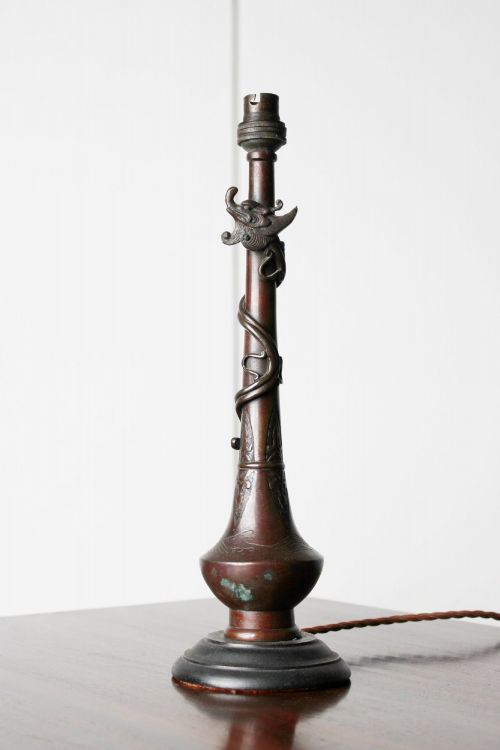
The precision of the metal casting and the complexity of the enamel work determine the upper tier of bronze and cloisonné pieces. Finely chased dragon motifs, deep champlevé recesses, and integrated ormolu mounts signal superior workshop execution.
Ceramic quality rests on the clarity of the Satsuma, Kutani, or Imari painting and the preservation of the glaze. Pieces that retain their original proportions without awkward conversions sit higher in the range than heavily altered vessels.
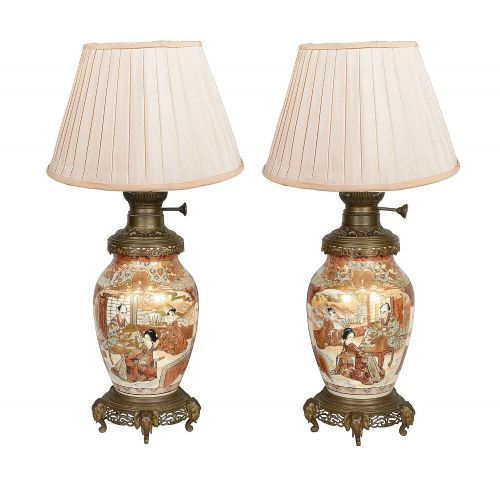
Pairs exhibit greater desirability and consistency, particularly when matched in size, subject matter, and decorative scheme, distinguishing them from single converted vases.
The Antique Japanese Lighting Glossary
- Meiji Period
- The period in Japanese history from 1868 to 1912, characterised by extensive trade with the West and high levels of decorative metalwork and ceramic production.
- Champlevé
- An enamel technique where troughs are dug into a bronze or metal surface and filled with vitreous enamel before firing.
- Cloisonné
- A method of decorating metal objects by soldering wire partitions to the base and filling the resulting compartments with enamel paste.
- Satsuma
- A type of Japanese earthenware featuring a pale, ivory-coloured crackle glaze, typically decorated with polychrome enamels and gilt.
- Imari
- Japanese porcelain decorated in underglaze blue and overglaze red, gold, and green, originating from the Arita region.
Antique Japanese Lighting: Frequently Asked Questions
How are antique Japanese lamps wired?
Most antique lamps are converted from earlier vases, bronzes, or candlesticks and have been retrofitted with modern electrical components for contemporary use.
Buyers should inspect the cord and plug to ensure the wiring meets current safety standards while preserving the original ceramic or metal body.
What is the difference between Satsuma and Kutani?
Satsuma ware consists of earthenware with a characteristic ivory crackle glaze and ornate enamel painting. Kutani refers to porcelain or pottery known for its bold colour palette, often dominated by greens, blues, and reds.
Both were widely adapted into table lamps during the nineteenth century.
Can I date these lamps by their style?
Stylistic markers such as the naturalistic bronze casting of the Meiji period or the distinctive blue and white glazes of earlier centuries help establish an approximate date. Many pieces carry characteristics of the late nineteenth century when export production peaked.
Changes in mount styles, such as ormolu additions, also offer clues to when a vase was converted into a lamp.
Where should I place a bronze floor lamp?
Bronze floor lamps and large table lamps require a stable surface and adequate clearance to showcase their cast details and enamelling. They function well as statement pieces in studies, hallways, or living rooms alongside period furniture.
Positioning them away from direct sunlight protects any silk shades and delicate fabric elements.