



Antique Japanese Export Bowl
An antique japanese export bowl brings centuries of overseas trade into the room, combining domestic craft with foreign tastes across the centuries.
Antique Japanese Export Bowl
An antique japanese export bowl appears in various forms on this page, spanning deep vessels, fluted shapes, scalloped edges, and plates designed for overseas markets. These objects bridge traditional forms with the demands of international trade, reflecting the aesthetics of periods from the seventeenth century through the Edwardian era.
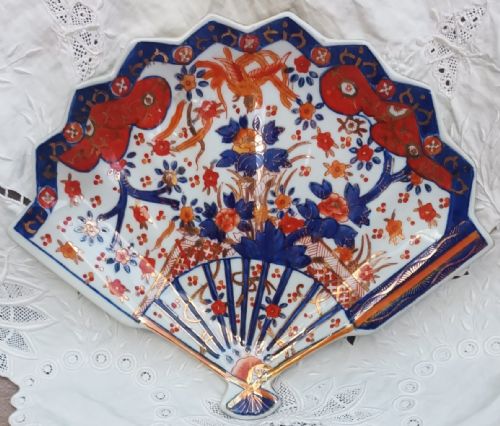
Buyers most frequently encounter Imari porcelain vessels among these listings, alongside Satsuma earthenware and blue and white export pieces. The selection includes both large decorative bowls and smaller dishes, originating from workshops that produced specifically for foreign buyers.
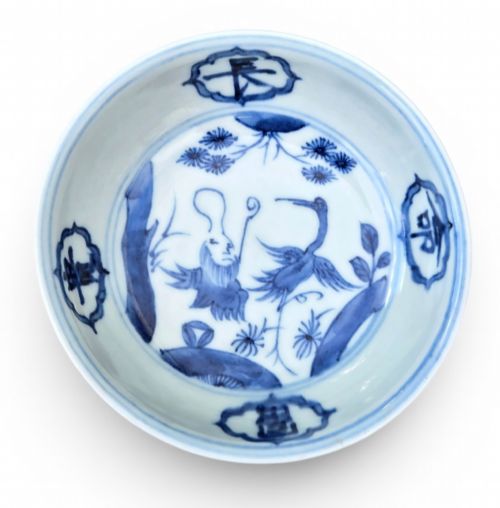
The chronology covers centuries of production, from the Ming Dynasty and Genroku Period through the Meiji era and the early twentieth century. Each piece demonstrates how Japanese potteries adapted local styles for export, resulting in distinctive decorative wares that survive today.
Materials and Technique
Porcelain and earthenware form the structural foundation of these pieces, shaped through traditional throwing and moulding techniques. Cobalt glaze and enamel provide the primary palette, often enriched with gold leaf and gilding applied over the fired ceramic body.
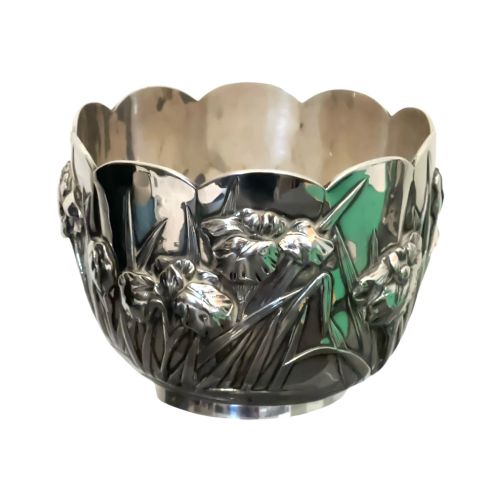
Specialised workshops employed intricate painting methods to cover surfaces in detailed narrative scenes, floral motifs, and mon designs. Silver elements occasionally appear in mountings or specific vessel types, complementing the ceramic body and adding weight to the finished object.
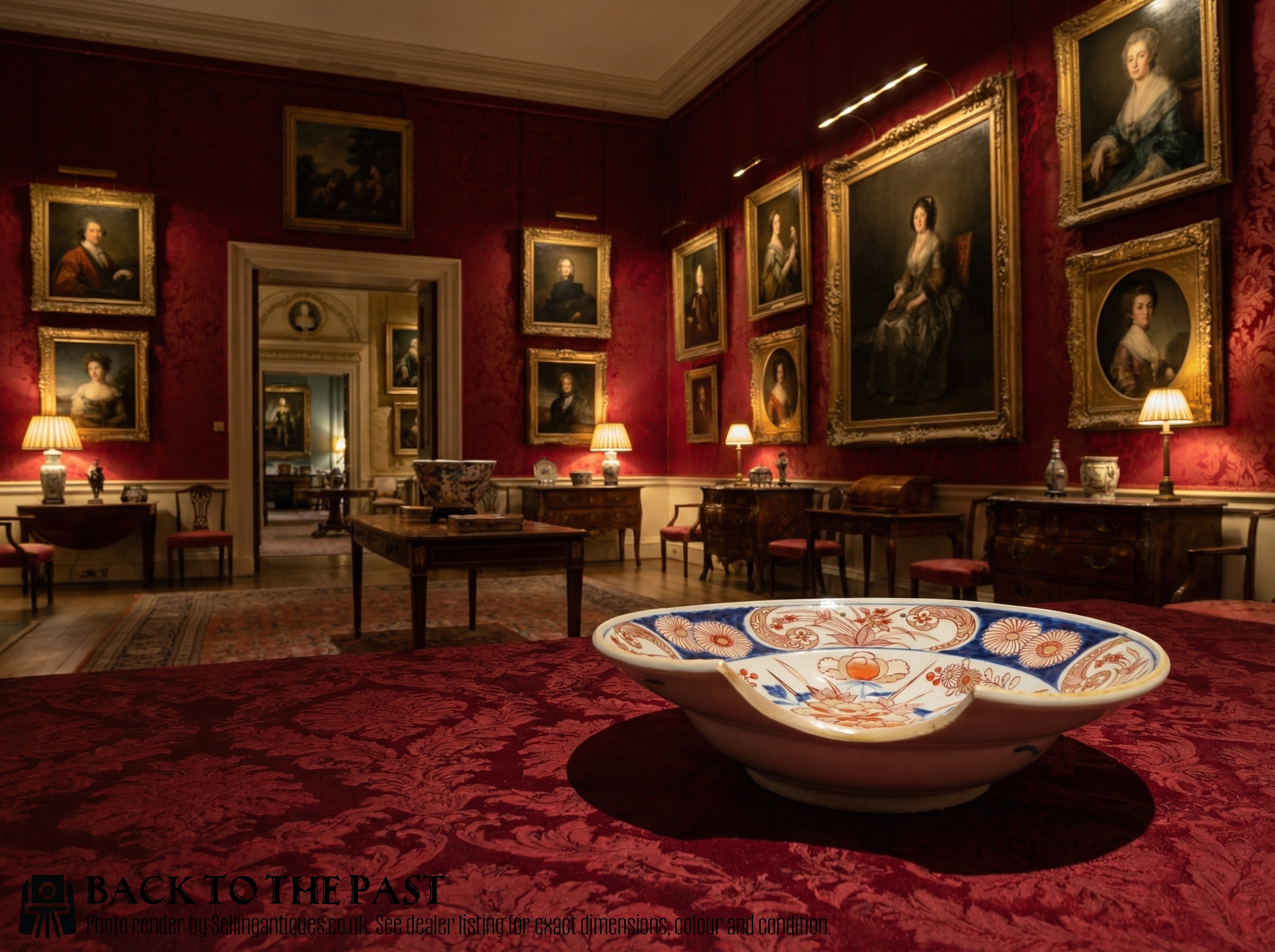
The site records various forms including deep saucers, shaving bowls, and monumental decorative dishes with intricate enamel work.
Assessing the Workmanship
The distinction between tiers of work rests upon the precision of the brushwork and the complexity of the glaze application. Superior examples demonstrate rigorous control in their cobalt pigment and enamel placement, avoiding muddiness in multi-coloured designs.
Physical execution also separates standard production from exceptional output, seen in the symmetry of scalloped or hexagonal rims and the fineness of the porcelain walls. Firing stability and the crispness of gilded highlights further distinguish finer pieces from routine export wares.
Kinkozan Kyoto Satsuma
The Antique Japanese Export Bowl Glossary
- Imari porcelain
- A style of Japanese export ware characterised by underglaze blue, iron red, and gilt decoration. Originating in Hizen province through the port of Imari, it became immensely popular in Europe.
- Meiji Period
- The era of Japanese history lasting from 1868 to 1912, marked by industrialisation and a massive increase in decorative arts exported to Western markets.
- Satsuma
- A type of Japanese earthenware featuring a crackled ivory glaze and elaborate polychrome and gilt enamel decoration. These wares were heavily produced for the export market during the late nineteenth and early twentieth centuries.
- Cobalt glaze
- An inorganic pigment used to produce deep blue underglaze decoration on ceramics. It remains stable at high kiln temperatures, allowing for sharp details beneath the transparent glaze layer.
- Aka-e
- A Japanese term meaning red pictures, referring to iron-red enamel painting used predominantly on export ceramics from the seventeenth century onwards.
Antique Japanese Export Bowl: Frequently Asked Questions
What is an antique japanese export bowl?
An antique japanese export bowl is a ceramic vessel created in Japan specifically for buyers in Europe and other foreign markets. These pieces combine traditional local techniques with aesthetic preferences suited for overseas trade.
They range in date from the seventeenth century to the early twentieth century, encompassing styles such as Imari and Satsuma. Each vessel records the cross-cultural exchange of its period through distinct glaze work and form.
How do I identify Imari export bowls?
Imari export bowls are generally recognised by their distinct palette of underglaze blue, iron red, and applied gold leaf. They often feature complex panel designs and floral motifs that filled the surface entirely.
Looking closely at the glaze reveals the depth of the cobalt blue beneath the clear surface, contrasted with the opaque enamel colours applied above. The forms themselves range from standard round bowls to fluted, scalloped, and hexagonal shapes.
How were these bowls used historically?
These bowls served both functional dining purposes and purely decorative display roles within Western households. Shaving bowls and deep dishes fulfilled specific domestic tasks, while larger decorative pieces were showcased in reception rooms.
As imported luxury goods, they signified the owner's status and taste for exotic commodities from East Asia. Their durable porcelain and earthenware construction allowed them to survive centuries of handling and display.
How do I care for an export bowl?
Caring for an antique export bowl requires gentle handling, keeping it away from direct sunlight and areas subject to sudden temperature changes. Dusting should be done softly with a dry cloth, avoiding abrasive cleaners or immersion in water.
Displaying the bowl on a stable surface prevents accidental knocks, while ensuring any gilt or enamel work remains protected from friction. Regular, careful maintenance preserves the fragile surface details for the future.
How can I tell the periods apart?
Differentiating periods involves examining the ceramic body, the specific style of painting, and the characteristics of the glaze. Seventeenth-century pieces often display robust forms with deep cobalt tones, while Meiji period items frequently exhibit intense polychrome and gilding.
Reference to historical reigns, such as the Genroku or Edo periods, helps anchor pieces within their proper chronological context. Comparing the weight, clay body, and pigment application across known examples clarifies their age.