





Blue and Red Ceramic
These pieces of blue and red ceramic combine rich cobalt pigments with striking iron-red tones to bring centuries of decorative tradition to your interior.
Blue and Red Ceramic
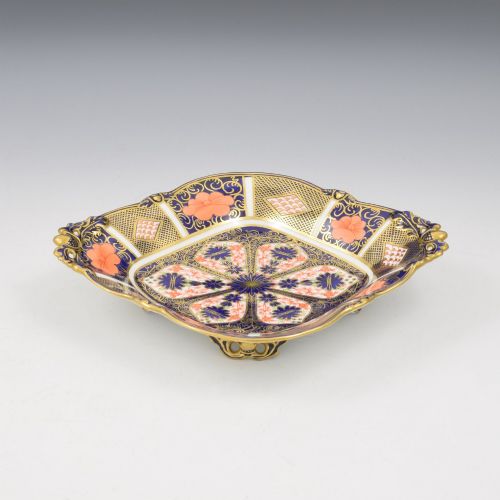
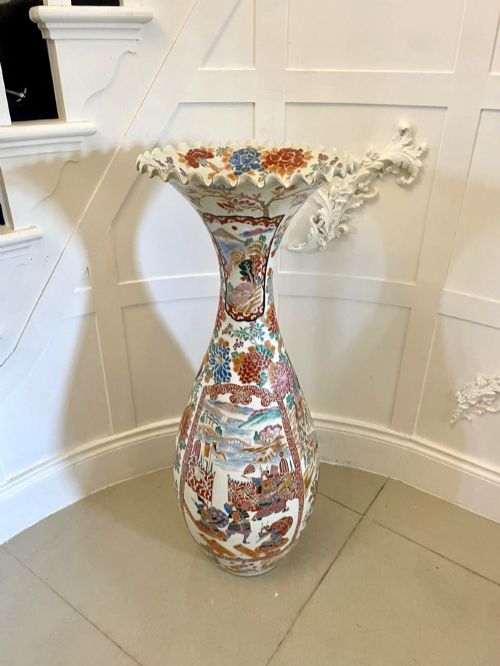
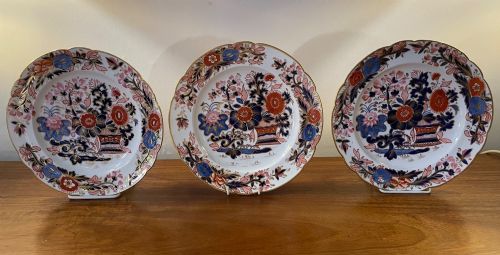
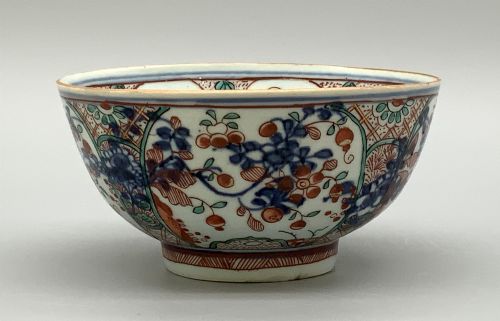
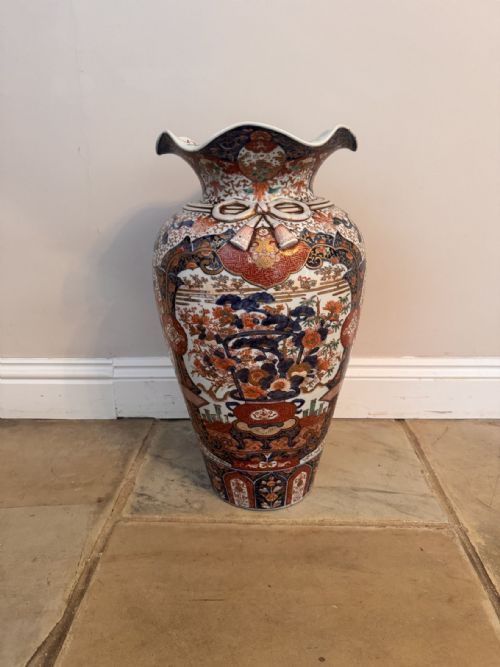
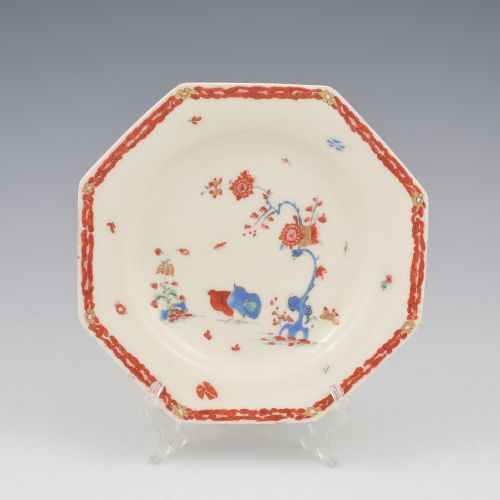
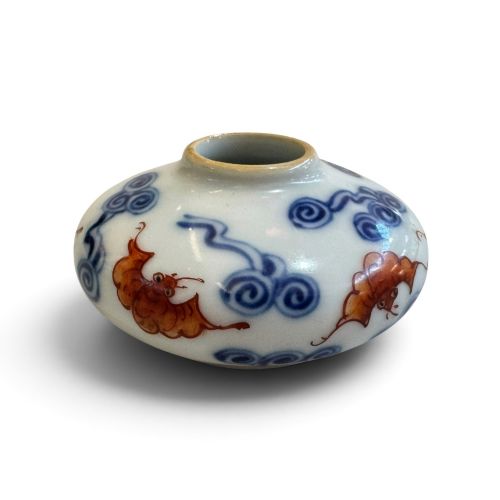
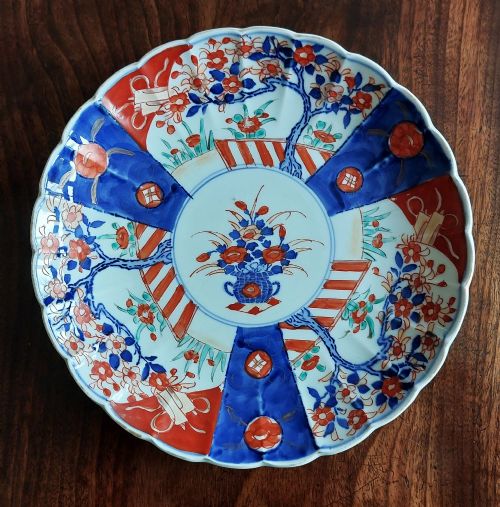
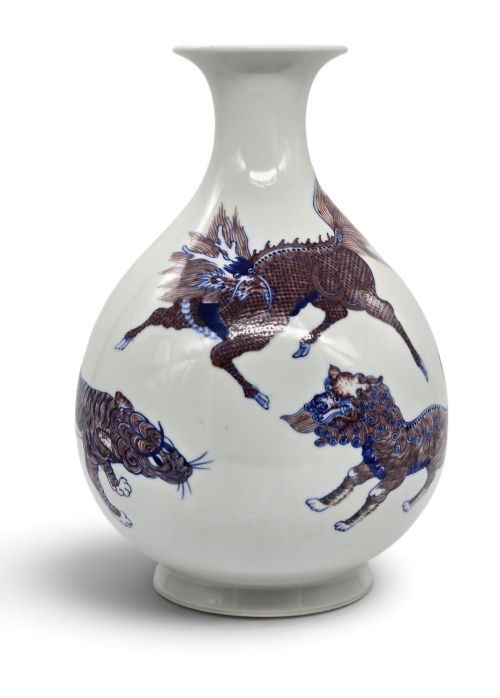
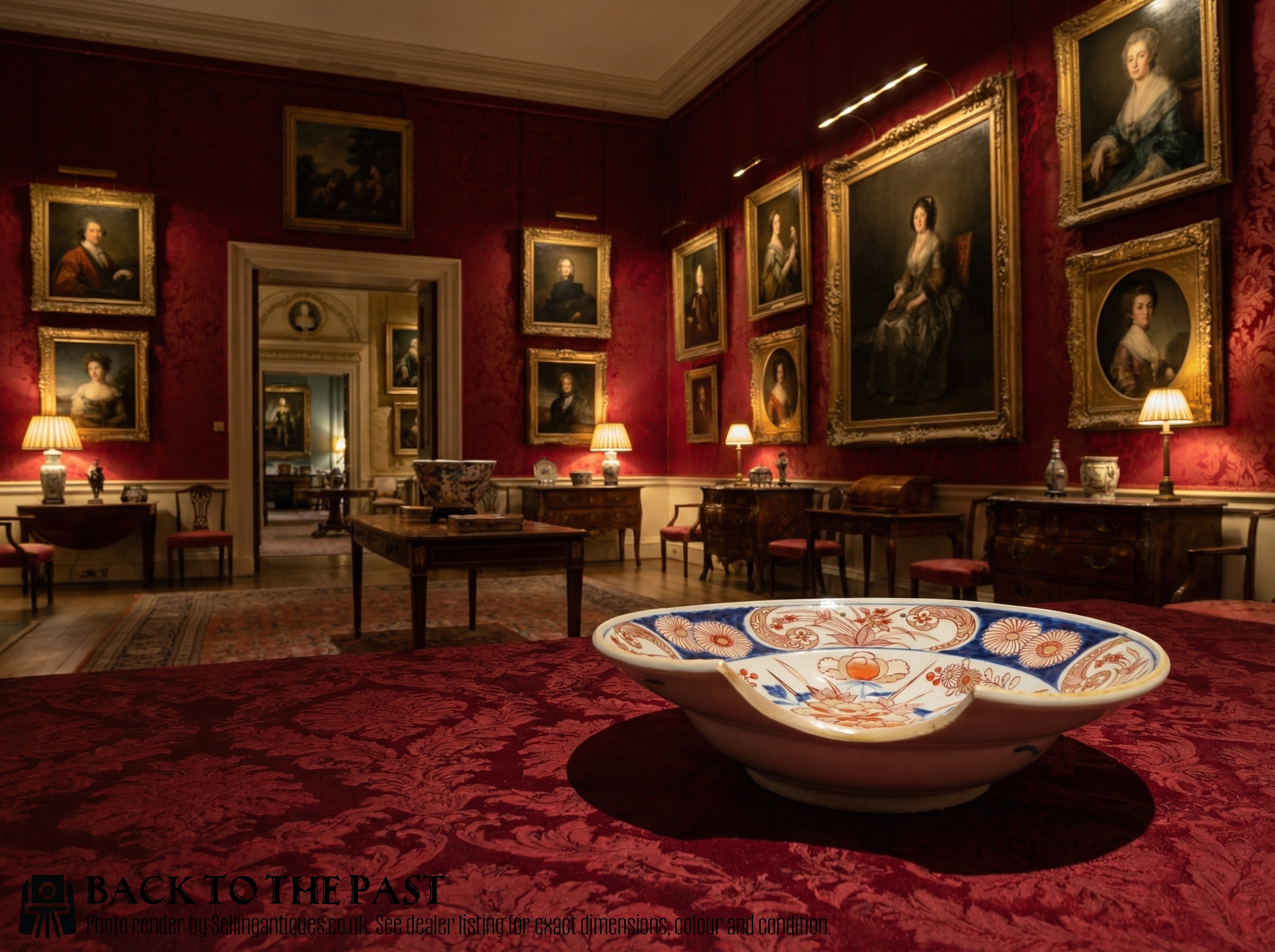
When you search for blue and red ceramic, you encounter a selection spanning the eighteenth and nineteenth centuries, taking in periods such as the Georgian era and the Japanese Meiji period. The objects listed range from decorative plates, chargers and scalloped bowls to large floor vases, lidded jars and brush washers.
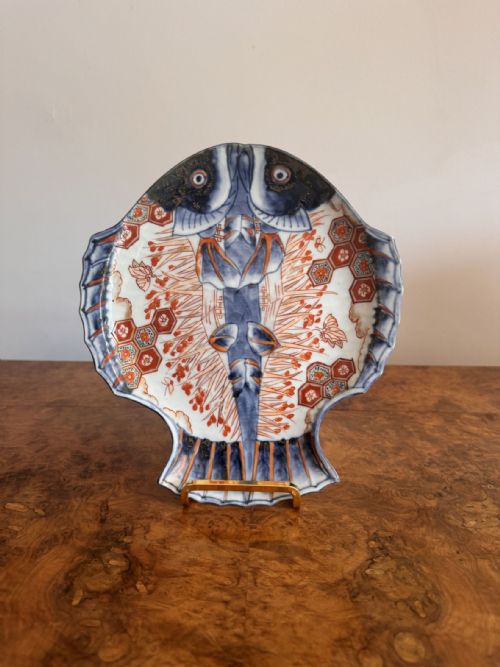
Japanese Imari ware dominates the offerings, often featuring distinctive fish, bird or floral motifs executed on porcelain. Alongside these oriental works, English ironstone and earthenware pieces appear carrying Japan patterns, bridging European pottery traditions with Eastern aesthetics.
How they were made
Makers utilised porcelain and earthenware as the primary ceramic bodies, shaping them into plates, bowls, chargers and vases. Underglaze blue and copper-red pigments were applied before firing, sometimes accompanied by enamel colours and gold leaf or gilding for heightened visual depth.
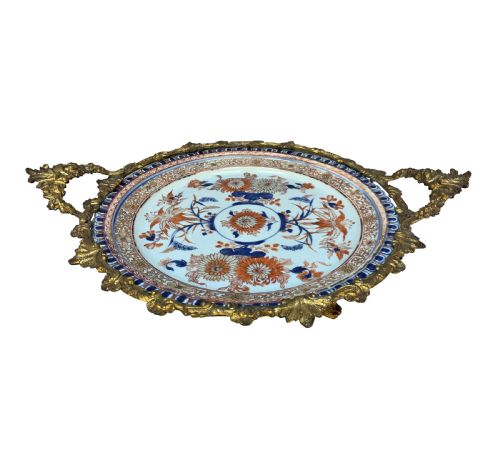
Advanced kiln techniques allowed for precise control over complex glaze effects, including blue flambé and copper-red painting. Certain items received supplementary enrichment such as ormolu mounts to elevate their status as display pieces.
Several plates take unusual animal forms, including one fashioned specifically as a swimming fish.
What varies in quality
Quality in these ceramics rests upon the crispness of the underglaze painting and the harmony between the cobalt blue and iron-red tones. Superior examples display finely detailed brushwork on subjects like exotic birds or mythical beasts, whilst simpler productions rely on repetitive geometric borders.
The weight of the porcelain body, the regularity of scalloped or chamfered edges, and the preservation of any supplementary gilding distinguish finer decorative dishes and floor vases from standard utilitarian wares.
The Blue and Red Ceramic Glossary
- Imari
- A style of Japanese export porcelain originating from Arita, traditionally characterised by a palette of underglaze blue, iron-red, and gold. These pieces were widely exported to Europe from the seventeenth century onwards.
- Porcelain
- A hard, white, vitreous ceramic material fired at high temperatures. It is known for its translucency and ringing tone when struck.
- Underglaze
- A method of decorating pottery where pigments are applied directly to the unfired ceramic body before the glaze is applied. This protects the design beneath a glassy protective layer.
- Earthenware
- A porous type of pottery fired at lower temperatures than porcelain. It requires a glaze to render it impermeable to liquids.
- Charger
- A large decorative plate or dish used primarily for display rather than serving food. They frequently showcase the most intricate painted designs of a given period.
Blue and Red Ceramic: Frequently Asked Questions
How do I display a large ceramic charger?
Large chargers are typically positioned on sturdy plate stands or hung securely on walls to showcase their intricate hand-painted palettes. Their wide borders and central motifs make them natural focal points within a room.
Ensure the mounting hardware or display stand is rated to support the substantial weight of antique porcelain safely.
What is the difference between Imari and blue and white?
Whilst blue and white ceramics rely solely on cobalt oxide pigments under a clear glaze, Imari wares incorporate a contrasting iron-red pigment and frequently add gold leaf details. This tripartite colour scheme creates a much warmer and denser visual surface.
Imari pieces often combine floral elements with pictorial scenes of birds or landscapes.
Can I use antique ceramic bowls for food?
Most antique decorative bowls and dishes are best reserved for display or dry storage rather than everyday dining. Age can render historical glazes susceptible to staining or surface wear from modern cutlery.
Gentle hand washing in lukewarm water without harsh detergents preserves the fragile underglaze pigments and any remaining gilding.
How do I identify a Meiji period piece?
Meiji period ceramics, dating from the late nineteenth to early twentieth century, often exhibit a high degree of technical precision and vibrant enamelling. The forms frequently include scalloped edge bowls and large floor vases.
Look for refined potting techniques and stylistic influences that adapted traditional Japanese motifs for international export markets.