




Antique Japanese China
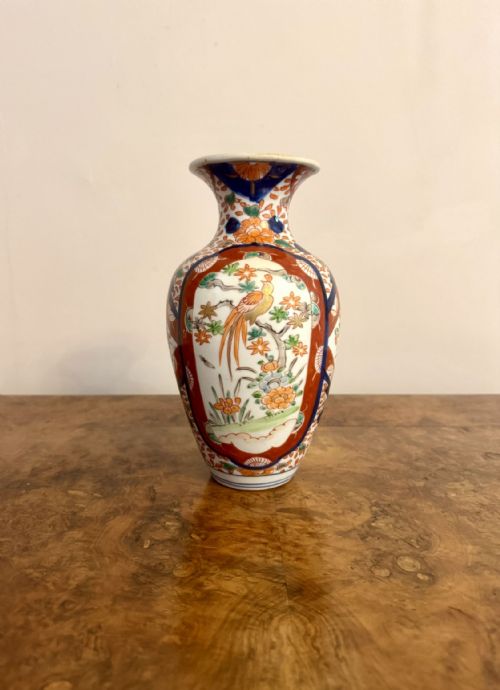
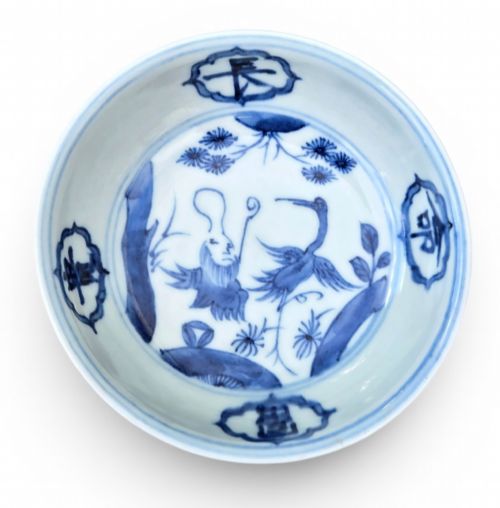
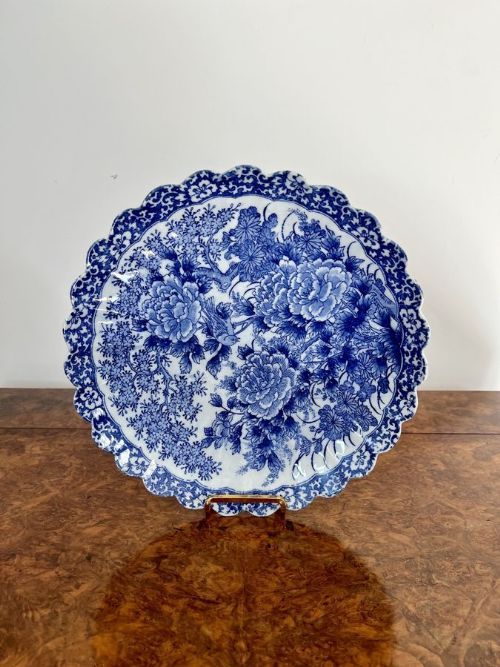
These antique japanese china pieces span Imari bowls, blue and white plates, and Meiji vases, offering traditional craftsmanship for a collector's display.
Antique Japanese China
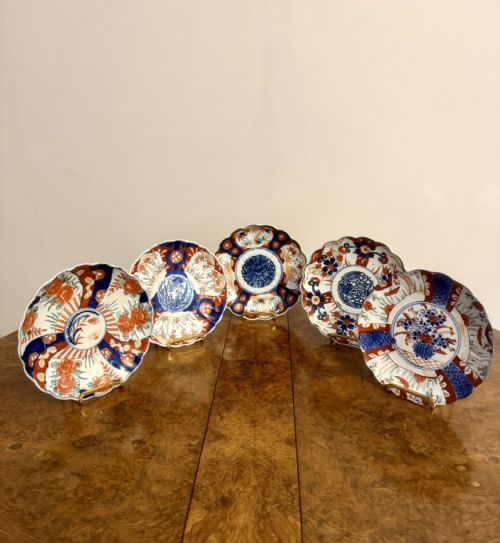
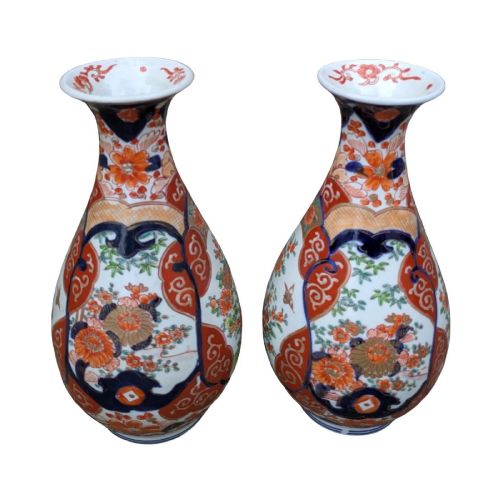
When you search for antique japanese china, you encounter decorative plates, scalloped bowls, vases, and dishes originating from the Edo and Meiji periods alongside 19th-century European interpretations.
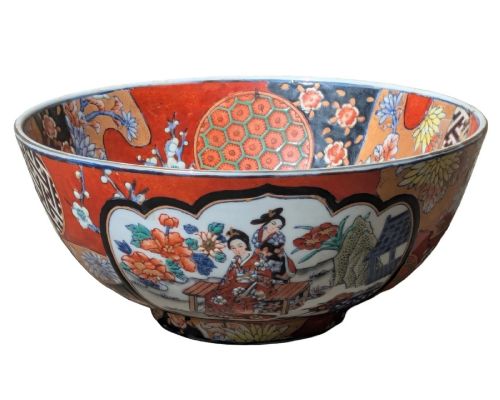
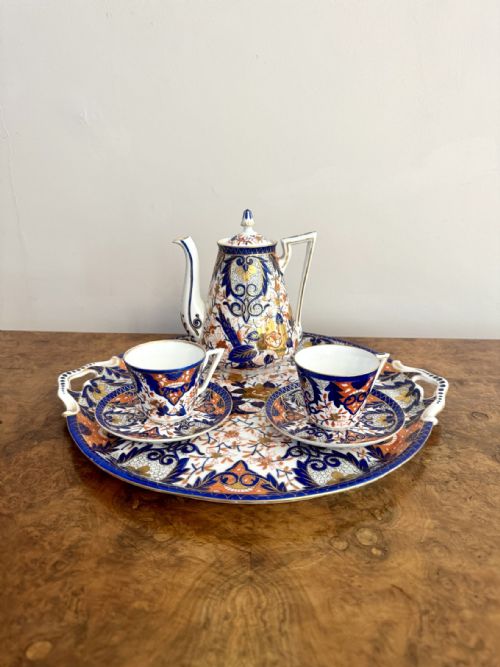
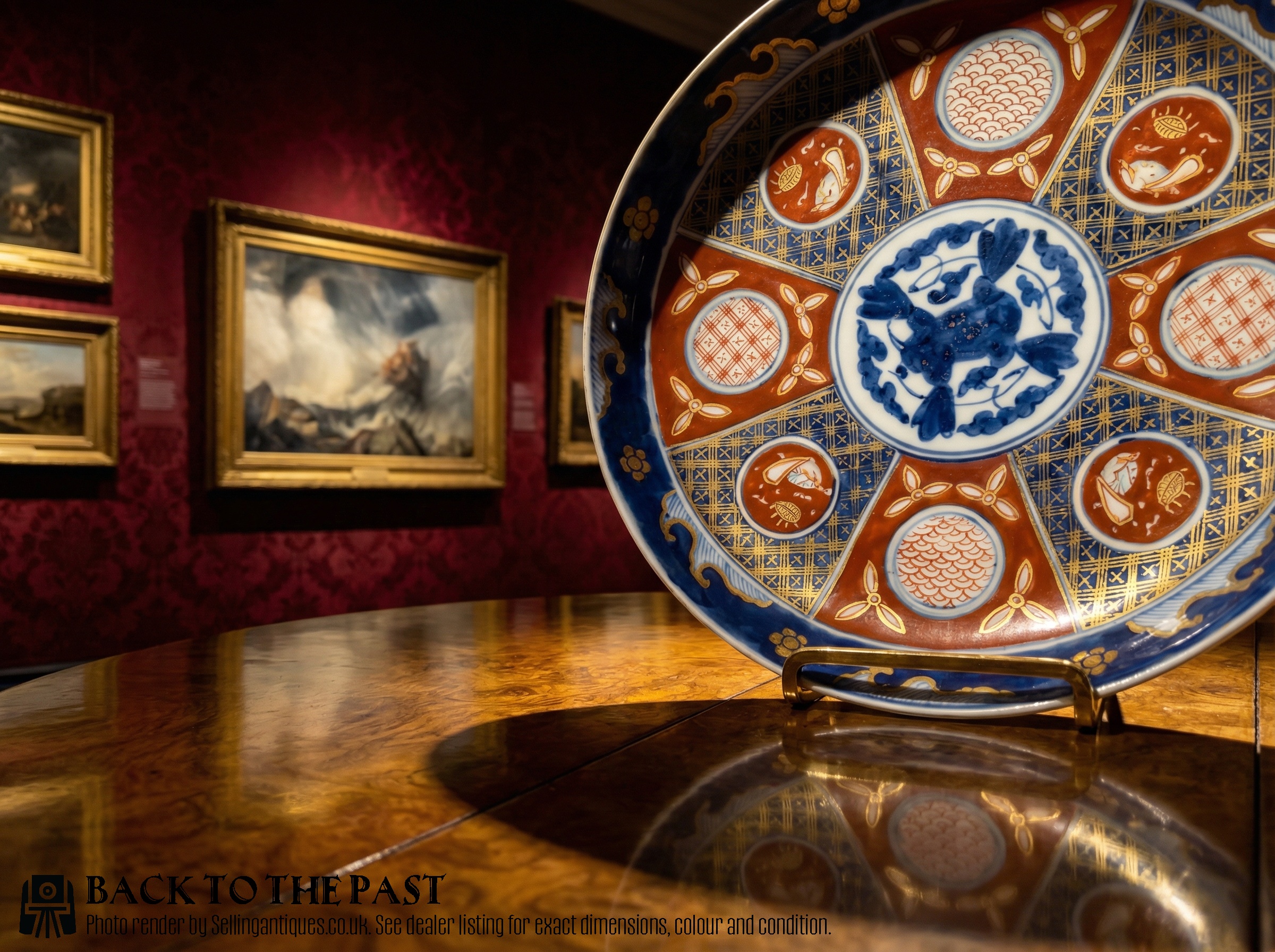
The most common items on this page are Japanese Imari porcelain plates and bowls featuring characteristic iron-red, cobalt blue, and gilt decoration, alongside Arita wares and hardwood display cabinets.
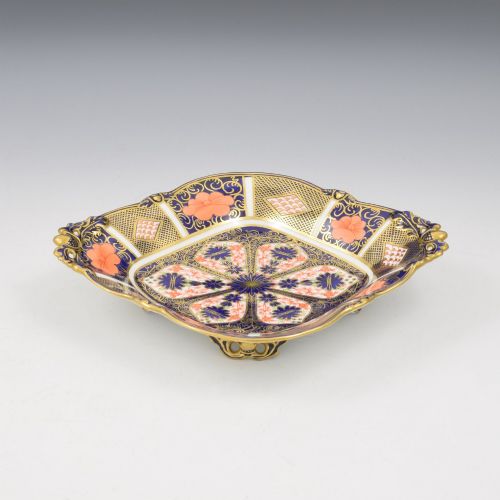
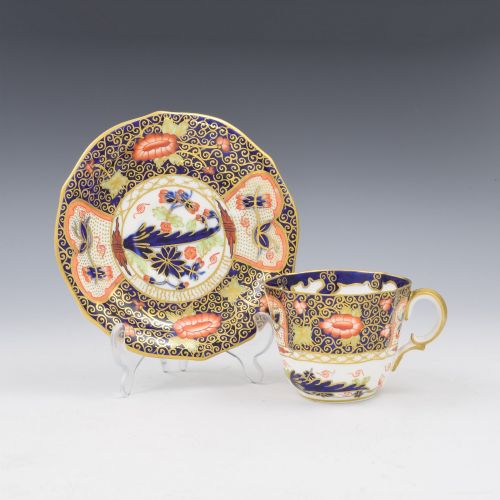
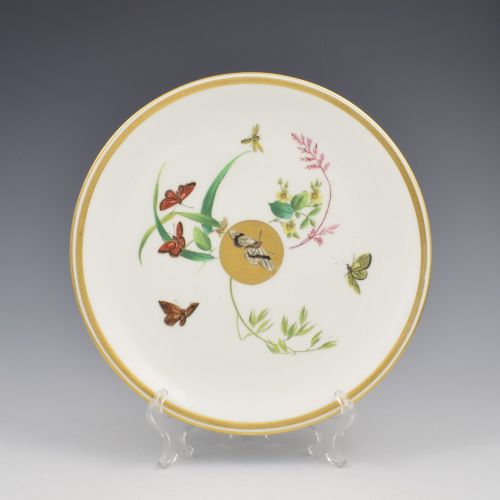
The selection also includes British makers producing Imari palette and Kakiemon style wares inspired by imports from the Far East.
How they were made
Potters shaped high-fired porcelain and bone china before applying underglaze cobalt blue and vibrant overglaze enamel pigments.
Gilding and gold leaf accents were frequently added to highlight intricate panel designs and motifs such as birds, flowers, and koi.
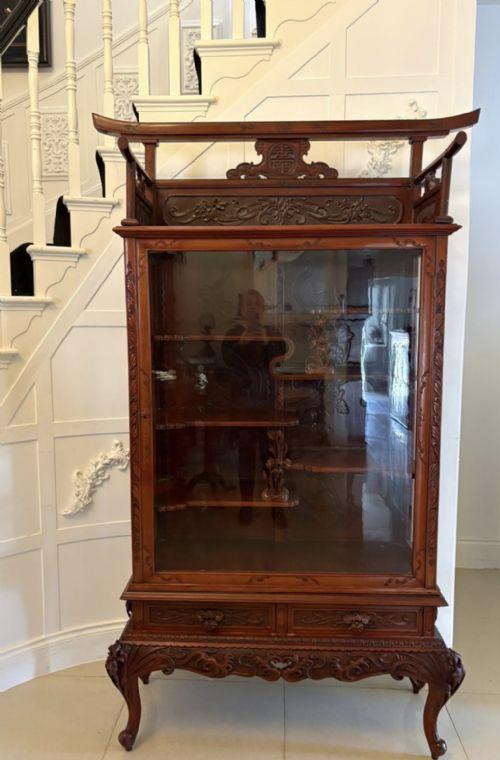
Cabinet makers constructed supporting hardwood display pieces, occasionally incorporating red lacquer finishes to house delicate ceramic collections.
Several plates feature Black Ship decoration, recording historic encounters between Japanese ports and Western trading vessels.
What varies in quality
The refinement of the hand-painted brushwork dictates the distinction between standard production wares and superior decorative pieces.
The crispness of the cobalt blue underglaze and the preservation of the gold leaf or overglaze enamels determine the visual impact of each vessel.
Coherence within matching collections of plates or vases elevates the desirability of a set compared to assembled groups.
Royal Crown Derby·Stevenson and Hancock·Meissen
The Antique Japanese China Glossary
- Imari
- A style of Japanese porcelain featuring a distinctive palette of underglaze cobalt blue, iron-red, and gilt. It was widely exported from the port of Imari and later copied by European potteries.
- Arita
- The Japanese town and surrounding region where porcelain production originated in the seventeenth century. Wares from this area formed the basis of traditional export ceramics.
- Kakiemon
- A style of Japanese enamel decoration characterised by asymmetrical designs and a restrained palette of soft colours on a milky white porcelain body. European factories frequently imitated this aesthetic.
- Blue and white
- A traditional decorative technique utilising cobalt oxide pigment under a clear transparent glaze before firing. This method produced durable patterns ranging from geometric borders to pictorial scenes.
- Meiji
- The period in Japanese history spanning from 1868 to 1912, marked by increased international trade and the widespread export of decorative arts to Western markets.
Antique Japanese China: Frequently Asked Questions
What is Japanese Imari porcelain?
Japanese Imari porcelain consists of decorative bowls, plates, and vases made in Arita and exported through the port of Imari.
These pieces typically combine underglaze blue with vibrant iron-red and gold details.
How do I care for antique porcelain?
Antique porcelain requires gentle hand washing in warm water with mild soap.
Avoid abrasive sponges and extreme temperature changes to protect the overglaze enamels and gold leaf.
Are these pieces from the Edo period?
The listings include ceramics from various eras, including the Edo, Meiji, and Showa periods, alongside nineteenth-century European interpretations.
Each listing notes the specific period or estimated production date based on stylistic evidence.