




Antique Japanese Ceramic Collection
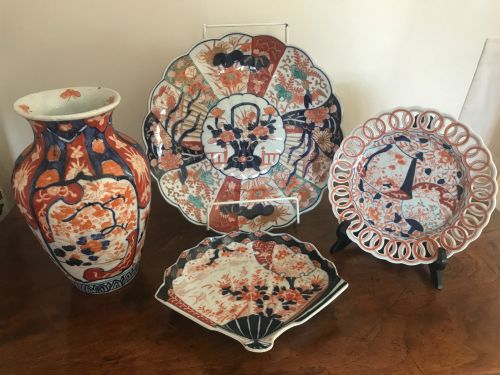
An antique japanese ceramic collection brings together decorative plates, vases, bowls, and dishes from nineteen hundred.
Antique Japanese Ceramic Collection
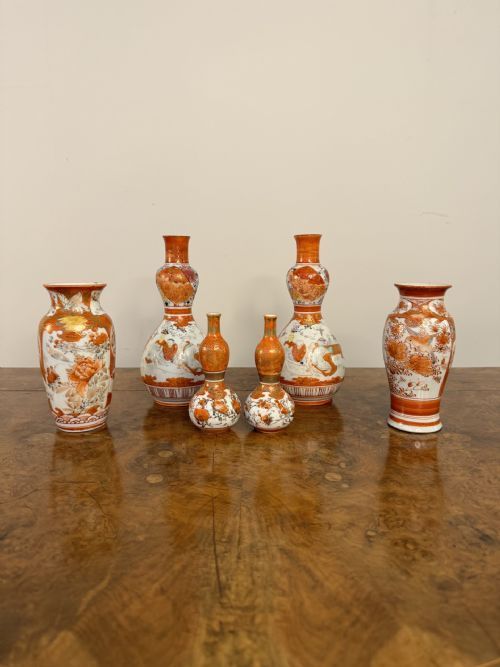
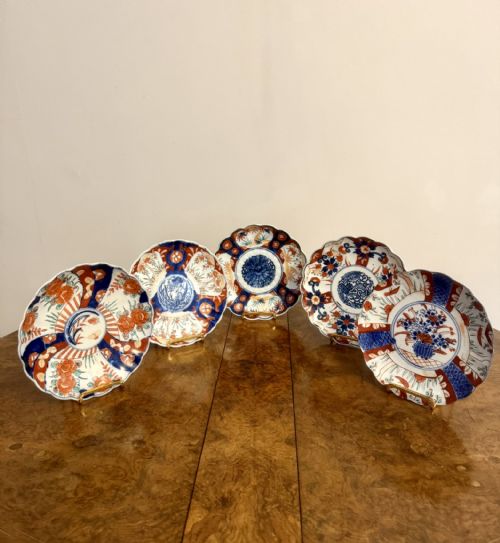
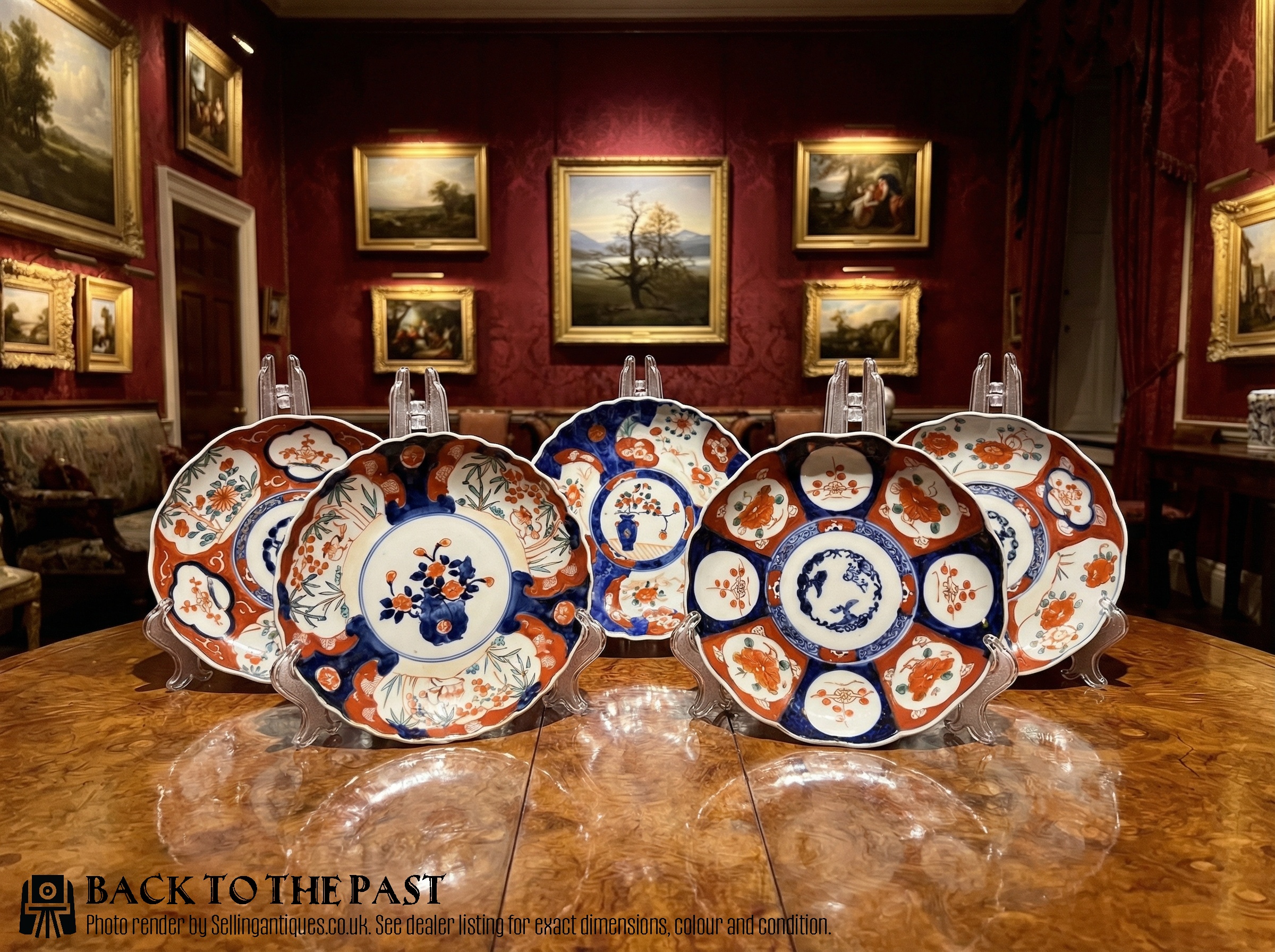
An antique japanese ceramic collection comprises groups of decorative plates, vases, bowls, and dishes dating to nineteen hundred. These pieces display Japanese Imari and Kutani styles across various forms.
Collectors encounter matching sets of plates, cabinet plates, and shaped vases originating from the Meiji and Edo periods. Each grouping presents coordinated patterns suited for display.
How they were made
These ceramics utilise porcelain finished with ceramic glaze and cobalt underglaze pigments. Artisans applied enamel details to create complex decorative surfaces.
Selected pieces incorporate gold leaf and gilt highlights over the glaze. Production involved shaping porcelain into plates, bowls, and vases before firing and ornamentation.
Antique Japanese Ceramic Collection Retail Price Guide 2026
Typical asking prices for japanese ceramic collection among the pieces listed under this phrase on Sellingantiques today, from the lower quarter to the upper quarter. They describe what is for sale here now, not the wider market.
Matching fourteen-plate sets offer a complete feast for the eyes without requiring any washing up afterwards.
What varies in quality
The standard of execution in painting and gilding determines the distinction between ordinary production and finer items. Precision in cobalt underglaze work and the application of enamel define the visual weight of each piece.
Larger groupings and matching sets demonstrate greater consistency across the individual items. The complexity of shaped designs and the presence of gold leaf contribute to the overall refinement of the ceramic.
The Antique Japanese Ceramic Collection Glossary
- Imari
- A traditional style of Japanese porcelain featuring distinctive blue underglaze and iron red overglaze, often augmented with gold. This decorative scheme appears frequently on decorative plates and vases.
- Kutani
- A style of Japanese coloured porcelain known for bold palettes and intricate pictorial designs. Pieces in this tradition include shaped vases.
- Cobalt underglaze
- A blue pigment applied to ceramic bodies before glazing and firing. This method ensures the colour remains durable beneath a transparent ceramic glaze.
- Gilt
- A thin layer of gold applied to the surface of porcelain as a decorative accent. It provides metallic contrast against the glaze and enamel colours.
Antique Japanese Ceramic Collection: Frequently Asked Questions
What is an antique japanese ceramic collection?
An antique japanese ceramic collection groups together decorative plates, vases, bowls, and dishes from nineteen hundred.
These sets typically feature Japanese Imari and Kutani styles created during the Meiji and Edo periods.
How were these ceramics used?
These pieces served primarily as decorative items for display within cabinets and rooms.
Matching sets of plates and shaped vases functioned as ornamental table or shelf arrangements.
What materials are used?
The pieces utilise porcelain shaped into various vessel forms and plates.
Surface decoration relies on ceramic glaze, cobalt underglaze, enamel, and gold leaf or gilt highlights.
How do Imari and Kutani differ?
Imari pieces display cobalt blue and iron red decoration, often enhanced with gold.
Kutani ceramics utilise broader coloured enamel palettes for pictorial designs on shaped vessels.