


Antique Italian Wine Table
An antique italian wine table brings domestic Italian craftsmanship into a room, offering a small surface for glasses or display that carries centuries of regional character.
Antique Italian Wine Table
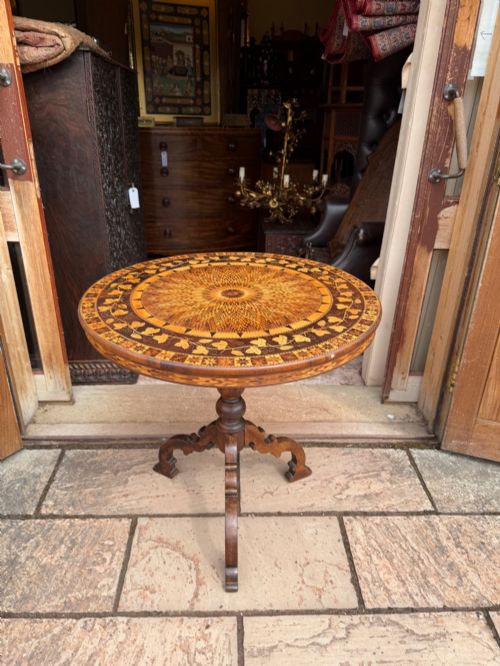
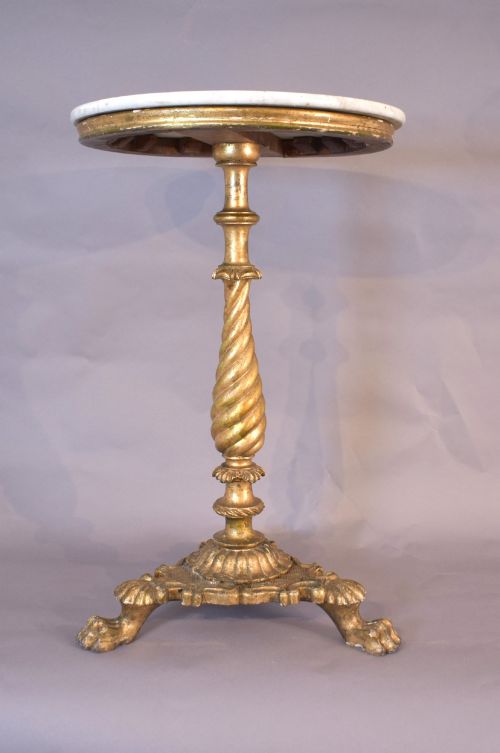
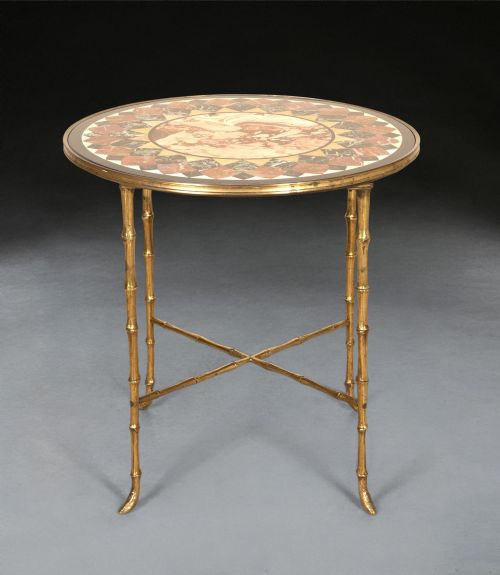
When you search for an antique italian wine table, you encounter small occasional forms, pedestal tables, and tilt-top designs spanning from the eighteenth century into the twentieth. The examples seen here frequently showcase regional decorative traditions such as Sorrento marquetry, inlaid walnut, and specimen marble tops.
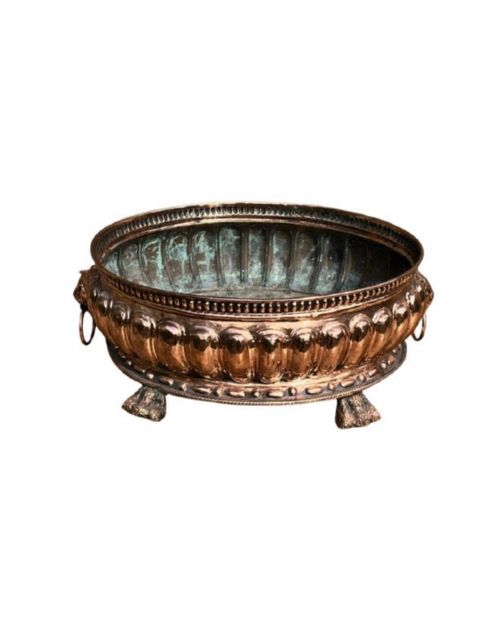
Most pieces you meet on this page are nineteenth-century creations, often featuring tripod bases or pedestals designed to hold drinks, plants, or decorative objects. Alongside traditional wooden tables, the selection includes related metal items like copper wine cisterns and brass trays that share the same domestic heritage.
Materials and construction methods
Cabinetmakers constructed these tables using native timbers such as walnut, fruitwood, and olive wood, frequently embellishing the surfaces with intricate marquetry and parquetry. Workshops employed bone inlays, polychrome paint, and gesso to create detailed geometric patterns and pictorial scenes.
Stonework and metalwork also define the construction, utilising specimen marble, alabaster, and pietra dura for table tops alongside hand-beaten copper and engraved brass for cisterns and trays. Wooden tilt-top mechanisms and pedestal tripod bases provided both stability and mobility in domestic interiors.
Listings span from the eighteenth century to the mid-twentieth century, incorporating walnut, olive wood, marble, copper, and brass.
Distinctions in quality and execution
The degree of detail in the surface decoration separates standard production from finer examples. Tables featuring precise, multi-wood marquetry or genuine specimen marble tops require advanced skill compared to simpler painted or plain wooden surfaces.
Structural integrity in the pedestal joints and the crispness of inlaid bone or wood elements indicate the standard of the workshop. Superior execution shows in the tight fit of geometric patterns and the preservation of original patination on wood and metal.
Macabo
The Antique Italian Wine Table Glossary
- Marquetry
- Decorative wood veneer arranged in pictorial or geometric patterns on a furniture surface. It uses contrasting timbers to create complex visual designs.
- Sorrento Ware
- Wooden objects decorated with intricate micro-mosaic marquetry and parquetry, originating from the town of Sorrento in southern Italy. These pieces often depict local scenes, floral motifs, or geometric bands.
- Pietra dura
- Inlay technique using cut and fitted polished coloured stones to create pictorial designs. It appears on high-status table tops within Italian decorative arts.
- Tilt top table
- A table with a hinged top that rotates to a vertical position when not in use. This mechanism allowed tables to be stored against walls in smaller rooms.
- Wine cistern
- A large vessel traditionally used for cooling wine bottles or holding water for rinsing glasses. These are typically formed from heavy copper or brass.
Antique Italian Wine Table: Frequently Asked Questions
What is a Sorrento table?
A Sorrento table is an Italian occasional piece decorated with detailed wood marquetry, often featuring geometric bands or floral motifs created from various tinted woods.
These tables gained popularity during the nineteenth century as souvenirs for travellers touring Italy and remain distinctive for their intricate craftsmanship.
How do I care for marble top tables?
Marble and specimen stone surfaces require gentle cleaning with a damp cloth and mild soap, avoiding acidic substances that can etch the polish.
Using coasters and mats protects the stone from stains while preserving the historic finish of the tabletop.
Were tilt-top tables used for dining?
Tilt-top tables functioned primarily as occasional or side tables for holding drinks, books, or small decorative items rather than formal meals.
The pivoting mechanism allowed the furniture to be moved aside easily to clear floor space in period drawing rooms.
How can I tell the age of these pieces?
Dating relies on examining the timber species, construction joints, base style, and the specific technique used for any inlays or painted decoration.
Nineteenth-century examples often combine walnut with machine-cut veneers or hand-cut marquetry, while eighteenth-century pieces display heavier solid construction and simpler turned pedestals.