





Antique Italian Statuette
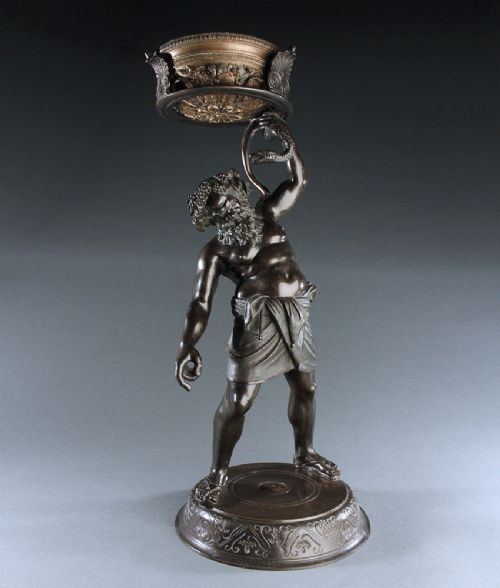
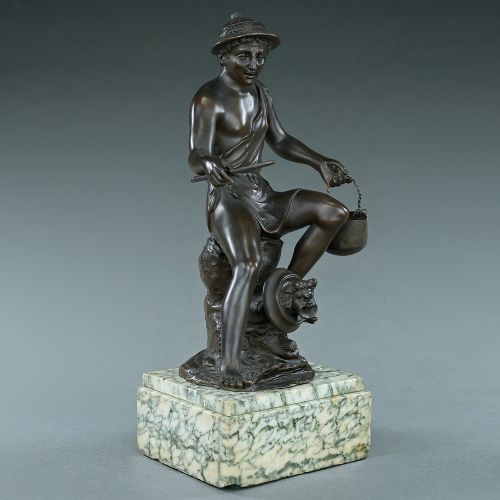
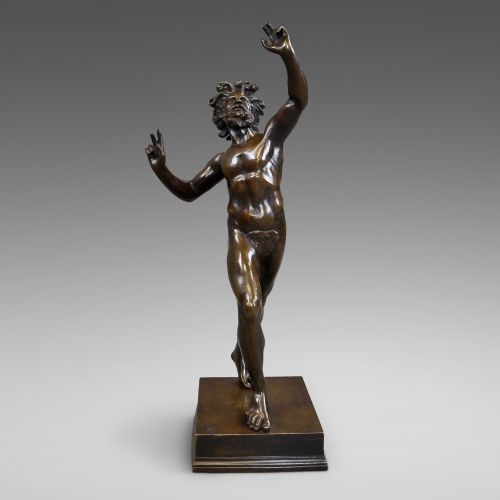
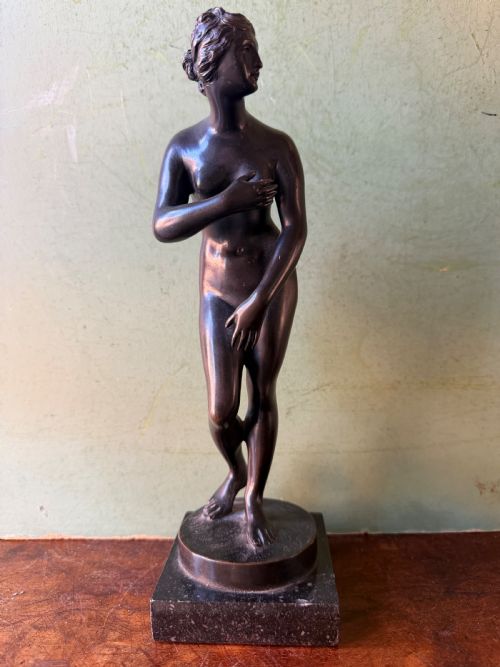
An antique italian statuette brings the sculpture galleries of Florence, Rome, and Naples directly onto a mantelpiece.
Antique Italian Statuette
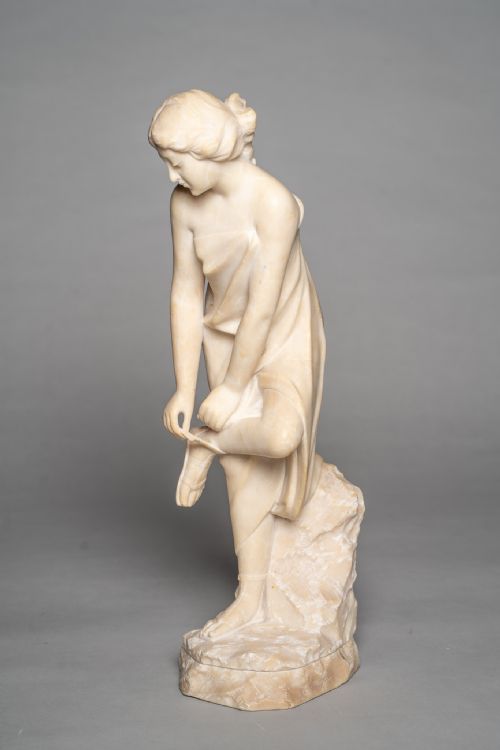
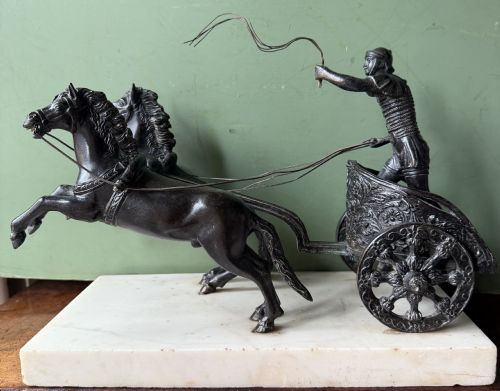
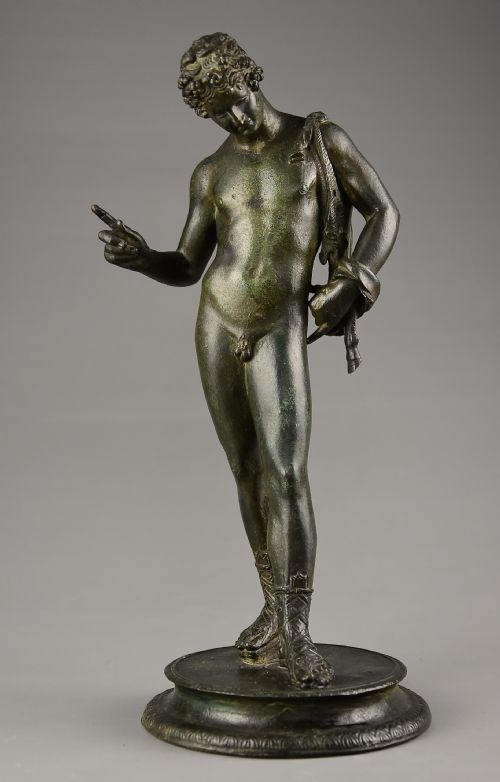
An antique italian statuette represents a portable sculpture of classical, mythological, or historical subjects produced for collectors, travellers, and domestic display.
The pieces appearing here span the seventeenth through the early twentieth centuries, with a strong concentration of nineteenth-century Grand Tour souvenirs.
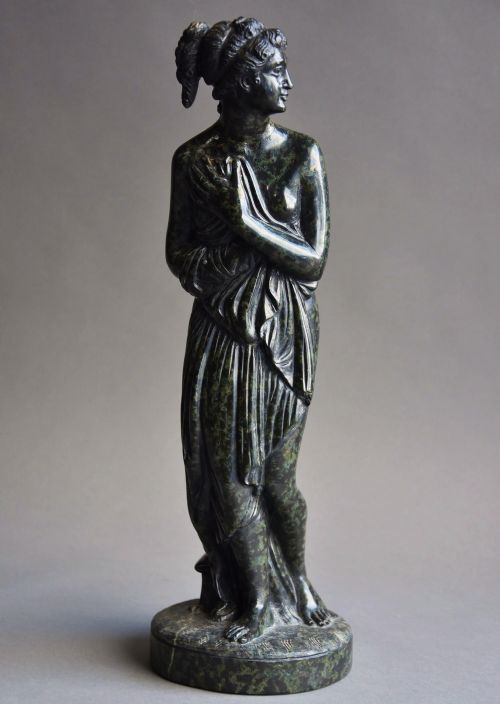
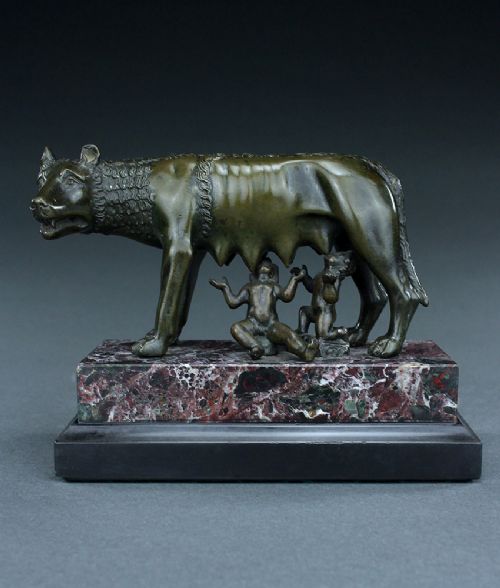
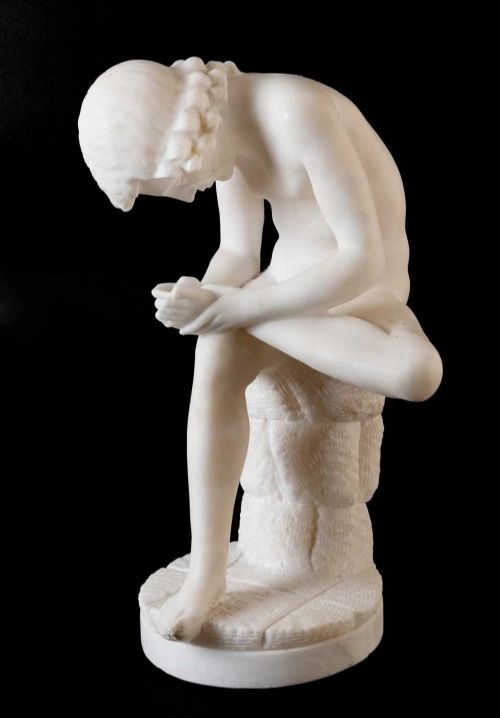
Forms range from bronze reductions of antique monuments and Renaissance masterpieces to carved alabaster and marble figures, often mounted on stone bases.
How They Were Made
Bronzes are cast using the lost-wax method, then finished with dark green, brown, or patinated surfaces to emulate ancient metalwork.
Carved pieces utilise dense natural stones such as Carrara marble, green serpentine, and alabaster, shaped with chisels and polished by hand.
Selected works incorporate mixed media, pairing cast metal figures with marble plinths or carved olive wood bases.
Antique Italian Statuette Retail Price Guide 2026
Typical asking prices for italian statuette among the pieces listed under this phrase on Sellingantiques today, from the lower quarter to the upper quarter. They describe what is for sale here now, not the wider market.
Canine collectors can acquire carved green serpentine marble models of the ancient Dogs of Alcibiades.
What Varies in Quality
Quality rests upon the crispness of the chasing in bronzes and the depth of carving in stone, separating spirited workshop interpretations from mechanical commercial reductions.
Proportion and anatomical fidelity distinguish accomplished founders and sculptors from simpler souvenir makers who relied on mass-production techniques.
Valentino Besarel·Luigi Secchi·Royal Capodimonte Factory·Achille Mollica·Michele Amodio
The Antique Italian Statuette Glossary
- Grand Tour
- A traditional journey through Europe undertaken by upper-class European travellers to study classical art and acquire souvenirs.
- Patination
- The chemical or natural surface colouring applied to bronze sculpture to alter its tone and protect the metal.
- Serpentine
- A group of green silicate minerals often carved into decorative marble bases and architectural models.
- Reduction
- A scale copy of a larger public or monumental sculpture, commonly cast in bronze for private interiors.
- Plinth
- The solid block or base upon which a statuette stands to elevate and support the figure.
Antique Italian Statuette: Frequently Asked Questions
What is a Grand Tour statuette?
These bronze and marble figures were purchased by travellers in Italy during the eighteenth and nineteenth centuries as mementoes of classical antiquities and Renaissance art.
They serve as desktop or shelf ornaments that miniaturised famous museum sculptures for private homes.
How do I identify the material?
Bronzes feel cool to the touch and often display coloured chemical patinas, while marble and alabaster present heavy, cold, and translucent stone characteristics.
Closer inspection of the underside or mounting points usually reveals the true composition beneath any applied surface finish.
Are these pieces signed by artists?
Some sculptures bear foundry marks, workshop stamps, or signatures from known modellers and stone carvers working in nineteenth-century Italy.
Unsigned pieces remain common because many souvenirs were produced by anonymous workshops catering to visiting tourists.
How should I display them?
Statuettes benefit from stable indoor placement away from direct sunlight and moisture to preserve patinas and soft stone surfaces.
Heavier marble and bronze pieces require sturdy furniture surfaces that can safely support concentrated weight.