


Antique Iron Single Frames
Antique iron single frames offer robust sleeping quarters with period charm, merging practical single dimensions with enduring metal construction.
Antique Iron Single Frames
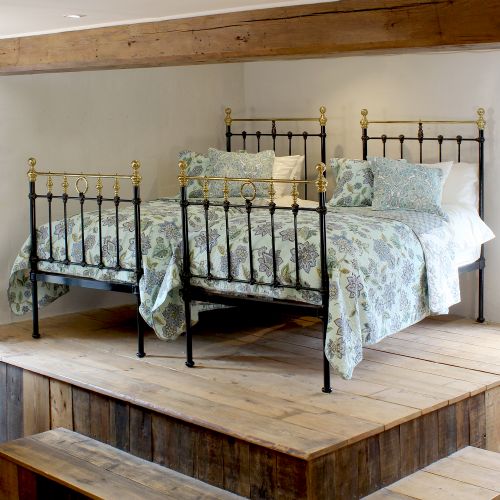
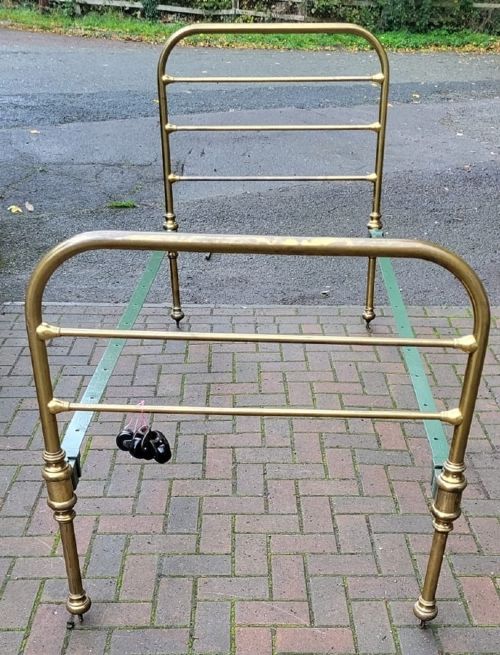
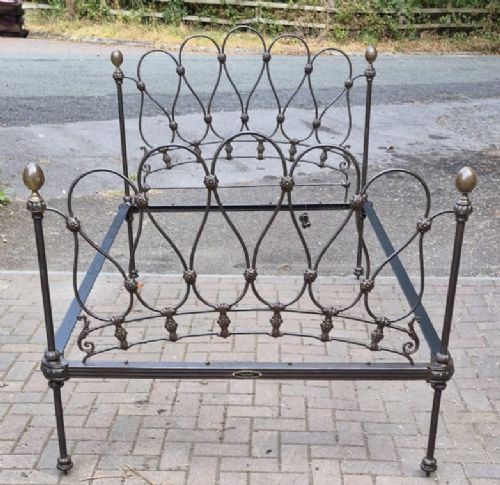
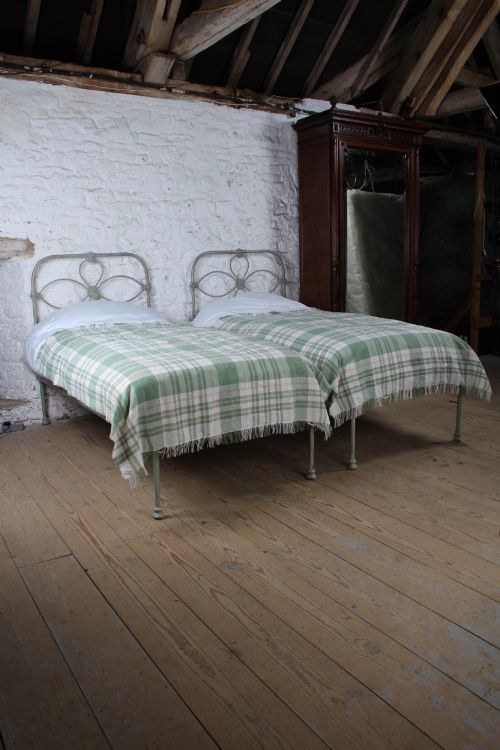
When you search for antique iron single frames, you encounter single beds, bedsteads, and platform beds spanning the Victorian, Edwardian, and nineteenth-century periods. These metal frames typically measure around three feet wide and frequently appear in matching pairs or single formats.
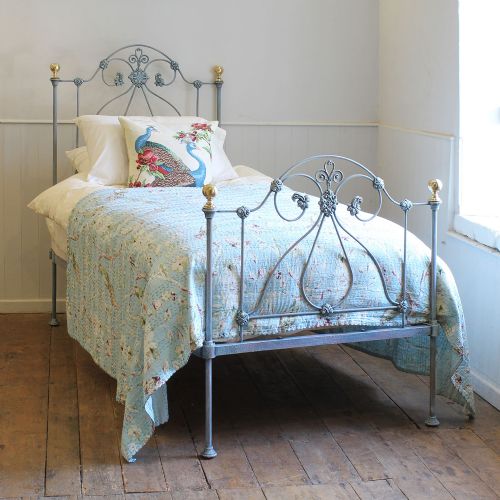
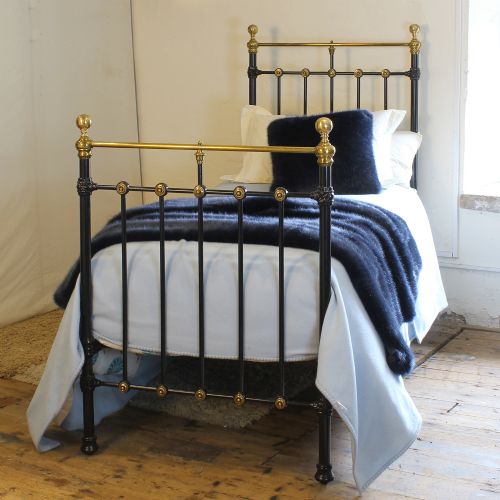
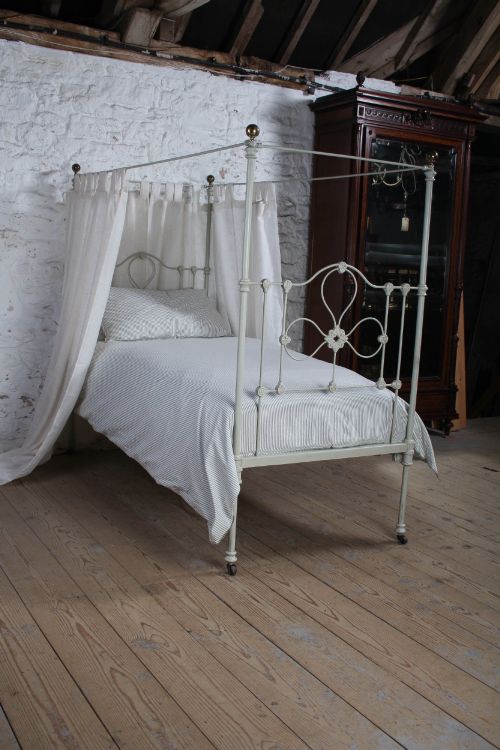
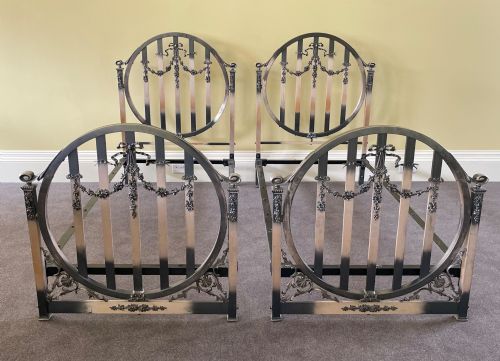
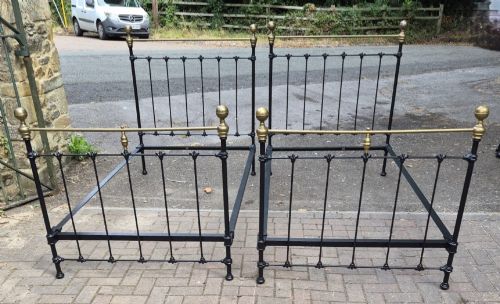
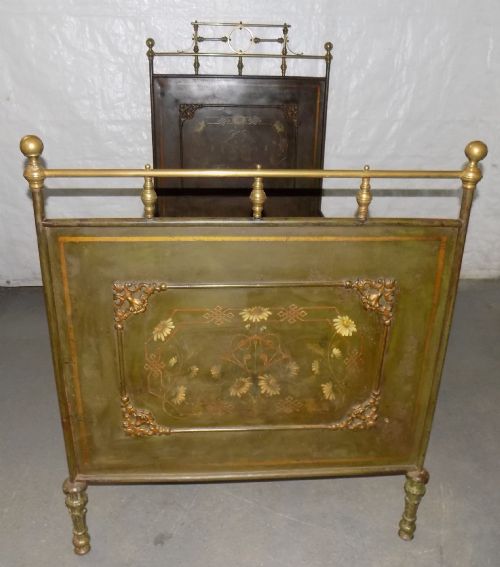
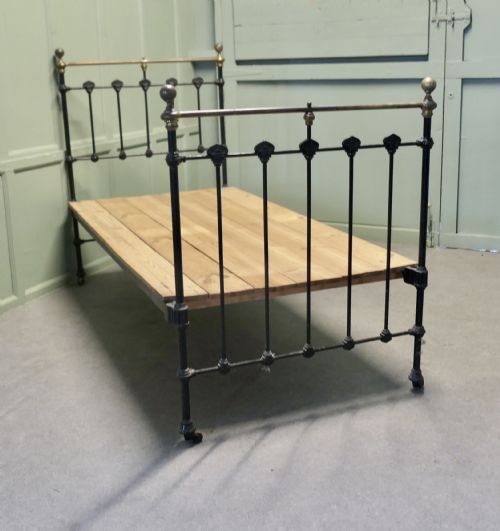
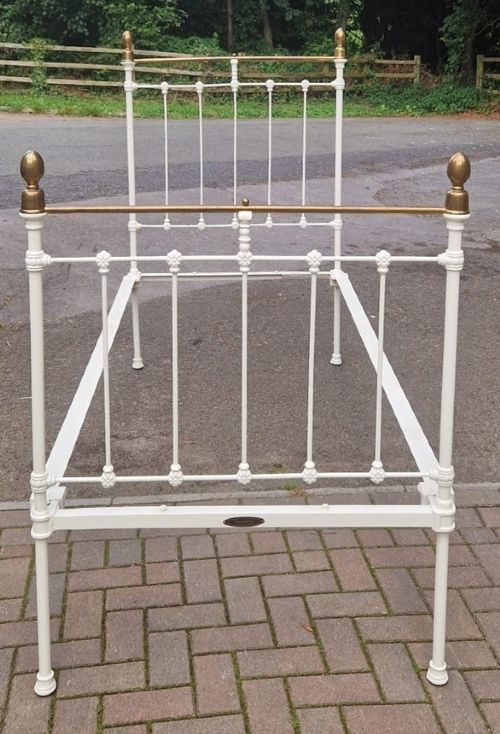
The selections on this page range from plain utilitarian black cast iron examples to ornate models featuring brass decoration, nickel plating, and applied colours such as blue verdigris, cream, and white. Many of these single beds offer clever configurations, including no-end designs or frames that join together to form larger sleeping arrangements.
Origins stretch across Britain, France, Portugal, and Austria, encompassing Victorian, Art Nouveau, and rustic European styles. A buyer often finds specific regional variations like Portuguese single no-end beds alongside classic British Victorian iron and brass constructions.
How they were made
Makers utilised heavy cast iron, hand-forged wrought iron, and structural steel to build durable single frames capable of supporting daily use. Metal components were joined securely, often complemented by decorative brass tubing, finials, and nickel plating that provided a contrasting metallic sheen.
Surface finishes involved traditional applications such as dark paint, toleware coatings, and protective layers in black, white, cream, or charcoal. Certain examples incorporated ceramic elements or specialised metal treatments like blue verdigris to enhance the visual appeal of the framework.
Listings feature Victorian, Edwardian, and nineteenth-century pieces incorporating cast iron, wrought iron, brass, nickel plating, and ceramic details across single bed forms.
What varies in quality
The distinction between standard utility frames and superior examples rests upon the refinement of the metalwork and the intricacy of the decorative enrichment. Finer pieces display sophisticated brass castings, polished nickel plating, and carefully turned brass details rather than plain, unadorned iron.
Construction methods also set pieces apart, with hand-forged elements, robust joint systems, and well-executed paired sets demonstrating superior craftsmanship. The application of original or sympathetic surface treatments, from detailed toleware to clean enamel finishes, marks the higher tier of these beds.
R W Winfield
The Antique Iron Single Frames Glossary
- Bedstead
- A framework of a bed supporting the mattress and springs. In antique examples, this usually comprises a headboard, footboard, and side rails.
- Toleware
- Painted or lacquered metalware popular in the nineteenth century. It provides a durable and decorative surface finish on select continental frames.
- Nickel Plating
- A protective and decorative coating applied to metal surfaces. This technique imparts a bright, silvery finish seen on various Edwardian frames.
- Verdigris
- A green or bluish patina formed naturally on copper, brass, or bronze surfaces over time. On certain frames, this finish is applied intentionally for decorative effect.
- Cast Iron
- Iron shaped by pouring molten metal into a mould. It forms the heavy, solid structural base for many nineteenth-century single beds.
Antique Iron Single Frames: Frequently Asked Questions
Can antique single iron frames be joined together?
Many pairs of single beds from the Victorian and Edwardian periods were specifically constructed to be joined together. This allows owners to configure two matching single frames into a wider sleeping platform when desired.
Buyers should inspect the individual connecting mechanisms and side rails to ensure the paired frames align correctly and secure firmly into place.
What size mattress fits these beds?
Most of these frames accommodate a standard three-foot wide single mattress, though historical dimensions can occasionally vary slightly from modern sizing. It is advisable to measure the internal frame dimensions precisely before ordering a new mattress.
Platform styles and older Victorian models may also require specific slat arrangements or modern base inserts to support contemporary mattresses properly.
How do I identify a Victorian iron bed?
Victorian examples typically feature heavy cast iron components, distinct joint mechanisms, and often a combination of iron and brass elements. Date attributions rely on construction traits, registration marks, and stylistic clues associated with the nineteenth century.
Later Edwardian versions often introduce brighter metal plating, such as nickel, alongside lighter overall proportions and Art Nouveau decorative motifs.
How should I care for painted iron frames?
Painted and toleware surfaces require gentle cleaning with a soft, dry cloth to remove dust. Avoid harsh chemical cleaners or abrasive pads that can damage the original nineteenth-century finish.
For brass and nickel elements, occasional light dusting maintains the metal lustre without stripping the aged character developed over decades of use.