


Cast Iron Twin Beds
Cast iron twin beds offer a sturdy, handsome frame for a guest room or bedroom, bringing character through period metalwork.
Cast Iron Twin Beds
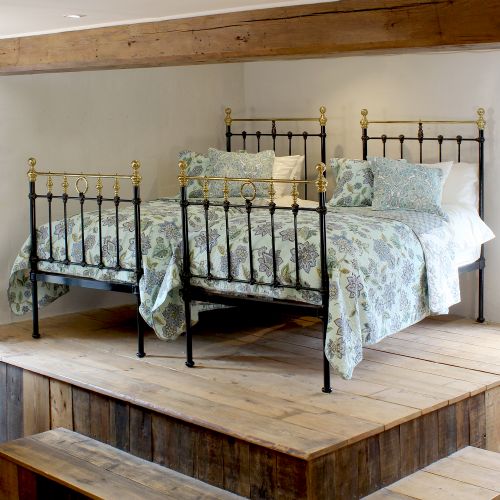
When you search for cast iron twin beds, you are looking at sturdy pairs of metal bedframes designed to match or complement each other in a room. Most examples on this page date from the Victorian and Edwardian eras, spanning from eighteen seventy to nineteen hundred.
The forms vary between single bedsteads, platform beds, and beds featuring no end designs. Several pairs can be joined together to form a larger sleeping arrangement, offering flexibility in how they are arranged.
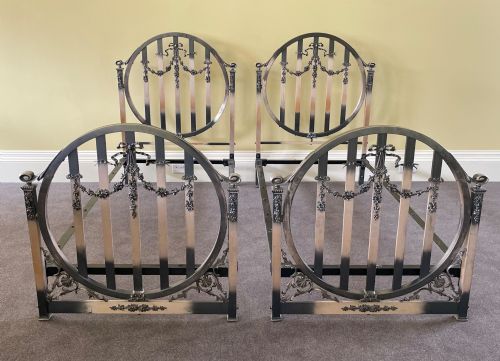
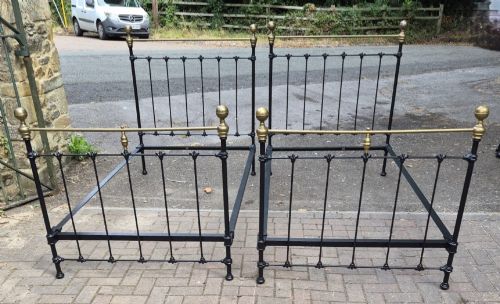
These pieces frequently combine cast iron with other metals like brass, wrought iron, and nickel plating, sometimes finished with cream or black paint and ceramic components.
How they were made
Makers utilised cast iron for the main structural framework, pouring molten metal into moulds to create rigid components and decorative motifs. Brass decoration and nickel plating were applied to add contrast and shine to the dark iron structures.
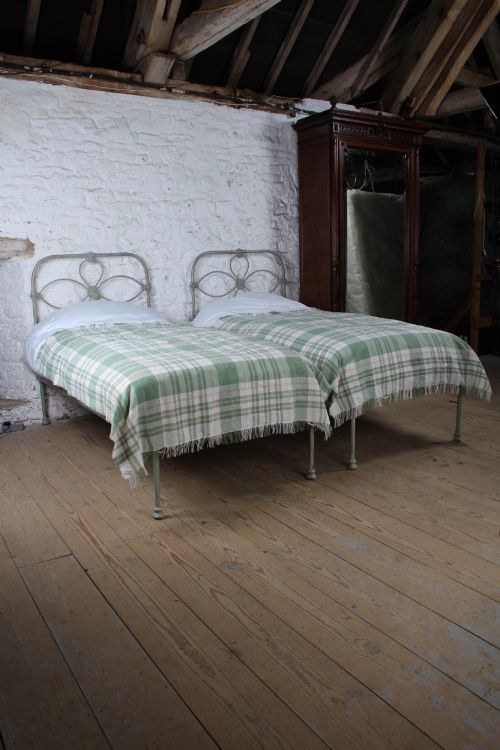
Some frameworks incorporate wrought iron and steel elements to reinforce the design, while painted finishes in black or cream protected the metal and provided a uniform surface. Ceramic elements occasionally appear as part of the decorative detailing.
Some nineteenth-century iron beds were thoughtfully built with the sociable option to be joined together, proving romance and practicality went hand in hand.
What varies in quality
The distinction between standard and superior pieces rests on the complexity of the metal ornamentation and the presence of mixed metals such as brass and nickel plating. Simpler, plain iron frames offer a utilitarian charm, whereas examples with rings, Celtic motifs, or Art Nouveau detailing display greater craftsmanship.
The versatility of the frame also influences desirability, particularly when beds are configured so they can be joined together or utilised independently. The integration of decorative painted surfaces and ceramic components adds further nuance to individual pieces.
R W Winfield
The Cast Iron Twin Beds Glossary
- Bedstead
- The complete framework of a bed, including the headboard, footboard, and side rails. In antique metal beds, these often dismantle for easier transport.
- Nickel plating
- A thin protective coating of nickel applied over iron or steel to provide a bright, silver-coloured finish that resists corrosion. This technique was popular during the Edwardian period.
- Wrought iron
- Iron that has been heated and hammered into shape by hand, resulting in a fibrous material tougher than cast iron. It appears alongside cast elements in various bed frames.
- Platform bed
- A low-profile bed frame designed to support a mattress directly without the need for traditional box springs. These appear in matching pairs in Victorian listings.
Cast Iron Twin Beds: Frequently Asked Questions
Can these twin beds be pushed together?
Several pairs of these beds are specifically noted as being able to be joined together or lined up to form a wider sleeping surface. This modular design offered practical flexibility for Victorian and Edwardian households.
Buyers should check individual listings to confirm whether specific connecting hardware or matching dimensions are present for joining.
What periods do these metal beds come from?
The listings on this page span the Victorian and Edwardian eras, with specific dates ranging from eighteen seventy to nineteen hundred. These pieces reflect the manufacturing styles and decorative tastes of the late nineteenth and early twentieth centuries.
Design influences range from classic Victorian brass and iron combinations to later Art Nouveau nickel-plated frames and Celtic-inspired ironwork.
Are mattresses included with these antique bed frames?
Antique metal beds are typically sold as frames only, without modern mattresses or bedding. Buyers will need to source standard or custom-sized mattresses that fit the specific dimensions of these historic single bedsteads.
Support slats or base platforms may vary depending on whether the listing describes a platform bed or a standard iron frame.
How do I care for cast iron and brass beds?
Maintenance involves dusting regularly with a soft cloth and avoiding harsh chemical cleaners that can damage painted surfaces or metal plating. Preserving the original paint and brass details keeps the finish stable over time.
For nickel-plated or brass components, gentle wiping helps maintain the sheen without stripping the aged character of the metal.