


Antique Iron Gate
An antique iron gate brings heavy, enduring character to a garden boundary, built from robust metals designed to weather the centuries.
Antique Iron Gate
When you search for an antique iron gate, you encounter heavy architectural salvage ranging from modest garden barriers to monumental estate entrances. The pieces on this page span several distinct eras, drawing heavily on Victorian and nineteenth-century craftsmanship alongside twentieth-century examples.
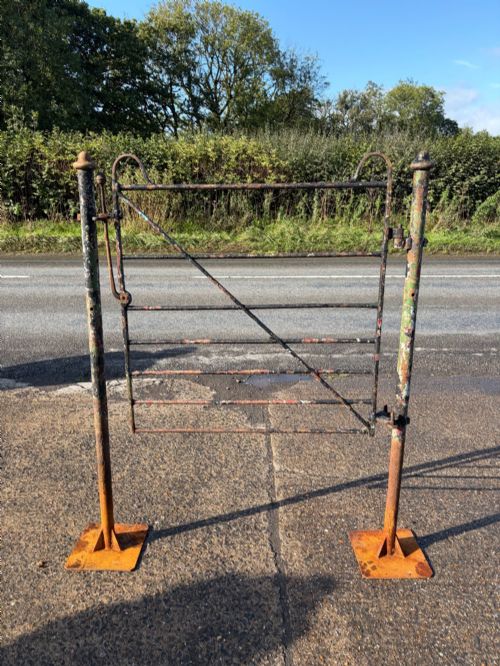
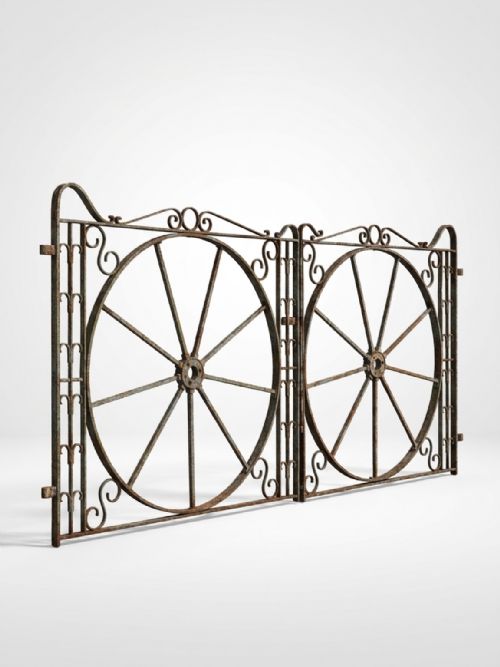
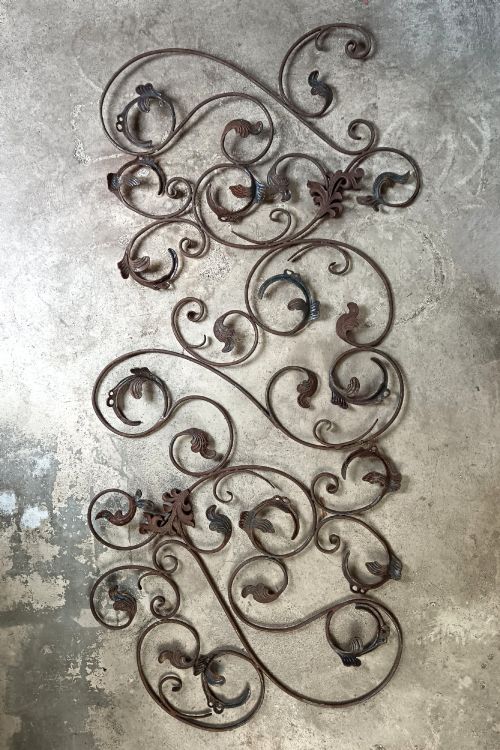
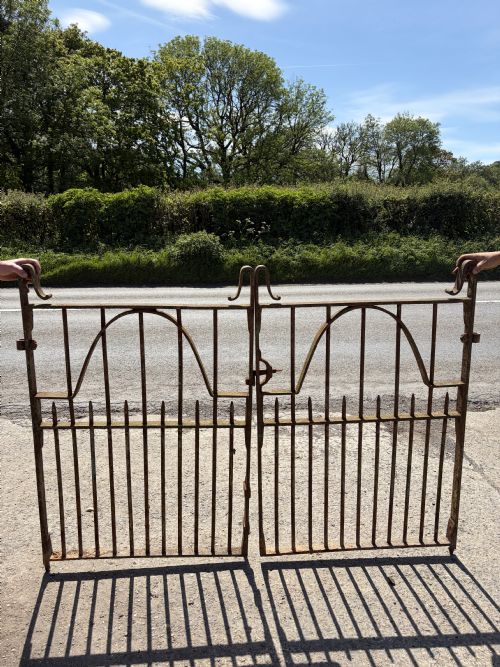
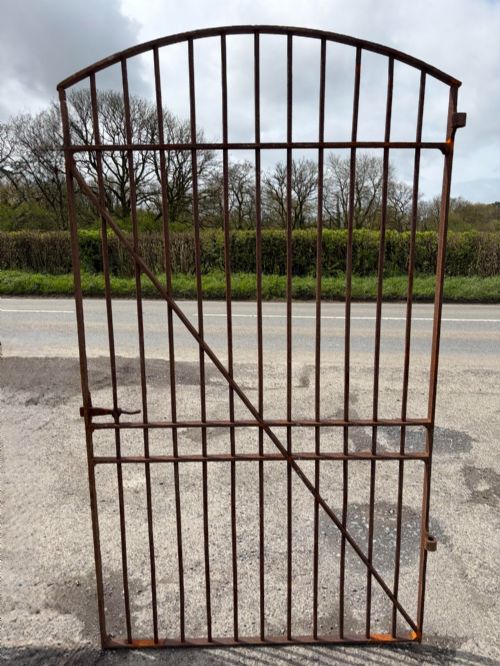
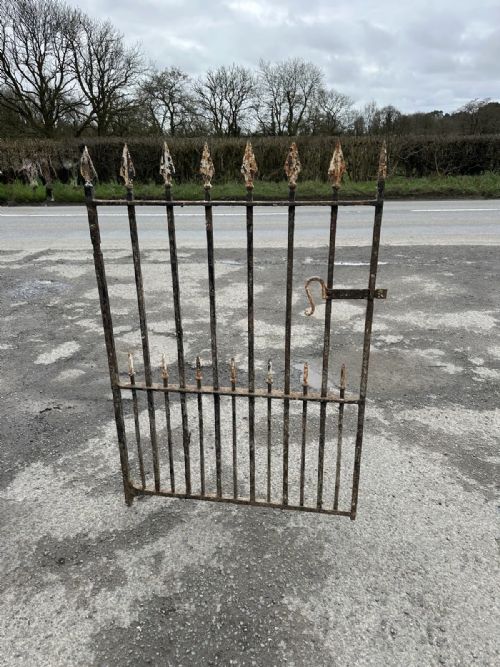
Most entries comprise tall garden gates, driveway gates, and architectural scroll panels fashioned for outdoor placement. You will frequently find country estate pairs as well as single pedestrian gates bearing traditional strapwork and trident details.
Origins stretch from British provincial blacksmiths to continental French workshops and twentieth-century decorative pieces. Buyers often select these architectural elements to anchor landscaping projects or restore period walled gardens.
Materials and construction methods
The construction relies primarily on wrought iron and cast iron, often shaped at the forge by traditional blacksmiths. Wrought iron provides fibrous tensile strength for scrolled panels and strapwork, while cast iron permits intricate detailing on finials and signs.
Makers utilised rivets, collars, and lap joints rather than modern welding to bind the structural members together. Many examples retain layers of old paint or surface weathering acquired over decades of exposure to the elements.
The listings on this page span the eighteenth, nineteenth, and twentieth centuries, incorporating materials like timber, glass, copper, and bronze alongside wrought and cast iron.
Assessing quality and integrity
Quality rests upon the weight of the metal, the complexity of the forge work, and the structural integrity of the frame. Superior examples display clean, hand-hammered scrollwork and robust strapwork without excessive section replacement.
The distinction between a standard garden barrier and an important estate piece lies in the scale, the heft of the iron bars, and the presence of decorative flourishes such as trident details or blacksmith signatures.
Raymond Subes
The Antique Iron Gate Glossary
- Wrought iron
- A tough, malleable iron form containing slag inclusions, ideal for hand-forging scrolls and structural bars. Blacksmiths historically worked this material while hot to create resilient outdoor fixtures.
- Cast iron
- Molten iron poured into a mould to create rigid components like sign plates and decorative finials. It offers fine detail but lacks the bending flexibility of forged iron.
- Strapwork
- Flat bands of iron riveted or jointed together to form geometric bracing across a gate frame. This technique adds both structural rigidity and visual rhythm.
- Kissing gate
- A small swinging gate enclosed in a narrow U-shaped or V-shaped pen that allows single pedestrians through while keeping livestock contained. They are a common countryside fixture.
- Architectural salvage
- Building elements rescued from older structures for reuse in modern landscapes or restorations. These salvage pieces preserve historical metalwork that might otherwise be lost.
Antique Iron Gate: Frequently Asked Questions
How do I install a heavy iron gate?
Hanging a heavy metal gate requires deep, secure masonry piers or dedicated timber posts capable of bearing substantial lateral loads. You must anchor the hinge pivots firmly to prevent sagging over time.
Professional installation typically involves adjustable hinge eyes and pin assemblies. These allow you to level the heavy leaves properly once the structural posts settle into the ground.
How do I treat rust on old iron?
Surface corrosion is a normal part of a metal gate's history and rarely threatens its structural core. Light brushing removes loose flakes without destroying the underlying patina.
Applying a stabilizing oil or appropriate metal paint protects the surface from further atmospheric moisture. Many owners prefer to leave a stable, weathered dark finish rather than stripping the metal bare.
Can I resize an antique gate to fit?
Altering historic metalwork requires skilled hot-work or careful cutting by an experienced metalworker. Because these pieces rely on balanced proportions and historical joinery, major dimension changes alter their visual harmony.
It is generally wiser to select a gate that matches your opening dimensions rather than attempting extensive physical alterations. Adjusting the hanging pillars is often easier than cutting down the gate itself.
How do I date an antique iron gate?
Dating relies on observing manufacturing techniques, such as the transition from hand-forged wrought iron to machine-rolled sections and cast components. Early nineteenth-century examples often display irregular hammer marks and simple riveted strapwork.
Later Victorian and twentieth-century pieces incorporate heavier standardised rolling mills and more ornate decorative casting. Stylistic clues like Art Deco geometry or specific lettering styles also help narrow the period of origin.