



Antique Insect Jewellery
Antique insect jewellery brings miniature creatures of the natural world into fine metalwork, offering collectors wearable specimens crafted with enduring fascination.
Antique Insect Jewellery
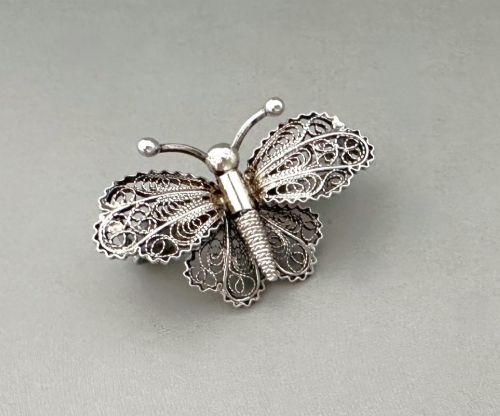
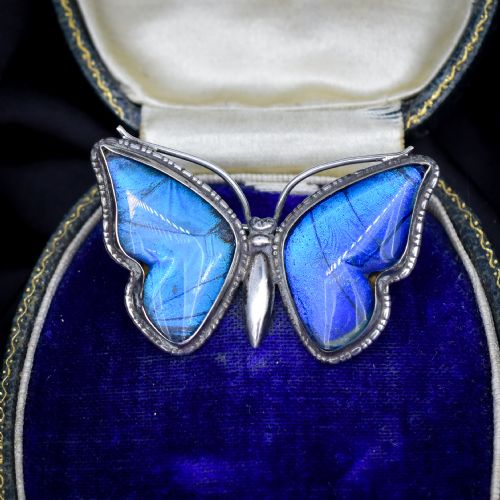
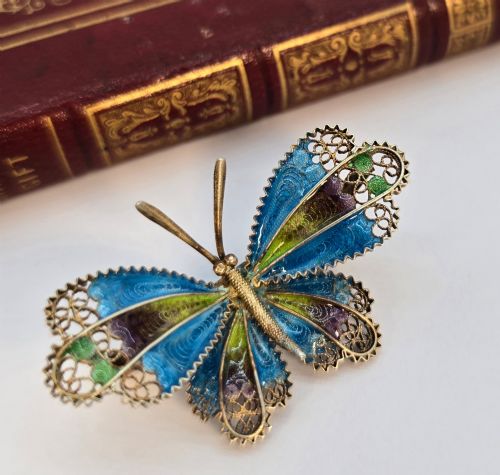
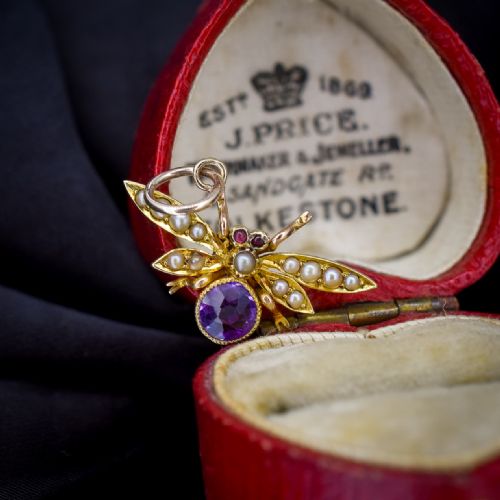
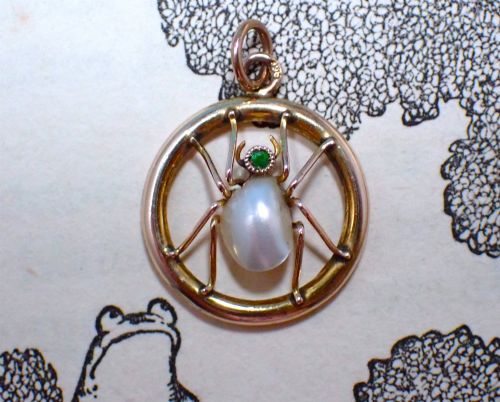
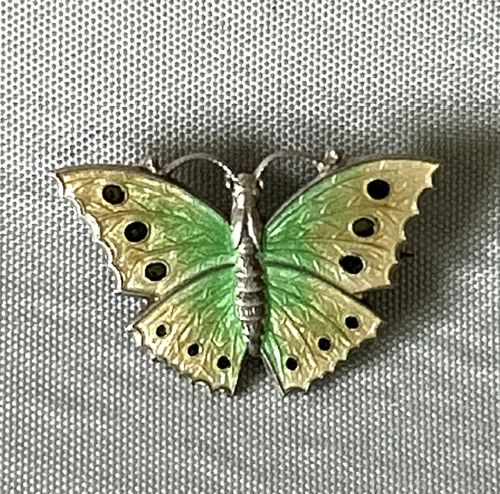
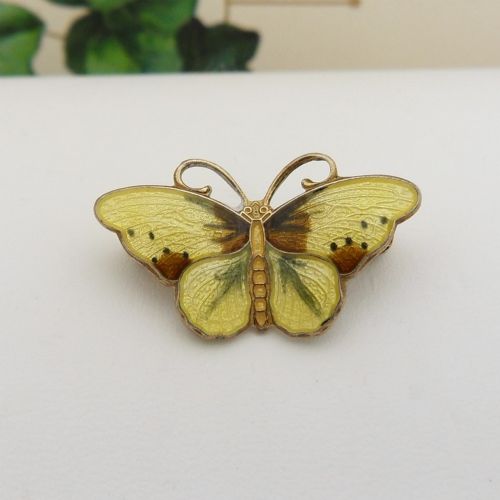
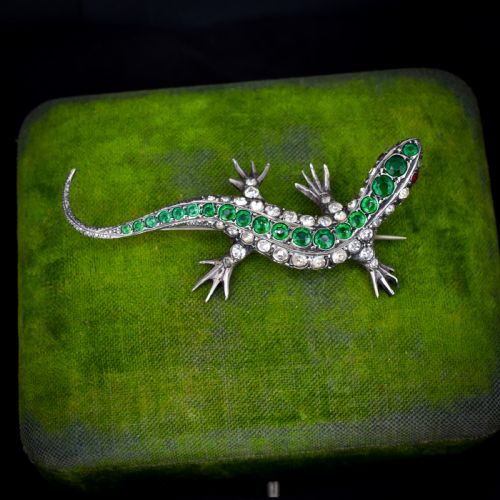
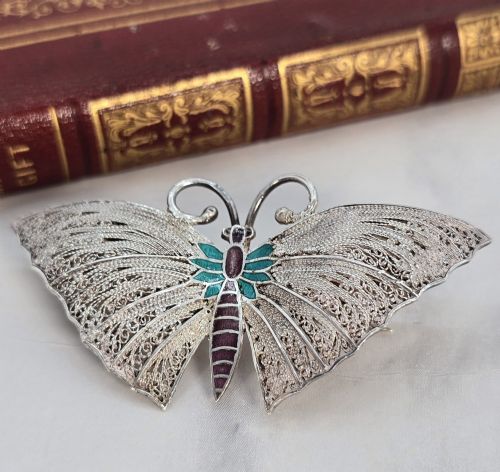
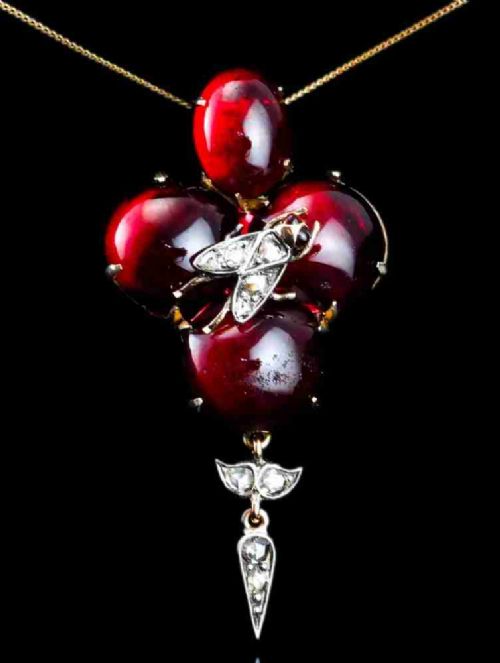
Antique insect jewellery consists of decorative brooches and hatpins shaped as butterflies and other winged creatures, capturing a Victorian and Edwardian obsession with natural history. These pieces translate delicate biology into precious ornaments using gold, silver, and carefully cut stones.
The selections available include Edwardian bar brooches, Victorian butterfly creations in yellow gold, and Art Nouveau hatpins. Each specimen reflects the shifting aesthetic tastes from the late nineteenth century through the early decades of the twentieth century.
Makers of this era interpreted insects through diverse stylistic lenses, ranging from the structured ornamentation of the Victorian period to the fluid lines associated with Rene Lalique. Buyers encounter everything from diamond-set bar brooches to sculptural hatpins designed to secure elaborate hairstyles.
How they were made
Craftsmen built these miniature forms using yellow gold and silver settings, frequently combining multiple metals within a single piece. Silver was deployed on the upper faces to brighten diamond work, while gold provided structural integrity for larger wings and mounts.
Gems such as diamonds, rubies, sapphires, emeralds, and pearls were flush-set or claw-set to mimic the iridescent patterns of real insects. Patinated metal also appears alongside precious stones, adding tonal depth and realism to the bodies and antennae.
Antique Insect Jewellery Retail Price Guide 2026
Typical asking prices for insect jewellery among the pieces listed under this phrase on Sellingantiques today, from the lower quarter to the upper quarter. They describe what is for sale here now, not the wider market.
Wearers once used diamond-set beetles to signal a subtle, buzzing defiance against Victorian sartorial strictures.
What varies in quality
Quality rests in the fidelity of the miniature carving and the precise matching of gemstones to mimic natural coloration. Master jewellers arranged stones such as sapphires, emeralds, and diamonds to suggest the shifting light on insect wings rather than simply filling space.
The distinction between standard commercial work and exceptional design lies in the articulation of legs, antennae, and thorax. Finer pieces demonstrate an anatomical understanding that elevates an ornament into a convincing miniature sculpture.
Rene Lalique
The Antique Insect Jewellery Glossary
- Bar brooch
- A slender horizontal metal pin designed to fasten garments, frequently utilised as a mounting base for central insect motifs. This form was especially popular during the Edwardian era.
- Hatpin
- A long decorative pin used to secure hats to heavy hair during the early twentieth century, often featuring an elaborate sculptural terminal such as a butterfly.
- Patinated metal
- Metal treated to produce a deliberate surface discoloration or darkening, employed to create realistic shading on the bodies of insect ornaments.
- Basaltic sapphire
- A variety of sapphire often characterised by deep, saturated blue tones, utilised in period pieces to provide rich colour saturation within gemstone clusters.
Antique Insect Jewellery: Frequently Asked Questions
What periods do these pieces span?
The available selection primarily encompasses items created between eighteen ninety and nineteen twenty, crossing the Victorian, Edwardian, and Art Nouveau periods.
Each era contributes distinct stylistic traits, moving from structured gemstone arrangements toward fluid, naturalist interpretations.
How were insect brooches worn?
Victorian and Edwardian wearers pinned these ornaments directly onto lapels, bodices, or hats as conversational highlights.
Bar brooches were typically secured across fabric folds, while hatpins functioned both as fasteners and prominent decorative elements.
What materials are common in these designs?
Yellow gold and silver form the primary structural foundations for mounting precious and semi-precious stones.
Diamonds, rubies, sapphires, emeralds, pearls, and patinated metal provide the colouration and texture mimicking actual insects.
How do I identify an Art Nouveau piece?
Art Nouveau examples focus on organic, flowing lines and naturalistic asymmetry rather than rigid geometric symmetry.
Creators from this movement emphasised the sculptural qualities of the insect form over sheer gemstone weight.