




Antique Diamond Lapel Pin
An antique diamond lapel pin brings a touch of sparkle to a lapel or cravat, combining period craftsmanship with enduring elegance.
What an antique diamond lapel pin is
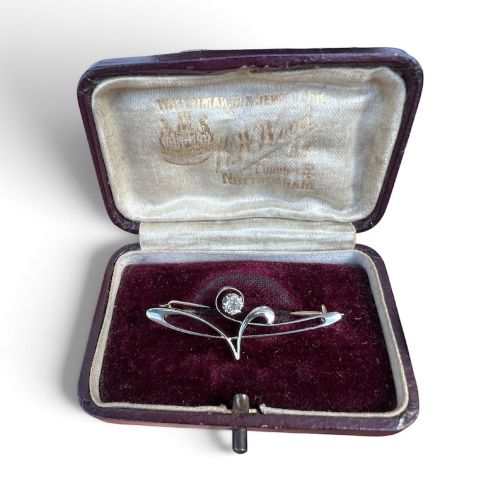
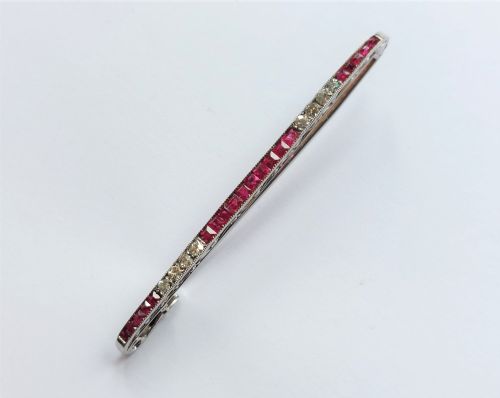
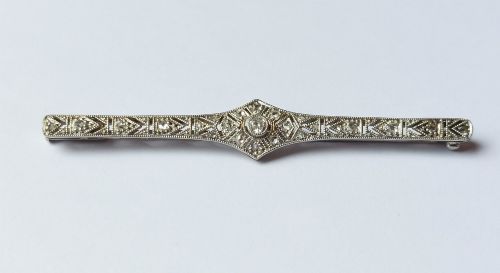
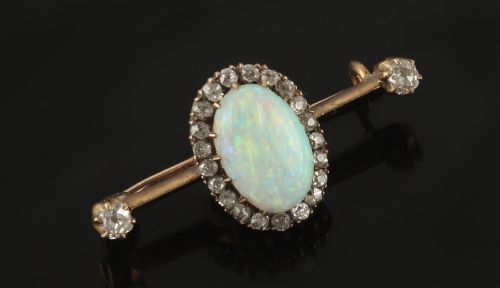
When you search for an antique diamond lapel pin, you are looking at small, intricate pieces of jewellery designed to fasten onto clothing or cravats. These items function as both functional fasteners and decorative accessories, drawing the eye with their subtle brilliance.
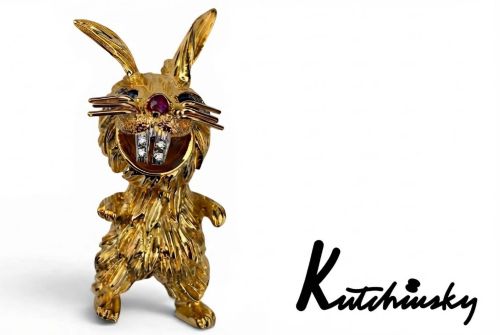
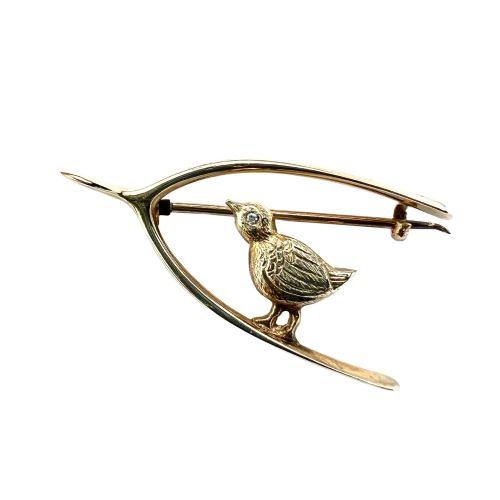
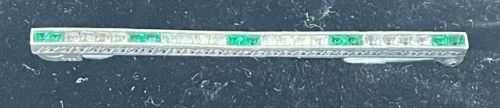
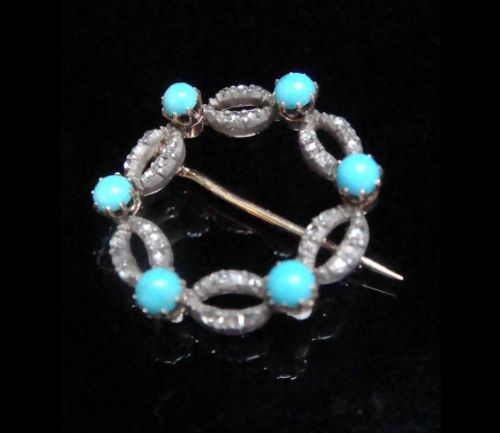
The versions you are most likely to meet on this page hail from the Edwardian era and the 1920s. They appear in forms such as crescent brooches, butterfly brooches, and novelty tie pins, reflecting the tastes of their respective periods.
How these pieces were made
Materials recorded in the listings include platinum, 18kt white gold, 18ct yellow gold, and silver, often paired to create contrasting colour tones for the metal settings. Jewellers utilised silver and platinum atop gold foundations to enhance the white sparkle of the stones.
Diamonds are set meticulously into these precious metals, bringing together traditional goldsmithing techniques and fine stone setting. The construction reflects the delicate metalwork characteristic of early twentieth-century jewellery production.
Among the delicate crescents and geometric forms, a stray butterfly occasionally flutters onto the lapel.
What varies in quality
Quality in these pieces rests upon the finesse of the metalwork and the integration of the diamonds within the design. Finer examples display meticulous stone setting and balanced proportions that elevate the entire object.
The choice of materials also marks the upper tier, particularly pieces combining platinum and gold or incorporating thoughtful novelty motifs. Simpler constructions remain charming, but master craftsmanship is visible in the precision of the geometric or naturalistic shapes.
The Antique Diamond Lapel Pin Glossary
- Art Deco
- A design style from the 1920s characterised by geometric symmetry, clean lines, and stylised motifs. It represented a distinct shift away from earlier floral curves.
- Platinum
- A dense, strong, and malleable white metal prized in jewellery for its durability and secure stone-setting capabilities. It allows for very fine metalwork without losing structural integrity.
- Crescent
- A curved, horn-like shape popular in period brooches, often pavé-set with small diamonds. This motif symbolised growth and new beginnings in historical jewellery.
Frequently Asked Questions
What is an antique diamond lapel pin?
An antique diamond lapel pin is a small decorative fastening designed to be worn on a jacket lapel, collar, or cravat. These pieces combine precious metals with diamonds to add a refined detail to attire.
They originate from periods such as the Edwardian era and the 1920s, showcasing the distinct design sensibilities of those times.
How do I wear a lapel pin?
Lapel pins are typically secured through the buttonhole of a lapel or pinned directly through the fabric of a jacket or scarf. They serve as subtle focal points for formal or smart casual wear.
Ensure the pin stem is securely fastened with its clasp to keep the piece safe during movement.
How can I tell Edwardian from Art Deco pieces?
Edwardian pieces often feature softer, garland-inspired motifs with delicate openwork platinum and gold settings. They lean towards naturalistic shapes like crescents and flowers.
Art Deco items from the 1920s favour bold geometric patterns, straight lines, and streamlined symmetry, reflecting a modern industrial aesthetic.
What metals are used in these pins?
The listings show a combination of platinum, 18kt white gold, 18ct yellow gold, and silver. Jewellers often paired metals, such as silver on gold, to make the diamonds stand out.
Platinum was particularly favoured for its strength in holding small stones securely.