



Art Deco Dress Pin
These art deco dress pin selections offer geometric elegance and fine metalwork designed to secure garments with period flair.
Art Deco Dress Pin
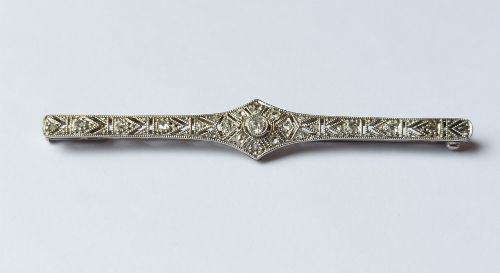
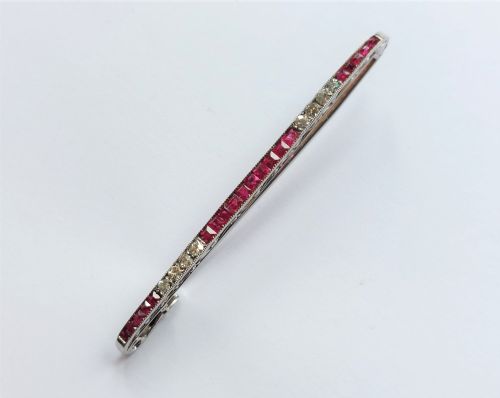
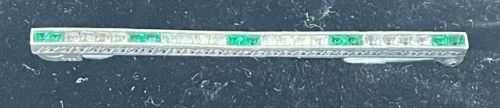
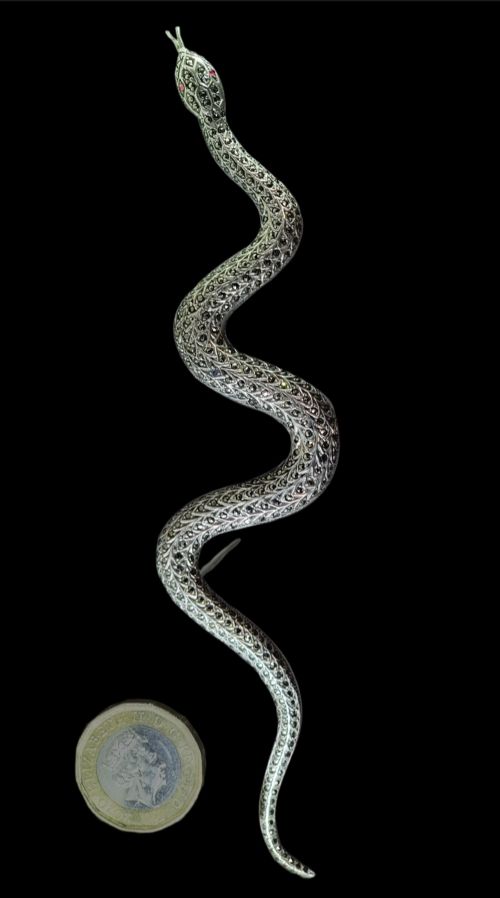
When buyers search for an art deco dress pin, they encounter a focused selection of brooches and bar pins originating primarily from the 1920s and 1930s. These items range from delicate silver and marcasite fastenings to substantial platinum mounts set with diamonds and rubies.
The most common versions met on this page are platinum and gold bar brooches, alongside silver pieces incorporating geometric motifs and contrasting stones such as onyx and sapphire. Alongside wearable pins, the broader selection includes related decorative objects from the period.
The design vocabulary draws heavily on symmetrical lines, stylised motifs, and contrasting materials typical of the interwar decades. Buyers will find both understated everyday dress fastenings and substantial gem-set pieces intended for formal evening wear.
Materials and construction methods
The construction of these pieces relies on precious metals such as platinum, 18ct gold, and white gold to support intricate stone settings without adding unnecessary weight. Platinum gained prominence during this era for its strength, allowing jewellers to create ultra-fine bezels and millegrain edges that secure diamonds and coloured gems.
Silver and sterling silver frequently serve as the base for marcasite, enamel, and paste stones, offering striking visual contrast through oxidation and polished facets. Techniques like filigree wirework and guilloché enamelling demonstrate the detailed handcraftsmanship typical of European workshops during the period.
Art Deco Dress Pin Retail Price Guide 2026
Typical asking prices for art deco dress pin among the pieces listed under this phrase on Sellingantiques today, from the lower quarter to the upper quarter. They describe what is for sale here now, not the wider market.
Porcelain flapper dolls and bathing belles once kept hatpins orderly on dressing tables while judging morning gossip.
Distinguishing quality across the range
The upper tier of these pieces is defined by the quality of the gemstones, the precision of the metal fabrication, and the retention of original components like pin stems and safety catches. Heavier platinum mounts set with matched diamonds represent the pinnacle of period craftsmanship.
Lower tiers utilise alternative materials such as silver plate, base metals, celluloid, or synthetic stones, which alter the weight and longevity of the item. Evaluating a piece involves looking at the crispness of the geometric detailing and the integrity of the stone settings rather than surface wear alone.
Fasold and Stuach·Jakob Bengel·Mappin and Webb·Henry Clifford Davis
The Art Deco Dress Pin Glossary
- Bar brooch
- A narrow horizontal pin featuring central ornamentation, popular throughout the 1920s and 1930s for securing lapels and scarves.
- Marcasite
- Small faceted pyrite stones set closely into silver channels to produce a metallic sparkle resembling cut steel.
- Millegrain
- A decorative technique involving a row of tiny raised metal beads along the edge of a setting, softening the transition between metal and stone.
- Guilloché
- Enamel applied over a mechanically engraved metal background, creating repeating geometric patterns visible beneath a translucent colour.
- Paste
- Hand-cut glass used to imitate diamonds and coloured gemstones in period costume jewellery.
Art Deco Dress Pin: Frequently Asked Questions
What materials make up an art deco dress pin?
Makers utilised platinum, white gold, yellow gold, and sterling silver as the primary structural metals for these wearable items. Gemstones including diamonds, sapphires, rubies, and onyx were frequently integrated alongside decorative elements like marcasite and enamel.
Lighter pieces rely on base metals, glass paste, or celluloid to achieve similar visual impact at a different scale. The choice of material usually corresponds to the formality of the original design.
How were these pins worn historically?
Owners secured these items onto lapels, collars, hats, and heavy fabrics to fasten garments or simply add a decorative accent to everyday attire. Bar pins functioned particularly well along the edge of necklines or securing lightweight scarves.
Heavier gem-set versions were reserved for evening wear, fastened securely to silk and velvet dresses. The robust pin stems and safety catches ensured the items remained anchored during movement.
How do I distinguish 1920s pins from later decades?
Pieces from the 1920s typically exhibit strict symmetrical geometry, platinum settings, and old-cut diamonds characteristic of early twentieth-century bench jewellers. Transition into the 1930s introduced bolder, more stylised curves and alternative materials like coloured plastics and chrome.
Post-war items from the 1950s and 1960s often display distinct modernist interpretations or heavier gold casting techniques. Examining the reverse side and the construction of the pin mechanism provides further clues to the exact manufacturing era.