


Antique Bar Pin
An antique bar pin is a slender brooch built for fastening collars and lapels, combining delicate Edwardian elegance with secure daily wear.

What an antique bar pin is
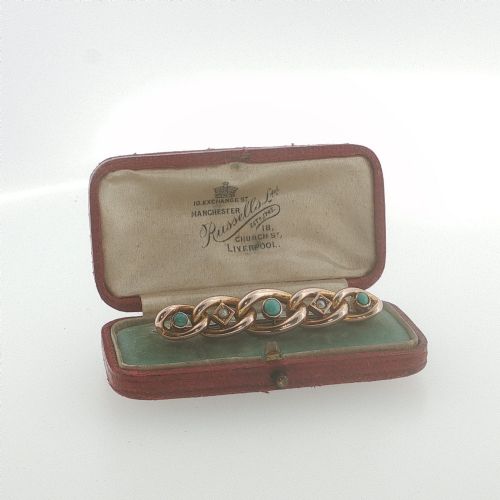
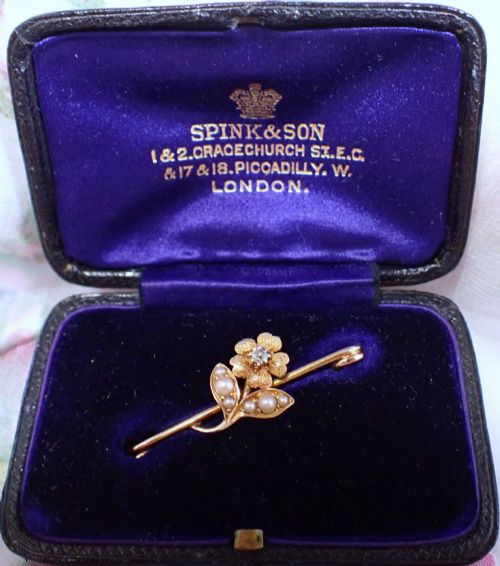
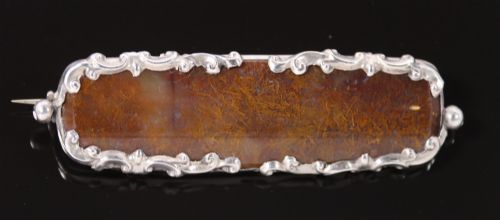
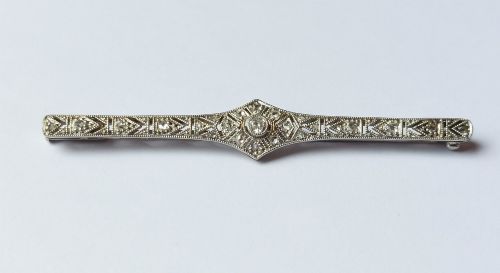
When you search for an antique bar pin, you encounter narrow horizontal brooches designed primarily during the Edwardian, Victorian, and Art Deco periods. These pieces serve to fasten cravats, lace collars, or lapels with a slender profile that sits flat against fabric.
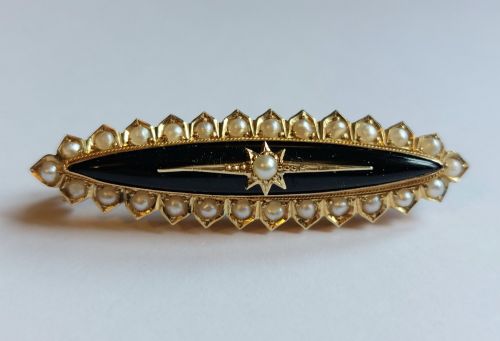
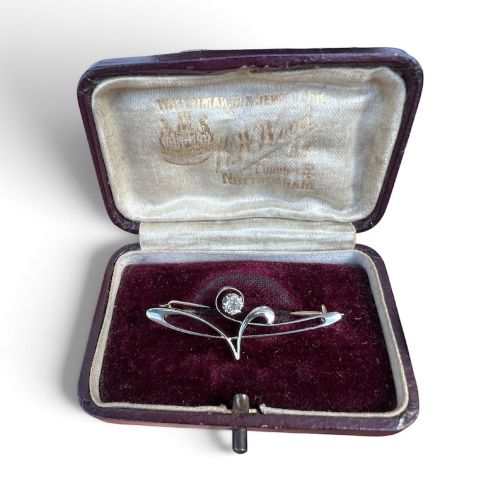
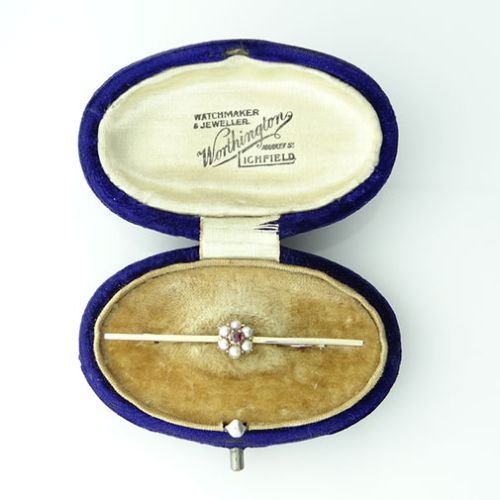
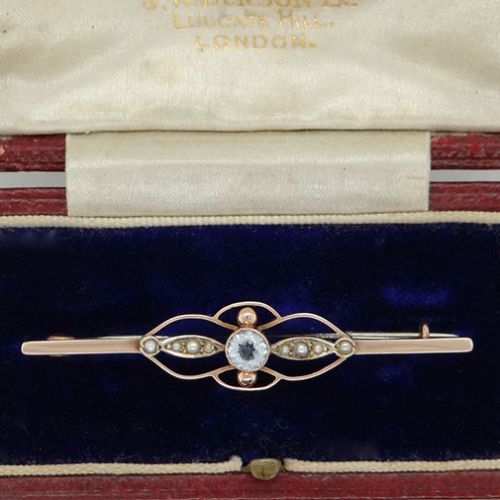
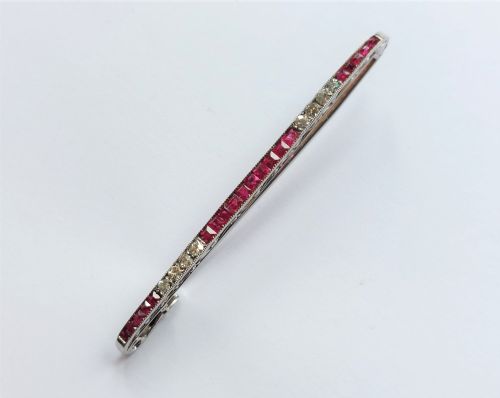
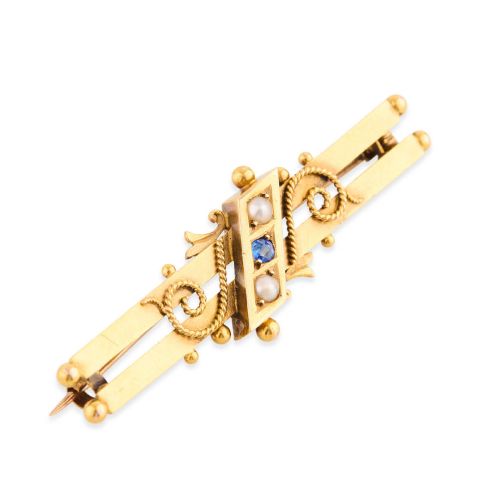
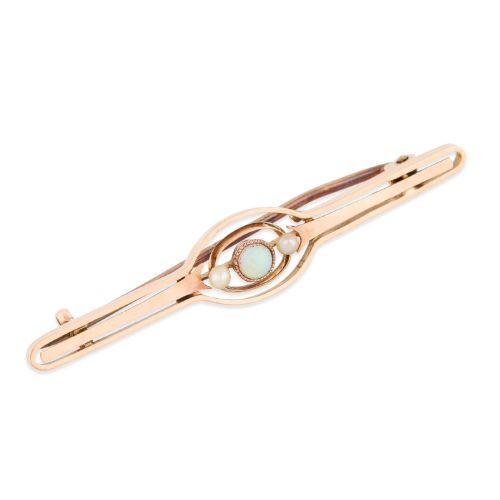
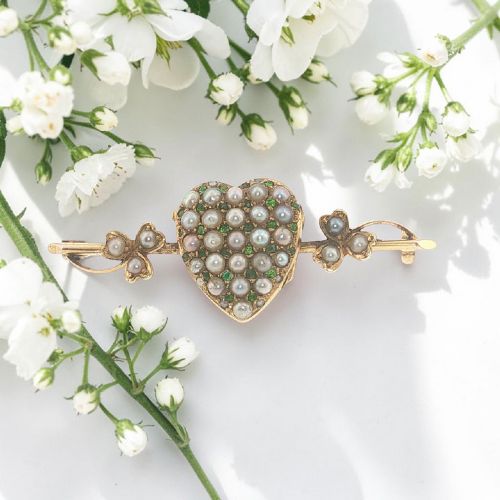
The selections available here frequently showcase gemstones mounted across a linear metal shaft, spanning from modest seed pearls to striking old cut diamonds. Forms range from simple geometric lines to Suffragette coloured stones and decorative drop chains.
How they were made
Goldsmiths fabricated these linear brooches using 9ct and 15ct rose and yellow gold, alongside silver and platinum stampings. Metal shafts were drawn or cast to support stone settings securely while maintaining a lightweight structure.
Gemstones including turquoise, opal, moonstone, paste, and diamonds were hand-set into collets or prongs along the bar. Seed pearls were often threaded or pegged onto wire frameworks to create delicate floral or geometric motifs.
Retail Price Guide 2026
Typical UK retail prices for bar pin, calculated from the Sellingantiques database of over a million retail prices indexed since 2003. This retail price guide relies exclusively on Sellingantiques data; no external sources or auction records are used, so the figures do not describe the wider market.
Listings for this phrase feature pieces from the Edwardian, Victorian, and Art Deco eras, constructed in silver, platinum, and various purities of gold.
What varies in quality
Quality in an antique bar pin rests on the precision of the stone setting and the structural integrity of the pin stem. Superior examples feature closely matched natural stones and clean bezel or prong work that secures gems without excess adhesive or awkward solder marks.
The sophistication of the metalwork also distinguishes finer pieces, where hand-engraved details or pierced galleries elevate a simple gold bar into a refined decorative accessory. The choice between paste and genuine diamonds or precious gems alters the inherent character and prestige of the piece.
The Antique Bar Pin Glossary
- Bar brooch
- A slender horizontal brooch designed with a pin mechanism running the length of the metal shaft. These pieces emerged as popular fasteners in the nineteenth and early twentieth centuries.
- Old cut diamond
- A diamond shaped with hand-faceting that produces smaller tables and deeper pavilions than modern brilliant cuts. This cut creates a softer, candlelit sparkle characteristic of older stones.
- Seed pearl
- A very small, naturally occurring or early cultured pearl drilled and mounted in jewellery. They appear frequently in clusters and floral arrangements on Edwardian pieces.
- Paste
- Hand-cut lead glass used as a gemstone substitute in historic jewellery. High quality paste exhibits sharp facets and careful foil backs to mimic genuine stones.
- Suffragette colours
- A specific colour combination of green, white, and violet utilised in jewellery during the early twentieth century. These hues represent give me votes, standing for hope, purity, and dignity.
Frequently Asked Questions
How do I wear an antique bar pin?
These brooches secure nicely onto lapels, scarves, or thick knit sweaters by passing the pin stem through the fabric and locking it into the safety clasp. Their linear shape distributes weight evenly across the material.
For delicate fabrics, place a small backing disc or reinforcement patch behind the cloth to support the weight of heavier gemstone bar pins.
Are antique bar pins fragile?
While metal shafts provide good rigidity, the fine settings and pin stems require gentle handling during everyday use. Seed pearls and opals benefit from careful storage away from hard impacts.
Check the hinge and clasp mechanism periodically to ensure the pin remains secure when fastened to your garments.
How can I tell the period of a bar pin?
Dating relies on examining the metal purity marks, stone cuts, and overall stylistic motifs. Edwardian pieces often feature delicate filigree and platinum tops, while Victorian examples lean toward heavier gold and larger coloured gems.
Art Deco bar pins display sharp geometric symmetry and calibrated paste or emerald accents typical of the nineteen thirties.
What is the difference between a bar pin and a brooch?
A bar pin is a specific subcategory of brooch defined by its elongated, narrow horizontal bar shape. Traditional brooches encompass a much wider variety of circular, figural, and clustered silhouettes.
Bar pins were specifically fashioned to span lapels and secure neckwear without overwhelming the fabric with bulk.