


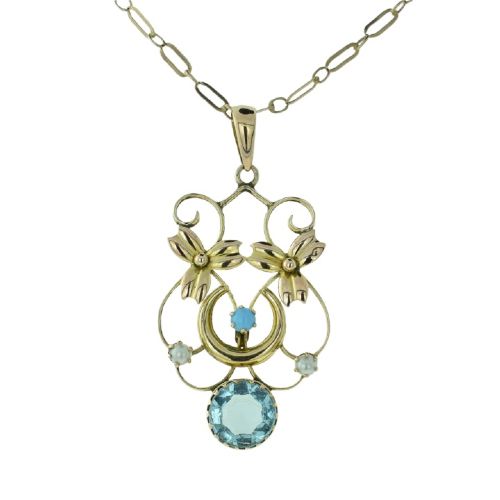
Victorian Gemstone Jewellery
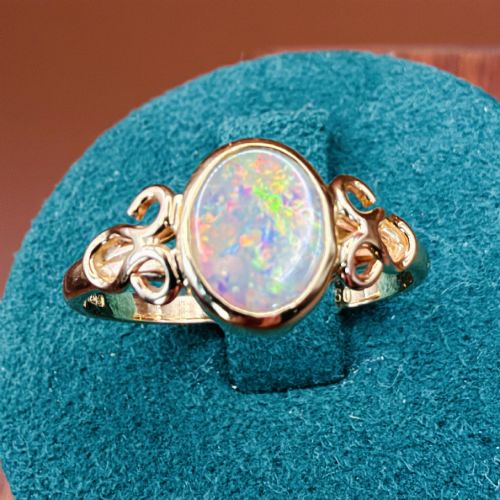
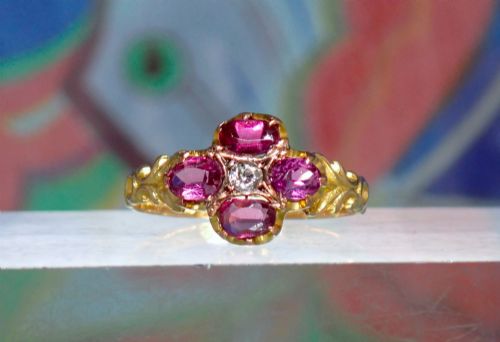
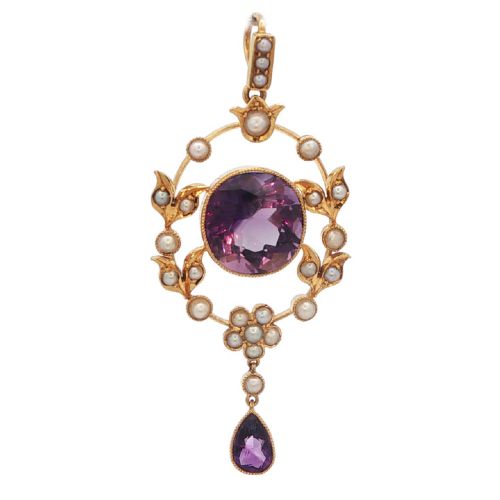
Victorian gemstone jewellery encompasses rings, pendants and brooches set with diamonds, rubies, opals and other stones.
Victorian Gemstone Jewellery
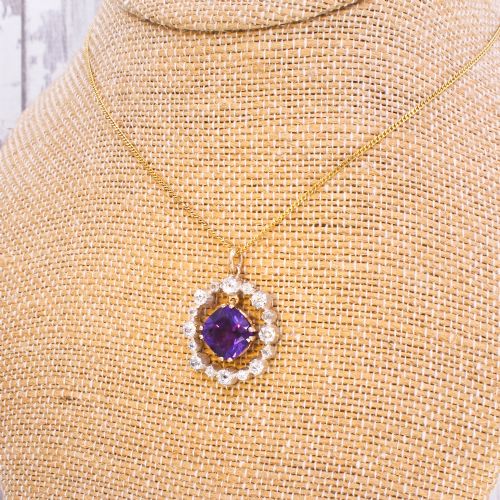
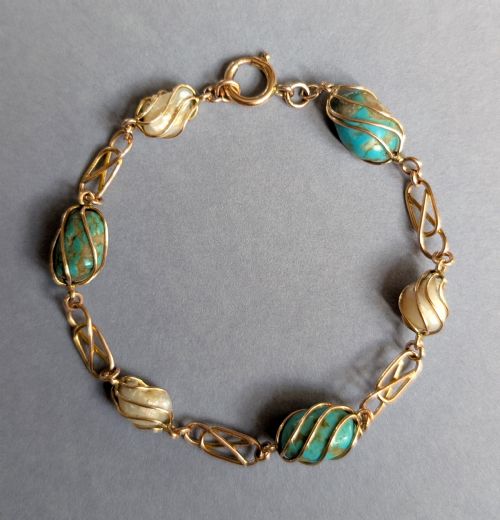
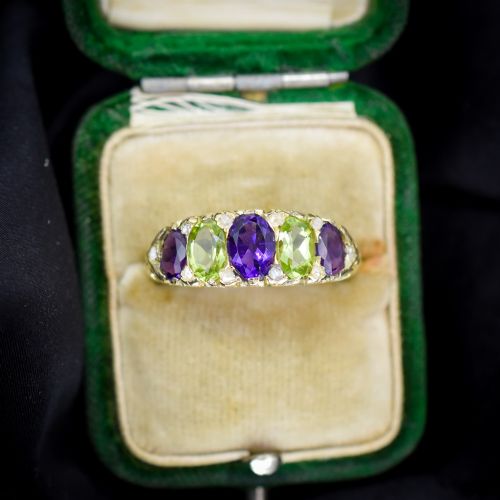
Victorian gemstone jewellery comprises wearable ornaments produced during the nineteenth century, encompassing rings, pendants, brooches, necklaces and bracelets. These pieces frequently incorporate diamonds, rubies, sapphires, emeralds, opals, garnets and amethysts mounted in yellow gold, rose gold or higher carat alloys.
Materials and construction
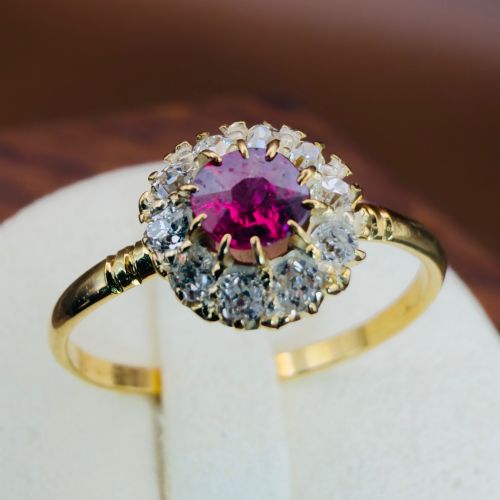
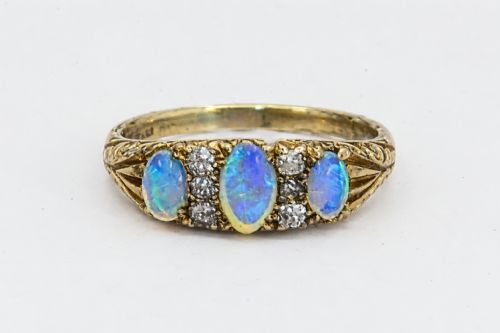
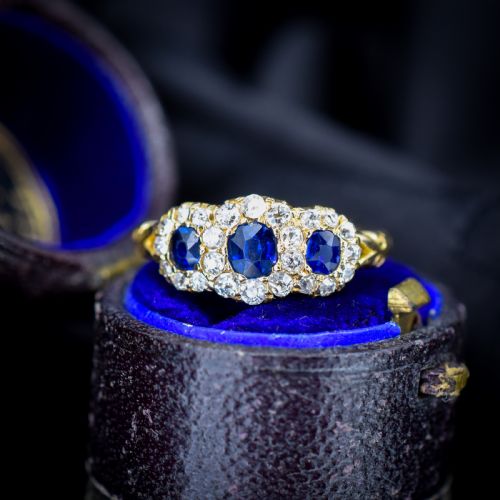
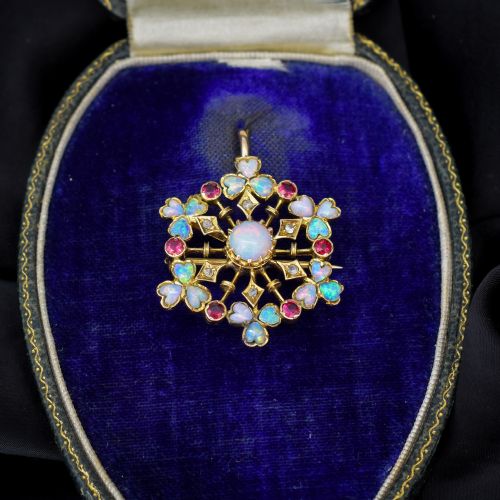
Metals span 18ct and 15ct gold alongside lower carat alloys like 9ct, often shaped into bands, bezels or settings designed to hold precious stones. Stones such as diamonds, rubies, opals and pearls are secured using claw settings, star settings or flush mounts.
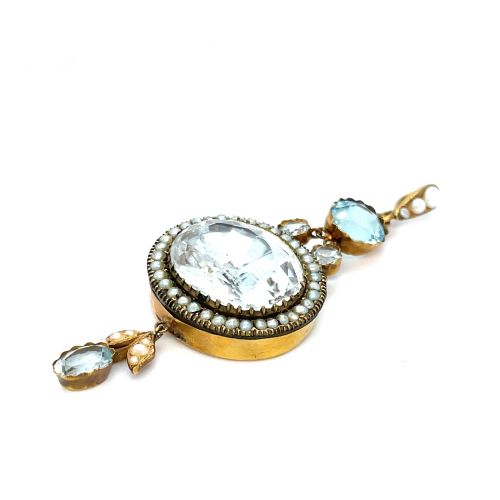
Techniques visible in the listings include foil-backing beneath coloured stones like aquamarine and topaz to enhance reflectivity, alongside intricate hand-engraving on gold mounts and clasps.
The inventory records diverse object forms including rings, pendants, brooches, necklaces, bracelets and earrings.
Factors of quality
Quality rests upon the selection and natural state of the gemstones, where unheated rubies, natural opals and old cut diamonds command attention. The integration of the stones into the precious metal mount determines the structural integrity and visual balance of the piece.
Hand-finished details such as delicate chasing on gold bands, original clasps on necklaces and intact foil-backs distinguish superior examples from standard production.
The Victorian Gemstone Jewellery Glossary
- Old cut diamond
- A hand-faceted diamond cut with a small table, high crown and open culet, typical of nineteenth-century jewellery.
- Foil back
- A thin sheet of metal placed beneath a gemstone to reflect light and alter or enhance its perceived colour.
- Cluster ring
- A ring design featuring a central gemstone surrounded by a border of smaller stones, frequently diamonds.
- Star setting
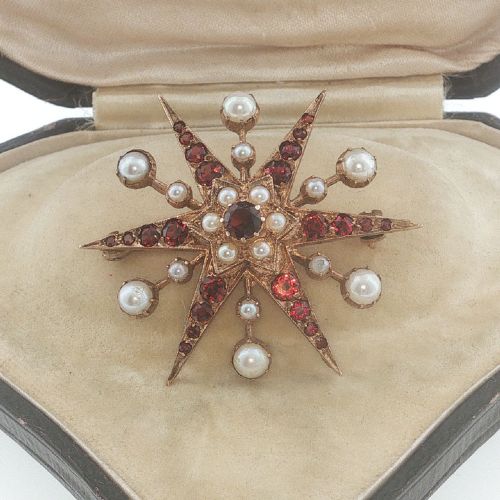
- A mounting style where a gemstone is flush-set into the metal, surrounded by hand-engraved star rays.
- Navette
- A boat-shaped gemstone or jewellery setting featuring pointed ends and a longer central axis.
Victorian Gemstone Jewellery: Frequently Asked Questions
What is Victorian gemstone jewellery?
Victorian gemstone jewellery refers to rings, pendants, brooches and bracelets made during the reign of Queen Victoria, set with stones like ruby, diamond, opal and sapphire in gold mounts.
These ornaments reflect the aesthetic preferences of the nineteenth century, utilising diverse motifs from floral sprays to starburst clusters.
How do I identify a Victorian ring?
Identification relies on examining the gold carat marks, stone cuts such as old mine or old European cuts, and traditional construction methods like closed-back settings or hand-engraved shanks.
Many pieces also feature specific design characteristics like boat shapes, multi-stone clusters or star settings unique to the period.
What metals were used in Victorian jewellery?
Jewellery from this era was predominantly made using 18ct and 15ct yellow or rose gold, alongside 9ct gold for later or lighter items.
Platinum began to see use in late Victorian and Edwardian settings, particularly for securing diamonds in white metal claws.
How should I care for antique gemstone pieces?
Antique pieces require gentle handling, avoiding harsh chemical cleaners or ultrasonic baths that might damage delicate stones like opals, pearls or foil-backed gems.
Regular checks by a jeweller ensure that claws holding the gemstones remain secure and tight.