


Geometric Art Deco Brooch
A geometric art deco brooch brings clean linear design and exceptional sparkle, anchoring any collection with period elegance.
Geometric Art Deco Brooch
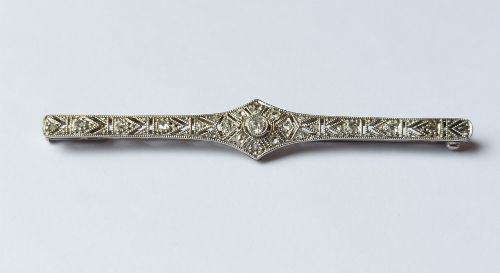
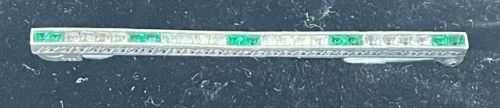
A geometric art deco brooch presents strict symmetry, architectural shapes, and sharp angles characteristic of the interwar period. These pieces originate primarily from the 1920s and 1930s, taking forms such as bar brooches, dress clips, and convertible pendant designs.
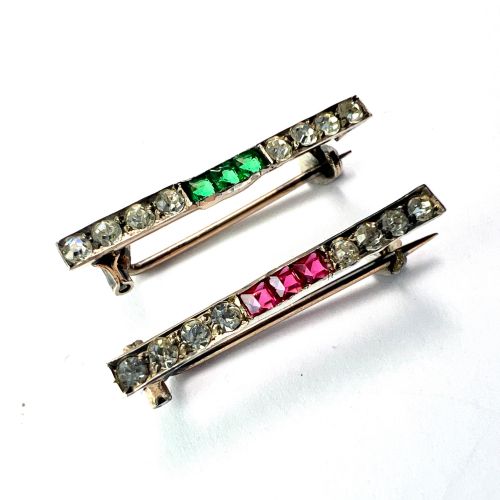
Buyers encounter distinct variations including platinum and diamond creations alongside continental silver, paste, and modernist metal work. Examples span from austere geometric bar pins to complex double clip brooches accented by contrasting onyx and precious stones.
Makers from France and workshops like that of Jakob Bengel contributed distinct regional styles ranging from high-carat platinum luxury to industrial chrome and galalith. This selection captures the full spectrum of modernist and jazz-age lapel adornment.
Materials and Techniques
Platinum serves as the premier white metal foundation for high-end pieces, allowing for delicate millegrain edges and secure gemstone settings without heavy bulk. White gold and yellow gold also appear frequently, often paired together to create contrasting metallic frames within a single piece.
Gemstone setting relies heavily on old cut diamonds, calibre-cut onyx, and calibrated rubies or emeralds arranged in strict geometric patterns. Alternative materials such as silver, glass, paste, and galalith provide industrial colour and contrast in accessible modernist designs.
Construction techniques emphasise precision, utilising channel settings and open-work galleries to maximise light passage through diamonds and coloured stones. Pin stems and safety catches are integrated flush into the reverse to maintain clean architectural profiles.
Geometric Art Deco Brooch Retail Price Guide 2026
Typical asking prices for geometric art deco brooch among the pieces listed under this phrase on Sellingantiques today, from the lower quarter to the upper quarter. They describe what is for sale here now, not the wider market.
Listings feature platinum, 18ct gold, silver, and base metal alongside diamonds, onyx, glass, and galalith.
Assessing Merit
The division between standard pieces and exceptional examples rests upon the quality and total carat weight of the central diamonds. Pieces set with substantial old cut diamonds in heavy platinum mountings sit firmly at the pinnacle of period production.
Structural complexity and versatility heavily influence worth, particularly in convertibles such as double clip brooches that detach from a central frame. The precision of stone alignment, especially in calibrated onyx and pavé work, separates mass production from master craftsmanship.
Jakob Bengel
The Geometric Art Deco Brooch Glossary
- Bar brooch
- A narrow horizontal pin featuring central gemstone clusters or linear channel settings. This format was exceptionally popular during the nineteen twenties for securing lapels and cravats.
- Old cut diamond
- A precursor to the modern brilliant cut featuring a smaller table, higher crown, and open culet. These stones catch candlelight and ambient room illumination with a distinctive soft warmth.
- Calibre-cut
- Gemstones specifically shaped and faceted to fit tightly into a geometric channel or border without gaps. This technique requires expert lapidary skill to maintain absolute symmetry.
- Millegrain
- A decorative technique involving tiny raised beads of metal bordering a gemstone setting. It softens the platinum edge and adds subtle texture to strict linear designs.
- Dress clip
- A hinged clasp ornament designed to attach securely to the neckline or lapel of a garment. Many examples function independently or slide onto a shared frame as a brooch.
Geometric Art Deco Brooch: Frequently Asked Questions
How do I wear a geometric art deco brooch?
Pin these pieces firmly through heavy fabrics such as wool coat lapels, velvet collars, or structured evening stoles to support the weight of the platinum and diamonds. Ensure the safety catch is fully engaged before stepping out.
Double clip versions offer versatility by separating into two distinct dress ornaments for bilateral collar placement.
What metals are typical in art deco brooches?
Platinum is the definitive metal for high-value examples because its strength permitted fine wirework and secure claw settings for diamonds. White gold, yellow gold, and silver also appear across various European workshops.
Industrial pieces incorporate alternative materials like chrome-plated base metals and galalith to achieve stark modernist colour contrasts.
How do I identify a genuine art deco piece?
Examine the reverse construction for hand-pierced gallery work, integrated pin mechanisms, and traditional old cut diamond facets rather than modern brilliant cuts. Stylistic cues include strict symmetry, chevrons, steps, and Egyptian-inspired motifs.
Continental hallmarks and maker stamps stamped into the platinum or gold add physical verification of period origin.
Are paste stones modern fakes?
Period paste stones are high-quality lead glass handcrafted during the era to emulate diamonds, emeralds, or rubies in fashion-forward costume jewellery. They represent authentic historical manufacturing rather than modern reproductions.
Inspect the stones under magnification to find hand-cut facets and foil backings typical of 1920s and 1930s paste production.