



Antique Butterfly Brooch
These antique butterfly brooches combine organic insect forms with precious gems and metals, offering lasting charm for the discerning collector.
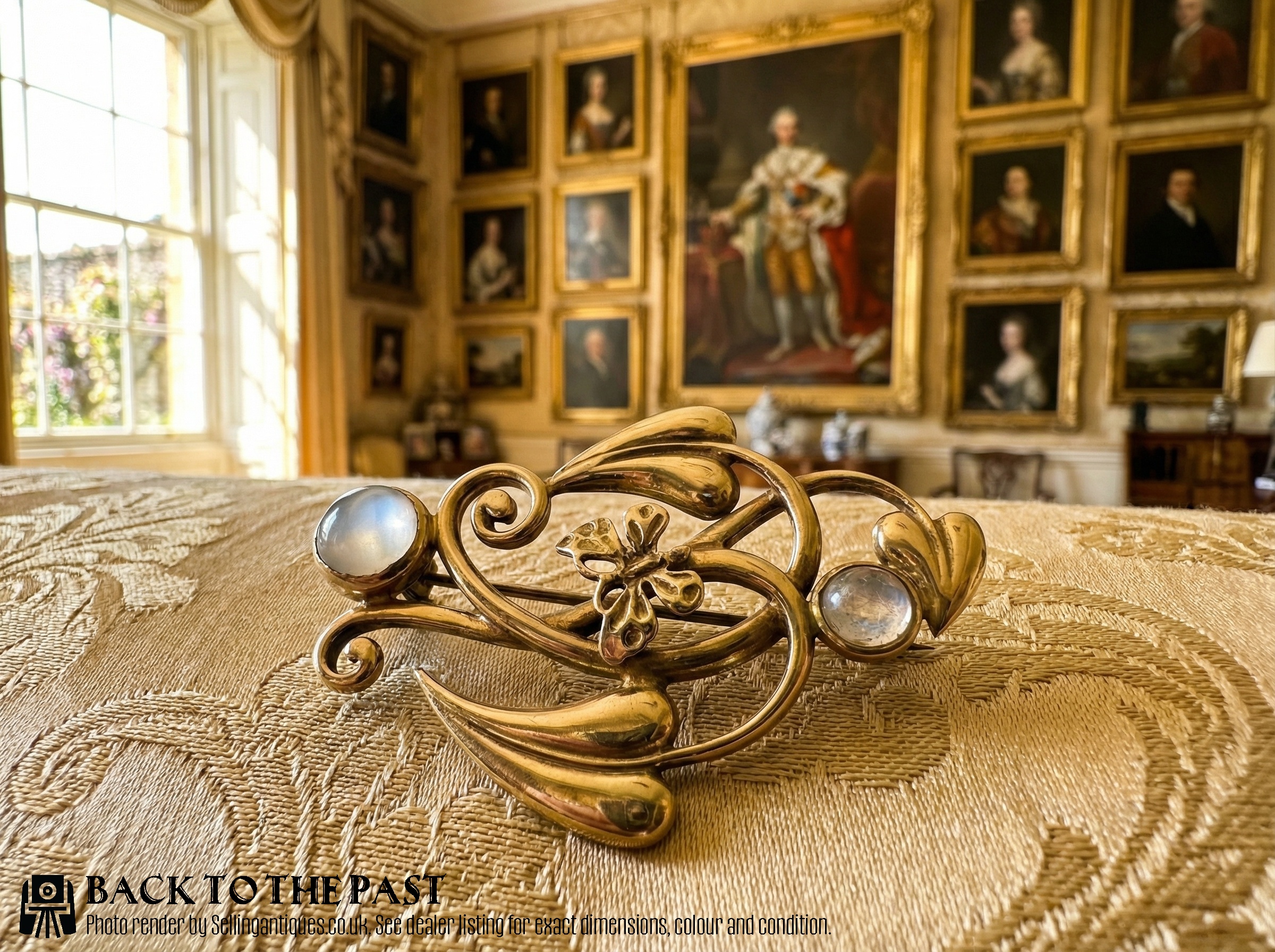
What They Are
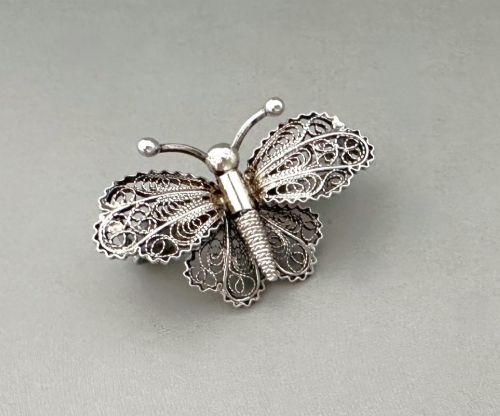
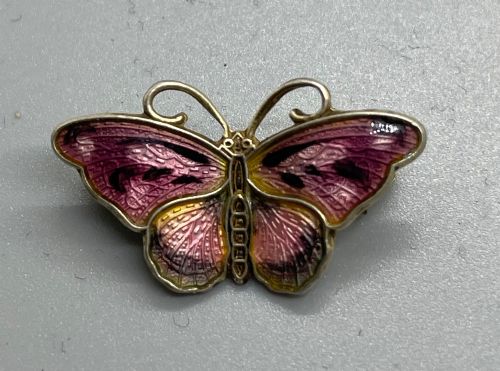
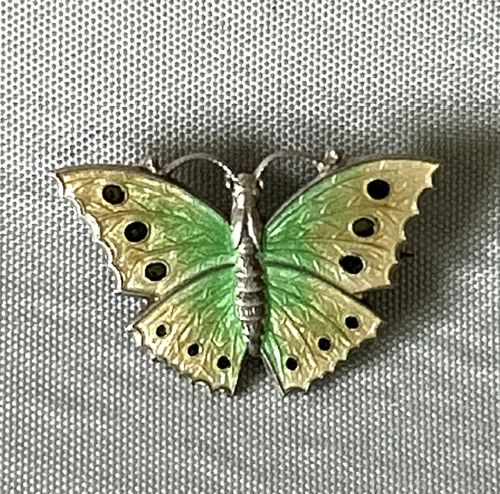
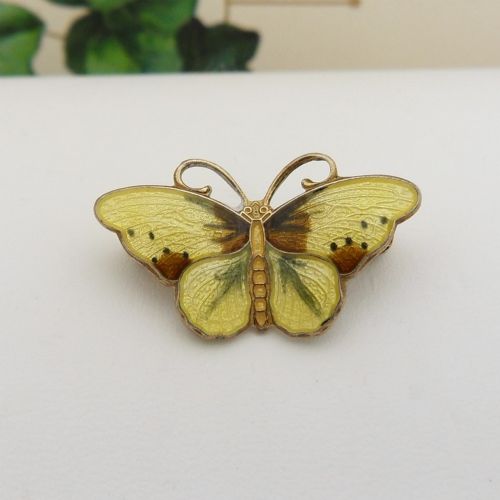
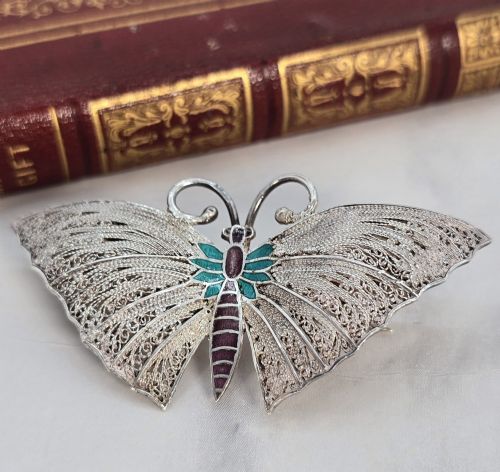
An antique butterfly brooch is a wearable ornament shaped like the insect, emerging from the Victorian and Edwardian eras. These pieces capture the natural world through detailed wings and bodies fashioned into brooches.
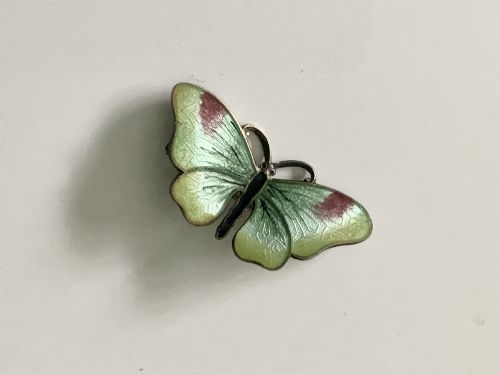
The versions most commonly met on this page span the late nineteenth century into the early twentieth century. They range from delicate silver and enamel works to substantial gold pieces set with diamonds, sapphires, emeralds, and moonstones.
How They Were Made
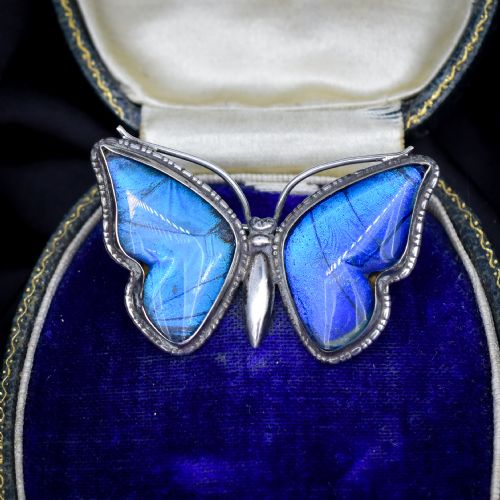
Craftsmen built these brooches using precious metals including nine-carat gold, fifteen-carat yellow gold, silver, and platinum. Techniques involved stone setting, enamelling, and working butterfly wing elements into the metal settings.
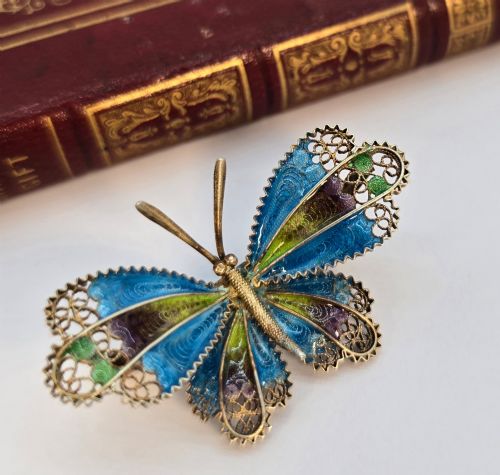
Gemstones such as diamonds, rubies, sapphires, emeralds, moonstones, and Montrose agates were carefully integrated to accent the wings and bodies. Enamel work added vibrant colour to the silver and gold structures.
Listings feature pieces from the Victorian and Edwardian eras, utilising silver, gold, platinum, diamonds, rubies, sapphires, emeralds, moonstones, and agate.
What Varies in Quality
Quality rests in the precision of the metalwork and the selection of materials, separating standard production from finer artisan pieces. Maker attribution, such as work by Albert Carter, elevates a piece through documented provenance.
The sophistication of the gem-setting and the preservation of delicate elements like enamel or butterfly wing panels define the upper tier of these brooches. Finer examples display meticulous integration of stones to mimic natural insect patterns.
Albert Carter
The Antique Butterfly Brooch Glossary
- Art Nouveau
- A style popular around 1890 that embraces organic, flowing lines and natural motifs. This aesthetic heavily influenced the curves of insect wings in period jewellery.
- Basaltic Sapphire
- A type of sapphire often originating from basaltic terrains, known for deep and rich blue tones. These stones provide striking contrast in multi-gem Victorian insect brooches.
- Montrose Agate
- A distinct variety of patterned chalcedony historically used in Scottish and Victorian jewellery. It creates unique, earthy wing panels on period brooches.
- Old Cut Diamond
- A diamond cut by hand before modern machinery, featuring a smaller table and larger culet. These stones catch candle and gas light with a softer, warmer gleam than modern cuts.
Frequently Asked Questions
What is an antique butterfly brooch?
An antique butterfly brooch is a decorative pin fashioned in the shape of a butterfly, originating during the Victorian and Edwardian periods.
These pieces use precious metals and gemstones to replicate the insect's wings and body.
How were these brooches worn?
Victorian and Edwardian wearers pinned these brooches to lapels, collars, and hats as decorative statements. They served to fasten garments while displaying fine ornamentation.
Today, they function similarly on modern jackets, scarves, and structured fabrics.
What materials are common?
Common materials include silver, yellow gold, and platinum, paired with gemstones like diamonds, sapphires, emeralds, and moonstones.
Enamel and natural butterfly wing elements also appear frequently across the period examples.
How do I identify the period?
Period identification relies on material combinations, hallmark stamps, and stylistic cues such as Art Nouveau curves or Victorian gemstone clusters.
Comparing the setting techniques to known eras helps narrow down the production decade.