
Antique Inlaid Standing Cabinet
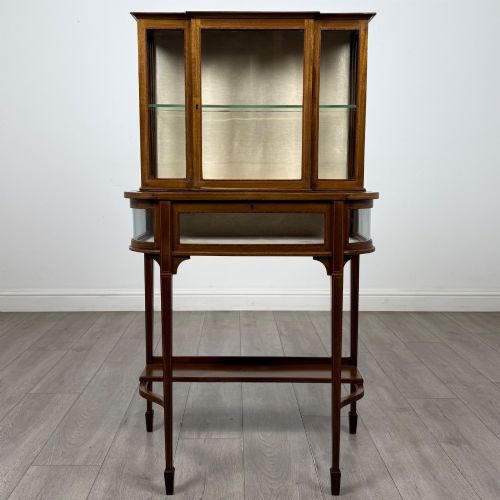
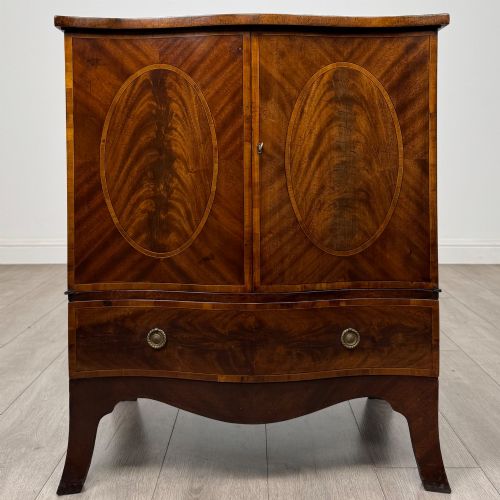
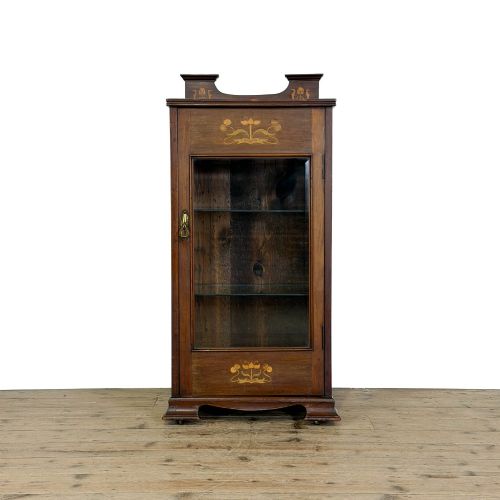
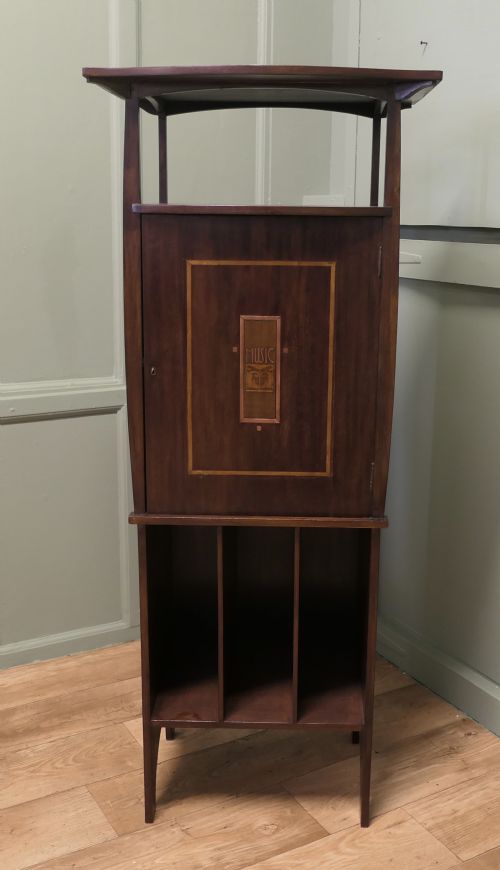
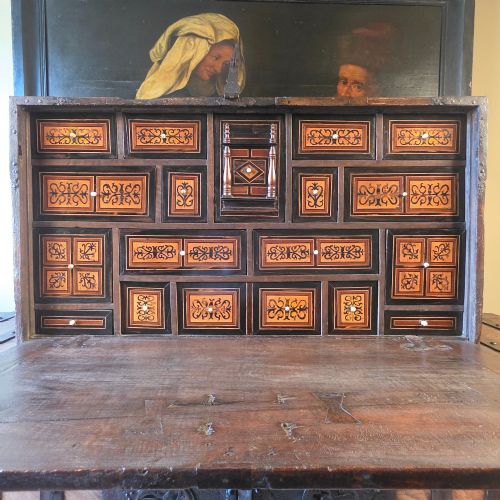
An antique inlaid standing cabinet brings substantial storage and refined surface detail to a room, spanning periods from the seventeenth century through the Edwardian era.
Antique Inlaid Standing Cabinet
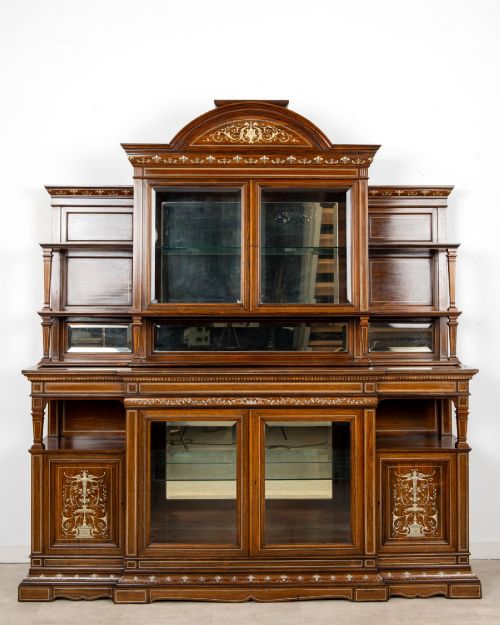
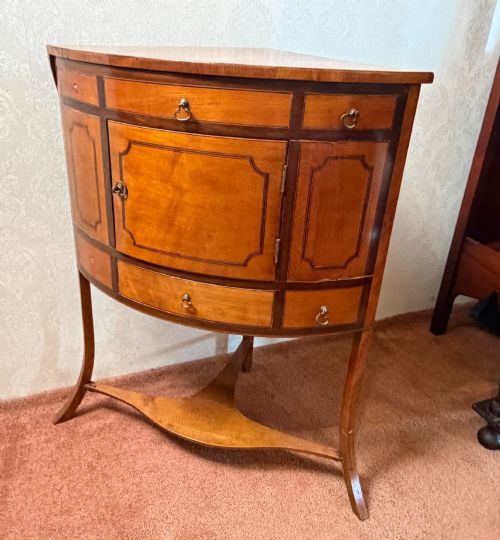
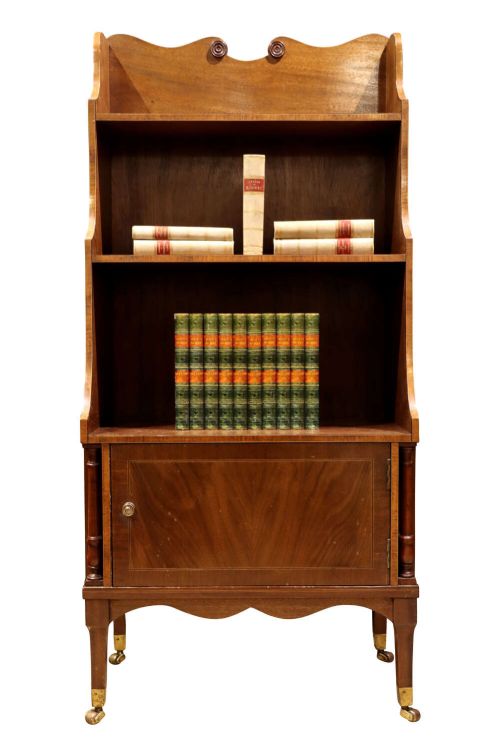
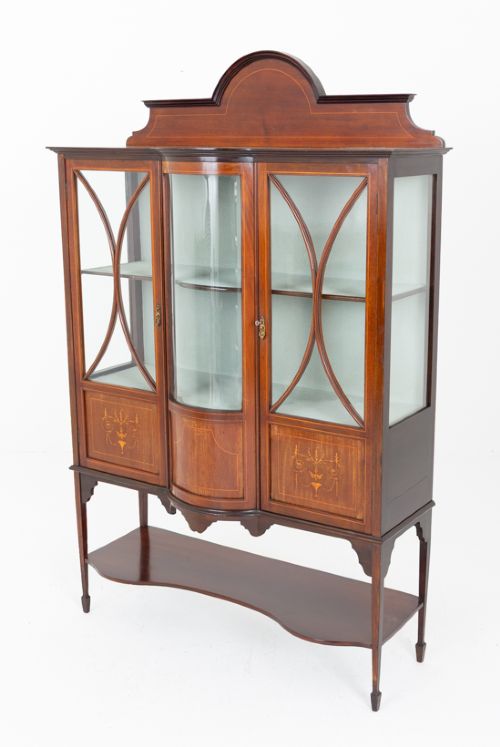
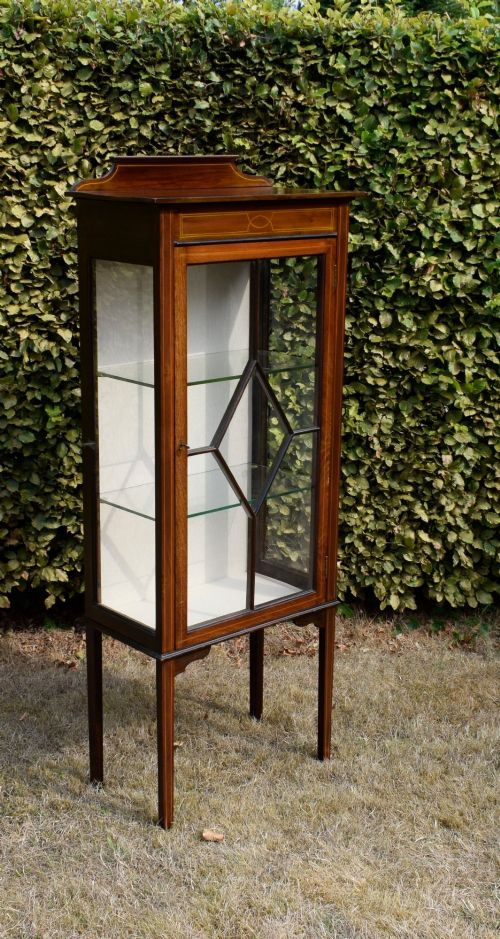
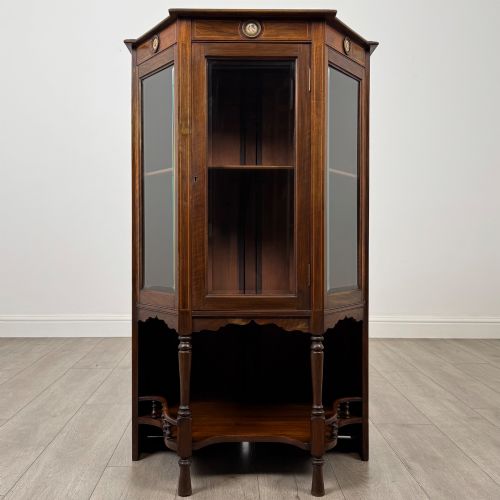
An antique inlaid standing cabinet covers a diverse group of floor-resting storage forms, including display cabinets, bookcases, side cabinets and corner cupboards. These pieces occupy a vertical footprint while offering internal shelving or enclosed space for prized objects.
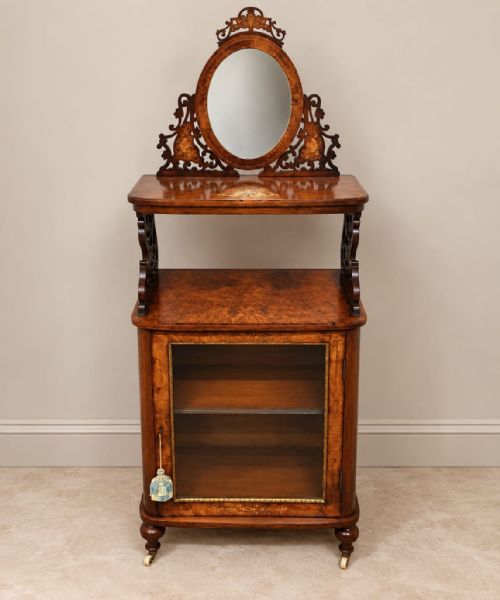
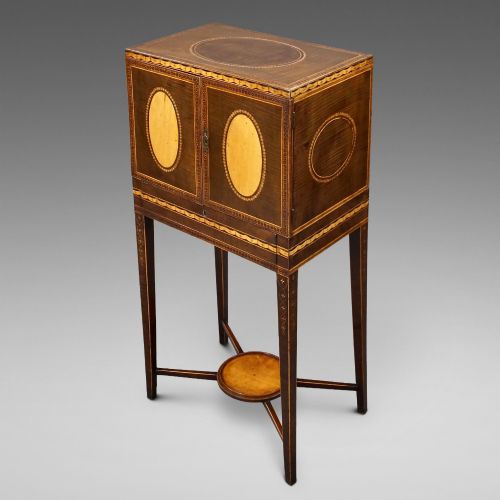
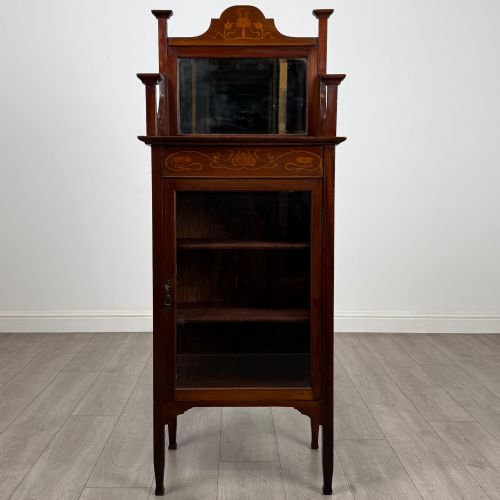
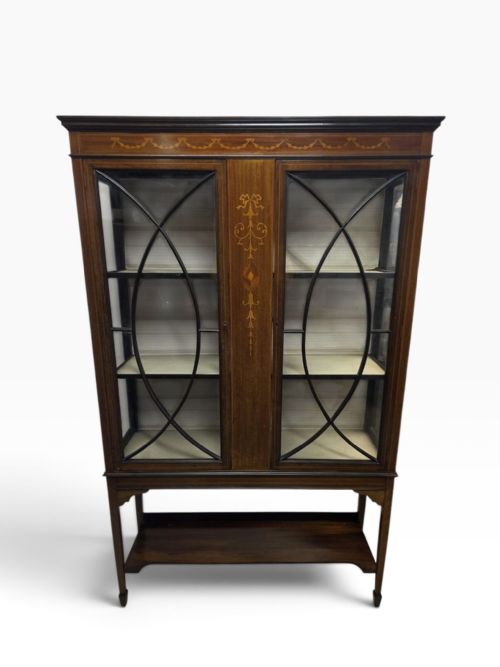
The Edwardian period and the Victorian era provide the majority of examples seen here, often executed in mahogany with satinwood inlay or burr walnut with marquetry. Earlier pieces from the seventeenth and eighteenth centuries surface less frequently but set the standard for craftsmanship.
Buyers encounter variations ranging from glazed display cases intended for porcelain to breakfront cabinets on stands and corner units designed to utilise awkward architectural spaces efficiently.
Factors of Quality
Excellence in these cabinets relies upon the crispness of the inlay work and the choice of figured timber veneers, such as burr walnut or figured mahogany, rather than plain boards. Superior examples exhibit seamless integration between the decorative motifs and the primary wood.
Materials span mahogany, burr walnut, satinwood, and rosewood, incorporating brass hardware and glazed display doors.
GM Elwood for JS Henry·Collinson and Lock·Maple and Co
The Antique Inlaid Standing Cabinet Glossary
- Marquetry
- The art of forming decorative patterns by fitting together small pieces of wood veneer, shell, or ivory onto a structural carcase. It frequently depicts floral or pictorial scenes on cabinet doors.
- Satinwood
- A durable, yellowish-brown timber from tropical trees utilised extensively for contrasting inlay work and banding on darker mahogany furniture. Its lustrous grain catches the light effectively.
- Breakfront
- A cabinet design where the central section projects forward from the flanking wings. This architectural arrangement creates depth and shadow across the front elevation.
- Ormolu
- Gilded bronze used for decorative mounts and furniture embellishments during the Victorian period. It adds metallic richness to the corners and feet of fine cabinets.
- Burr Walnut
- Wood taken from the abnormal growth of a walnut tree, producing swirling, intricate grain patterns. It forms a highly decorative veneer on high-status nineteenth-century pieces.
Antique Inlaid Standing Cabinet: Frequently Asked Questions
What is an antique inlaid standing cabinet used for?
These cabinets serve primarily to display porcelain, books, or decorative objects while providing enclosed storage within the lower cupboards or drawers. Their vertical orientation makes them practical for utilising wall space without dominating a room.
Historically, they housed collections of curiosities or fine dinnerware, keeping dust away from fragile items behind glazed or solid wooden doors.
How do I distinguish Edwardian from Victorian cabinets?
Victorian pieces tend to feature darker woods like burr walnut or rosewood, often accompanied by heavy marquetry and ormolu mounts. They lean toward robust proportions and ornate detailing.
Edwardian examples, built around 1900, frequently utilise lighter mahogany with fine satinwood banding and Sheraton Revival influences, reflecting a lighter aesthetic.
Where should I place a corner cabinet?
Floor-standing corner cupboards fit directly into ninety-degree room angles, transforming neglected wall junctions into focal points. They work effectively in dining rooms or drawing rooms where floor space is limited.
Ensure the adjacent walls accommodate the specific depth and door swing of the chosen piece before placement.
Are these cabinets suitable for modern homes?
Their narrow footprints and vertical storage capacities allow them to integrate easily into contemporary hallways, studies, or living areas. Glass-fronted display versions brighten interiors by reflecting light off internal shelves.
They provide functional storage for modern collections while introducing historic character and warmth to a room.