

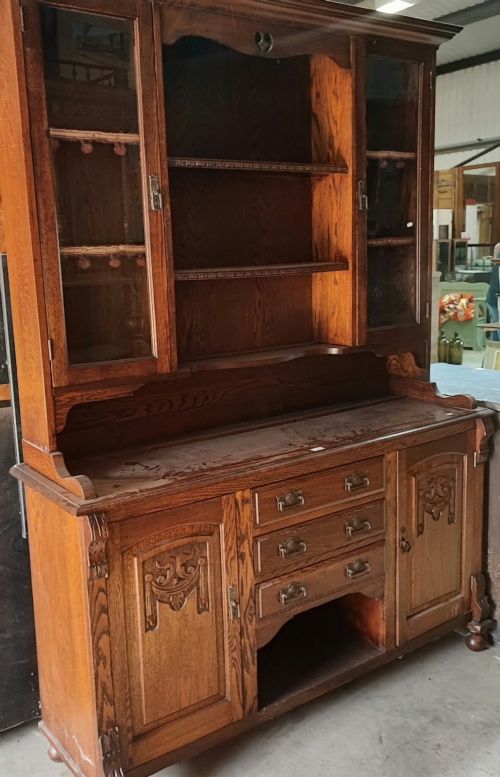
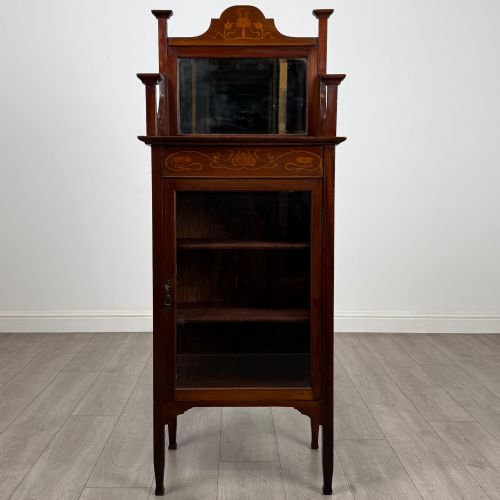
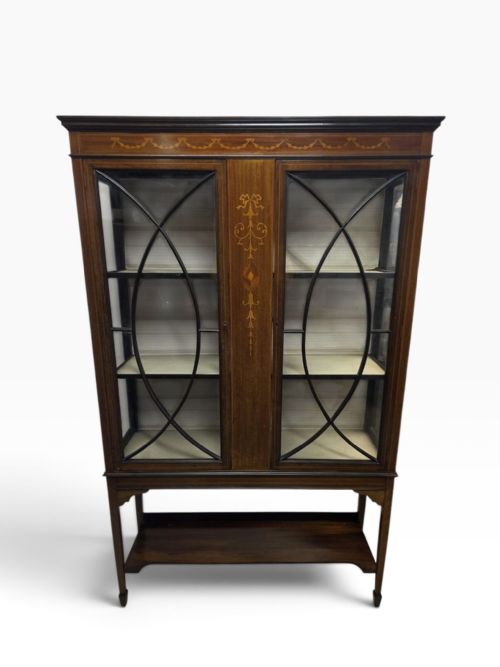
Edwardian China Display Cupboard
An Edwardian china display cupboard brings refined glazed storage to a room, holding porcelain behind fine timber framing.
Edwardian China Display Cupboard
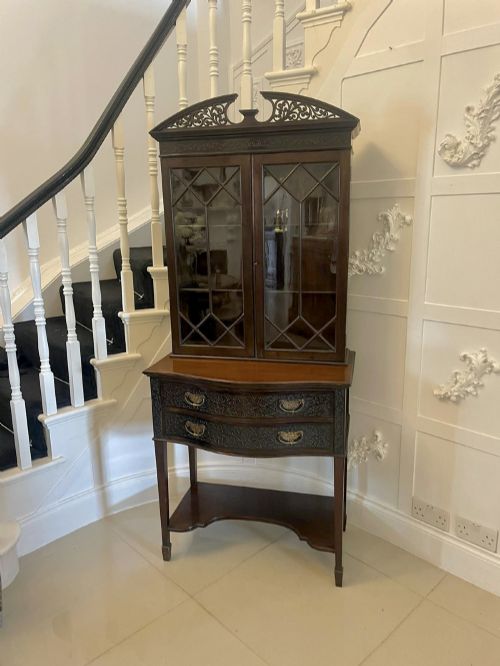
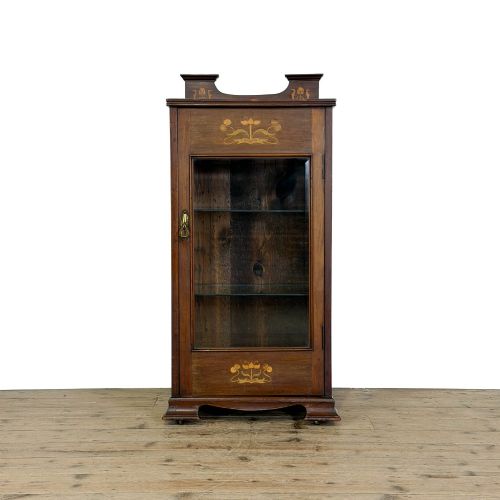
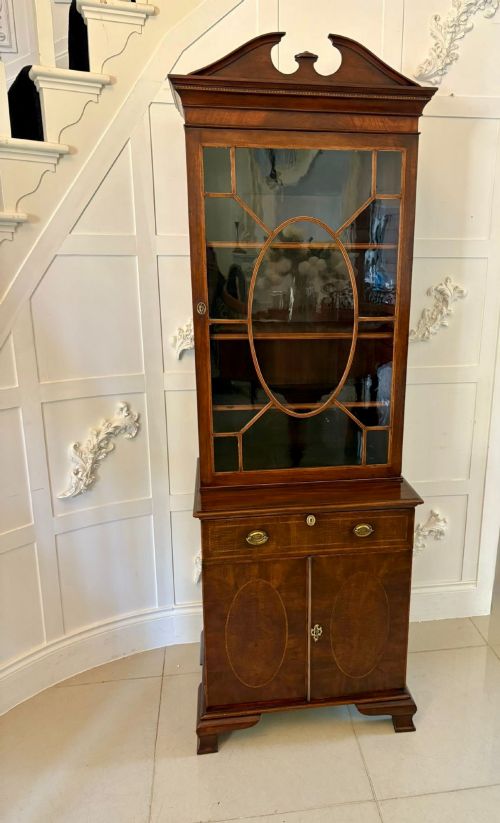
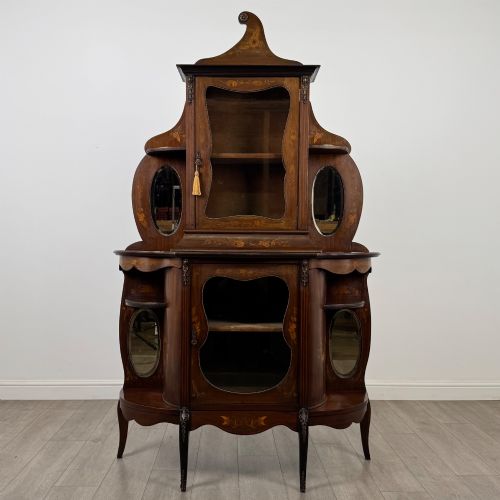
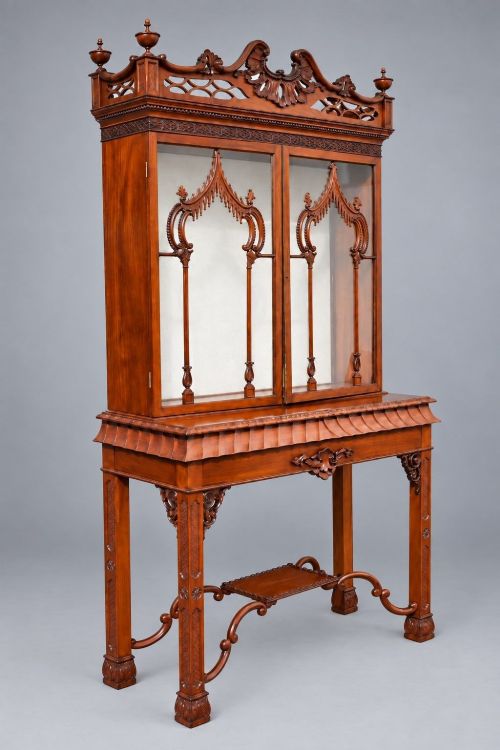
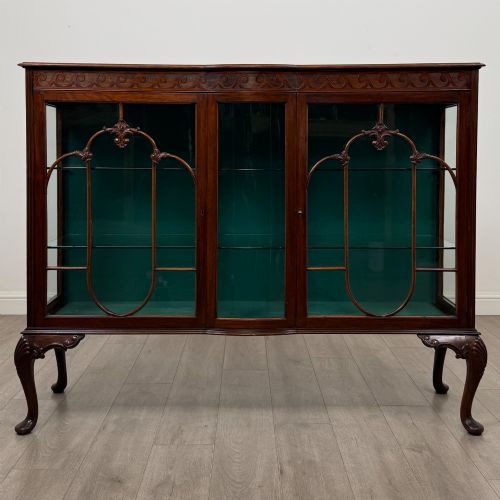
When searching for an edwardian china display cupboard, buyers examine glazed cabinetry designed to showcase porcelain and glassware in domestic interiors. These pieces emerge primarily from the Edwardian period and the late nineteenth century, spanning various revival styles.
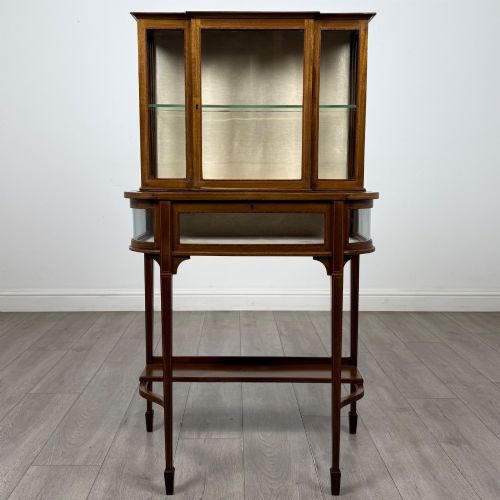
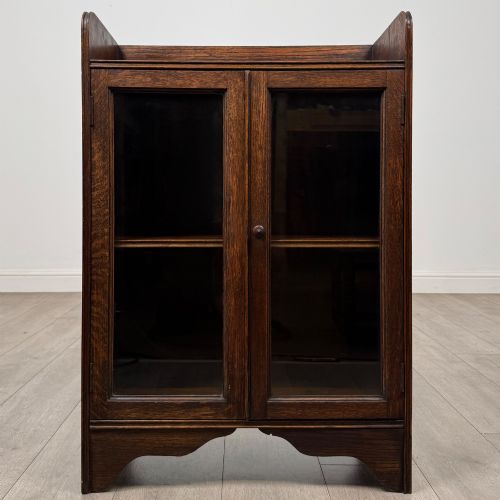
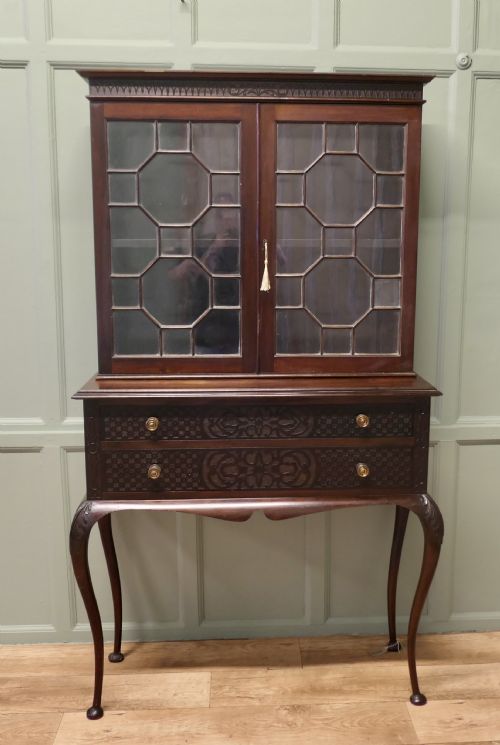
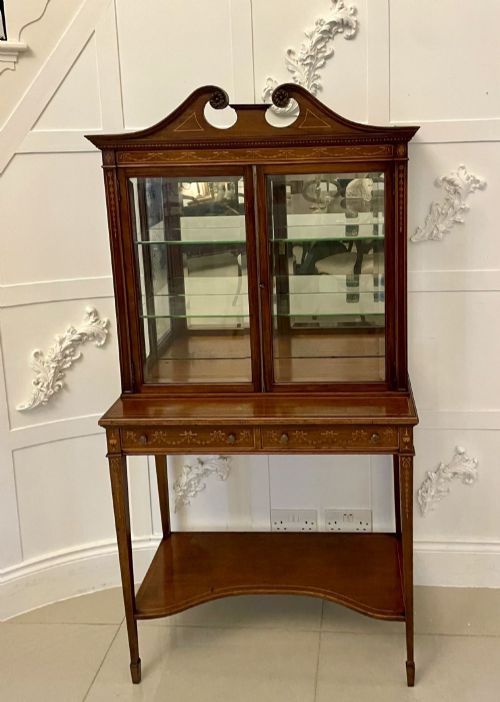
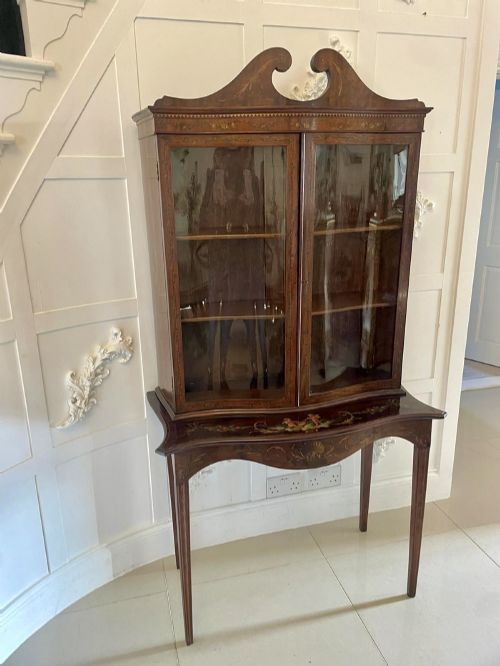
Makers of the period often drew inspiration from Sheraton, Chippendale, and Queen Anne designs, producing bow-fronted or flat-fronted vitrines. These cabinets balance practical storage behind wooden lower doors with prominent display space above.
What varies in quality
Quality rests upon the crispness of the inlay work, the selection of figured timber veneers, and the overall harmony of the revival style proportions. Superior pieces exhibit precise cabinet-making joints and well-chosen mahogany or satinwood grain.
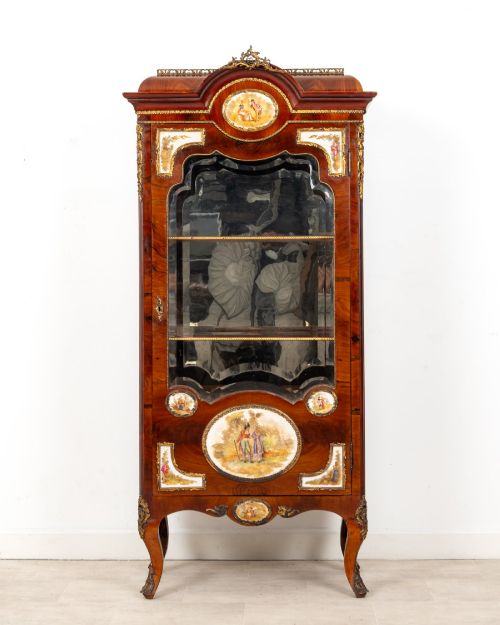
The sophistication of the decorative additions, such as intricate marquetry, original painted decoration, and substantial brass mounts, separates standard production from exceptional examples. The clarity and preservation of the original glass and mirror elements also influence the standing of the piece.
Some cabinets hide mirrors at the back so your best china looks twice as abundant.
Edwards & Roberts·Maple & Co.
The Edwardian China Display Cupboard Glossary
- Marquetry
- Decorative patterns formed by fitting together thin veneers of wood and other materials into a wooden ground. This technique creates complex floral or geometric designs on cabinet doors.
- Astragal
- A moulding profile used in cabinet doors to hold glass panes in place. These narrow wooden strips form grid patterns across the glazed sections.
- Sheraton Revival
- A late nineteenth and early twentieth century design movement replicating the lighter, neoclassical styles of the eighteenth-century designer Thomas Sheraton. Cabinets in this style often feature satinwood and delicate inlay.
- Vitrine
- A glass-fronted cabinet specifically designed for displaying fine objects or porcelain. The term originates from the French word for glass.
- Bow-ended
- A cabinet shape featuring a convex, curved front. This curved form softens the corners of the furniture piece.
Edwardian China Display Cupboard: Frequently Asked Questions
What is an edwardian china display cupboard?
An edwardian china display cupboard is a glazed piece of furniture built to house and exhibit porcelain tableware in the home. These cabinets combine timber framing with glass panels to protect items from dust while keeping them visible.
They appear in various forms including corner units, flat-fronted cabinets, and dressers. Most examples date from the Edwardian era or the late Victorian period.
How do I date an edwardian display cabinet?
Dating involves examining the timber species, construction methods, and stylistic revival cues. Edwardian pieces frequently utilise mahogany or satinwood with refined inlay work.
Hardware such as brass hinges and locks, along with the type of glass used in the doors, also offer chronological clues. Comparing the decorative motifs to known Sheraton or Art Nouveau patterns helps narrow the period.
How do I clean the glass and wood?
Cleaning requires gentle care for both the historic timber surfaces and the delicate glazing bars. Use a soft, dry cloth for dust and avoid harsh chemical sprays on polished wood.
Glass cleaner applied directly to a cloth rather than the glass prevents moisture from seeping into the wooden frames. Regular maintenance preserves the finish of the veneer and inlay.
Were these cabinets used only for china?
While designed primarily for porcelain and glassware, these cabinets served various display purposes in period homes. Owners exhibited books, silver, and decorative ornaments alongside fine china.
The inclusion of lower wooden cupboards provided concealed storage for table linen and other dining accessories.