


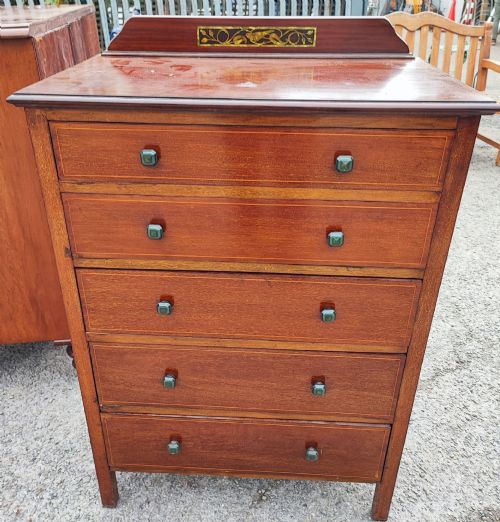

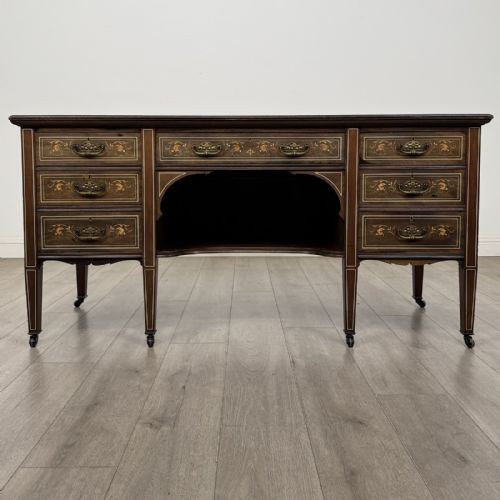
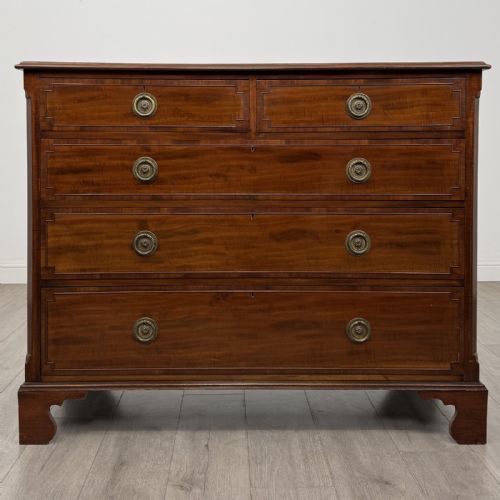
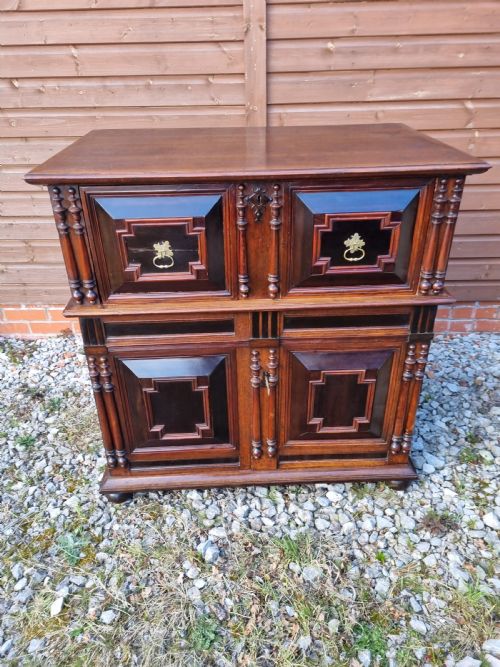
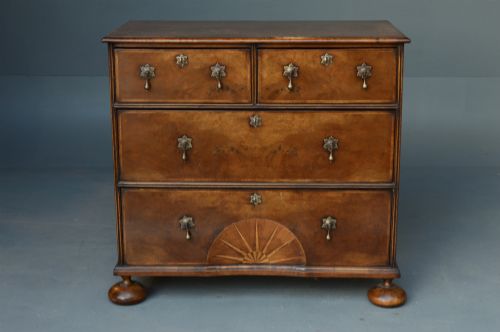
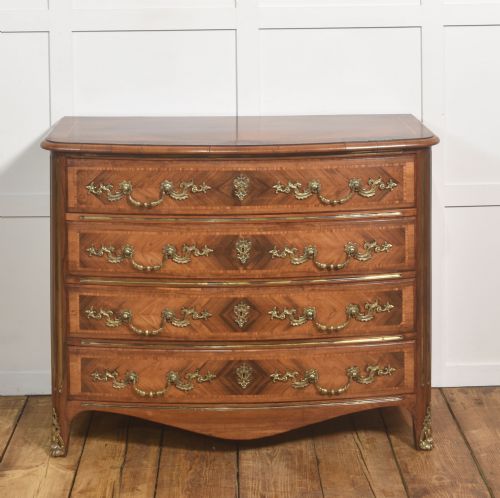
Antique Inlaid Dresser
An antique inlaid dresser brings warmth and storied craftsmanship to a room, offering practical storage through beautifully embellished timber.
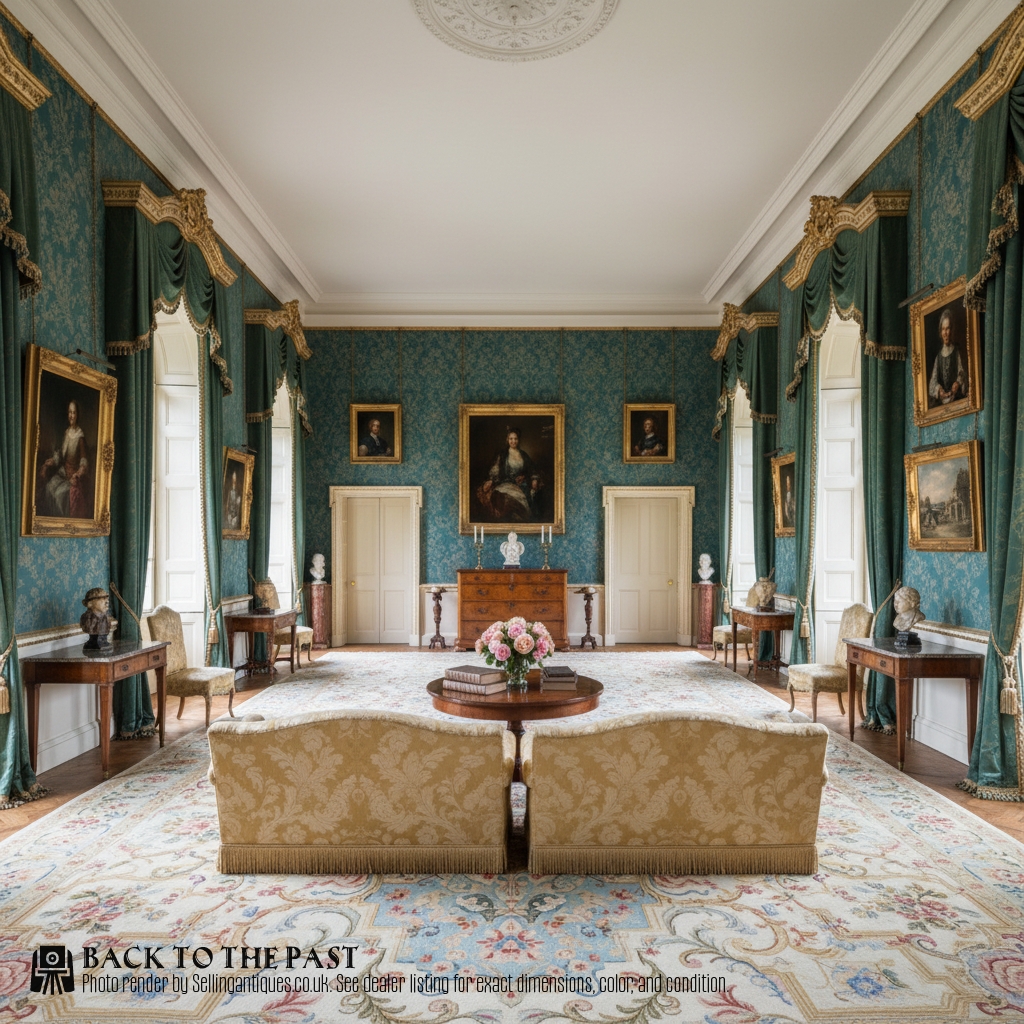
Antique Inlaid Dresser
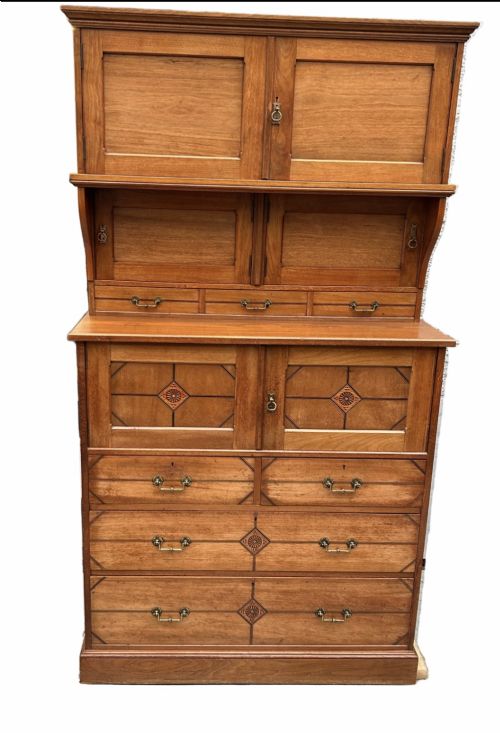
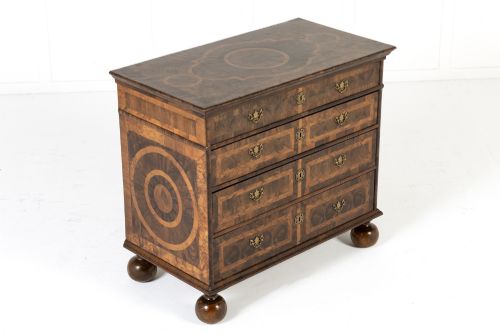
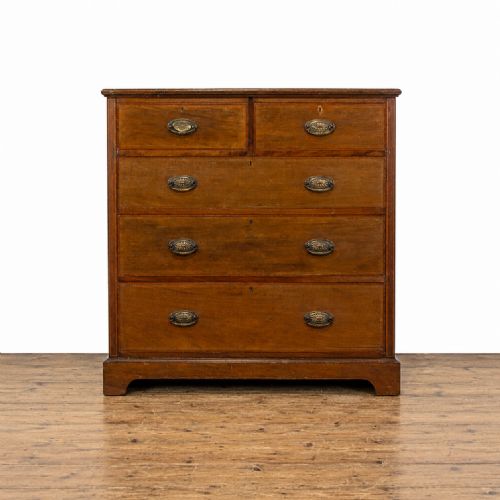
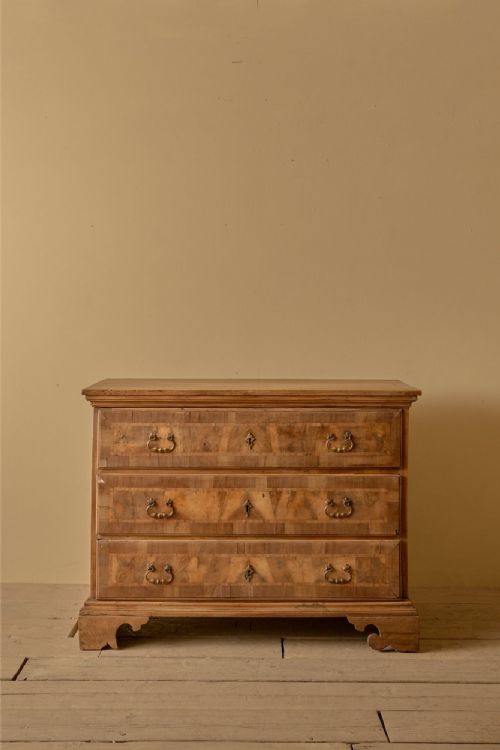
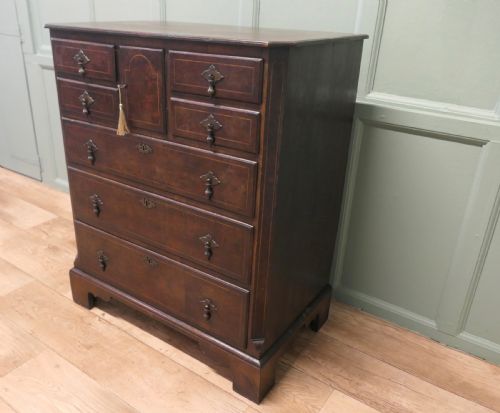
When searching for an antique inlaid dresser, buyers encounter a diverse range of forms including Welsh dressers, dresser bases, and chests of drawers from the seventeenth century onwards. These items served traditional domestic storage needs in kitchens, parlours, and dining rooms across Britain and continental Europe.
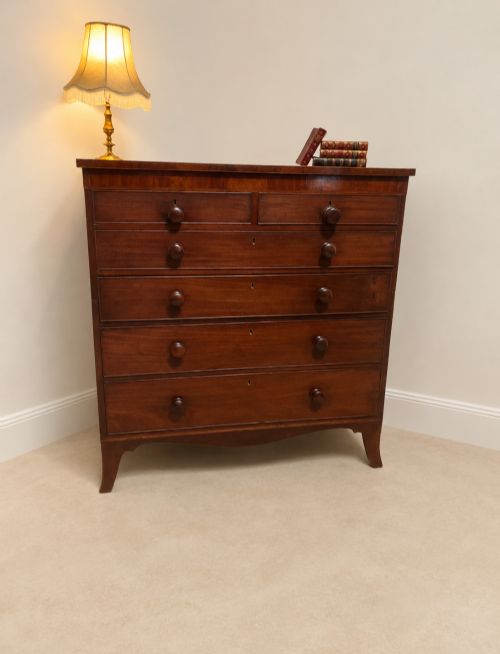
The selection frequently includes robust oak country pieces alongside refined mahogany, walnut, and satinwood specimens from the Georgian, Victorian, and Edwardian eras. Regional variations such as Welsh oak dressers sit alongside sophisticated metropolitan commodes and cabinets.
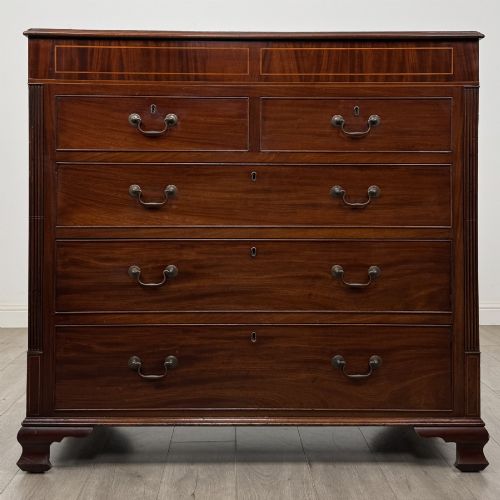
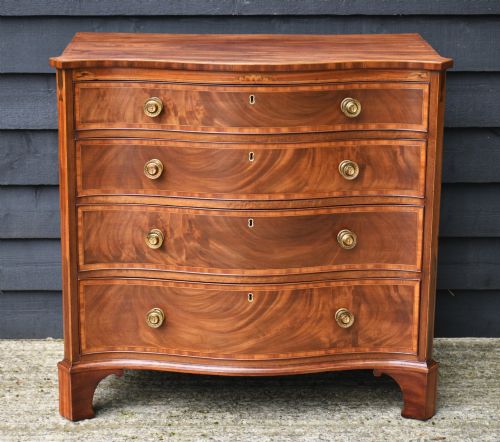
Makers utilised distinct regional styles, incorporating decorative marquetry, parquetry, and contrasting stringing into utilitarian furniture forms. This blend of utility and ornate surface decoration defines the category across multiple centuries.
What varies in quality
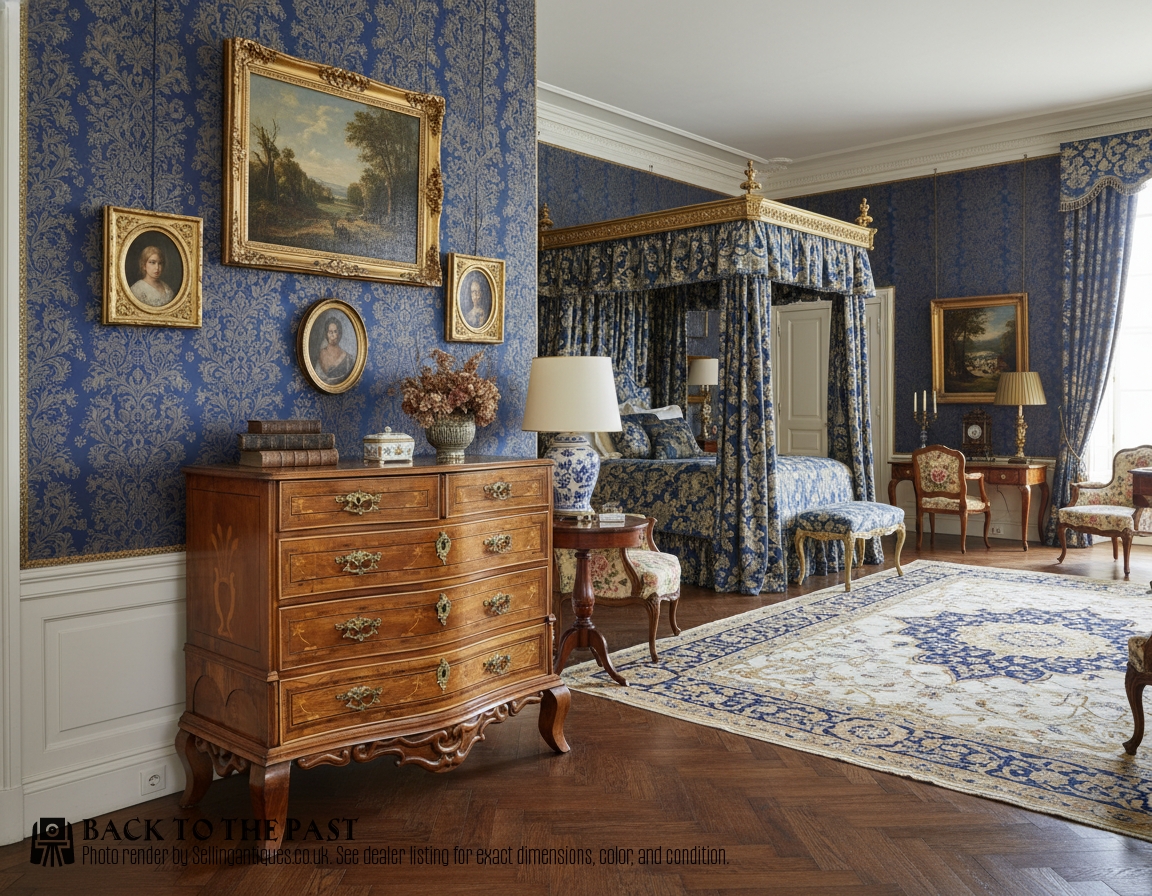
Quality rests in the precision of the cabinetmaker's joinery, the crispness of the inlay work, and the preservation of original surfaces and timbers. Pieces constructed with tightly fitted drawer linings, well-matched veneer grains, and minimal later restoration command higher regard.
The sophistication of the design, from simple linear stringing to complex pictorial marquetry and ormolu mounts, distinguishes standard utility items from high-status workshop commissions. Original brass hardware and untouched patination further elevate the standing of an individual piece.
Antique Inlaid Dresser Retail Price Guide 2026
Typical asking prices for inlaid dresser among the pieces listed under this phrase on Sellingantiques today, from the lower quarter to the upper quarter. They describe what is for sale here now, not the wider market.
The listings span from the seventeenth century through the Edwardian era, featuring oak, mahogany, walnut, and satinwood.
Ollivant & Botsford·Gillows·Druce & Co·August Ungethüm
The Antique Inlaid Dresser Glossary
- Marquetry
- Decorative veneer work forming pictorial or scroll designs using various tinted woods and ivories. It differs from parquetry by employing curved and organic motifs rather than strict geometric tiles.
- Parquetry
- Geometric mosaic woodwork arranged in repeating patterns across flat surfaces like drawer fronts or tabletops. This technique creates structured visual depth through contrasting wood grains.
- Oyster veneering
- Slicing small branches transversely to produce circular or oval ring patterns resembling oysters. Popular in the seventeenth century, this method generates an intricate, undulating surface texture.
- Stringing
- Thin inlay lines of contrasting wood set into grooves along edges and drawer borders. It frames the primary timber and accentuates the structural lines of the furniture.
- Commode
- A low French or continental cabinet containing drawers or doors, often featuring marble tops and elaborate marquetry. The form developed significantly during the seventeenth and eighteenth centuries.
Antique Inlaid Dresser: Frequently Asked Questions
What is a Welsh dresser?
A Welsh dresser typically combines a lower section of drawers or cupboards with an upper plate rack for displaying ceramics. These regional pieces formed the heart of country kitchens.
Over time, they evolved from utilitarian storage into prized display furniture featuring inlaid woodwork and panelled construction.
How do I date an inlaid dresser?
Dating relies on examining secondary woods, construction methods, and the style of the inlay. Earlier seventeenth-century pieces use heavy oak and geometric mouldings, while eighteenth-century examples often showcase refined mahogany and delicate boxwood stringing.
Hardware styles, handle fixings, and drawer dovetail cuts provide further clues to the period of manufacture.
Where should I place a dresser?
These pieces suit dining rooms, hallways, and living spaces where their surface and storage capacity can be utilised daily. Positioning them away from direct sunlight and heat sources preserves the delicate veneers and natural timber oils.
Allowing adequate clearance ensures doors and drawers function smoothly without obstruction from surrounding furniture.
How do I care for antique inlay?
Maintenance involves applying quality beeswax sparingly and buffing gently with a soft cloth to protect the wood and inlay. Avoid liquid cleaners and modern silicone polishes, which can penetrate porous veneers and lift glued elements.
Maintaining stable room humidity prevents the timber from shrinking or expanding, which safeguards the embedded brass and contrasting woods.