

Antique Inlaid Commode
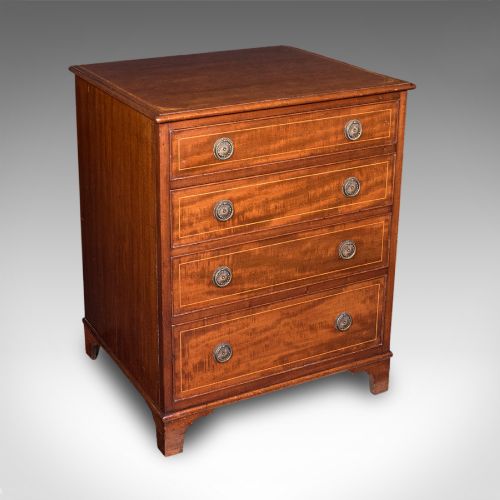
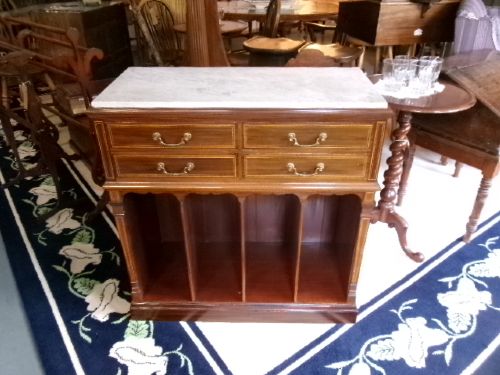
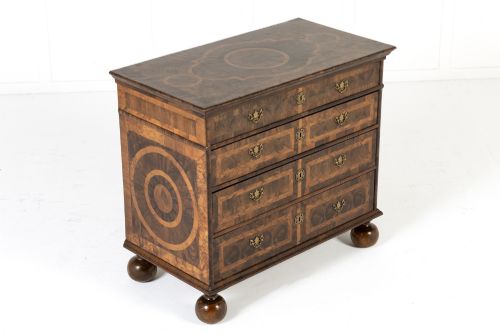
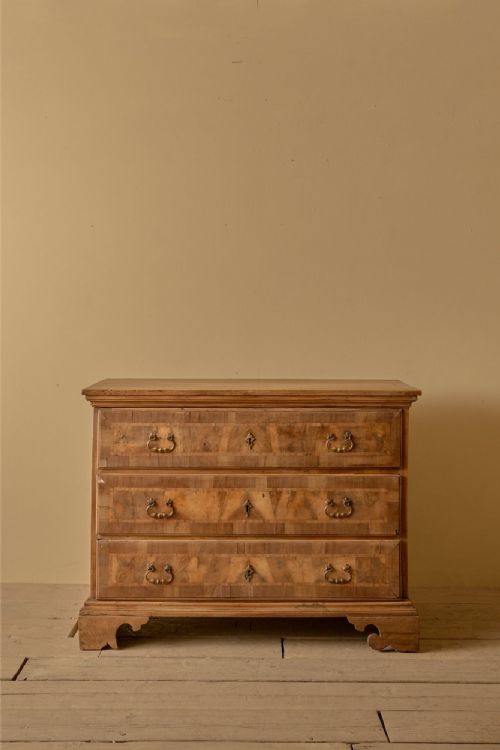
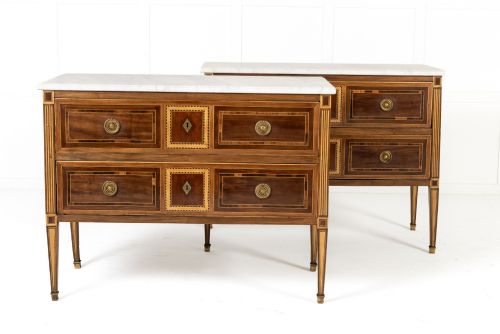
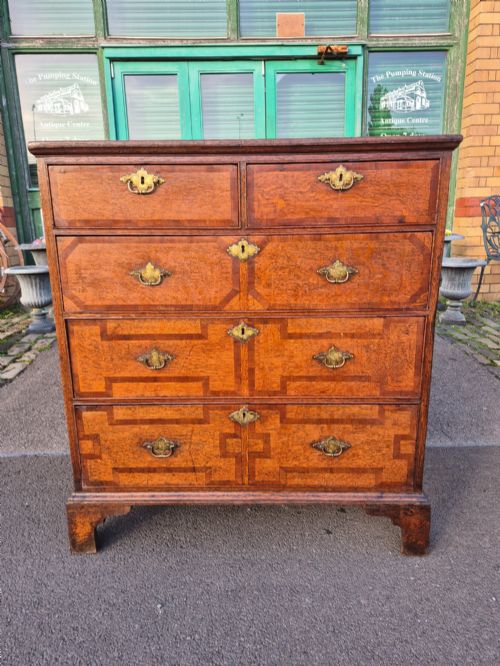
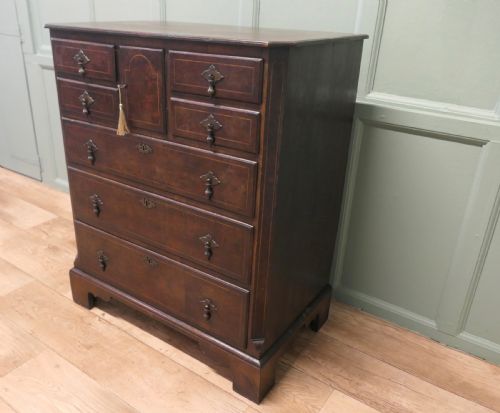
An antique inlaid commode brings continental elegance and rich timber tones into a room, offering practical drawer space alongside intricate floral or geometric marquetry.
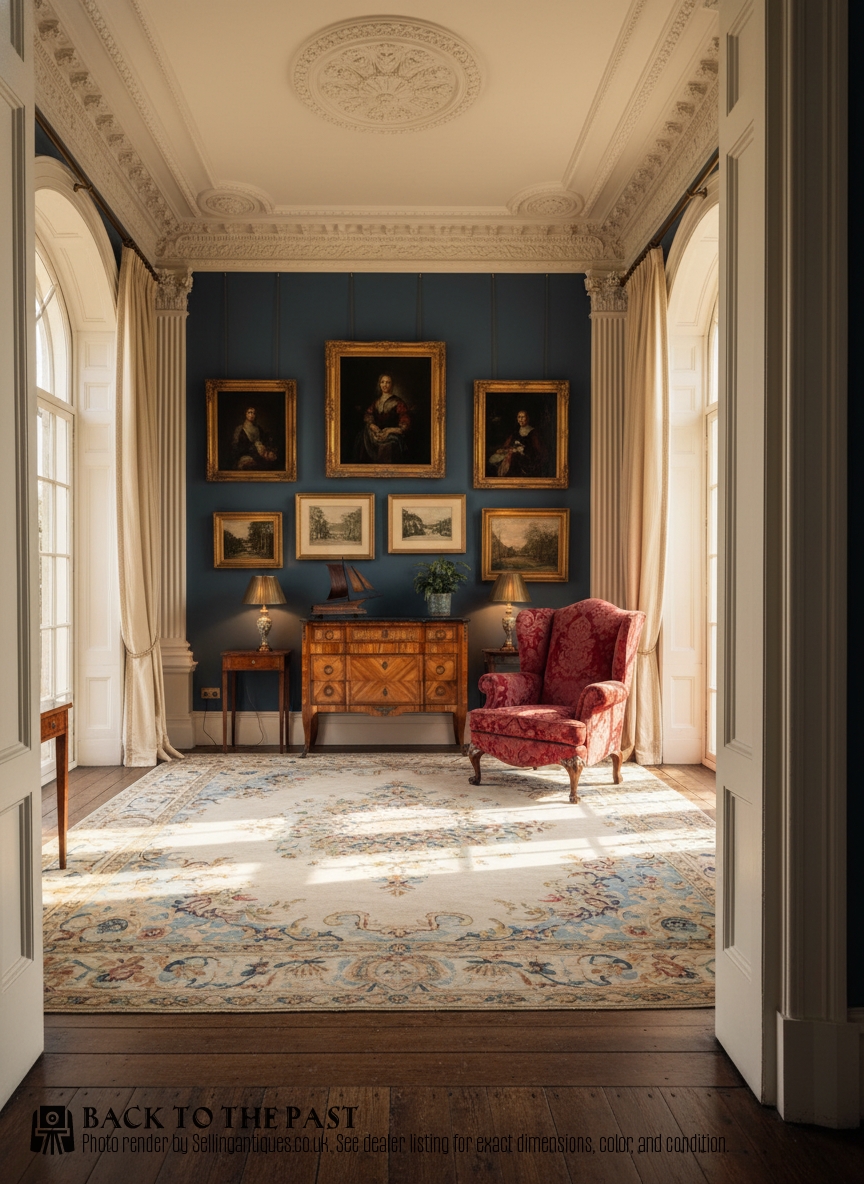
Antique Inlaid Commode
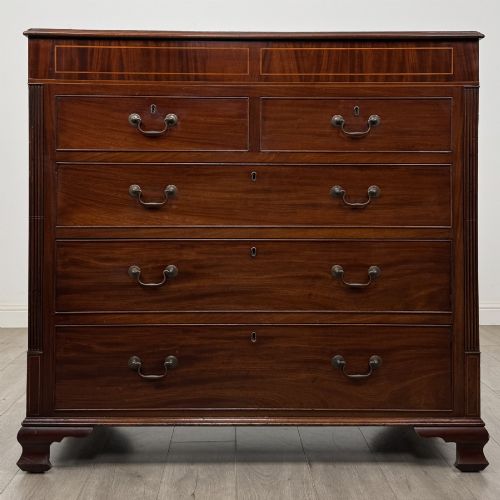
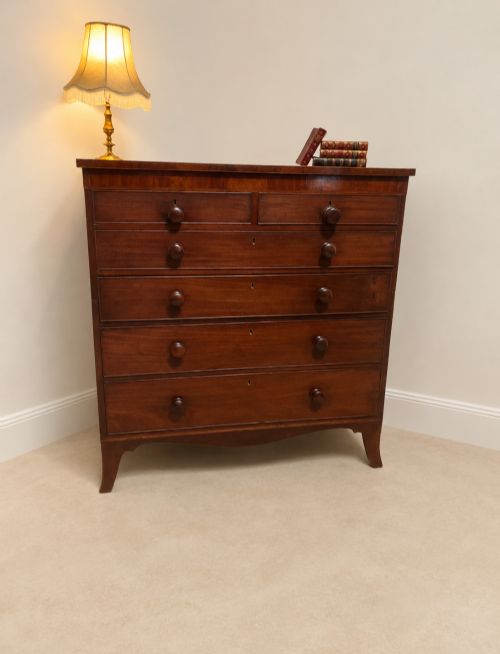
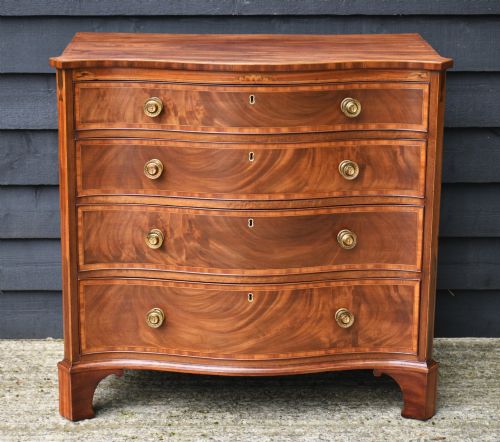
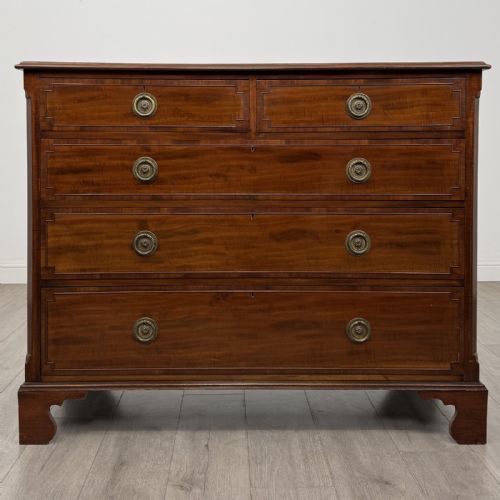
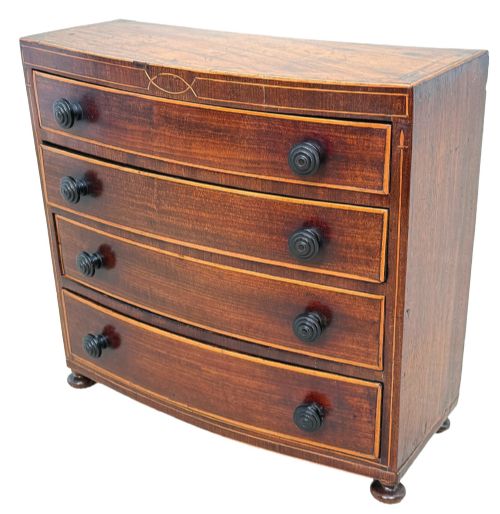
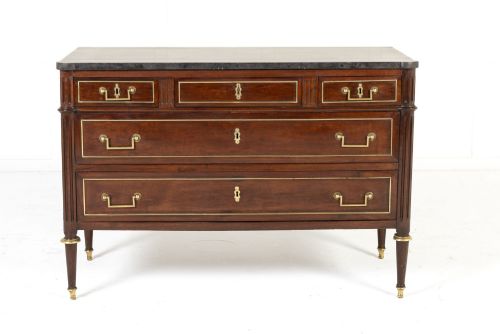
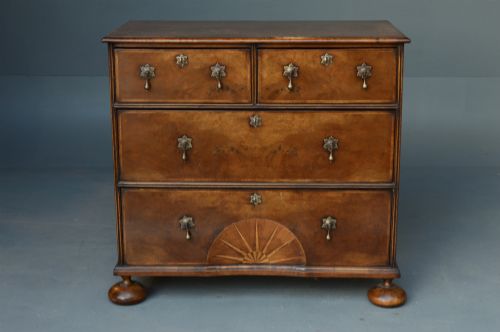
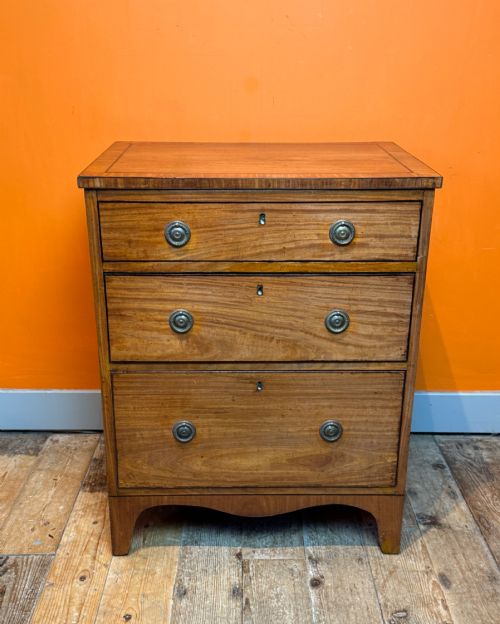
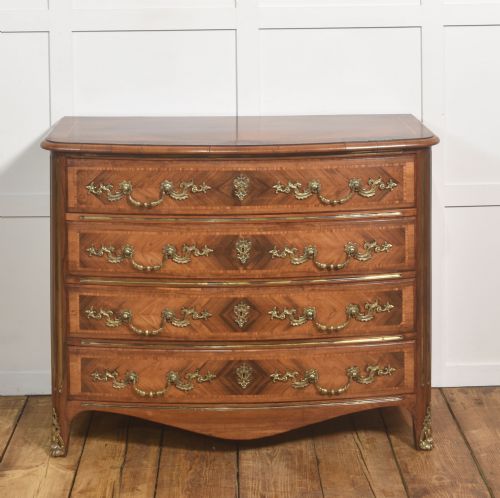
The antique inlaid commode category spans formal 18th century continental pieces through to 19th century revival styles and 20th century interpretations. Buyers encounter serpentine fronts, bombé profiles, and straight-fronted chests designed as low storage units or bedside cabinets.
Origin points range widely across the evidence, taking in French Louis XV and Louis XVI designs, Dutch floral marquetry, German walnut work, and English Georgian interpretations. French marble-topped kingwood and walnut examples recur frequently alongside mahogany pieces bearing Sheraton or Hepplewhite influences.
Materials and construction methods
Carinthian and European walnut, Honduran mahogany, and French kingwood form the primary carcass and veneer timbers across these pieces. Cabinetmakers laid these timbers over oak or pine carcases using sophisticated cutting techniques for oyster veneers and geometric parquetry.
Decorative surfaces rely on contrasting woods such as boxwood, ivory, and satinwood for floral marquetry and arabesque details. Heavy cast or chased orrmolu mounts, brass handles, and thick polished marble slabs complete the construction of continental and revival examples.
Antique Inlaid Commode Retail Price Guide 2026
Typical asking prices for inlaid commode among the pieces listed under this phrase on Sellingantiques today, from the lower quarter to the upper quarter. They describe what is for sale here now, not the wider market.
Several commodes hide secret drawers tucked away behind elaborately inlaid friezes, designed to keep family valuables safe from wandering eyes.
Assessing quality and execution
The precision of the marquetry cutting and the depth of timber figure distinguish finer examples from standard production. Cabinetmakers who selected choice cuts of burr walnut or figured mahogany and aligned grain patterns across drawer fronts achieved a superior visual harmony.
The integration of heavy marble tops, crisp ormolu mounts, and secondary drawer framing indicates the original workshop investment. Smoother drawer runners, hand-cut dovetailing, and well-preserved original veneers mark the upper tier of surviving pieces.
Grand Ducal Workshops·Druce And Co·Sormani
The Antique Inlaid Commode Glossary
- Marquetry
- Decorative veneer work arranged in pictorial or floral patterns using contrasting timbers, shell, or ivory. This technique allows craftsmen to create intricate surface designs across drawer fronts and cabinet tops.
- Parquetry
- Geometric wood inlay arranged in repeating patterns such as cubes or checkers. It provides a structured, architectural contrast to flowing floral marquetry.
- Bombé
- An outward-swelling or bulging furniture shape characteristic of continental 18th century and later revival commodes. This curved profile requires specialised woodworking skill to veneer accurately.
- Serpentine
- A front shape curving inward centrally and outward at the ends, creating a gentle wave line. It demands precise carpentry to ensure drawers fit the undulating aperture.
- Ormolu
- Gilded bronze used for decorative mounts, handles, and sabots on fine furniture. The technique involves applying a gold amalgam to bronze.
Antique Inlaid Commode: Frequently Asked Questions
What is an antique inlaid commode?
An antique inlaid commode is a decorative low chest of drawers or cabinet featuring contrasting wood veneers, marquetry, or parquetry. These pieces originated primarily in continental Europe and Britain as functional storage for bedrooms and reception rooms.
Over the centuries, cabinetmakers refined their shapes into serpentine and bombé profiles, often topping them with marble slabs. They serve today as statement furniture providing surface display and practical drawer capacity.
How do I identify French Louis XV style commodes?
French Louis XV style commodes are distinguished by their flowing asymmetrical lines, curved cabriole legs, and prominent bombé or serpentine fronts. Craftsmen decorated them with elaborate floral marquetry in kingwood and walnut, complemented by cast ormolu mounts.
These pieces often feature shaped marble tops that follow the contour of the cabinet body. Revival versions from the 19th and early 20th centuries share these characteristic decorative traits.
Where were serpentine commodes used?
Serpentine commodes served principally as high-status bedroom or drawing room furniture for storing garments, linens, and personal valuables. Their decorative marble tops provided a clean surface for displaying mirrors, candelabra, and toilet services.
In modern interiors, buyers place them in hallways, living rooms, and bedrooms where their shaped fronts add architectural interest and useful surface area.
How do I care for a marquetry commode?
Caring for a marquetry commode involves maintaining stable indoor humidity levels to prevent timber shrinkage and veneer lifting. Direct sunlight and proximity to heat sources should be avoided to protect the polish and natural wood colours.
Dusting with a dry, soft cloth is generally sufficient for routine maintenance. Professional conservation wax can be applied sparingly to nourish the timber surface without building up excessive residue.