
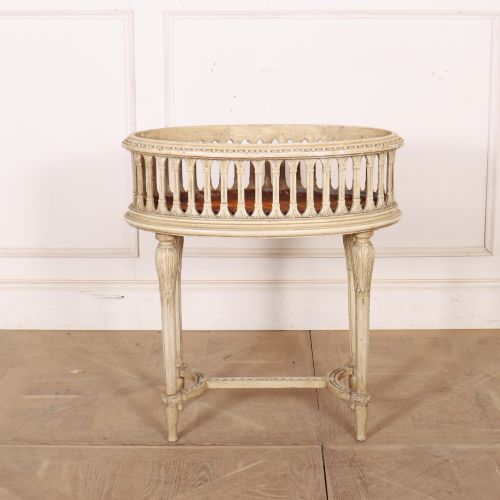


Antique Indoor Plant Table
An antique indoor plant table brings domestic greenery indoors on a fitted stand, combining botanical display with fine cabinetmaking.
Antique Indoor Plant Table
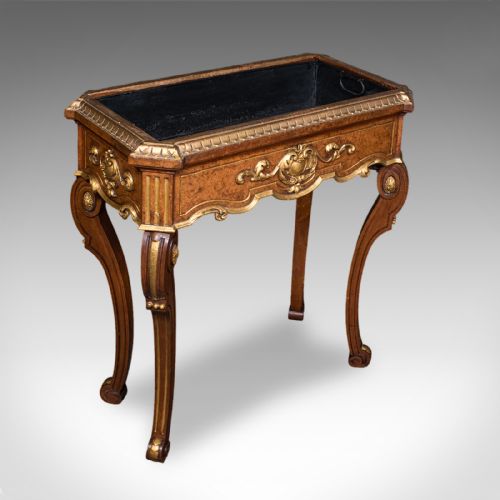
When searching for an antique indoor plant table, buyers encounter a specialised form of nineteenth and early twentieth-century furniture designed to display live flora within reception rooms. These pieces appear under various designations including jardiniere tables, planter stands, and flower pot holders from periods spanning the Regency, Victorian, and Edwardian eras.
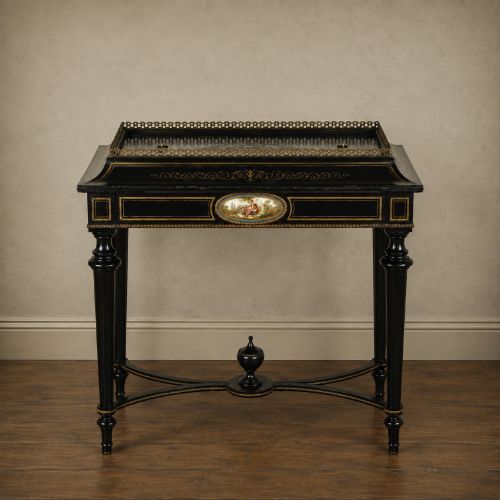
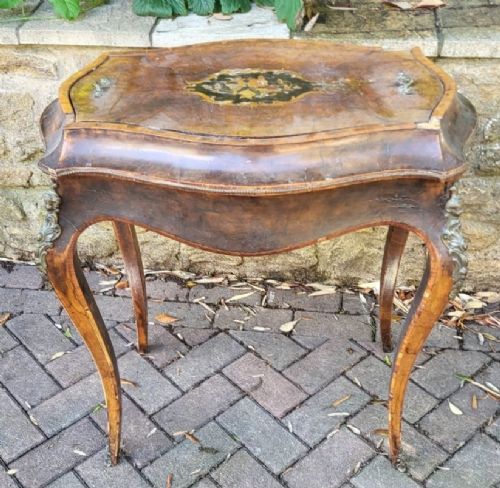
Stylistic influences range from restrained Regency and Edwardian designs to ornate French Rococo Revival and Napoleon III pieces. These variations demonstrate how different makers adapted plant displays to suit formal drawing rooms and conservatories alike.
Materials and Construction
Cabinetmakers utilised rich timber veneers such as burr walnut, kingwood, satinwood, and mahogany over solid carcases, frequently embellishing the surfaces with intricate marquetry and floral inlay. Structural elements often incorporate ebonised finishes to contrast with lighter wood panels.
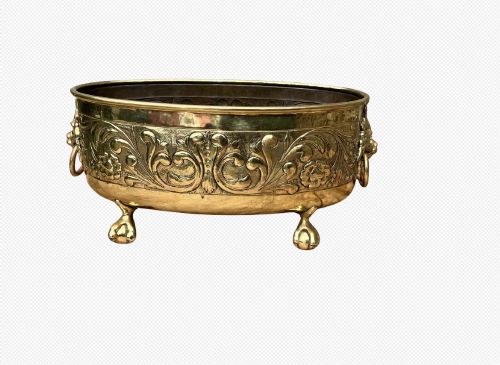
Metal mounts in brass, ormolu, and gilt bronze frame the porcelain plaques and highlight the contours of French-inspired designs. Zinc and metal liners provide practical waterproofing inside the wooden planter bodies, ensuring durability for daily botanical use.
Several pieces include removable metal liners designed to save drawing room carpets from nineteenth-century watering mishaps.
Judging Quality and Craftsmanship
Quality in an antique indoor plant table rests upon the precision of the cabinetwork and the richness of the timber veneers. Finer examples display carefully matched burr walnut or detailed marquetry patterns that continue across the entire structure, including concealed surfaces.
The sophistication of the metal mounts and the inclusion of painted porcelain plaques distinguish higher-tier pieces from utilitarian stands. Cast brass handles, chased ormolu details, and intact original metal liners elevate a piece beyond standard production.
The Antique Indoor Plant Table Glossary
- Jardiniere
- An ornamental pot or stand designed to hold flowers and plants. These vessels sit upon dedicated tables or floor-standing bases.
- Ormolu
- Gilded bronze mounts applied to furniture for decoration. This technique gained prominence in French nineteenth-century cabinetmaking.
- Marquetry
- Decorative patterns formed by fitting together contrasting veneer strips. Craftsmen use this method to create floral and geometric motifs on table tops.
- Burr Walnut
- Timber taken from a walnut tree growth, yielding swirling grain patterns. Cabinetmakers prize this wood for its decorative surface figure.
Antique Indoor Plant Table: Frequently Asked Questions
What is an antique indoor plant table?
An antique indoor plant table is a decorative piece of furniture built to hold potted plants inside a home. These tables combine cabinetry with waterproof linings to display greenery safely in principal rooms.
They emerged strongly during the nineteenth century when indoor botany became popular among affluent households. The designs allowed owners to bring garden foliage directly into parlours and drawing rooms.
How do I use a jardiniere table today?
These tables function well as decorative display surfaces for potted houseplants or cut floral arrangements. Their raised height lifts greenery off the floor to catch natural light.
Modern owners often place potted ferns or trailing plants inside the original liners or contemporary pot inserts. Care must be taken to protect antique wood finishes from direct water contact.
What woods were used for plant tables?
Cabinetmakers employed a variety of decorative hardwoods including walnut, mahogany, kingwood, and satinwood. Burr walnut and marquetry veneers feature prominently on finer Victorian examples.
Ebonised wood and fruitwoods also appear, particularly on French Napoleon III pieces. These timbers provided sturdy foundations that could support the weight of wet soil and heavy ceramic pots.
How can I tell the period of a planter?
Dating relies upon stylistic markers, construction methods, and prevailing design revivals. Regency pieces display classical restraint, whereas Victorian and Napoleon III items favour elaborate ormolu mounts and porcelain plaques.
Edwardian stands tend towards lighter satinwood and mahogany structures with simpler inlaid borders. Examining the interior linings and timber fixings helps confirm the manufacturing era.