


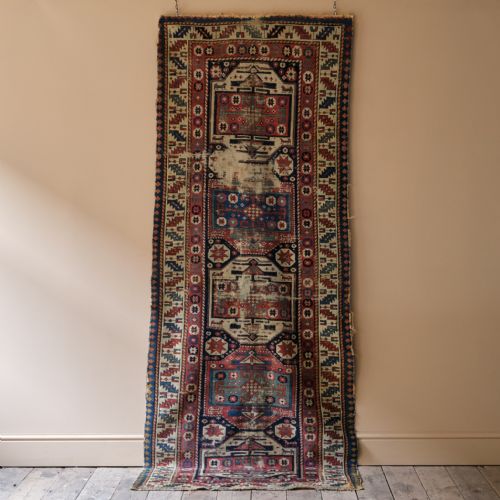


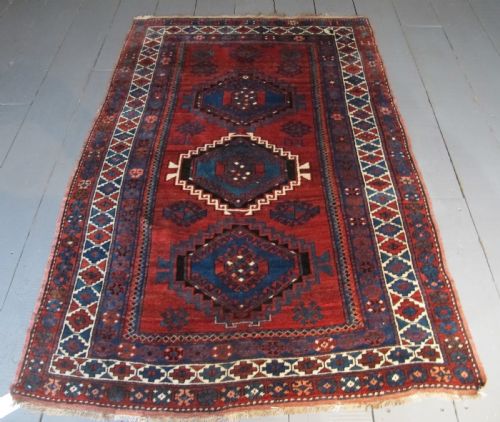
Antique Indigo Runner Rug
An antique indigo runner rug brings deep blue depth and centuries of tribal weaving traditions straight to narrow hallways and elongated spaces.
Antique Indigo Runner Rug
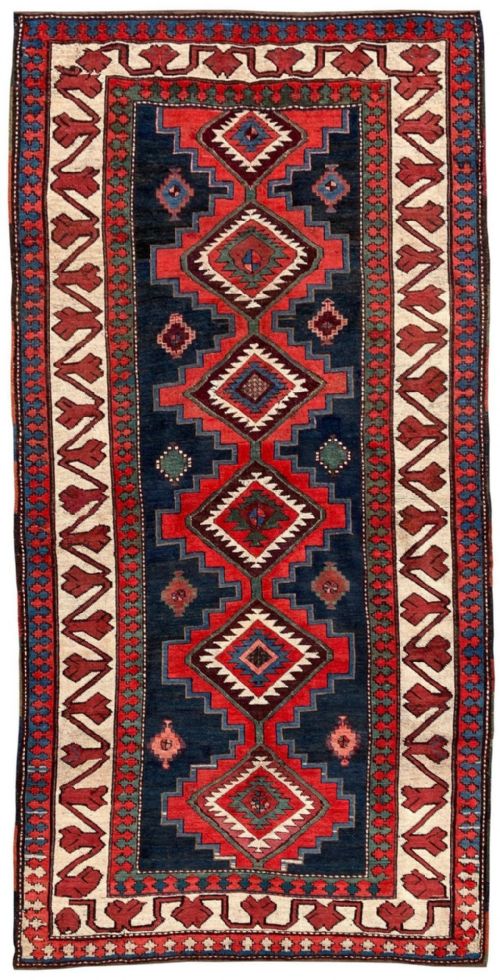
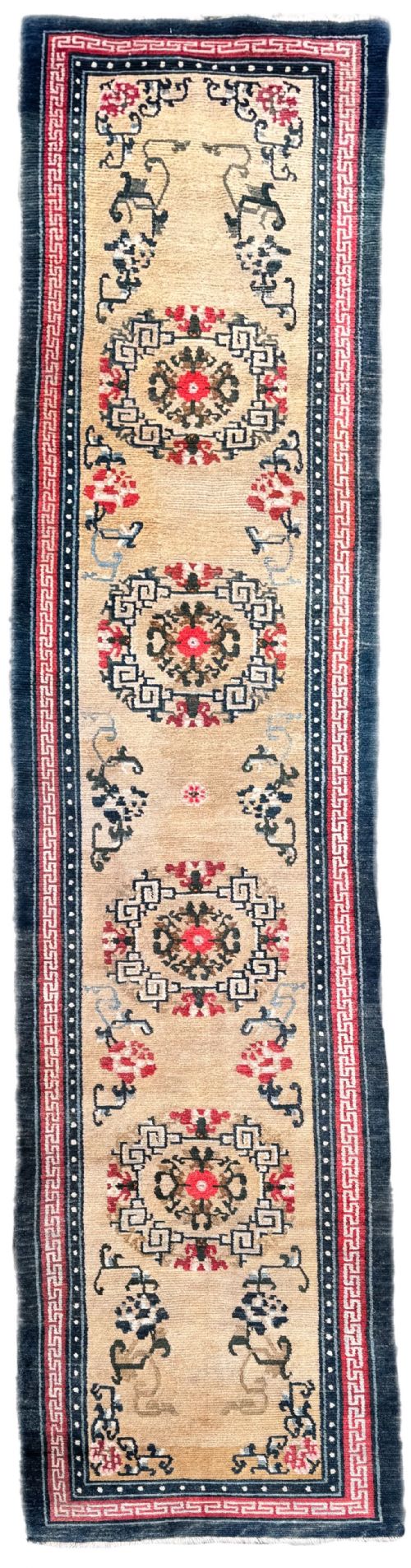
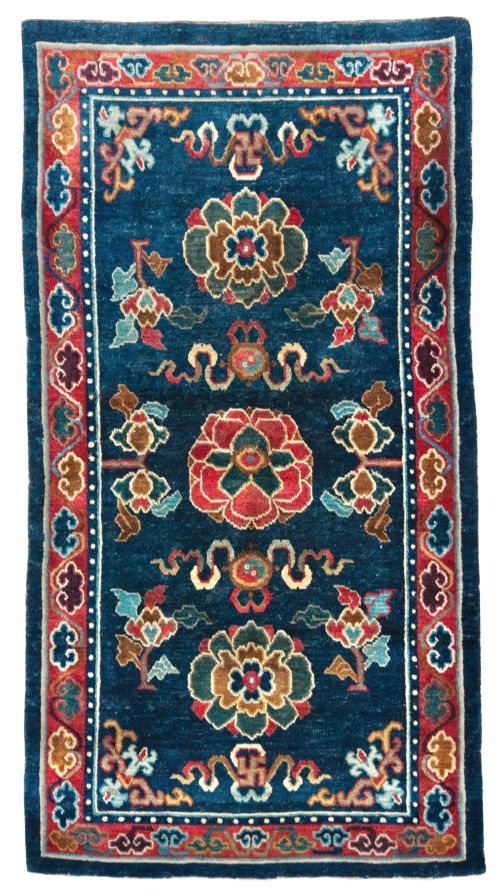
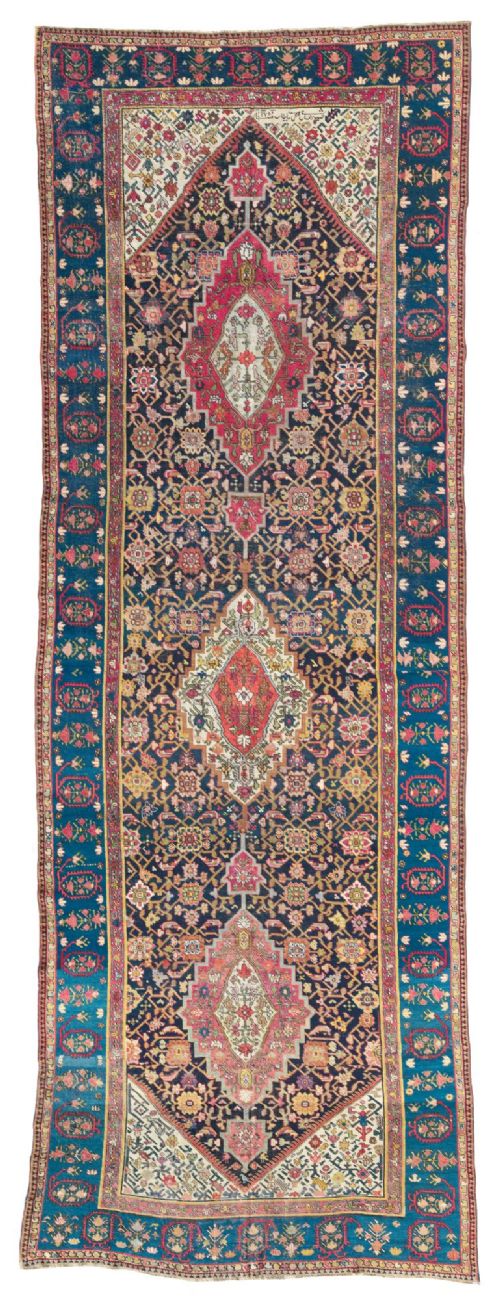
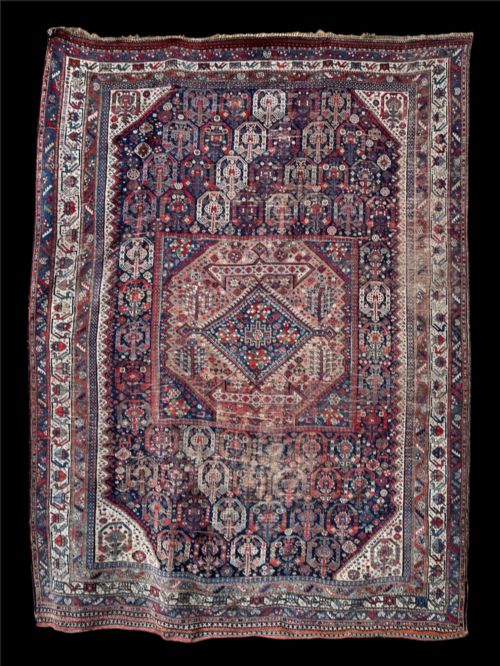
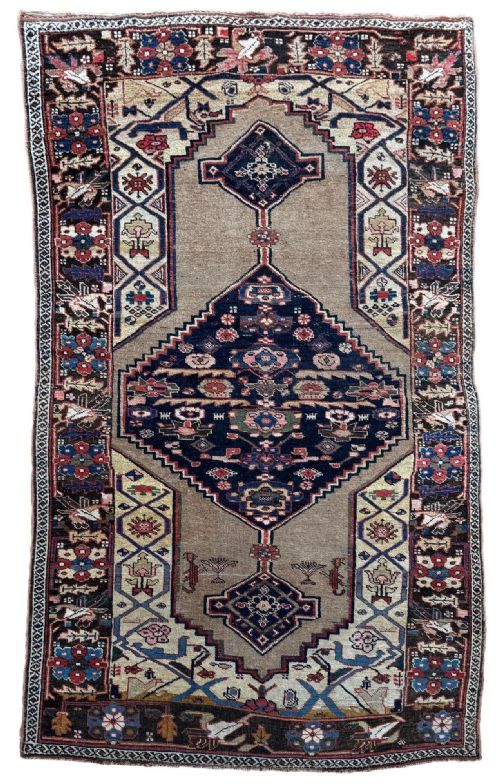
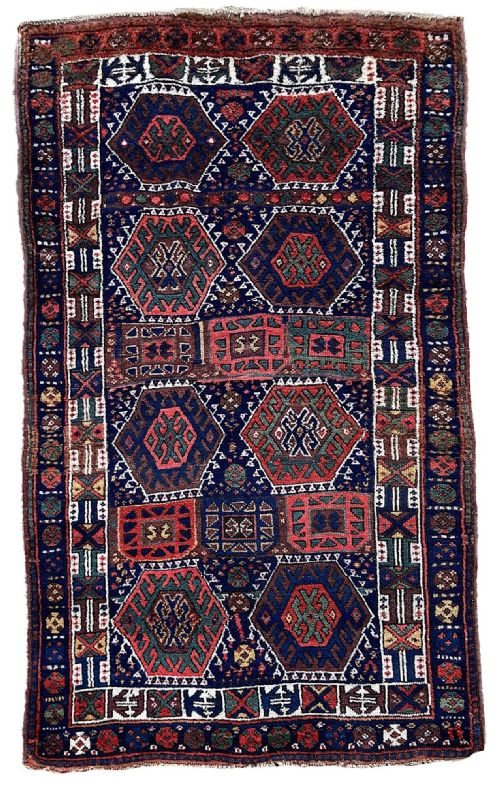
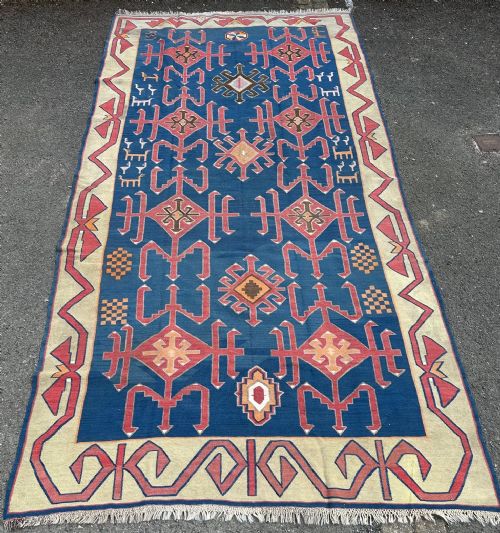
An antique indigo runner rug represents elongated floor coverings produced by tribal and village weavers across Persia, the Caucasus, and Central Asia during the nineteenth and early twentieth centuries. These narrow formats served functional purposes in corridors, tents, and large rooms, utilising deep blue dye grounds derived from natural sources.
The selections on this page span diverse regional traditions including Caucasian, Baluch, Kurdish, and Tibetan workshops. Makers employed hand-spun wool and natural dyes to construct durable floor textiles featuring geometric medallions, stars, and repeating motifs.
Runners encountered here generally date from the mid-nineteenth century through the 1930s, reflecting traditional weaving methods passed down through generations. Each piece demonstrates the distinct aesthetic and structural characteristics of its specific tribal origin.
Assessing Quality
Quality differences stem from the fineness of the wool, the precision of the knotting or weave, and the complexity of the design layout. Finer foundations allow for sharper definition in geometric medallions and intricate border motifs.
The vibrancy and depth of the natural indigo dye contribute significantly to a piece's visual success. Consistent hand-spinning and expert dye saturation create rich surface textures that mature gracefully over time.
Some weavers incorporated slightly crooked geometries into their Kazak runners, injecting charming organic asymmetry into rigid tribal grids.
The Antique Indigo Runner Rug Glossary
- Indigo
- A natural blue dye extracted from plants of the Indigofera genus. It provides the deep, saturated ground colour characteristic of these runners.
- Runner
- A long, narrow carpet format designed specifically for hallways, corridors, or alongside larger furniture pieces. Dimensions typically feature an elongated rectangular proportion.
- Kilim
- A flat-woven textile produced without a pile by tightly interweaving warp and weft strands. These pieces offer smooth surfaces and crisp geometric patterns.
- Kelleh
- A large, sub-format rectangular rug or runner traditionally utilised in Persian domestic interiors. Proportions are longer than standard carpets but wider than typical hallways runners.
- Pushti
- A small tribal mat or rug, often used as a cushion face or small floor covering. These compact pieces frequently display dense regional iconography.
Antique Indigo Runner Rug: Frequently Asked Questions
Where should I place an antique runner?
These elongated textiles suit narrow transition spaces such as hallways, corridors, and entryways where their proportions direct movement. They also function effectively alongside beds or in galley kitchens.
Ensure you use a breathable underlay to keep the textile stable on hard floors and prevent unnecessary sliding during daily use.
What causes the deep blue colour?
The rich blue tones originate from natural indigo plant extracts utilised by tribal dyers. This organic dye process creates subtle variations in shade across the rug surface.
Natural indigo ages gracefully, developing a rich patina that synthetic dyes fail to replicate over decades of exposure.
How can I identify tribal origins?
Regional attributions rely on specific structural traits, knotting techniques, and characteristic motifs like stars, box medallions, or stepped diamonds. Weavers from the Caucasus, Baluchistan, and Kurdish regions utilised distinct colour combinations.
Examining the selvedges, end finishes, and wool preparation offers further clues to the specific tribal group responsible for the work.