
Antique Incense Vessel
An antique incense vessel brings ritual focus and enduring sculptural weight to an interior, drawing on centuries of Asian and European metalwork and ceramic traditions.
Antique Incense Vessel
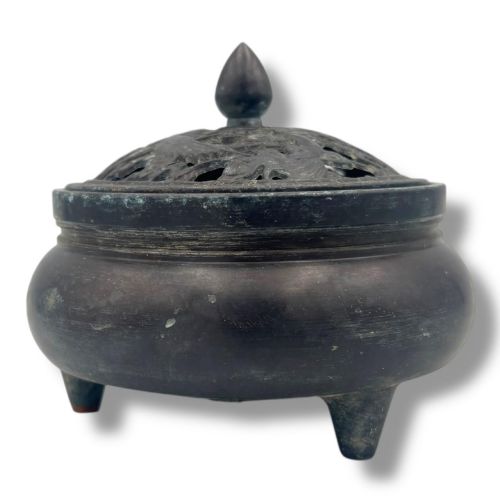
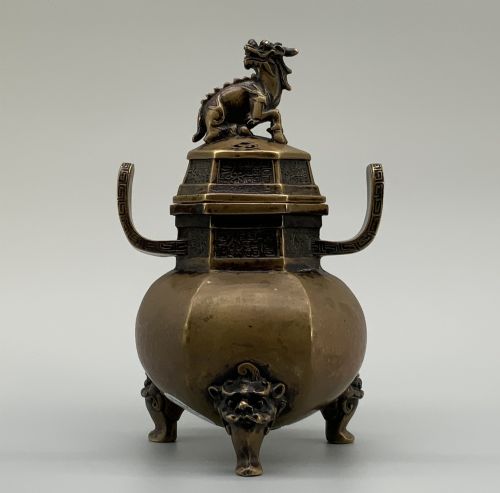
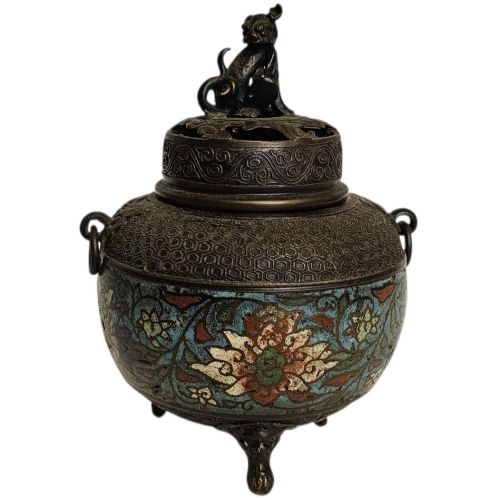
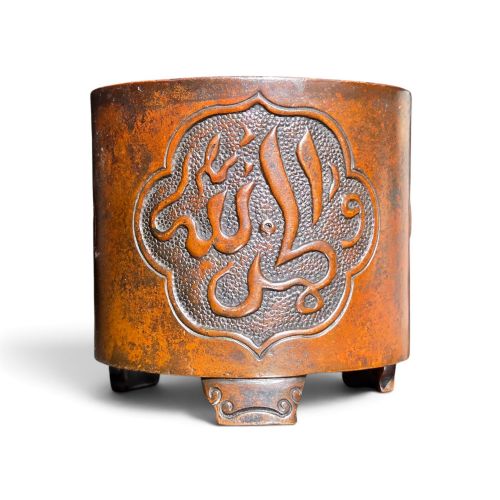
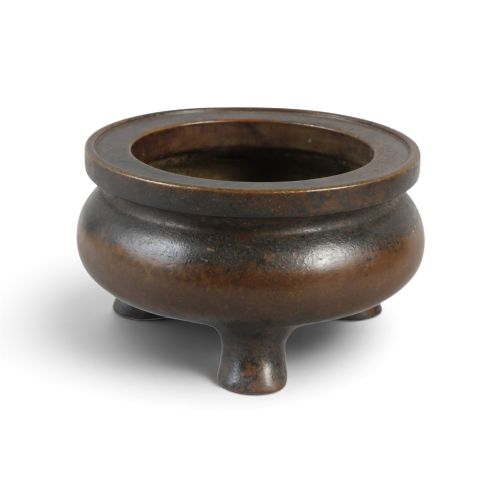
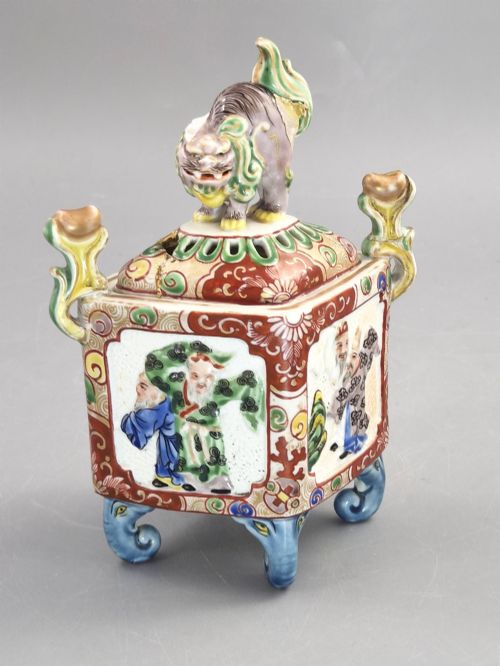
When searching for an antique incense vessel, a buyer encounters forms designed for burning aromatic materials, most commonly tripod censers, lidded koro, and ritual burners originating from Chinese dynasties and Japanese Meiji workshops.
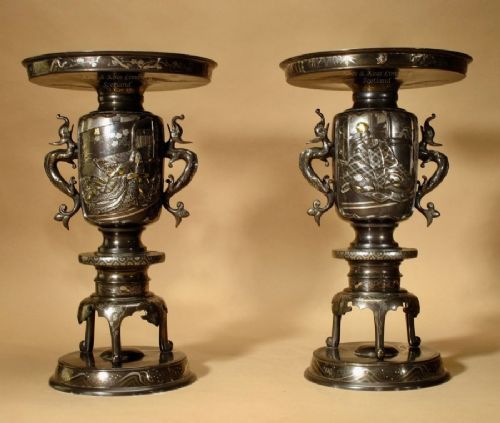
The pieces appearing on this page span several centuries, reaching from the 16th-century Ming period through the Qing dynasty and the Japanese Meiji era, alongside select English silver and porcelain pieces.
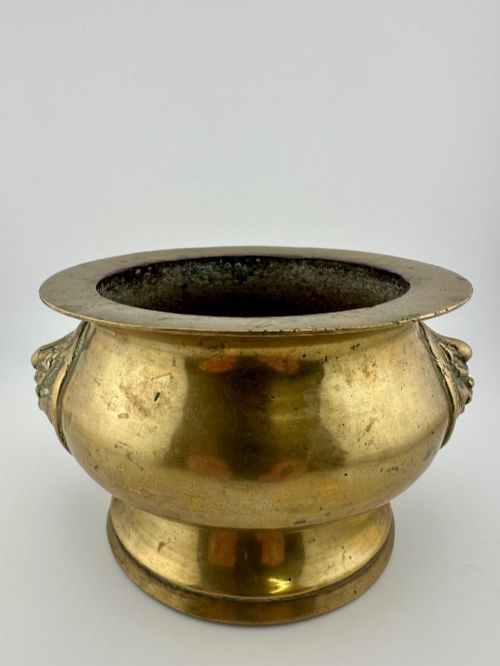
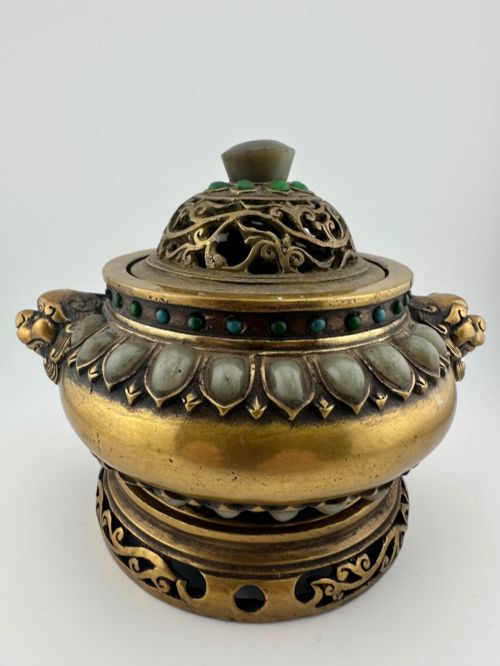
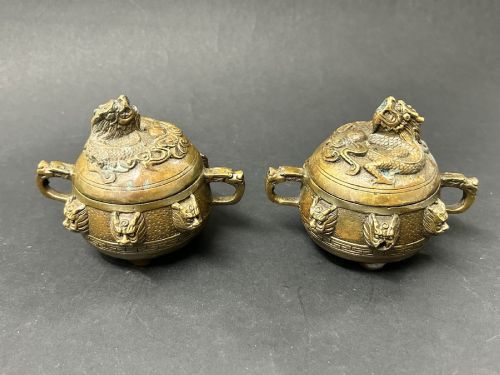
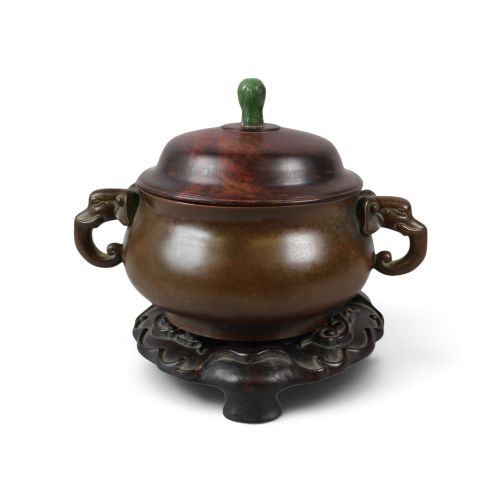
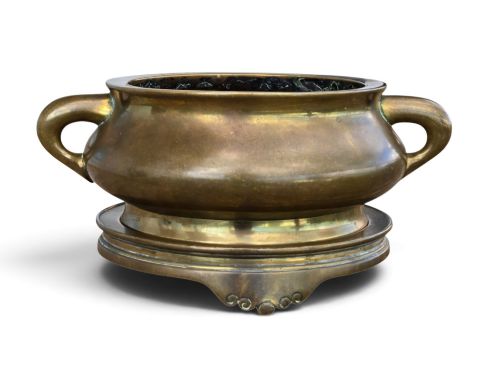
Scholar's pieces and larger ritual vessels dominate the selection, often featuring handles modelled as lions, elephants, or mythical beasts, and resting upon custom stands.
How they were made
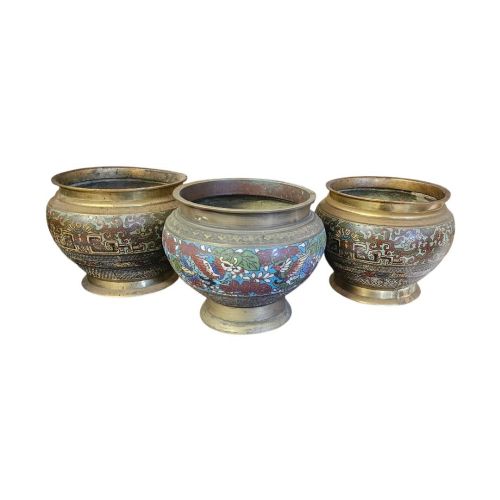
Metal vessels rely on heavy cast bronze or brass, frequently enhanced with cloisonné enamel, gold leaf inlay, or gilt-splashed surfaces that create subtle textures and metallic depth.
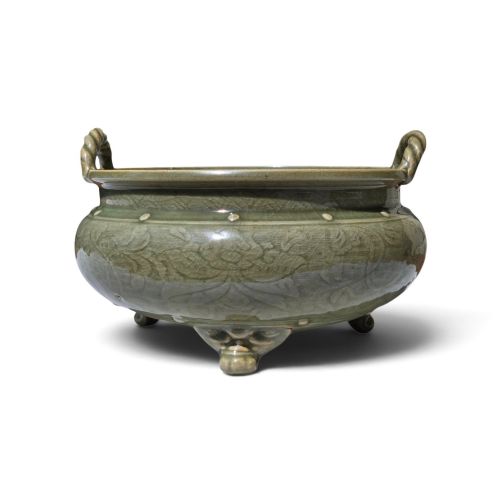
Ceramic examples utilise porcelain, earthenware, and celadon glazes, shaped into tripod vessels and jars with detailed moulded or applied finials.
Surface decoration incorporates traditional motifs cast in relief, hardstone inlays, and precise handles integrated directly into the body during casting or attached securely.
Antique Incense Vessel Retail Price Guide 2026
Typical asking prices for incense vessel among the pieces listed under this phrase on Sellingantiques today, from the lower quarter to the upper quarter. They describe what is for sale here now, not the wider market.
Certain heavy cast bronze censers are noted for possessing a clear bell-ring resonance when struck.
What varies in quality
Casting thickness and weight set the baseline for metal vessels, where heavier pieces demonstrate greater material density and more resonant acoustic properties.
The crispness of cast details - such as taotie masks, dragon panels, and lion-mask handles - distinguishes skilled workshop production from simpler commercial output.
In ceramics and enamel work, the refinement of the glaze, the alignment of cloisonné wires, and the preservation of original stands determine the desirability of the piece.
The Antique Incense Vessel Glossary
- Censer
- A vessel designed specifically for burning incense. These pieces often feature ventilated covers to release aromatic smoke.
- Tripod
- A vessel supported by three legs. This configuration provides stability on uneven surfaces and elevates the body of the burner.
- Ding
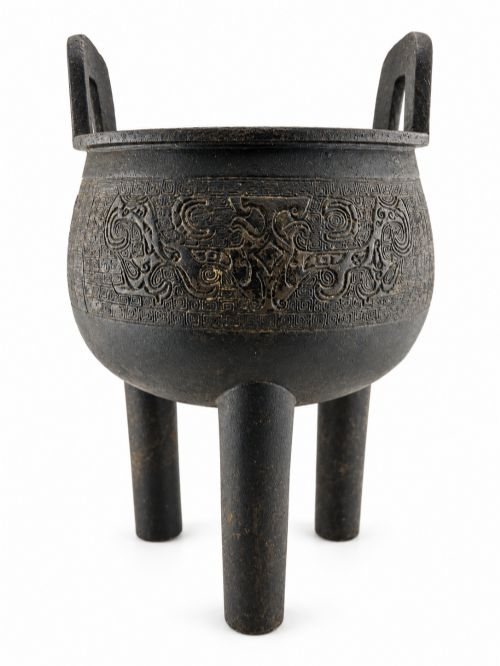
- An ancient Chinese vessel form characterised by a bowl raised on three legs. Later pieces emulate this archaistic ritual shape.
- Celadon
- A pale green or grey-green ceramic glaze originating in China. The glaze mimics the appearance of jade.
- Koro
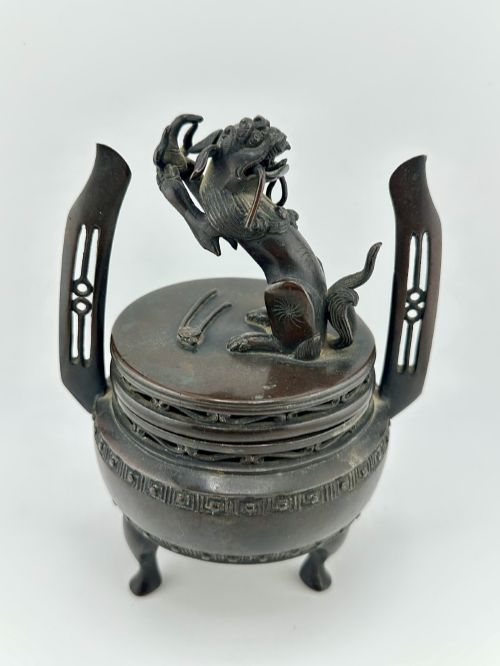
- A Japanese term for an incense burner. These pieces frequently incorporate pierced covers and decorative animal finials.
- Taotie
- A stylised zoomorphic mask motif found on early bronze ritual vessels. It depicts a mythical protective face.
Antique Incense Vessel: Frequently Asked Questions
How were bronze censers used historically?
Historically, scholars and practitioners burned resin, wood, or powder incense inside these vessels to purify the air and aid meditation or study. The slow release of smoke through perforated lids formed an integral part of traditional interior rituals.
Many heavier pieces remained stationary on scholar's desks, while smaller or lidded versions could be moved between rooms.
How do I identify a Ming dynasty censer?
Ming dynasty censers often display characteristic archaistic forms, deep patinas, and robust cast construction without relying on later reign marks. Details such as relief panels depicting natural scenes or taotie masks point towards this earlier period.
Examining the weight, alloy composition, and wear patterns helps distinguish these foundational examples from 19th-century revivals.
Can I still burn incense in these vessels?
These vessels can accommodate burning incense, provided the interior is cleaned carefully and protected from excessive thermal shock. Many collectors line the base with ash or sand to shield ancient metal or ceramic surfaces from direct heat.
Careful use preserves both the historical integrity of the piece and its original interior patina.