




Bronze Ritual Bowl
A bronze ritual bowl brings ancient craftsmanship into the modern home, offering tangible weight and centuries of tradition through cast metal vessels designed for burning incense and holding offerings.
Bronze Ritual Bowl
A bronze ritual bowl serves as a vessel for traditional offerings, incense burning, and ceremonial display, originating primarily from Chinese and Japanese workshops across several centuries. When exploring this selection, buyers encounter heavy cast censers, archaic food vessels, and large planters created during the Ming and Qing dynasties or the Edo period.
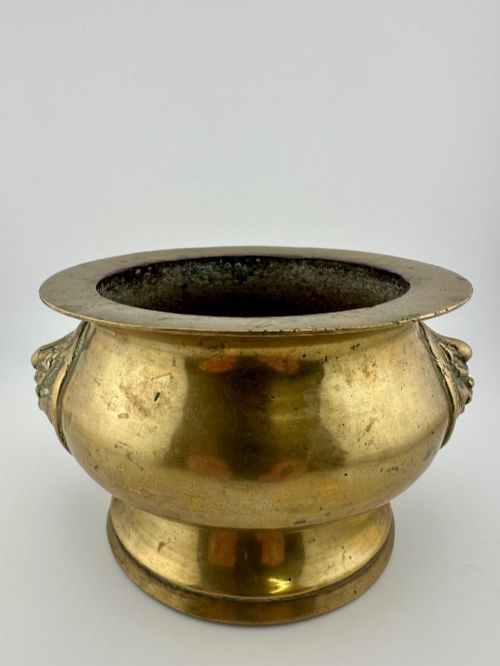
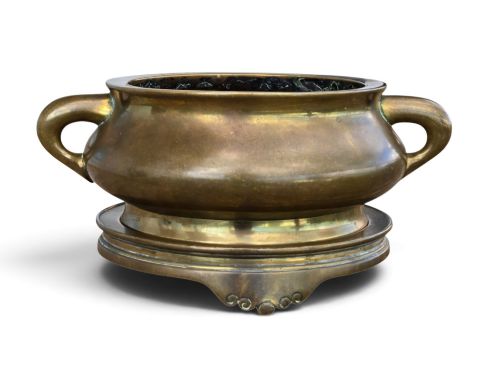
The objects take diverse forms, ranging from massive archaistic censers featuring lion-mask handles and matching stands to delicate decorative bowls adorned with dragons or cloisonné enamel. Many pieces double as incense burners or Buddhist tearai, reflecting both secular scholarly tastes and sacred temple practices.
Examples span the seventeenth, eighteenth, and nineteenth centuries, alongside pieces dated around nineteen-ten, demonstrating sustained demand for traditional Asian metalwork. Each bronze ritual bowl carries specific stylistic markers, such as Xuande seal marks or archaistic designs that imitate much older bronzes.
Materials and casting techniques
Artisans produced these vessels primarily through bronze and copper alloy casting, often achieving exceptional weight and structural density that produces a distinct bell-ring resonance when struck. Metalworkers utilised intricate moulds to shape lion-mask handles, ritualistic food bowl profiles, and archaic surface patterns.
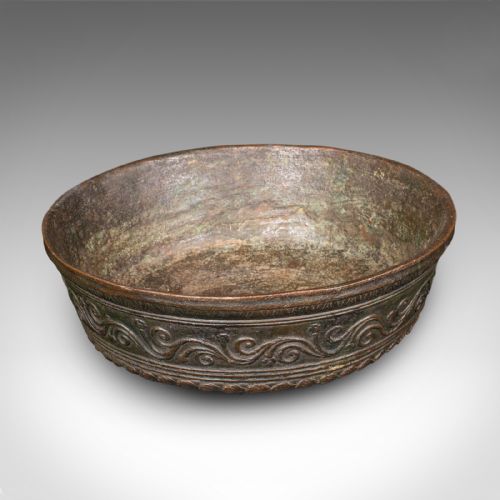
Selected pieces incorporate secondary materials such as wood stands, copper elements, and colourful enamel details like cloisonné. These additions complement the dark patination and polished metal surfaces developed over generations of handling and exposure.
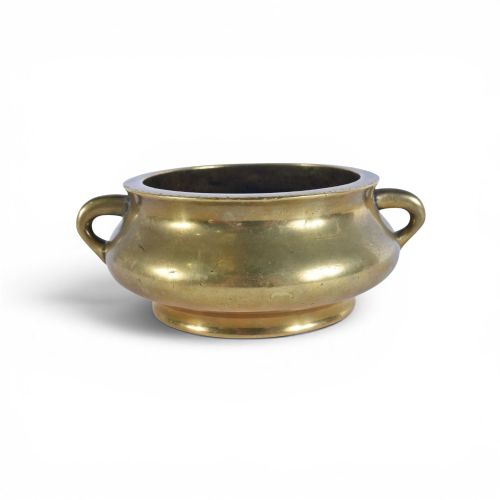
The documented object types range from incense burners and censers to ritual vessels, decorative bowls, planters, and jardinières.
Distinctions in craftsmanship and resonance
Superior examples demonstrate master-casting techniques resulting in substantial weight, uniform wall thickness, and a clear bell-ring resonance that distinguishes high-grade metal alloys from simpler castings. The precision of applied details, such as crisp lion-mask handles and cleanly struck reign or seal marks, elevates certain pieces above standard decorative items.
Condition and completeness also define the upper tier, particularly when vessels retain matching wooden stands or undamaged cloisonné enamel work. Age-appropriate patination adds depth to the metal, whereas clumsy repairs or excessive wear diminish the aesthetic integrity of the form.
The Bronze Ritual Bowl Glossary
- Censer
- A vessel designed specifically for burning incense during ritual or scholarly practices. These containers often feature pierced covers or open tops framed by sturdy handles.
- Archaistic
- A stylistic descriptor for later objects designed in deliberate imitation of ancient ritual bronzes from earlier dynasties. Makers used this aesthetic to evoke historical continuity and classical scholarly taste.
- Cloisonné
- An enamelling technique where thin metal wires are soldered to a metal base to create compartments filled with coloured paste, then fired and polished. This method introduces vibrant decorative patterns across the bronze surface.
- Gui
- An ancient Chinese ritual bronze vessel shape characterised by a rounded bowl, two loop handles, and sometimes a raised foot or matching stand. These forms originally held food offerings in ancestral ceremonies.
- Patina
- The surface sheen and colour acquired by bronze through age, oxidation, and handling. A stable patina indicates natural ageing and protects the underlying metal.
Bronze Ritual Bowl: Frequently Asked Questions
What is a bronze ritual bowl used for?
These vessels historically functioned as censers for burning aromatic incense, receptacles for food offerings during ceremonies, or water containers in Buddhist temples.
Today, collectors appreciate them as sculptural centrepieces, decorative planters, or contemplative objects that anchor a room with historical weight.
How do I identify Chinese versus Japanese pieces?
Chinese examples frequently reference dynastic periods like the Ming or Qing, often incorporating archaistic motifs, imperial seal marks, or robust lion-mask handles.
Japanese pieces from the Edo period often display distinct regional casting styles, dragon iconography, or forms associated with specific temple utensils such as tearai.
Why do some bronze bowls ring like bells?
Master-casting techniques and specific copper alloy proportions create a dense metal structure free from internal flaws.
When struck gently, this uniform density allows the vessel to vibrate clearly, producing a sustained bell-like resonance valued by connoisseurs.
How should I clean an antique bronze bowl?
Antique metal surfaces require minimal intervention to preserve the original patination built up over centuries of handling and exposure.
Dusting with a soft, dry cloth is sufficient; harsh chemical cleaners or polishes will strip away the historical surface character.