


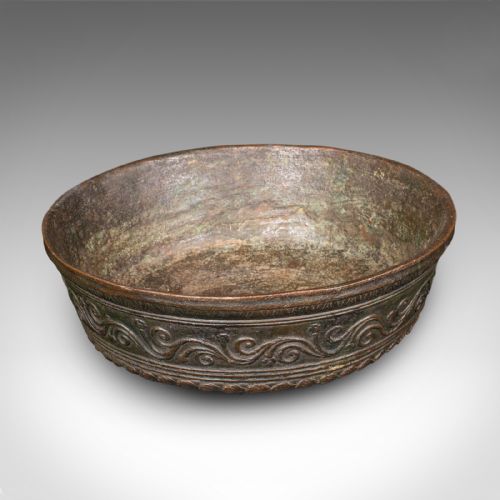


Edo Period Metal Vessel
These edo period metal vessel pieces are striking Japanese works in bronze, brass, and enamel that bring refined craftsmanship to any room.
Edo Period Metal Vessel
When you search for an edo period metal vessel, you encounter decorative bowls, sake kettles, jardinières, and lidded pedestal pieces originating from Japan. These objects span from the eighteenth century through to the mid nineteenth century, capturing a distinct aesthetic of utility and ornament.
The most common forms on this page are substantial bronze planters and smaller lidded vessels featuring intricate cloisonné enamel work. Such items serve as striking focal points in a room, combining traditional Japanese metalworking traditions with forms collected in Britain during the Victorian and Georgian eras.
How they were made
Makers formed these pieces primarily through casting in bronze, brass, and iron, shaping durable bodies designed to hold water or dry goods. Artisans then polished and patinated the metal surfaces to achieve deep, rich tones ranging from dark brown to gleaming golden hues.
Many vessels incorporate cloisonné enamel, a technique where thin metal wires create cells that artisans fill with coloured glass paste before firing. This method adds vibrant bands of blue, green, and red decoration directly onto the metal ground.
Several heavy bronze bowls double as Buddhist tearai water basins, proving that historic hand-washing required serious metalwork.
What varies in quality
The distinction between standard items and exceptional examples lies in the crispness of the casting and the precision of the surface decoration. Superior bronze pieces exhibit deeply undercut details and smooth, uniform patination achieved through careful hand-finishing.
Enamel work similarly distinguishes finer specimens, where the wire cells remain perfectly aligned and the fired glass displays an even, glossy finish without pitting. Weight, balance, and the integration of lids or mounts further elevate the standing of individual vessels.
The Edo Period Metal Vessel Glossary
- Cloisonné
- An enamelling technique where metal wire is soldered to a metal base to create compartments filled with paste and fired. This method produces intricate geometric or floral patterns across the surface of the vessel.
- Jardinière
- A large ornamental pot or bowl designed to hold growing plants or flower arrangements. In these listings, they frequently appear in heavy cast bronze.
- Patina
- The surface sheen and colour acquired by metal through age, handling, and deliberate chemical treatment. A stable patina enhances the visual depth of bronze and brass objects.
- Suiban
- A shallow Japanese basin traditionally used for arranging cut flowers or displaying stones with water. These heavy bronze vessels form a distinct category within the wider range of planters.
- Archaic
- A stylistic descriptor denoting pieces that emulate ancient ritual vessels from earlier dynasties. Such designs often feature formalised animal motifs and stylized surface bands.
Edo Period Metal Vessel: Frequently Asked Questions
What is an edo period metal vessel?
These items are Japanese metal objects including bronze jardinières, sake kettles, and lidded cloisonné bowls produced during the Edo era. They reflect traditional Japanese craftsmanship combined with historical trade links.
Many of these pieces found their way into British homes during the Georgian and Victorian periods, where collectors prized their exotic materials and detailed ornamentation.
How were these vessels used originally?
Many served practical functions such as heating sake, holding water for flower arrangements, or containing plants within traditional interiors. Others functioned purely as decorative ornaments for display.
Larger bronze jardinières accommodated growing plants or served as water basins for tea preparation, while smaller lidded bowls stored precious items.
How do I clean a bronze vessel?
Bronze requires minimal intervention to preserve its historical surface and stable patina. Dusting with a soft, dry cloth is usually sufficient for regular maintenance.
Avoid using abrasive metal polishes or harsh chemical cleaners, as these can strip away the aged patination and diminish the historical character of the piece.
Are these pieces purely Japanese?
The core objects originate from Japan during the Edo period, reflecting local metalworking techniques and artistic conventions. Their presence in British collections often dates to later nineteenth-century tastes.
Items recorded here frequently show the crossover between Japanese manufacturing and Victorian or Georgian interior decoration styles.