

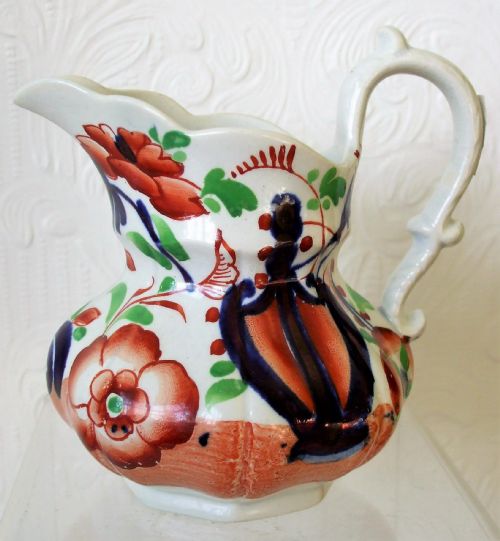


Antique Imari Pitcher
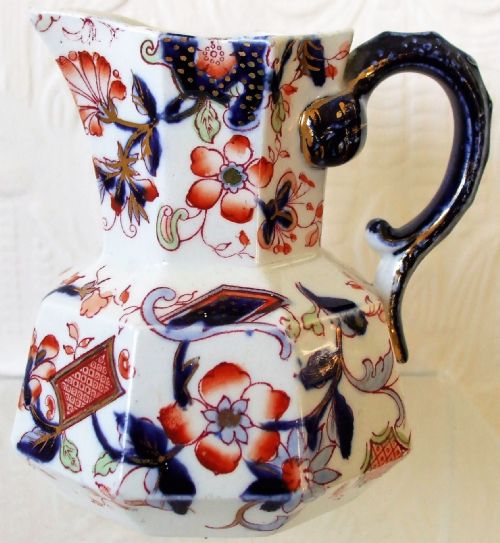
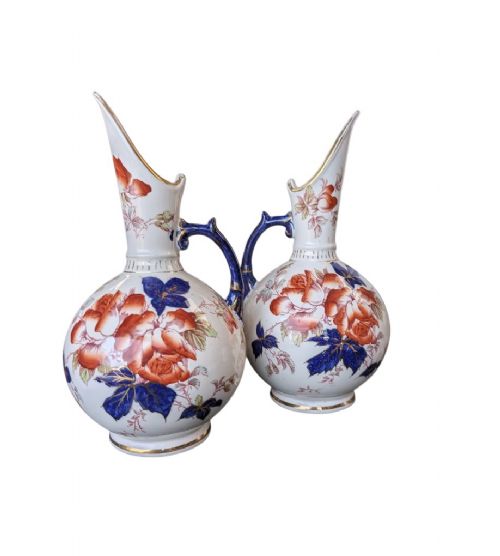
These antique imari pitcher pieces bring vibrant hand-painted colour and rich cobalt and iron-red patterns directly into a room.
Antique Imari Pitcher
When you search for an antique imari pitcher, you encounter diverse forms spanning Japanese export works from the seventeenth century and nineteenth-century British interpretations.
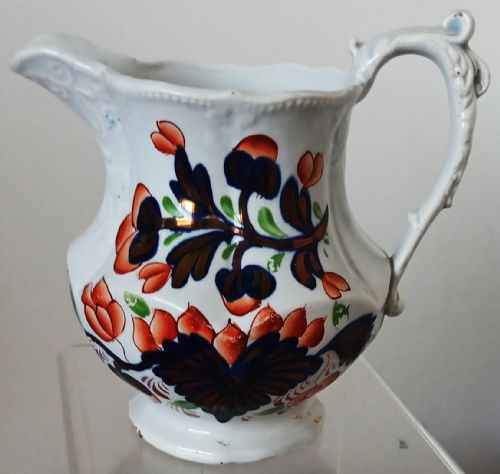
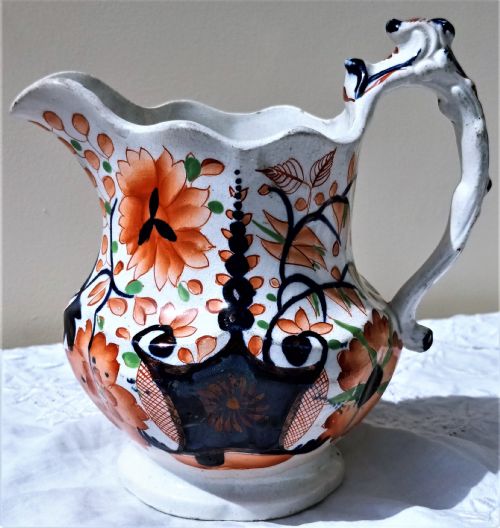
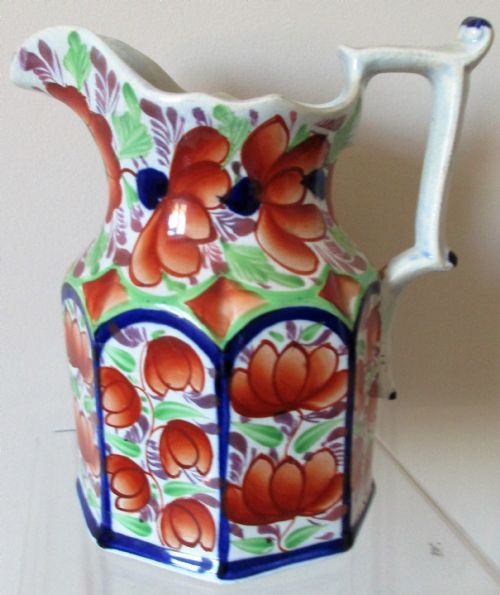
The British examples lean heavily towards Victorian and Georgian earthenware, ironstone, and porcelain, frequently decorated in styles like Gaudy Welsh or Japanese Imari.
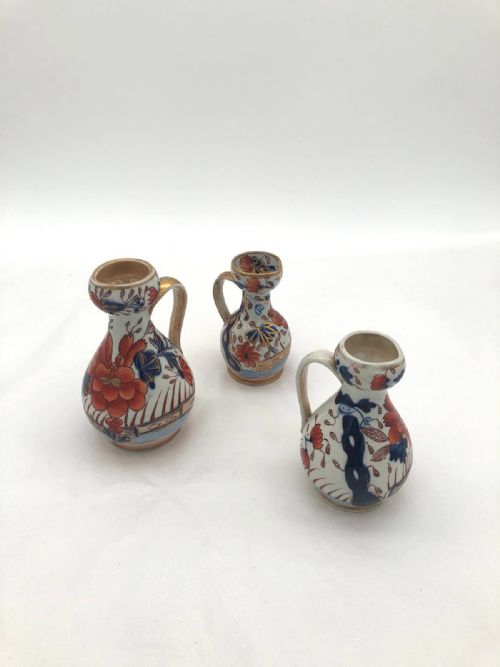
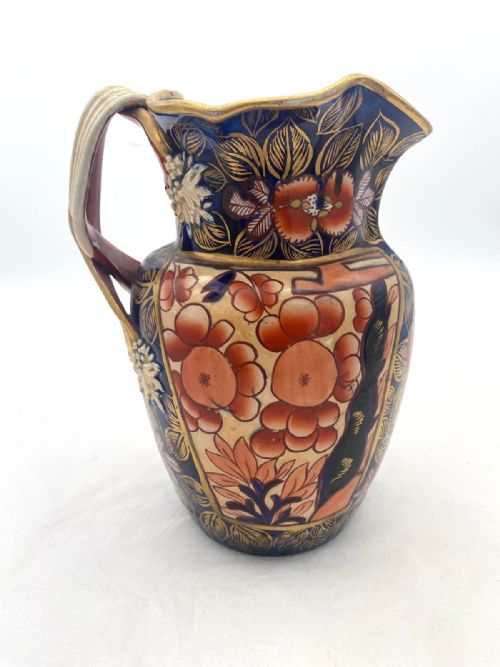
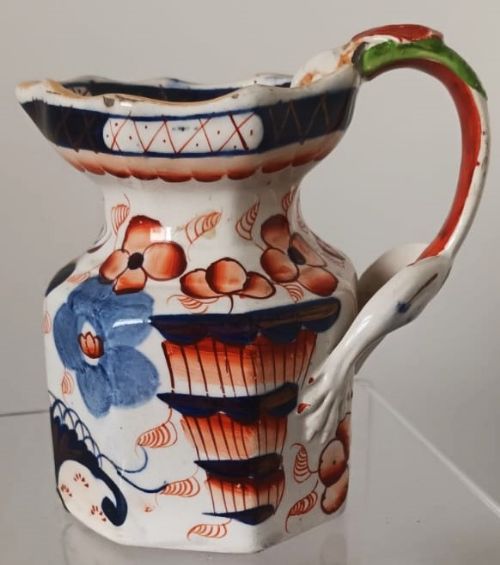
You will notice forms range from individual drinking vessels and miniature hydra jugs to large wash jug and basin sets.
Materials and construction
The makers utilised durable ironstone, earthenware, and porcelain bodies, shaping them into robust jugs, pitchers, and octagonal forms.
Decoration relied upon cobalt blue underglaze paint combined with iron-red enamel and gold leaf or gilt highlights, fused in kilns to achieve lasting brilliance.
The listings here feature ceramics spanning from seventeenth-century Japanese Arita wares to nineteenth-century Victorian ironstone wash sets.
Distinctions in quality
Quality rests in the precision of the hand-painted enamels, the crispness of the moulded relief work such as hydra handles or elephant foot patterns, and the clarity of the glaze.
Pieces from established factories show superior weight, balanced proportions, and more intricate gilding compared to simpler utilitarian pottery.
Mason's Ironstone·Keeling and Co.·Davenport
The Antique Imari Pitcher Glossary
- Ironstone
- A patented ceramic body invented for its stone-like strength and durability. It provides a heavy, resilient base for dense enamel decoration.
- Hydra Jug
- A vessel featuring a distinct serpent-handled form, often associated with nineteenth-century British potteries. The handle curves upward to join the rim.
- Gaudy Welsh
- A nineteenth-century pottery style characterised by bright cobalt blue, copper lustre, and iron-red designs on earthenware. It was heavily produced for domestic markets.
- Arita
- A Japanese town famed as the birthplace of porcelain production, where artisans created export wares featuring traditional cobalt and iron-red motifs.
- Gilt
- A thin layer of gold applied to the ceramic surface or handle to accentuate moulded details. It reflects light and highlights the rim or spout.
Antique Imari Pitcher: Frequently Asked Questions
What is an antique imari pitcher?
An antique imari pitcher is a ceramic vessel decorated with the distinctive blue, red, and gold palette characteristic of Imari wares. These pieces include both Japanese export originals and nineteenth-century British interpretations.
They serve as decorative centerpieces, display items, or functional elements within a room setting.
How were these pitchers used?
Many of these vessels served practical functions for water, milk, or ale in domestic settings. Larger wash jug and basin sets were designed for bedroom hygiene before indoor plumbing.
Smaller hydra jugs and miniature pieces often functioned on tea tables or stood purely as decorative ornaments on mantlepieces.
How do I care for my pitcher?
Wash ceramic pitchers gently by hand using warm water and mild soap, avoiding harsh scrubbing brushes that might damage the surface enamel. Keep them away from sudden temperature extremes to protect the glaze and gold leaf.
Display them securely on stable surfaces where they will not be knocked or tipped over.
How do I tell British imari from Japanese imari?
British imari pieces, such as those from the nineteenth century, are typically heavier ironstone or earthenware with moulded details like hydra handles. Japanese examples from earlier periods often use finer porcelain bodies and specific regional potting marks.
Examining the weight, paste texture, and underside markings clarifies the origin of the piece.