
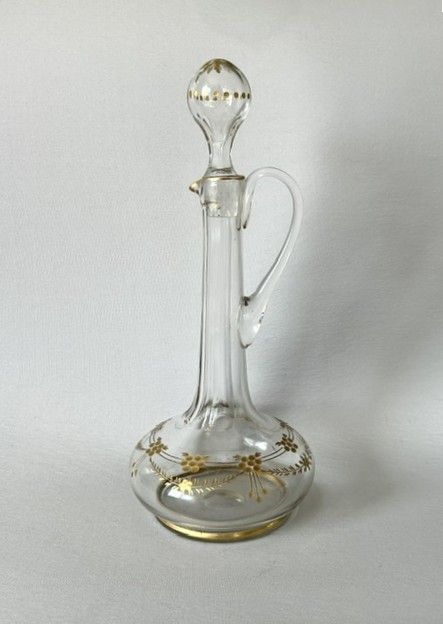


Gilded Jug
These gilded antique jug examples bring brilliant metallic lustre and historic craftsmanship to any room.
Gilded Jug
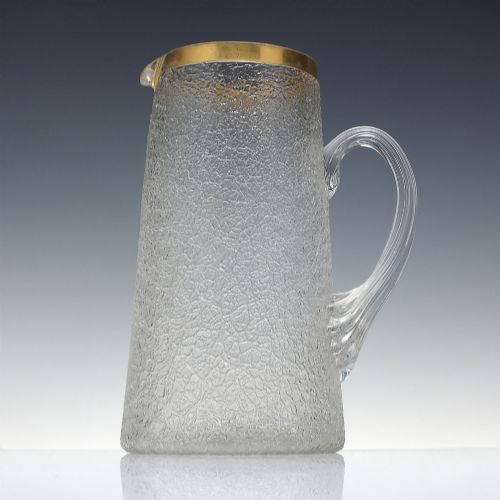
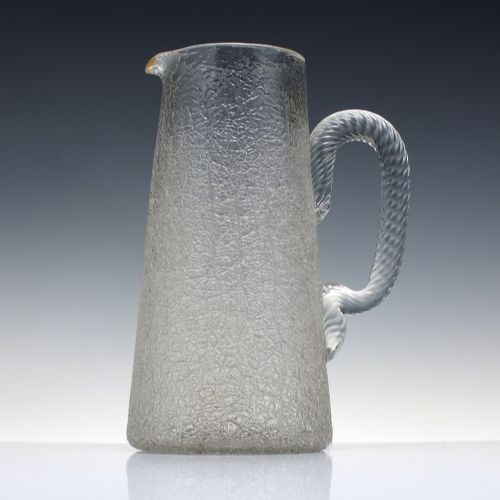
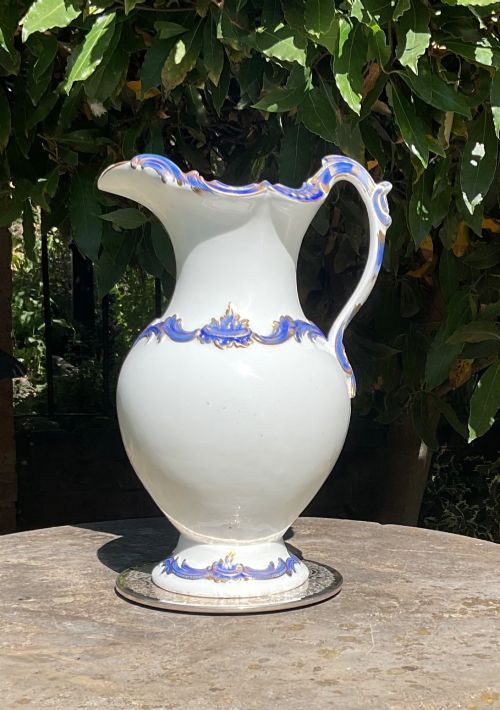
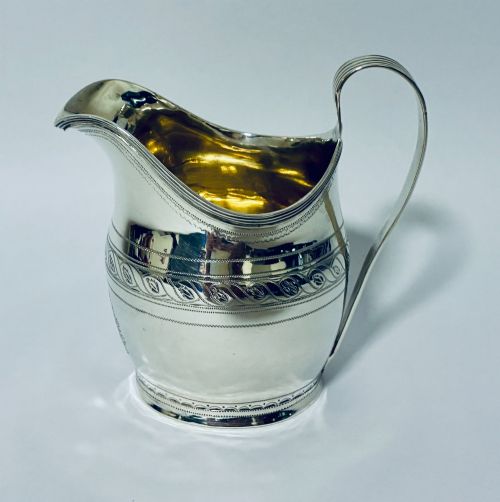
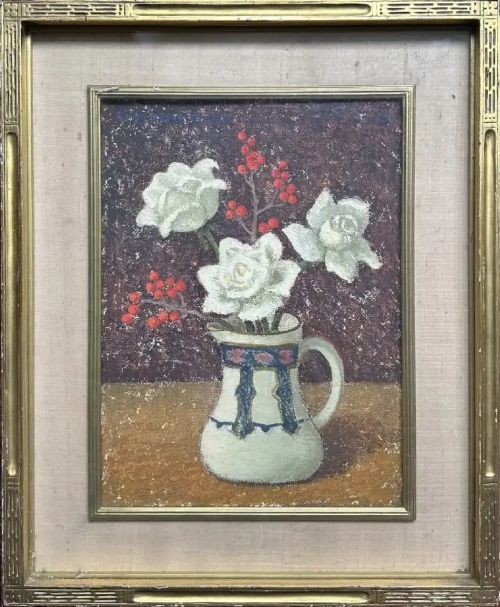
When you search for a gilded antique jug, you encounter vessels created to serve water, cream, wine, or milk across multiple centuries. The selection ranges from Georgian porcelain and earthenware to Victorian glass, ironstone, and glazed pottery forms.
Most pieces you meet on this page date from the nineteenth century, including numerous examples from the Victorian, Edwardian, and Regency eras. Forms span practical water pitchers and cream jugs to decorative ewers and washstand sets.
Origin points include English, French, and Bohemian workshops, reflecting diverse regional aesthetics from Chinoiserie patterns to classical armorial crests. Buyers find everything from miniature ewers to large water jugs accompanied by matching bowls.
How they were made
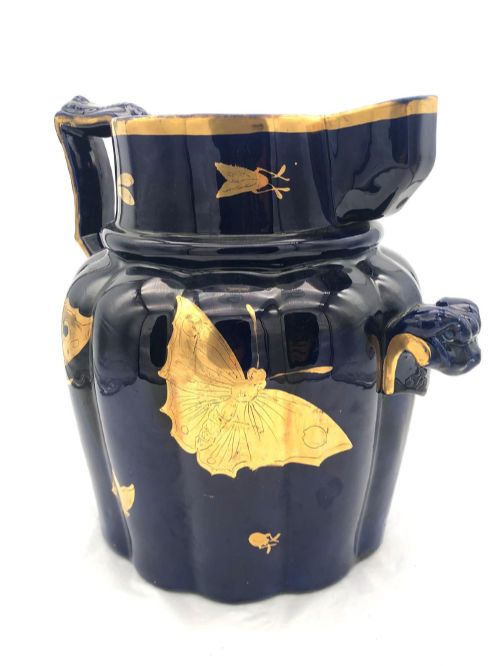
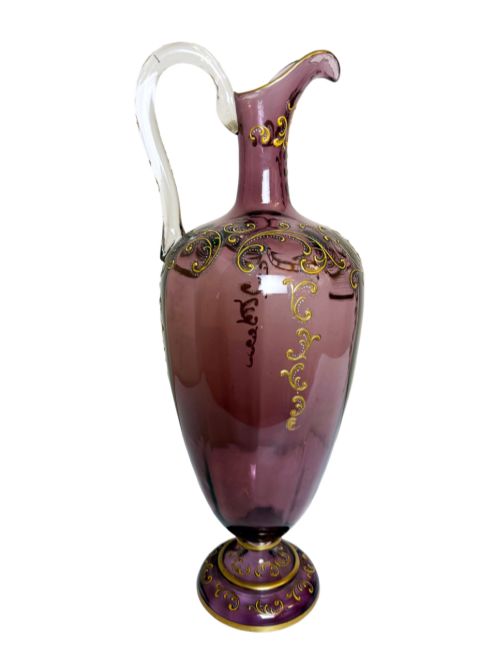
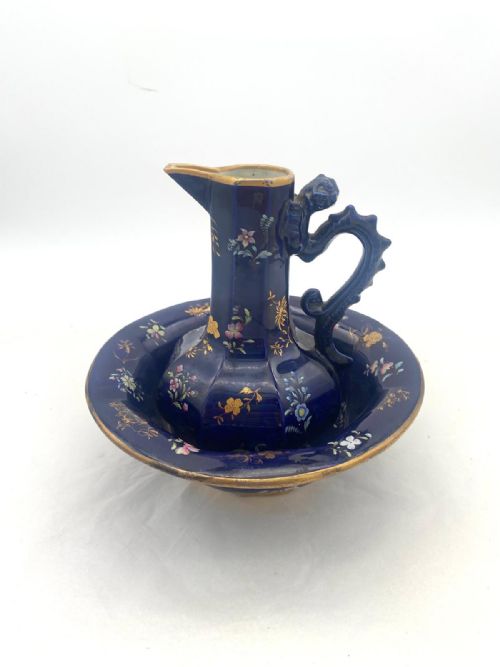
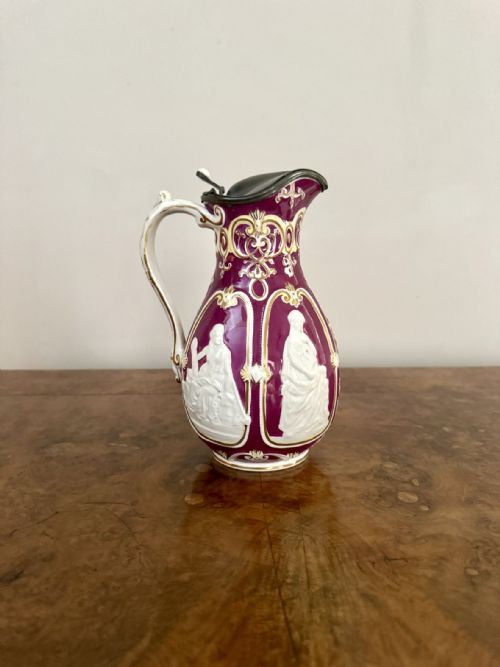
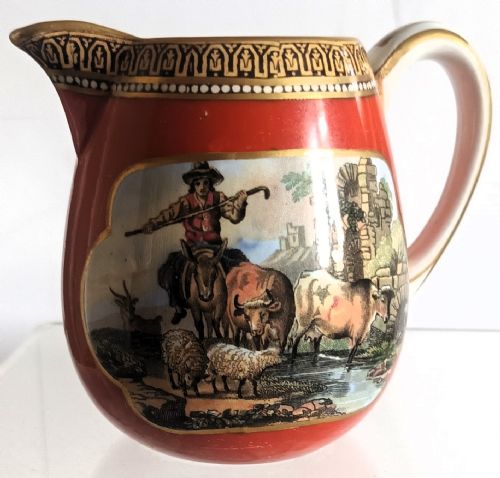
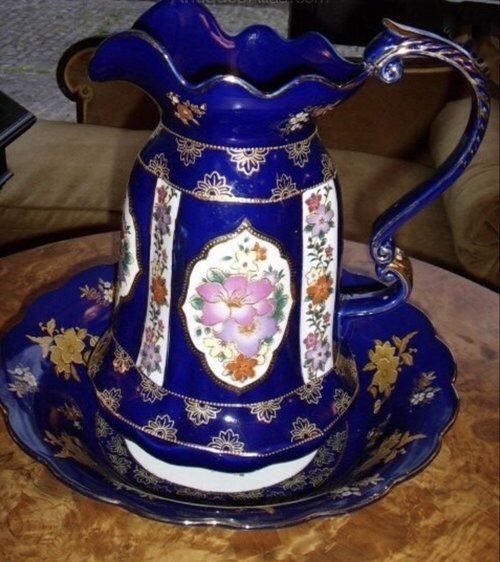
Potters and glassmakers shaped these objects using porcelain, earthenware, ironstone, and blown or cut glass, often applying cobalt blue glaze or hand-painted enamel details. Gold leaf and metallic gilding were then added to rims, handles, and painted appliques.
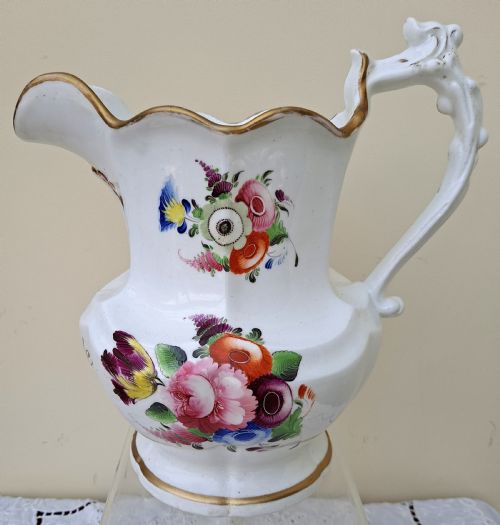
Firing techniques in porcelain and pottery kilns allowed for intricate relief work, reticulated openwork, and smooth glazed surfaces. Craftsmen utilised hand-painting alongside transfer printing to render floral designs, birds, insects, and scenic views.
Several miniature jugs on display prove that cabinetmakers spent just as much care on tiny vessels as they did on full-sized water pitchers.
What varies in quality
The degree of artistic execution in hand-painted scenes and hand-applied gilt work separates standard production vessels from exceptional studio pieces. Crisp definition in moulded details, such as grotesque handles or rope edges, indicates superior manufacturing standards.
The weight, clarity, and resonance of the glass or the precise fineness of the porcelain body dictate the grade of the item. Pieces bearing recognised marks from established periods retain distinct historical provenance that elevates their standing.
Royal Worcester·Meissen·Mason s Ironstone·Chamberlain Worcester·Jean-Pierre Feuillet
The Gilded Jug Glossary
- Ewer
- A large pitcher with a wide spout and ornate handle, traditionally used for holding water or wine.
- Ironstone
- A durable type of earthenware patented in the nineteenth century to imitate Chinese porcelain.
- Gilding
- The application of gold leaf or powdered gold onto the surface of glass, ceramic, or metal objects.
- Reticulated
- Having an openwork pattern resembling a net or web, often carved into porcelain surfaces.
- Overshot glass
- A technique where fine glass threads are trailed across the hot body of a vessel to create a textured finish.
Gilded Jug: Frequently Asked Questions
What were gilded antique jugs used for?
These vessels served practical dining and washing purposes, holding liquids such as cream, wine, milk, and water at the table or on washstands. Many also functioned as decorative display pieces in period homes.
Larger ewers and water jugs were paired with matching basins for personal hygiene, while smaller cream and milk jugs formed part of larger ceramic tea services.
How do I style a gilded jug at home?
Display these items on open shelves, sideboards, or mantels where the metallic gilding catches natural light. Their reflective surfaces contrast effectively against matte timber or stone surfaces.
They also function well as standalone decorative accents or as vases for dried stems, provided the interior condition allows for safe handling.
How can I tell a Georgian jug from a Victorian one?
Georgian examples often feature restrained neoclassical motifs, armorial crests, or hand-painted botanical views executed on fine porcelain bodies. Shapes tend to follow classical proportions with delicate handles.
Victorian pieces frequently display bolder experimentation in colour, such as cobalt blue grounds, elaborate hand-painted gilt appliques, and heavier moulded ironstone or glass forms.
Are these jugs safe to use for serving drinks?
Most antique vessels are best reserved for display or decorative floral arrangements rather than daily culinary use. Age can render the glazes, glass structures, and historical repairs delicate.
Handwashing in tepid water without harsh detergents is necessary if you choose to clean them, as modern dishwashers will damage antique gilding and enamel.